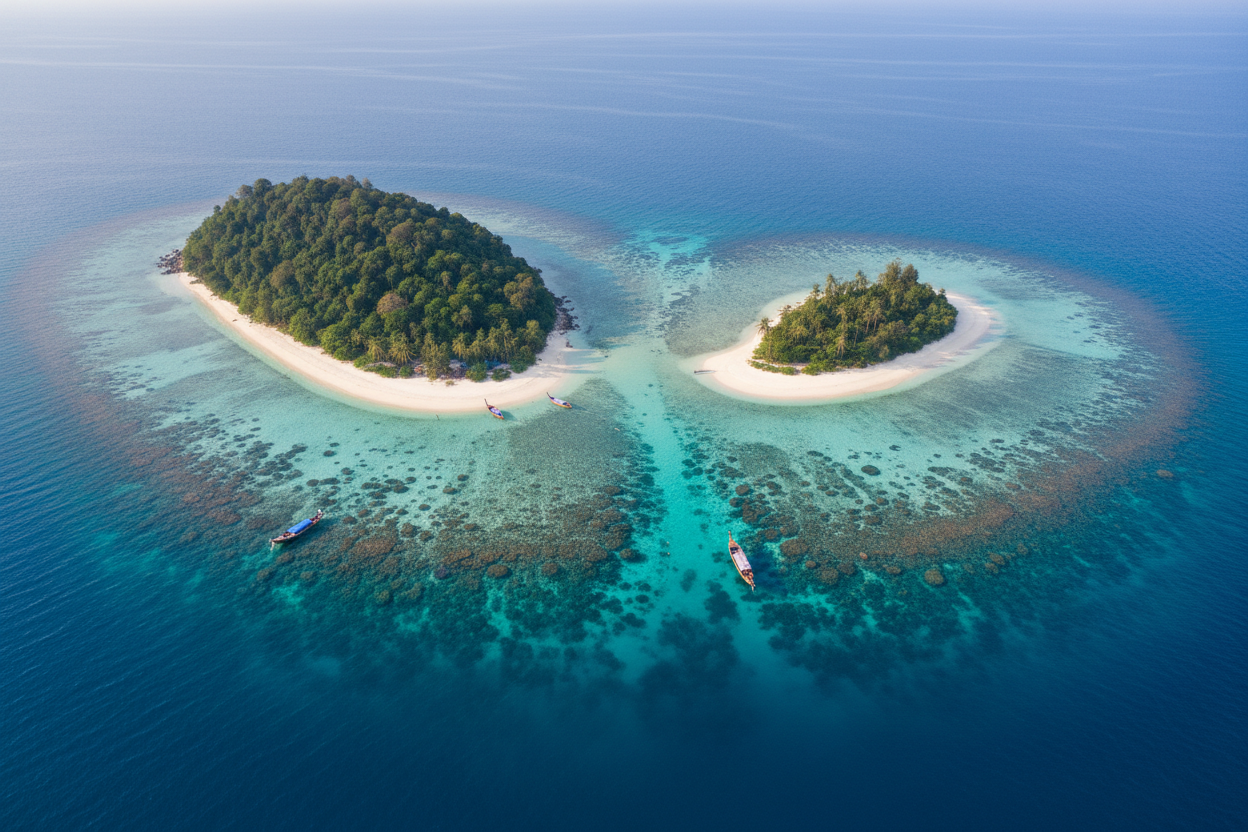
Koh Miang and Koh 4: Exploring the Similan Islands
Nestled in the crystal-clear waters of the Andaman Sea, approximately 84 kilometers northwest of Phuket, the Similan Islands represent one of Thailand’s most pristine marine sanctuaries. Among these nine granite islands, Koh Miang (Island 4) and the neighboring Koh Payu (also known as Island 7) stand out as the crown jewels of this UNESCO World Heritage candidate site. These islands offer visitors an extraordinary blend of untouched natural beauty, world-class diving opportunities, and unique wildlife encounters that create memories lasting a lifetime.
The Similan Islands have captured the hearts of travelers, marine biologists, and adventure seekers from around the globe. With their distinctive granite boulder formations, powder-white beaches, and some of the clearest waters in Southeast Asia, these islands provide an escape from the bustling tourist crowds of mainland Thailand. The name “Similan” derives from the Malay word “sembilan,” meaning nine, reflecting the original count of islands in this protected archipelago.
Understanding the Similan Islands Geography
The Similan Islands chain stretches across approximately 26 kilometers of the Andaman Sea, with each island numbered from south to north. This unique numbering system helps visitors navigate between the different islands and understand their relative positions. Koh Miang, designated as Island 4, serves as the administrative headquarters of the Similan Islands National Park and houses the main visitor facilities.
What makes these islands particularly special is their geological formation. Unlike many tropical islands formed by coral growth, the Similans are granite islands that emerged from ancient tectonic activity. This geological foundation creates the dramatic underwater landscapes that make the area famous among divers worldwide. The granite boulders, both above and below water, form intricate cave systems, swim-throughs, and unique topographical features that support diverse marine ecosystems.
Koh Miang: The Heart of Similan Islands
Koh Miang stands as the largest and most developed island in the Similan chain, though “developed” is a relative term in this pristine environment. The island maintains its natural character while providing essential facilities for visitors exploring the national park. Here, you’ll find the park headquarters, basic accommodation options, and the starting point for many island-hopping adventures.
The island features two main beaches connected by a scenic jungle trail. The eastern beach, known as Ao Khueak, offers calm waters perfect for swimming and snorkeling, especially during the northeast monsoon season. The western beach provides a different experience with its dramatic sunset views and slightly more challenging swimming conditions. Between these beaches, a well-maintained trail winds through tropical forest where you can spot various bird species, including the distinctive Nicobar pigeon, and occasionally encounter monitor lizards basking in the dappled sunlight.
One of Koh Miang’s most remarkable features is its accommodation options. The island offers both tent rentals and basic bungalows operated by the National Park Service. Staying overnight on Koh Miang provides a unique opportunity to experience the islands without day-trip crowds, allowing for peaceful sunrise walks along deserted beaches and the chance to observe nocturnal wildlife activity.
Exploring Koh Payu (Island 7): Natural Wonder and Adventure
Koh Payu, often referred to simply as “Island 7” or sometimes confused with “Koh 4” in casual conversation, represents the epitome of Similan Islands’ natural beauty. This island is famous for its iconic sailing boat rock formation, which has become the unofficial symbol of the Similan Islands and appears on countless postcards and travel brochures.
The sailing boat rock, known locally as “Hin Ruea” or “Sail Rock,” is a massive granite boulder balanced precariously on the island’s highest point. Reaching this landmark requires a moderately challenging hike through tropical vegetation, but the panoramic views from the top are absolutely breathtaking. From this vantage point, you can see the entire Similan chain stretching across the azure waters, with each island’s unique character clearly visible.
The beaches of Koh Payu are equally impressive, featuring some of the finest white sand in the region. The main beach on the eastern side provides excellent swimming and snorkeling opportunities, with coral gardens beginning just meters from the shoreline. The beach’s gentle slope makes it perfect for families, while the nearby coral formations offer endless exploration opportunities for snorkeling enthusiasts.
Marine Life and Underwater Wonders
The waters surrounding Koh Miang and Koh Payu teem with marine life that rivals any diving destination in the world. The unique combination of granite formations and coral growth creates diverse underwater habitats supporting everything from tiny colorful reef fish to massive whale sharks and manta rays.
Snorkeling around these islands reveals a kaleidoscope of marine life. Schools of yellow snappers, blue fusiliers, and sergeant majors create living clouds of color against the backdrop of hard and soft corals. The granite boulders underwater form swim-throughs and small caves where you might encounter leopard sharks resting in the sandy bottoms or moray eels peering from rocky crevices.
For certified divers, the underwater landscape becomes even more spectacular. The famous dive sites around these islands include deep walls, underwater pinnacles, and boulder formations that create unique topographical features. Advanced divers often encounter larger pelagic species, including whale sharks, manta rays, and various species of sharks that use these waters as feeding and cleaning stations.
Best Time to Visit and Planning Your Trip
The Similan Islands National Park operates on a seasonal schedule, typically opening from mid-October to mid-May, coinciding with the dry season and calmer sea conditions. During this period, the weather is most favorable for boat travel, diving, and general outdoor activities. The peak season runs from December through March when the weather is driest and the seas are calmest.
Planning a visit to Koh Miang and the surrounding islands requires some advance preparation. Day trips are the most popular option, with boats departing from various points including Khao Lak, Phuket, and Ranong. These trips typically include visits to multiple islands, snorkeling stops, and lunch on one of the beaches. However, for a more immersive experience, consider staying overnight on Koh Miang.
When packing for your Similan Islands adventure, remember that these are protected waters with strict environmental regulations. Reef-safe sunscreen is essential, as traditional sunscreens can damage coral reefs. Bring underwater cameras, quality snorkeling gear if you prefer your own, and comfortable hiking shoes for exploring the island trails.
Conservation and Responsible Tourism
The Similan Islands represent one of Thailand’s most important marine conservation areas, and visiting these pristine environments comes with the responsibility to protect them for future generations. The Thai National Park Service has implemented various conservation measures, including limiting visitor numbers, restricting certain activities, and maintaining strict guidelines for tour operators.
As a visitor, you can contribute to conservation efforts by following Leave No Trace principles, avoiding touching or standing on coral reefs, and choosing tour operators committed to sustainable practices. Many local operators now focus on small group sizes, environmental education, and supporting local conservation initiatives.
The islands face ongoing challenges from climate change, including coral bleaching events and rising sea temperatures. However, the relatively isolated location and protection status have helped maintain healthier coral systems compared to many other tropical destinations. Your visit, when conducted responsibly, helps support the local economy and provides funding for continued conservation efforts.
Photography and Creating Lasting Memories
Koh Miang and the surrounding Similan Islands offer endless photography opportunities, from dramatic landscape shots to intimate underwater scenes. The contrast between white sand beaches, turquoise waters, and granite boulder formations creates naturally stunning compositions. Early morning and late afternoon light provide the best conditions for landscape photography, while underwater photography can be excellent throughout the day in the clear waters.
Many visitors find that the Similan Islands exceed their expectations, offering experiences that range from peaceful beach relaxation to thrilling underwater adventures. The combination of accessibility and pristine natural beauty makes these islands suitable for various travel styles, from luxury day trips to budget-conscious backpacking adventures.
Conclusion
Koh Miang and the greater Similan Islands archipelago represent Thailand’s marine environment at its absolute finest. These islands offer visitors the rare opportunity to experience truly pristine tropical paradise while enjoying world-class diving and snorkeling in some of the clearest waters in Southeast Asia. Whether you’re drawn by the iconic sailing boat rock formation, the diverse marine life, or simply the chance to relax on uncrowded white sand beaches, the Similan Islands deliver an unforgettable experience.
The key to fully appreciating these remarkable islands lies in approaching them with respect for their protected status and understanding their ecological importance. By choosing responsible tour operators, following conservation guidelines, and taking time to truly appreciate the natural wonders around you, your visit to Koh Miang and the Similan Islands will contribute to their preservation while creating memories that will last a lifetime. In a world where truly pristine marine environments are increasingly rare, the Similan Islands stand as a testament to the beauty that careful conservation can preserve.
 English
Leave a Reply