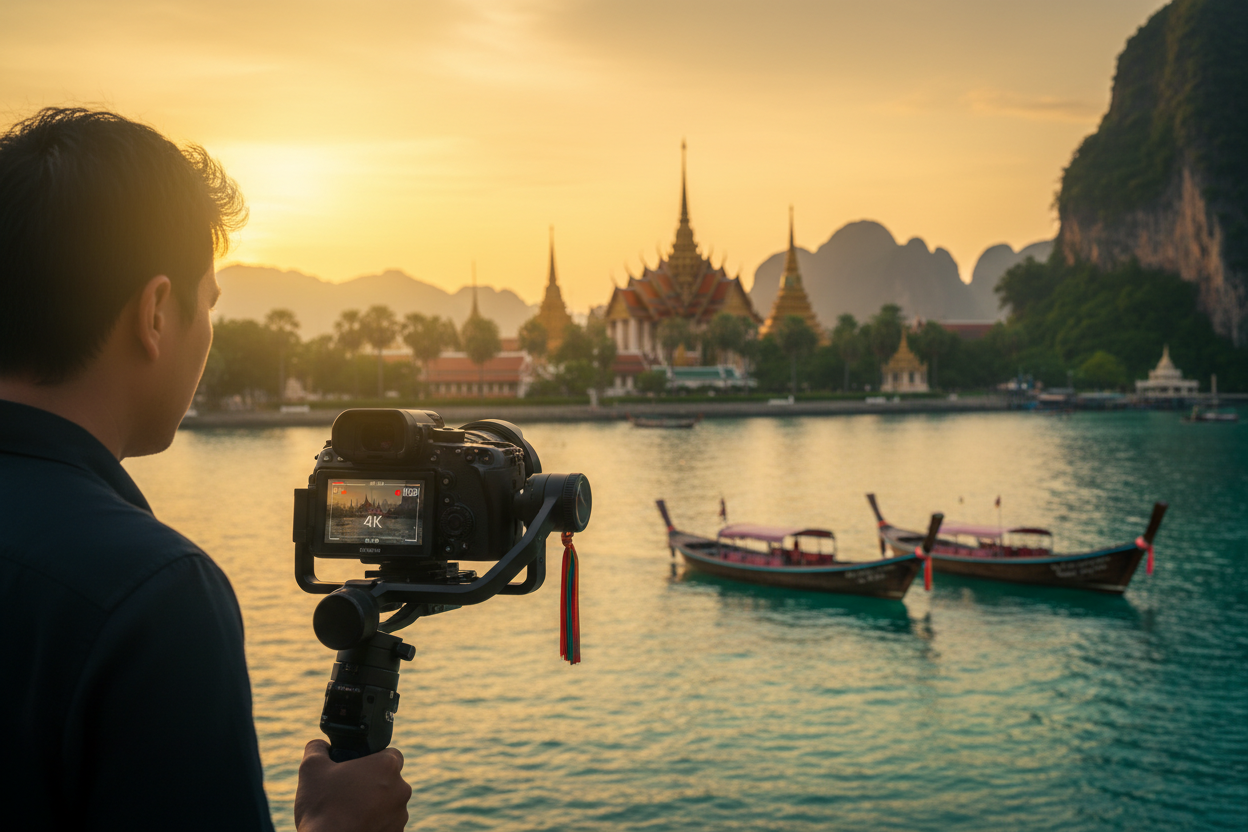
How to Film a Thailand 4K Travel Video Like a Pro
Thailand’s breathtaking landscapes, vibrant culture, and stunning architecture make it a dream destination for travel videographers. Whether you’re capturing the emerald waters of Phi Phi Islands or the bustling streets of Bangkok, creating professional-quality 4K travel videos requires more than just pointing your camera and hitting record. After spending countless hours filming across Thailand’s diverse regions, I’ve learned that successful travel videography combines technical expertise with cultural sensitivity and creative storytelling.
The key to filming exceptional Thailand travel videos lies in understanding both your equipment and your environment. From the humid tropical climate that can fog your lenses to the cultural nuances that determine when and where filming is appropriate, every aspect of your production needs careful consideration. This comprehensive guide will walk you through the essential techniques, equipment choices, and insider tips that will elevate your Thailand travel videos from amateur footage to professional-quality content that truly captures the magic of the Land of Smiles.
Essential 4K Camera Equipment for Thailand Travel Videos
Choosing the right camera equipment for Thailand’s diverse environments is crucial for achieving professional results. The tropical climate, varying lighting conditions, and mobility requirements demand specific gear considerations that many travelers overlook until it’s too late.
For 4K travel videography in Thailand, mirrorless cameras offer the perfect balance of image quality and portability. The Sony A7S III and Canon EOS R6 Mark II are excellent choices, providing exceptional low-light performance for those magical golden hour shots at Angkor Wat or intimate street food scenes in Bangkok’s markets. These cameras handle Thailand’s challenging lighting conditions beautifully, from the harsh midday sun reflecting off temple gold to the dim interiors of traditional wooden houses.
Your lens selection should prioritize versatility and weather resistance. A 24-70mm f/2.8 lens serves as your workhorse, perfect for everything from wide establishing shots of rice terraces to intimate portraits of local artisans. Consider adding a 16-35mm ultra-wide lens for those sweeping beach vistas and temple architecture shots that make viewers feel like they’re standing right there with you.
Don’t underestimate the importance of stabilization equipment. Thailand’s transportation often involves tuk-tuks, longtail boats, and motorbikes – all of which create significant camera shake. A quality gimbal stabilizer like the DJI Ronin SC or Zhiyun Crane series will transform shaky footage into smooth, cinematic sequences that maintain viewer engagement throughout your video.
Planning Your Thailand Video Shooting Schedule
Timing is everything when filming in Thailand, and this goes far beyond just chasing golden hour light. The country’s tropical climate, cultural calendar, and tourist patterns all impact when and where you should film for optimal results.
Thailand’s weather patterns significantly influence your shooting schedule. The cool season from November to February offers the most comfortable filming conditions with lower humidity and minimal rainfall. However, don’t dismiss the rainy season entirely – some of my most dramatic footage came from capturing sudden tropical downpours and the way they transform the landscape. The key is having backup indoor locations ready and protecting your equipment with proper weather sealing.
Research local festivals and cultural events that can add authentic color to your videos. Songkran in April, Loy Krathong in November, and various temple festivals throughout the year provide incredible footage opportunities. However, always approach these events with respect and obtain proper permissions before filming. Many temples and cultural sites have specific rules about photography and videography that you must follow.
Consider the daily rhythm of Thai life when planning your shots. Early morning markets come alive before dawn, offering authentic cultural footage without tourist crowds. Midday provides harsh but dramatic lighting for architectural shots, while late afternoon and evening capture the social aspects of Thai culture as people gather for meals and socializing.
Mastering 4K Camera Settings for Tropical Environments
Thailand’s tropical environment presents unique challenges that require specific camera settings adjustments. The high humidity, intense sunlight, and frequent weather changes demand a thorough understanding of your camera’s capabilities and limitations.
Shooting in 4K requires careful attention to your camera’s heat management. Many cameras will overheat in Thailand’s tropical climate, especially during extended recording sessions. Set your camera to record in shorter clips and use external recording devices when possible. The Atomos Ninja V not only provides better heat dissipation but also offers superior color grading options in post-production.
White balance becomes critical in Thailand’s varied lighting conditions. The golden temples reflect warm light, while the tropical vegetation creates cool shadows. Use custom white balance settings rather than auto, and bracket your shots when transitioning between different lighting environments. The mixed lighting in markets and street scenes often requires manual adjustment to maintain consistent color throughout your footage.
For exposure settings, Thailand’s bright tropical light can easily overwhelm your sensor. Use neutral density filters to maintain proper exposure while keeping your aperture wide for shallow depth of field. A variable ND filter is particularly useful when moving between bright outdoor locations and darker indoor spaces like temples or traditional houses.
Capturing Authentic Thai Culture on Camera
The heart of any great Thailand travel video lies in its authentic cultural representation. This means moving beyond tourist attractions to capture the genuine spirit of Thai life, traditions, and people.
Building rapport with local subjects is essential for authentic footage. Learn basic Thai phrases like “khob khun” (thank you) and “khor thod” (excuse me). A genuine smile and respectful approach open doors that a camera alone cannot. I’ve found that showing interest in people’s daily activities – whether it’s a street vendor preparing pad thai or a monk’s morning alms collection – creates opportunities for natural, unposed footage that tells real stories.
Focus on the details that make Thailand unique. The intricate hand movements of traditional dancers, the steam rising from street food stalls, the way morning light filters through temple incense smoke – these small moments create emotional connections with your audience. Use macro lenses or close-up shots to capture the textures of hand-woven fabrics, the precision of fruit carving, or the weathered hands of elderly craftspeople.
Respect cultural boundaries and photography restrictions. Many temples prohibit filming inside sacred areas, and some ethnic communities prefer not to be photographed. Always ask permission and be prepared to put your camera away if requested. This respectful approach often leads to invitations to film in areas typically off-limits to tourists.
Professional Video Composition Techniques for Thailand
Creating visually compelling travel videos requires mastering composition techniques that work specifically well with Thailand’s landscapes and cultural elements. The country’s diverse visual elements – from geometric temple architecture to organic jungle landscapes – offer endless opportunities for creative composition.
Use Thailand’s natural leading lines to guide viewer attention through your shots. The curved rooflines of traditional Thai architecture, the flowing lines of rice terraces, or the wake of a longtail boat cutting through turquoise water all create dynamic visual paths. These leading lines work particularly well in 4K resolution, where viewers can appreciate fine details that draw them deeper into the scene.
Layering elements in your shots adds depth and visual interest. Position foreground elements like hanging lanterns, temple bells, or tropical foliage to frame your main subject. This technique works beautifully when filming temple complexes, where you can use ornate architectural details in the foreground to frame distant stupas or Buddha statues.
Thailand’s symmetrical temple architecture provides excellent opportunities for centered compositions, while the country’s natural landscapes call for rule-of-thirds framing. Experiment with both approaches within the same location to create visual variety in your final edit.
Lighting Strategies for Stunning Thailand Footage
Thailand’s tropical light presents both challenges and opportunities for videographers. Understanding how to work with the country’s unique lighting conditions can transform ordinary footage into cinematic masterpieces.
The golden hour in Thailand is absolutely magical, but it’s also brief. The sun rises and sets quickly near the equator, giving you roughly 30 minutes of optimal golden light. Plan your most important shots during this time, and have your locations scouted and equipment ready beforehand. I’ve learned to arrive at shooting locations at least an hour early to set up and test shots before the perfect light appears.
Midday harsh light, while challenging, can create dramatic effects when used creatively. The strong shadows cast by temple architecture create interesting patterns and depth. Use this harsh light to your advantage by shooting silhouettes against bright temple walls or capturing the way sunlight filters through ornate temple screens.
Overcast conditions, common during Thailand’s rainy season, provide beautifully even lighting for cultural footage. The soft, diffused light eliminates harsh shadows and provides excellent conditions for filming people and detailed cultural activities. Don’t pack up your camera when clouds roll in – some of my most emotionally compelling footage was shot under Thailand’s dramatic storm clouds.
Audio Recording Tips for Thailand Travel Videos
Great travel videos rely heavily on quality audio to transport viewers to the destination. Thailand’s rich soundscape – from temple bells and traditional music to street vendors’ calls and tropical wildlife – adds crucial authenticity to your footage.
Invest in a quality external microphone system that can handle Thailand’s humidity and wind conditions. The Rode VideoMic Pro Plus offers excellent directional recording and wind protection, essential when filming on beaches or from moving boats. For ambient sound recording, a small handheld recorder like the Zoom H1n captures the environmental audio that brings your footage to life.
Thailand’s soundscape varies dramatically by location and time of day. Early morning temple sounds differ completely from bustling market audio or peaceful beach environments. Record several minutes of ambient sound at each location, even when you’re not filming. This ambient audio becomes invaluable during editing when you need to maintain audio continuity between cuts.
Be mindful of audio levels in Thailand’s noisy environments. Bangkok’s traffic, construction, and general urban bustle can overwhelm your audio recording. Use directional microphones to isolate specific sounds, and consider filming during quieter times when possible. The period between 5-7 AM often provides the cleanest audio recording conditions in urban areas.
Post-Production Workflow for 4K Thailand Videos
Creating professional Thailand travel videos doesn’t end when you stop filming. The post-production process is where your raw footage transforms into a compelling story that captures the essence of your Thai adventure.
Color grading plays a crucial role in representing Thailand’s vibrant visual character. The country’s golden temples, emerald waters, and lush tropical vegetation require careful color work to appear natural while maintaining visual impact. Use color wheels to enhance the warm tones in temple scenes while preserving the cool blues and greens of natural landscapes. Avoid over-saturation, which can make your footage appear artificial and detract from Thailand’s natural beauty.
Organize your footage by location and activity type before beginning the edit. Thailand travel videos work best when they follow a logical geographical or thematic progression. Group temple footage together, combine beach scenes, and create separate sequences for cultural activities. This organization makes the editing process more efficient and helps maintain narrative flow.
Pay special attention to pacing in your final edit. Thailand’s relaxed cultural rhythm should be reflected in your video’s tempo. Allow breathing room between cuts, especially for scenic shots that showcase the country’s natural beauty. Quick-cut montages work well for energetic market scenes or festival footage, but peaceful temple sequences benefit from longer, more contemplative shots.
Conclusion
Creating professional-quality 4K travel videos in Thailand requires a combination of technical skill, cultural sensitivity, and creative vision. The country’s diverse landscapes and rich cultural heritage provide endless opportunities for stunning footage, but success depends on proper preparation, appropriate equipment, and respectful engagement with local communities.
Remember that the best Thailand travel videos tell authentic stories rather than simply showcasing beautiful scenery. Focus on capturing genuine moments of Thai life, from the quiet concentration of a temple monk to the joyful chaos of a local festival. These human elements, combined with Thailand’s natural beauty and architectural wonders, create videos that resonate with viewers long after they finish watching.
The investment in quality equipment and the time spent learning proper techniques will pay dividends in your final footage. Thailand’s incredible visual diversity rewards videographers who come prepared with the right tools and knowledge. Whether you’re documenting a personal journey or creating content for a wider audience, these techniques will help you capture the true magic of Thailand in stunning 4K detail that does justice to this remarkable destination.
 English
Leave a Reply