Similan Islands Travel Guide: What to See and Do
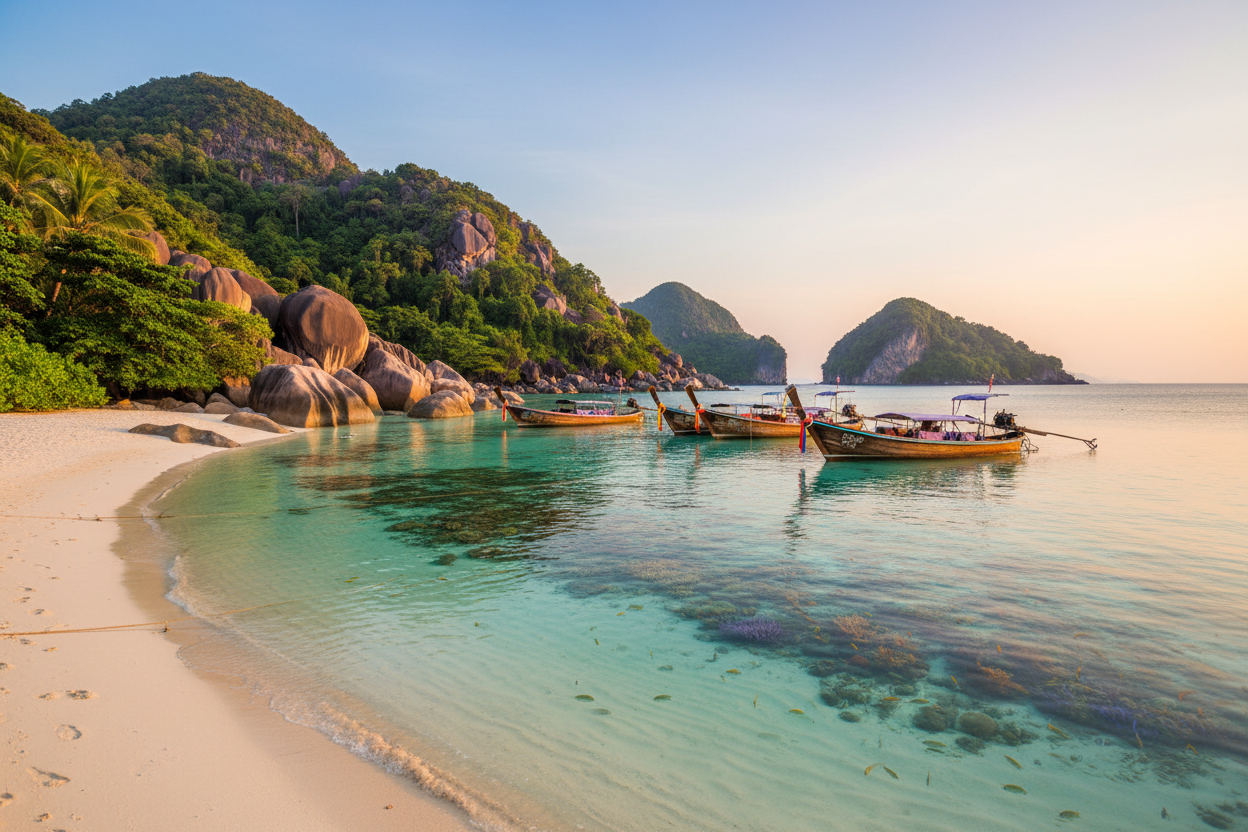
Imagine stepping onto pristine white sand beaches where the only footprints are your own, surrounded by crystal-clear turquoise waters that seem almost too perfect to be real. The Similan Islands, a chain of nine granite islands off Thailand’s west coast, offer exactly this kind of paradise. As someone who’s been fortunate enough to explore these untouched gems multiple times, I can tell you that the Similans represent some of Southeast Asia’s most spectacular natural beauty.
Located approximately 84 kilometers northwest of Phuket in the Andaman Sea, the Similan Islands National Park has been protected since 1982, ensuring that its marine ecosystems and pristine beaches remain largely untouched by mass tourism. The name “Similan” comes from the Malay word “sembilan,” meaning nine, referring to the original nine islands that make up this archipelago.

Best Time to Visit the Similan Islands
Timing your visit to the Similan Islands is crucial for the best experience. The national park operates on a seasonal schedule, typically opening from mid-October to mid-May, coinciding with Thailand’s dry season. During these months, you’ll encounter calm seas, excellent visibility for diving and snorkeling, and minimal rainfall.
The peak season runs from December through March when weather conditions are at their most favorable. However, this also means higher prices and more crowded beaches. If you’re looking for a balance between good weather and fewer tourists, consider visiting during the shoulder months of November or April. The seas are still generally calm, but you’ll have more space to enjoy the islands’ natural beauty.
It’s worth noting that during the monsoon season from May to October, the park closes completely due to rough seas and safety concerns. This closure also allows the marine ecosystem to recover and regenerate, contributing to the islands’ remarkable biodiversity.
Getting to the Similan Islands
Reaching the Similan Islands requires some planning, as there are no airports on the islands themselves. Most visitors start their journey from either Phuket or Khao Lak, with Khao Lak being the closer departure point at just 60 kilometers away.
From Khao Lak, you can catch speedboats or larger tour boats that take approximately 60-90 minutes to reach the islands. The journey from Phuket takes slightly longer, around 90-120 minutes, but offers more departure options and tour packages. Many visitors choose to stay in Khao Lak the night before their trip to ensure an early morning departure and maximize their time on the islands.
Day trips are the most popular option, though overnight camping is possible on certain islands with proper permits. Most tour operators include round-trip transportation, snorkeling equipment, lunch, and national park fees in their packages, making it a convenient option for most travelers.
Top Islands to Explore
Koh Ba Ngu (Island No. 9)
Often considered the crown jewel of the Similan Islands, Koh Ba Ngu features the famous Sailing Boat Rock, a massive granite boulder that has become an iconic symbol of the archipelago. The island offers excellent snorkeling opportunities right off the beach, where you can spot colorful reef fish, sea turtles, and vibrant coral formations.
The hiking trail to the viewpoint provides breathtaking panoramic views of the surrounding islands and is particularly spectacular during sunrise or sunset. The beach itself is pristine white sand bordered by lush tropical vegetation, creating a perfect backdrop for relaxation and photography.
Koh Similan (Island No. 8)
As the largest island in the chain and the park’s headquarters, Koh Similan serves as the main hub for visitors. The island features two distinct beaches: Princess Beach on the south side and Honeymoon Beach on the north. Princess Beach is more developed with visitor facilities, while Honeymoon Beach offers a more secluded experience.
The island’s interior features several hiking trails leading to viewpoints that offer stunning vistas of the entire archipelago. The Donald Duck Bay, named after a rock formation that resembles the famous cartoon character, is particularly popular among families and provides excellent swimming conditions.
Koh Miang (Islands No. 4 and 5)
These twin islands are connected by a narrow strip of sand and offer some of the best camping facilities in the park. Koh Miang is known for its diverse marine life and serves as an important nesting site for sea turtles. The beaches here are less crowded than the main tourist spots, making them perfect for those seeking tranquility.
The snorkeling around these islands is exceptional, with healthy coral reefs and abundant fish species. Night diving here can be particularly rewarding, as you might encounter different marine creatures that come out after dark.
Best Snorkeling and Diving Spots
The Similan Islands are renowned worldwide for their exceptional underwater visibility and diverse marine ecosystems. The waters around the islands offer some of Thailand’s best snorkeling and diving experiences, suitable for both beginners and experienced divers.
East of Eden, located on the eastern side of Island No. 7, is considered one of the premier diving sites in the region. The site features massive granite boulders creating swim-throughs and caverns inhabited by schools of fish, including barracuda, trevally, and reef sharks. The coral formations here are particularly impressive, with both hard and soft corals creating a vibrant underwater landscape.
Elephant Head Rock, situated between Islands No. 7 and 8, is another must-visit diving location. This site is characterized by its unique rock formations that resemble an elephant’s head, creating a maze of underwater channels and caves. Advanced divers will appreciate the site’s challenging currents and the opportunity to spot larger pelagic species.
For snorkelers, the shallow reefs around Island No. 4 provide easy access to colorful coral gardens teeming with tropical fish. The protected waters make this an ideal spot for families and beginners to explore the underwater world safely.
Wildlife and Marine Life
The Similan Islands’ protected status has allowed its ecosystems to flourish, supporting an incredible diversity of marine and terrestrial wildlife. The surrounding waters are home to over 500 species of fish, making every snorkeling or diving excursion a potential wildlife encounter.
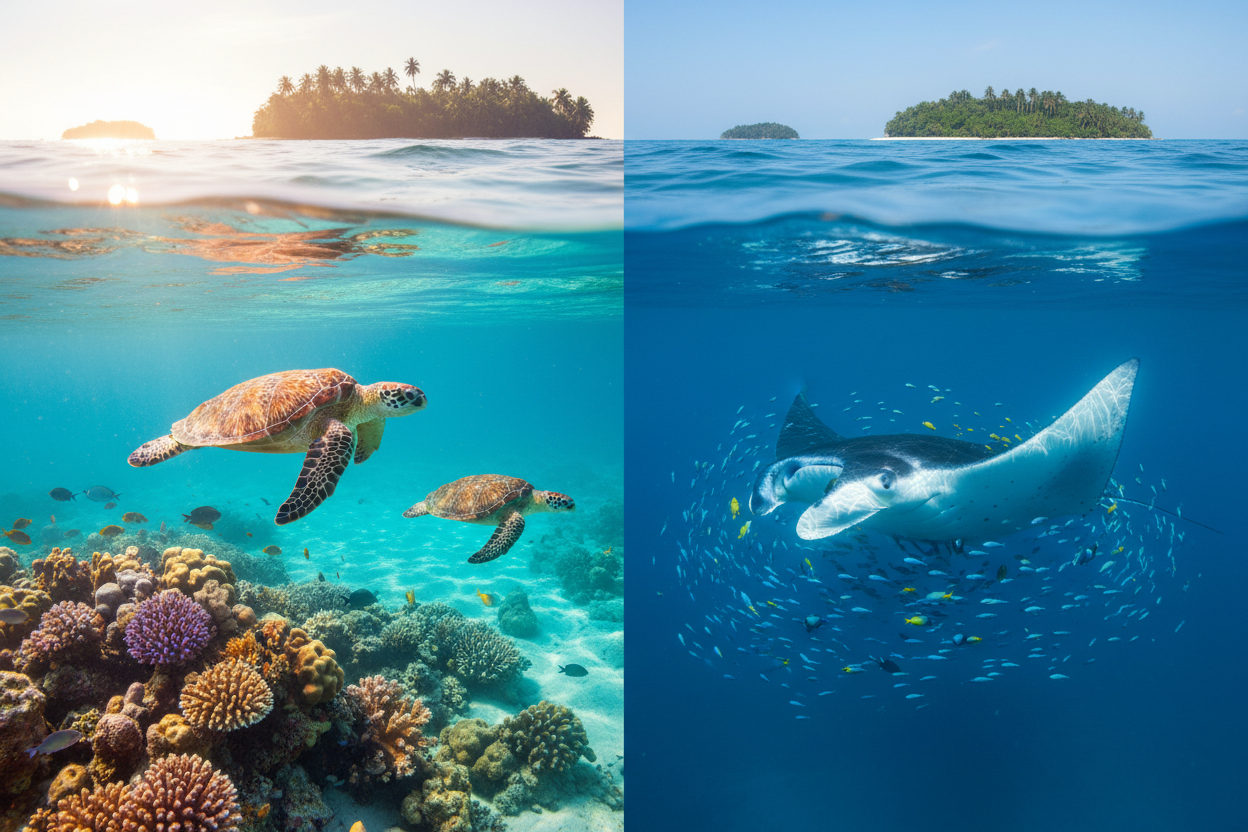
Sea turtles are among the most beloved residents of the Similan Islands. Green turtles and hawksbill turtles frequent the area, and lucky visitors might spot them while snorkeling or even nesting on the beaches during the right season. Manta rays are also occasional visitors to the deeper waters around the islands, particularly at cleaning stations where smaller fish remove parasites from these gentle giants.
The coral reefs themselves are living ecosystems supporting countless species. You’ll encounter colorful parrotfish, angelfish, butterflyfish, and wrasses among the coral formations. Larger predators like reef sharks, barracuda, and giant trevally patrol the deeper waters, while moray eels hide in crevices and caves.
On land, the islands support various bird species, including sea eagles, hornbills, and numerous migratory birds that use the islands as rest stops during their long journeys. The beaches serve as important nesting sites for sea turtles, and visitors during nesting season might witness these ancient mariners coming ashore to lay their eggs.
Essential Packing Tips
Preparing properly for your Similan Islands adventure ensures you’ll have everything needed for a comfortable and enjoyable experience. Since the islands have limited facilities, bringing the right items is crucial for a successful trip.
Sun protection is absolutely essential in this tropical environment. Pack reef-safe sunscreen with high SPF, a wide-brimmed hat, and UV-protective clothing. The tropical sun can be intense, especially when reflected off the water and white sand beaches.
For water activities, consider bringing your own snorkeling mask if you have one, as a properly fitted mask enhances your underwater experience significantly. While most tours provide basic snorkeling equipment, having your own ensures comfort and hygiene. Underwater cameras or waterproof phone cases are invaluable for capturing the incredible marine life and crystal-clear waters.
Comfortable hiking shoes or sturdy sandals are important for exploring the islands’ rocky terrain and hiking trails. The granite rocks can be slippery when wet, so proper footwear helps prevent accidents. Quick-dry clothing and a light rain jacket are also recommended, as tropical weather can be unpredictable.
Accommodation Options
While day trips are the most common way to experience the Similan Islands, overnight options are available for those wanting to fully immerse themselves in this pristine environment. The national park offers basic camping facilities on Islands No. 4 and 8, providing a unique opportunity to experience the islands after the day-trippers have departed.
Camping on the islands requires advance booking through the Department of National Parks, and spaces are limited, especially during peak season. The facilities are basic but functional, including tents, sleeping mats, and shared bathroom facilities. This option allows you to witness spectacular sunrises and sunsets without the crowds and provides opportunities for night snorkeling or simply enjoying the peaceful island atmosphere.
For those preferring more comfortable accommodations, Khao Lak offers numerous resort options ranging from budget guesthouses to luxury beachfront properties. Staying in Khao Lak also provides easy access to other attractions in the area and ensures you can catch the earliest boats to the islands.
Conservation and Responsible Tourism
The pristine condition of the Similan Islands is the result of careful conservation efforts and responsible tourism practices. As visitors, we all play a crucial role in preserving this natural wonder for future generations.
The most important rule when visiting is to leave only footprints and take only memories. This means not collecting shells, coral, or any natural souvenirs from the islands. The marine ecosystem is delicate, and removing even small items can disrupt the natural balance.
When snorkeling or diving, maintain a respectful distance from marine life and avoid touching coral formations. Coral is a living organism that can be easily damaged by human contact, and it takes years to recover from even minor damage. Use reef-safe sunscreen to prevent harmful chemicals from entering the marine environment.
Support tour operators who demonstrate commitment to sustainable practices, such as limiting group sizes, providing environmental briefings, and following established guidelines for wildlife encounters. These operators often contribute to conservation efforts and help ensure the long-term protection of the islands.
The Similan Islands represent one of Thailand’s most precious natural treasures, offering visitors an opportunity to experience untouched tropical paradise. From the iconic granite formations and pristine beaches to the incredible underwater biodiversity, every aspect of these islands creates memories that last a lifetime. Whether you’re an experienced diver seeking world-class underwater adventures or a beach lover looking for pristine shores, the Similan Islands deliver an experience that exceeds expectations. By visiting responsibly and supporting conservation efforts, we can ensure that future generations will also have the opportunity to discover the magic of these extraordinary islands.
 English
Leave a Reply