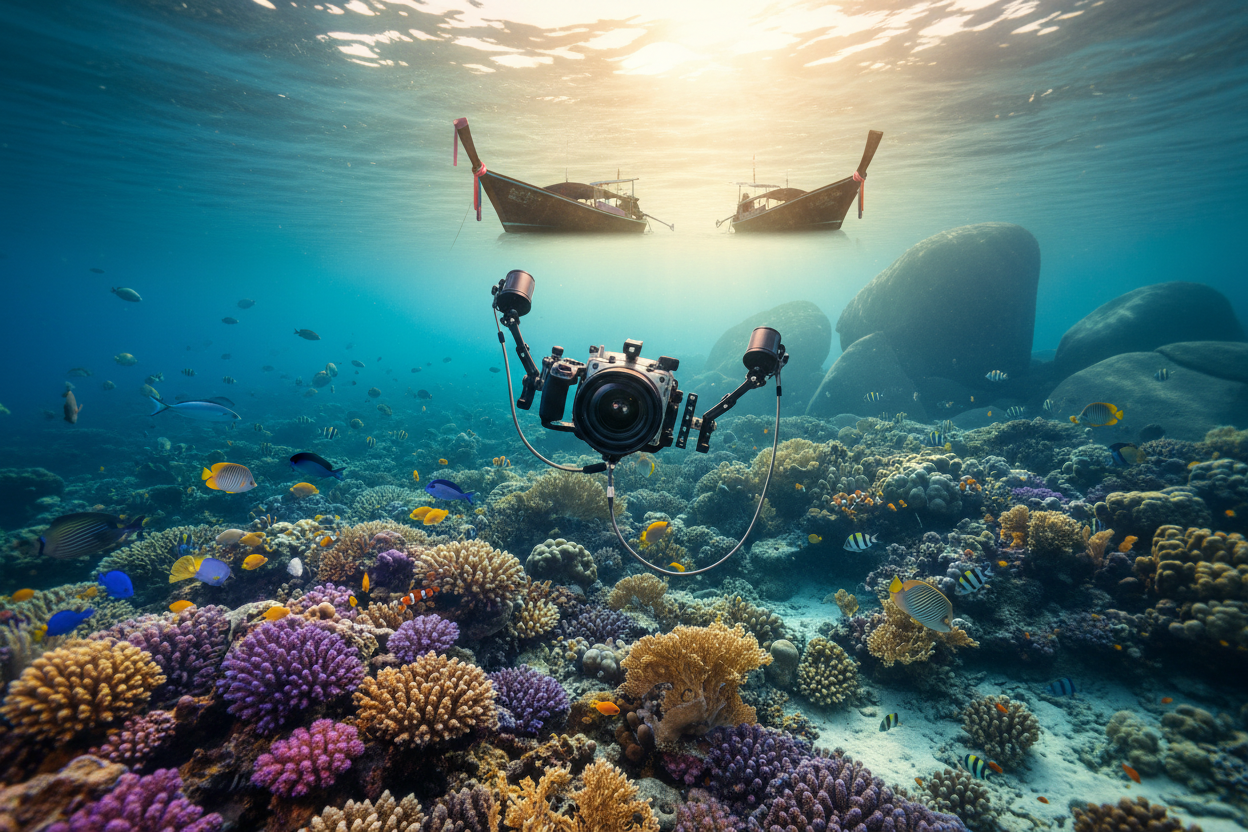
Filming Adventures in Thailand: The Similan Islands
When most people think of Thailand’s filming locations, bustling Bangkok streets or the iconic limestone cliffs of Phuket come to mind. But tucked away in the Andaman Sea lies a hidden gem that’s become increasingly popular among filmmakers and content creators: the Similan Islands. This pristine archipelago offers some of the most spectacular underwater and above-water cinematography opportunities in Southeast Asia, making it a filmmaker’s paradise that remains relatively untouched by mass tourism.
The Similan Islands, consisting of nine granite islands, provide an extraordinary backdrop for adventure documentaries, travel vlogs, and commercial productions. With their crystal-clear waters, diverse marine life, and dramatic rock formations, these islands offer filmmakers a chance to capture nature at its most magnificent. Whether you’re shooting underwater sequences or aerial footage, the Similans deliver visual storytelling opportunities that are simply unmatched.
Why the Similan Islands Are Perfect for Filming
The Similan Islands stand out as a filming destination for several compelling reasons. First and foremost, the water visibility here regularly exceeds 30 meters, creating ideal conditions for underwater cinematography. The granite boulders that characterize these islands create dramatic compositions both above and below the waterline, offering filmmakers natural sets that would be impossible to replicate in a studio.
What makes filming here particularly special is the incredible biodiversity. The waters surrounding these islands are home to manta rays, whale sharks, sea turtles, and countless species of tropical fish. For wildlife documentarians, this represents a treasure trove of content that can be captured in a relatively small geographic area. The contrast between the pristine white sand beaches and the deep blue waters creates stunning visual dynamics that translate beautifully on camera.
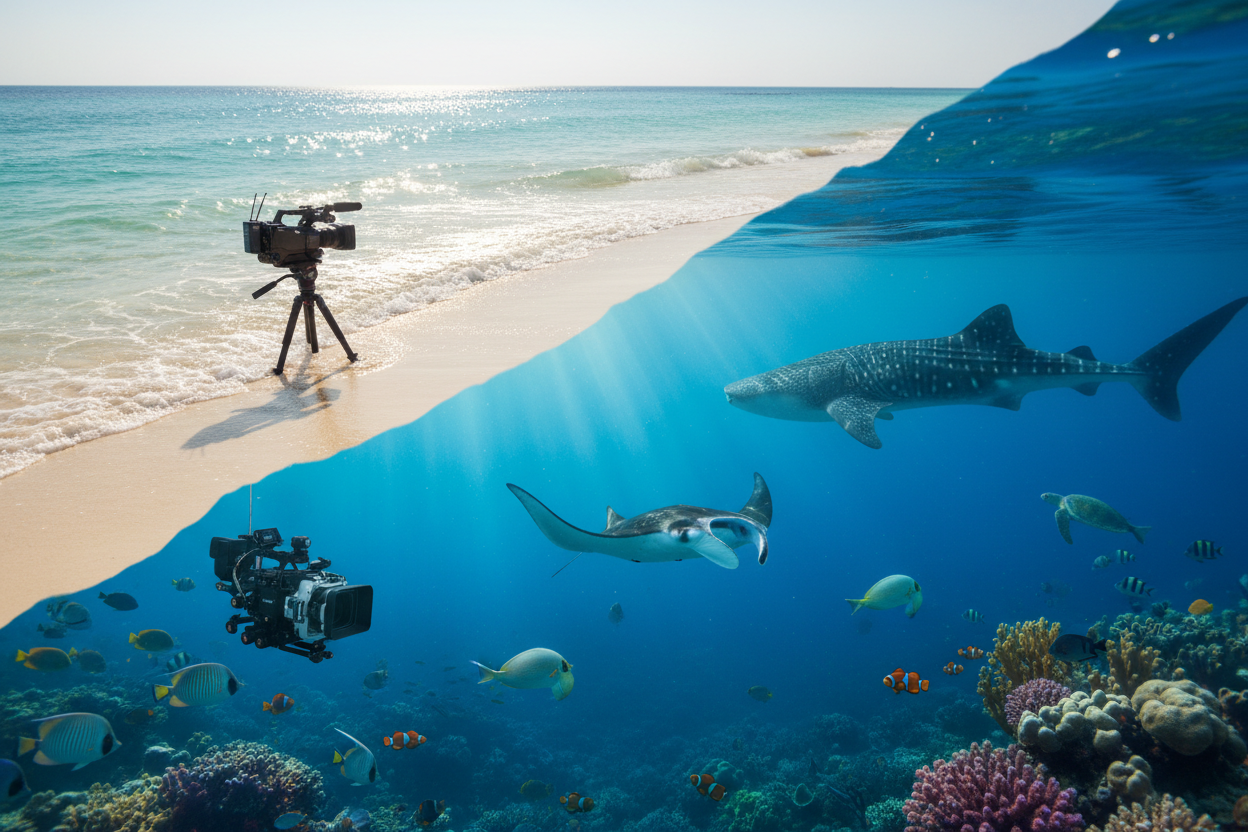
The seasonal nature of access to the Similan Islands also works in filmmakers’ favor. Open only from October to May, the islands maintain their pristine condition, ensuring that every shot captures unspoiled natural beauty. This limited access period coincides with the best weather conditions and calmest seas, making it ideal for both surface and underwater filming operations.
Essential Equipment for Similan Islands Filming
Filming in the Similan Islands requires specialized equipment that can handle both marine and tropical conditions. Underwater housing for cameras is absolutely essential, and investing in high-quality waterproof cases will protect your equipment from the saltwater environment. Professional underwater cinematographers often recommend housing systems that can withstand depths of at least 40 meters, even if you’re planning to stay in shallower waters.
For aerial footage, drones have revolutionized filming possibilities around the Similans. The bird’s-eye perspective of these islands reveals patterns and colors that are impossible to appreciate from ground level. However, it’s crucial to check current drone regulations in Thai national parks, as rules can change and vary between different areas of the archipelago.
Lighting equipment becomes particularly important for underwater work. The deeper you go, the more natural light gets filtered out, particularly red wavelengths. Underwater LED panels or strobes can help restore natural colors and create dramatic lighting effects. Many filmmakers also bring color correction filters to compensate for the blue-green tint that dominates underwater environments.
Don’t forget about backup equipment and waterproof storage solutions. The marine environment can be unforgiving to electronics, and being prepared with backup cameras, batteries, and memory cards can save your entire production if something goes wrong with your primary equipment.
Best Filming Locations Within the Similan Islands
Each of the nine Similan Islands offers unique filming opportunities, but some locations stand out as particularly spectacular for cinematography. Island Number 8, known as Koh Similan, features the famous Sail Rock formation. This massive granite boulder creates a dramatic silhouette against the sky and provides excellent opportunities for both sunrise and sunset photography.
For underwater filming, the dive sites around Elephant Head Rock offer some of the most diverse marine life encounters. The swim-throughs and caverns created by the granite formations provide natural framing for underwater shots, while the abundance of fish life ensures dynamic, ever-changing compositions.
Island Number 4, or Koh Miang, provides excellent beach filming opportunities with its pristine white sand and clear turquoise waters. The contrast here is particularly striking for aerial footage, and the relatively protected bay offers calmer conditions for water-level filming.
The deeper dive sites like Richelieu Rock, while technically outside the main island group, offer incredible opportunities for filming larger marine life. This submerged seamount is famous for whale shark encounters and provides some of the most dramatic underwater footage possibilities in the entire region.
Navigating Permits and Regulations
Filming in the Similan Islands requires careful attention to Thai national park regulations and permit requirements. The islands are part of the Mu Ko Similan National Park, which means commercial filming activities typically require advance permission from the Department of National Parks, Wildlife and Plant Conservation.
For professional productions, it’s advisable to work with local fixers or production companies who understand the permit process. They can help navigate the bureaucracy and ensure all necessary permissions are obtained before your filming dates. The permit process can take several weeks, so planning well in advance is essential.
Environmental protection is taken seriously in the Similans, and filming permits often come with specific conditions about equipment use, group sizes, and areas that can be accessed. Drone usage, in particular, may be restricted in certain areas or during specific times to protect nesting seabirds or other wildlife.
It’s also worth noting that the islands have limited infrastructure, so any filming operation needs to be largely self-sufficient. This means planning for power generation, equipment storage, and waste management as part of your production logistics.
Challenges and Solutions for Island Filming
Filming in the Similan Islands presents unique challenges that require creative solutions. The remote location means that equipment failures or forgotten items can’t be easily remedied with a quick trip to a camera store. Thorough pre-production planning and comprehensive equipment lists become absolutely critical.
Weather conditions can change rapidly in tropical marine environments. Sudden storms or high winds can ground drone operations or make boat travel dangerous. Building flexibility into your filming schedule and having backup shooting plans for different weather scenarios will help ensure you capture the footage you need.
Power management becomes a significant concern when filming in remote locations without reliable electricity. Solar charging systems, high-capacity battery banks, and portable generators may all be necessary depending on the scale and duration of your production. Many filmmakers find that power consumption planning is just as important as shot planning when working in the Similans.
The saltwater environment is particularly harsh on equipment. Regular cleaning and maintenance of cameras, lenses, and other gear becomes a daily necessity. Silica gel packets and proper equipment drying procedures can help prevent moisture damage that could ruin expensive filming equipment.
Working with Local Communities and Guides
The success of any filming project in the Similan Islands often depends on building good relationships with local boat operators, dive guides, and park rangers. These individuals possess invaluable local knowledge about weather patterns, marine life behavior, and the best times to visit specific locations.
Local dive guides can be particularly helpful for underwater filming, as they know where to find specific species and understand the behavioral patterns of marine life. Their expertise can help you position cameras for the best shots while ensuring the safety of both your crew and the marine environment.
Working with experienced boat captains is essential for moving equipment and crew between islands safely. The waters around the Similans can be challenging to navigate, and local knowledge of currents, weather patterns, and safe anchorage spots is invaluable for any filming operation.
Many local operators are also passionate about conservation and can provide insights into environmental storytelling angles that might enhance your production. Their perspectives on changes they’ve observed over years of working in these waters can add depth and authenticity to documentary projects.
Post-Production Considerations
The unique lighting conditions and underwater environments of the Similan Islands create specific post-production considerations. Underwater footage often requires color correction to restore the reds and oranges that get filtered out by water. Understanding how to work with these color shifts in post-production can dramatically improve the final quality of your footage.
The high contrast between the bright tropical sun and the deep shadows created by rock formations may require careful exposure planning and HDR techniques. Shooting in RAW format becomes particularly important in these challenging lighting conditions, as it provides maximum flexibility for exposure adjustments in post-production.
Sound design also plays a crucial role in bringing Similan Islands footage to life. The underwater world has its own unique soundscape, and capturing quality underwater audio or creating convincing sound effects in post-production can greatly enhance the viewer’s immersion in your footage.
Conclusion
Filming in the Similan Islands offers an extraordinary opportunity to capture some of the world’s most pristine marine environments and stunning tropical landscapes. While the remote location and challenging conditions require careful planning and specialized equipment, the visual rewards are unparalleled. From the crystal-clear waters perfect for underwater cinematography to the dramatic granite formations that create natural amphitheaters, the Similans provide filmmakers with a canvas that’s both beautiful and challenging.
Success in filming these islands comes down to thorough preparation, respect for the environment, and flexibility in the face of changing conditions. By working closely with local experts, obtaining proper permits, and bringing the right equipment, filmmakers can capture footage that showcases one of Thailand’s most spectacular natural treasures. Whether you’re creating a travel documentary, commercial content, or artistic film project, the Similan Islands offer visual storytelling opportunities that will leave both you and your audience breathless.
The key to a successful filming adventure in the Similans is remembering that you’re working in one of the world’s most precious marine ecosystems. By approaching your project with respect for the environment and local communities, you’ll not only capture incredible footage but also contribute to the ongoing conservation efforts that keep these islands pristine for future generations of filmmakers and nature lovers alike.
 English
Leave a Reply