Thailand’s Hidden Treasures: Unexplored Corners of the Similan Islands
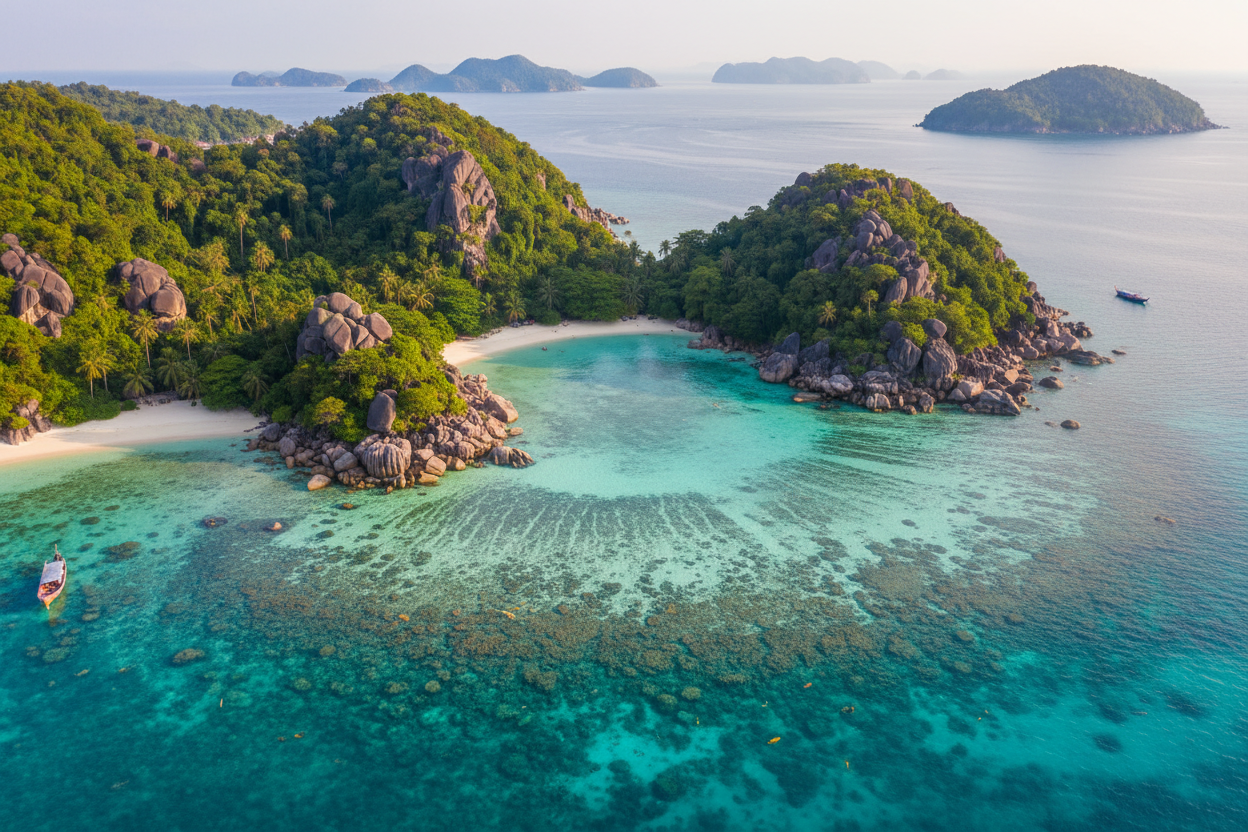
When most travelers think of Thailand’s pristine marine destinations, the Similan Islands immediately come to mind. Yet beyond the well-trodden paths and popular dive sites, this archipelago harbors secrets that even seasoned adventurers haven’t discovered. These nine granite islands, scattered like emeralds across the Andaman Sea, offer far more than their famous underwater landscapes suggest.
While crowds flock to the main attractions, a world of untouched beauty awaits those willing to venture beyond the obvious. From hidden lagoons accessible only during specific tidal conditions to secluded beaches where your footprints might be the first in weeks, the Similan Islands’ lesser-known corners promise experiences that feel genuinely untouched by mass tourism.
Beyond the Famous Dive Sites: Secret Underwater Worlds
The Similan Islands’ reputation as a world-class diving destination often overshadows their hidden underwater treasures. While sites like Elephant Head Rock and Richelieu Rock draw international acclaim, several lesser-known dive spots offer equally spectacular experiences without the crowds.
Deep Six, located between islands four and five, remains largely overlooked despite hosting some of the archipelago’s most diverse marine life. This underwater pinnacle rises from depths of over 60 meters, creating unique current patterns that attract both pelagic species and smaller reef fish. The site’s challenging conditions mean it’s rarely visited by recreational divers, making it a sanctuary for undisturbed marine ecosystems.
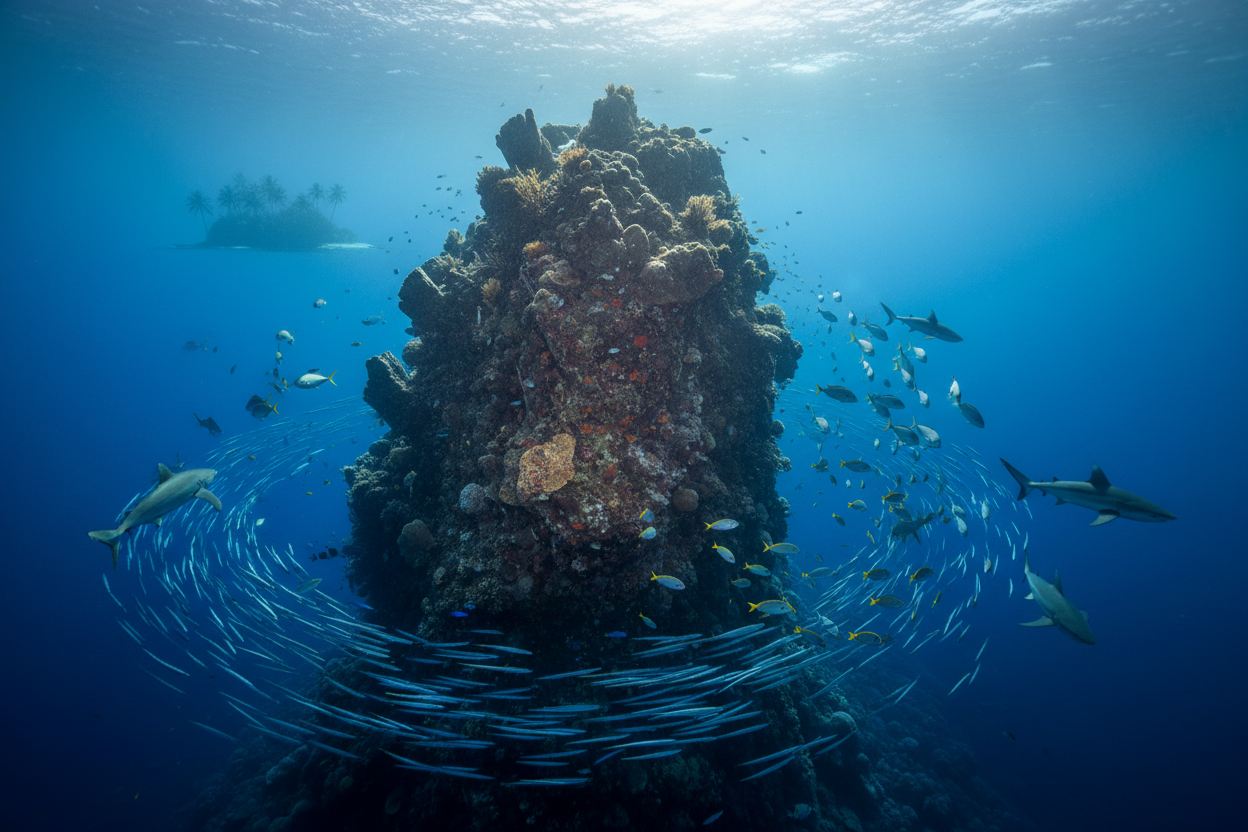
Christmas Point, another hidden gem, offers a completely different diving experience. This gentle slope on the eastern side of Island Nine features an intricate coral garden that seems almost artificially designed in its perfection. The site’s protection from prevailing currents has allowed delicate soft corals to flourish, creating an underwater landscape that resembles a living painting.
Secluded Beaches Where Time Stands Still
The Similan Islands’ beaches are legendary, but most visitors only experience the designated swimming areas near the main landing points. Venture beyond these zones, and you’ll discover stretches of sand that feel like private paradises.
On Island Eight, a narrow trail leads through dense vegetation to a small cove on the island’s western shore. This beach, barely 50 meters long, remains completely hidden from the main tourist areas. The approach requires a moderate hike through tropical forest, but the reward is a pristine stretch of white sand framed by towering granite boulders and crystal-clear water.
Island Four harbors perhaps the most spectacular hidden beach in the entire archipelago. Accessible only during low tide through a narrow channel between massive rocks, this secluded bay offers complete privacy and some of the clearest water you’ll find anywhere in Thailand. The beach’s isolation means it’s rarely visited, even during peak season, making it perfect for those seeking solitude.
Granite Formations and Hidden Caves
The Similan Islands’ distinctive granite formations create more than just stunning scenery—they hide a network of caves, tunnels, and secret passages that few visitors ever explore. These geological wonders formed over millions of years, creating landscapes that seem almost otherworldly.
The most remarkable of these hidden formations lies on Island Seven, where a series of connected caves extends deep into the island’s interior. Unlike the famous Sailing Rock formation that attracts photographers from around the world, these caves remain largely unknown. The main chamber, accessible through a narrow entrance hidden behind vegetation, opens into a cathedral-like space where filtered sunlight creates an ethereal atmosphere.
Island Three features an entirely different type of geological wonder—a natural arch formation that can only be reached by swimming through a partially submerged tunnel. The journey requires careful timing with the tides, but those who make the swim are rewarded with access to a hidden lagoon completely enclosed by granite walls.
Wildlife Encounters Off the Beaten Path
While the Similan Islands are famous for their marine life, the terrestrial ecosystems of these remote islands harbor surprising biodiversity. The less-visited islands provide sanctuary for species that have learned to avoid human contact on the more popular destinations.
Island Six, often skipped by tour groups due to its lack of easy beach access, hosts one of the archipelago’s most intact forest ecosystems. Here, troops of long-tailed macaques move through the canopy undisturbed, while monitor lizards bask on sun-warmed rocks far from human interference. The island’s interior trails, unmarked and challenging, lead to viewpoints that offer panoramic vistas of the entire archipelago.
The waters surrounding the lesser-visited islands also provide opportunities for unique wildlife encounters. Manta rays frequently visit cleaning stations near Island Two’s northern tip, but this site sees a fraction of the traffic compared to the famous cleaning stations elsewhere in the region. Patient observers often witness behavior rarely seen at busier locations, as the animals remain relaxed and natural in their movements.
Seasonal Secrets and Timing Your Visit
Understanding the Similan Islands’ seasonal patterns reveals access to experiences impossible during peak tourist periods. The islands officially close during monsoon season from May to October, but the shoulder seasons offer unique opportunities for discovery.
Early season visits in November often provide access to areas still recovering from the monsoon closure. During this time, marine life congregates in higher densities around the islands, and the absence of diving pressure for several months means fish behavior remains more natural. The weather can be unpredictable, but clear days offer some of the year’s best visibility and calmest conditions.
Late season visits in April present different advantages. While temperatures run higher and crowds increase, this period coincides with optimal conditions for accessing some of the more challenging hidden sites. Low tide cycles during April often expose passages and beaches that remain underwater during other times of the year.
Responsible Exploration of Hidden Areas
Discovering the Similan Islands’ hidden treasures comes with significant responsibility. These areas remain pristine precisely because they see limited human impact, and maintaining their condition requires conscious effort from every visitor.
When exploring unmarked trails or hidden beaches, the principle of leaving no trace becomes even more critical. The ecosystems in these areas are often more fragile than those in heavily visited locations, having developed without the pressure of constant human presence. Simple actions like staying on existing paths, avoiding contact with marine life, and carrying out all waste can mean the difference between preservation and degradation.
Photography in these hidden locations requires special consideration. While the temptation to share discoveries on social media is understandable, revealing specific locations or access methods can quickly transform a pristine site into another crowded destination. Many experienced explorers advocate for sharing the beauty of these places while keeping their exact locations confidential.
Planning Your Hidden Similan Adventure
Accessing the Similan Islands’ hidden treasures requires more planning than a typical tourist visit. Standard day tours focus on the main attractions and don’t allow time for exploration of remote areas. Multi-day liveaboard trips provide better opportunities, but even these often follow established itineraries.
The most effective approach involves working with local guides who know the islands intimately. These professionals understand tidal patterns, weather conditions, and access routes that make hidden site visits possible. However, finding guides willing to venture beyond standard routes requires research and often personal recommendations from other adventurous travelers.
Equipment considerations differ significantly from typical beach visits. Exploring hidden areas often requires sturdy footwear for rocky terrain, waterproof bags for electronics, and sometimes basic climbing gear for accessing elevated viewpoints. Snorkeling equipment is essential, as many of the most spectacular hidden sites are only accessible from the water.
Conclusion
The Similan Islands’ hidden treasures represent some of Southeast Asia’s last truly pristine marine and terrestrial environments. These secret corners offer experiences that feel increasingly rare in our connected world—moments of genuine discovery and solitude that remind us why we travel in the first place.
Yet with discovery comes responsibility. The very qualities that make these hidden areas special—their untouched nature and absence of infrastructure—also make them vulnerable to damage. Each visitor to these secret places becomes a guardian of their preservation, carrying the responsibility to ensure future generations can experience the same sense of wonder and discovery.
For those willing to venture beyond the established paths, the Similan Islands’ hidden corners promise rewards that extend far beyond typical tourist experiences. These are places where the boundary between adventure and reverence blurs, where natural beauty exists in its purest form, and where the true spirit of exploration still thrives in an increasingly mapped world.
 English
Leave a Reply