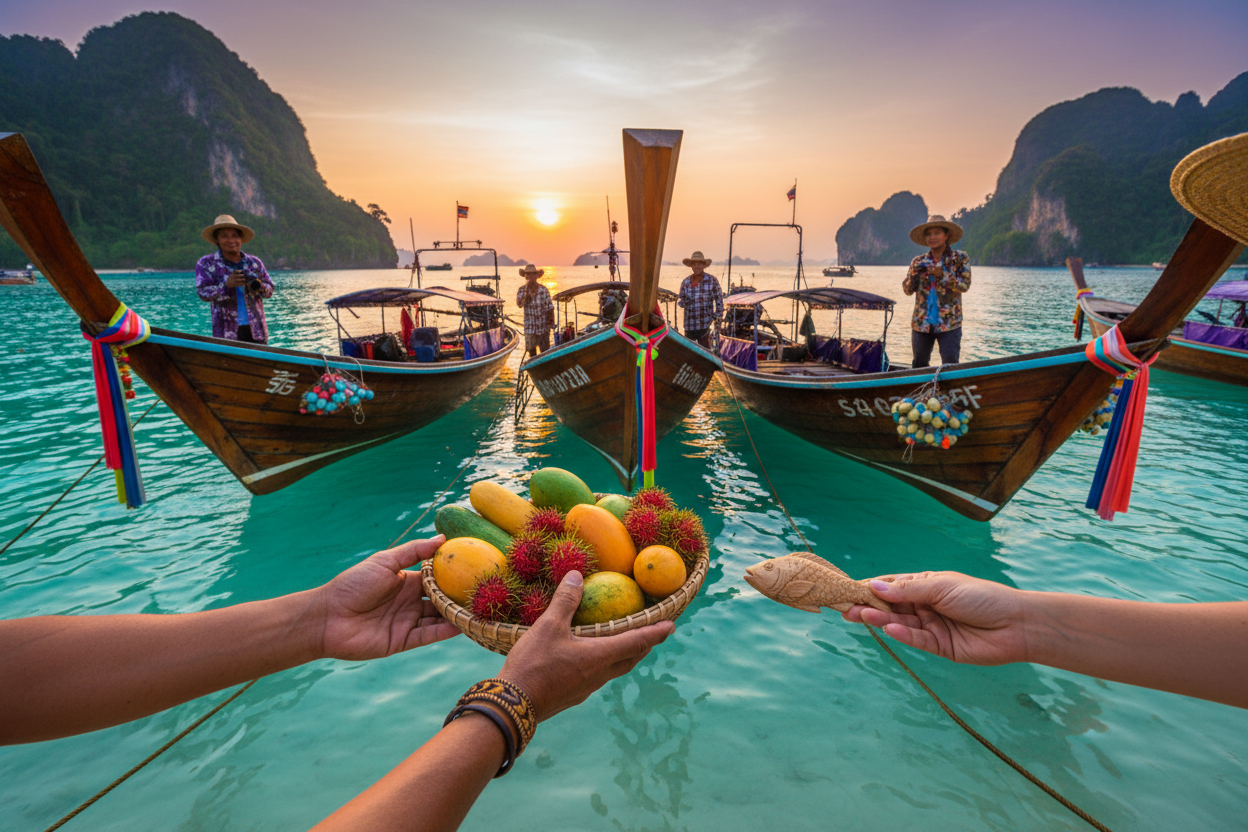
Cultural Insights: Meeting the Locals in the Similan Islands
The Similan Islands, a pristine archipelago off Thailand’s west coast, are renowned worldwide for their crystal-clear waters and vibrant marine life. While most visitors come for the exceptional diving and snorkeling opportunities, those who take time to connect with the local communities discover an equally rich cultural tapestry that adds profound depth to their island experience.
Beyond the postcard-perfect beaches and underwater wonderlands lies a fascinating blend of cultures, traditions, and stories that have shaped these islands for generations. From the indigenous Moken sea nomads to the Thai-Chinese fishing families who’ve called these waters home, the Similan Islands offer travelers a unique opportunity to witness authentic island life that remains largely untouched by mass tourism.
The Moken People: Guardians of the Sea
The most remarkable cultural encounter in the Similan Islands comes through meeting the Moken people, often called “sea gypsies” by outsiders. These indigenous maritime nomads have navigated the Andaman Sea for over a thousand years, developing an intimate relationship with the ocean that surpasses anything found in textbooks.
What makes the Moken truly extraordinary is their almost supernatural understanding of marine environments. Children learn to dive before they can properly walk, and adults can hold their breath underwater for several minutes while hunting for sea cucumbers, pearls, and fish. Their traditional boats, called kabang, are masterpieces of practical design, serving as both transportation and temporary homes during extended fishing expeditions.

During my conversations with Moken elders, I was struck by their philosophical approach to ocean stewardship. They don’t see themselves as separate from the marine ecosystem but rather as integral participants in its delicate balance. This worldview has resulted in sustainable fishing practices that have preserved the region’s biodiversity for centuries.
The Moken language itself reflects this deep connection to the sea, containing dozens of words for different wave conditions, wind patterns, and fish behaviors that have no equivalent in other languages. Spending time with these remarkable people offers visitors insights into a way of life that prioritizes harmony with nature over material accumulation.
Thai-Chinese Fishing Communities: Bridging Traditions
The islands are also home to vibrant Thai-Chinese fishing communities whose ancestors migrated from southern China several generations ago. These families have created a unique cultural fusion that blends Chinese traditions with Thai island life, resulting in fascinating customs, cuisine, and celebrations that you won’t find anywhere else.
Walking through the small fishing villages on inhabited islands like Koh Similan, visitors can observe daily life that revolves around the rhythm of the tides. Early mornings bring the return of fishing boats loaded with the night’s catch, while afternoons are dedicated to net repair, boat maintenance, and family time.
The local cuisine represents perhaps the most delicious aspect of this cultural fusion. Thai-Chinese island cooking incorporates fresh seafood with traditional Chinese techniques and Thai spices, creating dishes that are both familiar and surprisingly unique. Local specialties include steamed fish with ginger and soy sauce, spicy tom yum soup made with just-caught prawns, and various curries that showcase the islands’ abundant coconut palms.
These communities have also maintained traditional Chinese festivals and ceremonies, adapted for island life. The annual Ghost Festival, for example, includes boat processions and floating offerings that honor ancestors while asking for protection during dangerous fishing expeditions.
Traditional Island Crafts and Skills
Meeting local artisans reveals the practical creativity that island life demands. Skilled craftspeople create everything from fishing nets and boat parts to decorative items using materials sourced entirely from their island environment.
Watching a master boat builder work with traditional tools is particularly mesmerizing. These craftsmen can assess a piece of driftwood and envision its perfect role in a vessel’s construction, using techniques passed down through generations. The boats they create are not just functional but beautiful, with graceful lines that seem to dance across the water’s surface.
Local women often specialize in weaving and textile work, creating colorful sarongs, fishing nets, and decorative items from coconut fibers and other natural materials. These skills serve practical purposes but also preserve cultural identity, with patterns and techniques that tell stories of family history and island traditions.
Pearl diving represents another traditional skill that continues to this day, though it’s now more sustainable and selective than historical practices. Local divers can identify promising oyster beds and harvest pearls without damaging the marine ecosystem, demonstrating the sophisticated environmental knowledge that characterizes island communities.
Religious and Spiritual Practices
The spiritual life of Similan Islands communities reflects their deep connection to both land and sea. Buddhism provides the primary religious framework, but it’s practiced with unique island adaptations that incorporate maritime traditions and local beliefs.
Small Buddhist temples on the islands serve as community centers where residents gather for festivals, ceremonies, and important life events. These temples often feature maritime motifs in their decorations, with carved fish, waves, and boats adorning traditional Buddhist symbols.
Spirit houses, common throughout Thailand, take on special significance in island communities. Local versions often include offerings related to sea safety and fishing success, with residents regularly presenting flowers, incense, and food to ensure protection during ocean expeditions.
The Moken people maintain their own spiritual practices that center on respect for sea spirits and natural forces. Their ceremonies often involve boat blessings, seasonal celebrations that mark important fishing periods, and rituals that maintain harmony between human activities and marine life.
Language and Communication
Communicating with locals in the Similan Islands presents interesting challenges and rewards. While standard Thai serves as the common language, many residents speak regional dialects influenced by their maritime lifestyle and cultural backgrounds.
The Moken language, unfortunately endangered, contains invaluable knowledge about marine environments and traditional practices. Efforts to preserve this linguistic heritage are ongoing, with some community leaders working to document traditional stories, songs, and technical knowledge before they’re lost forever.
Many fishing families speak Chinese dialects alongside Thai, creating a multilingual environment where conversations often switch between languages depending on the topic and participants. Visitors who make an effort to learn basic Thai phrases often find locals extremely welcoming and eager to share their knowledge and stories.
Non-verbal communication also plays a crucial role in island interactions. Hand signals used during fishing expeditions, traditional gestures of respect, and maritime sign language create rich layers of meaning that enhance verbal communication.
Challenges and Cultural Preservation
Meeting locals in the Similan Islands also reveals the challenges these communities face in preserving their traditional ways of life. Environmental changes, tourism pressure, and economic modernization all impact traditional practices and cultural continuity.
Climate change affects fishing patterns and marine ecosystems that communities have depended on for generations. Rising sea levels and changing weather patterns force adaptations to traditional practices, while ocean acidification impacts the marine life that forms the foundation of local economies.
Tourism, while providing economic opportunities, also brings cultural pressures. Younger generations often face difficult choices between preserving traditional skills and pursuing modern education and career opportunities. Some families worry about losing cultural knowledge as young people migrate to mainland cities for work and education.
However, there are encouraging signs of cultural resilience and adaptation. Some communities are developing eco-tourism initiatives that allow visitors to learn about traditional practices while providing sustainable income for local families. These programs help preserve cultural knowledge while creating economic incentives for cultural continuity.
Respectful Cultural Engagement
For travelers interested in meaningful cultural encounters, approaching local communities with respect and genuine curiosity opens doors to extraordinary experiences. Simple gestures like learning basic Thai greetings, showing interest in traditional practices, and following local customs demonstrate respect that locals deeply appreciate.
Participating in daily activities, when invited, provides authentic insights into island life. Helping with fishing net repairs, joining morning market visits, or sharing meals with local families creates connections that transcend language barriers and cultural differences.
Supporting local businesses and craftspeople directly benefits communities while providing visitors with unique, meaningful souvenirs. Purchasing handmade items, hiring local guides, and choosing community-based tourism options help ensure that cultural preservation efforts receive practical support.
Photography requires particular sensitivity, especially when documenting traditional practices or religious ceremonies. Always asking permission and respecting wishes when photography is declined shows cultural awareness that locals notice and appreciate.
Conclusion
Meeting the locals in the Similan Islands transforms a simple beach vacation into a profound cultural journey that challenges preconceptions and creates lasting memories. These encounters reveal the sophisticated knowledge, rich traditions, and remarkable resilience of communities that have thrived in one of the world’s most beautiful yet challenging environments.
The Moken people, Thai-Chinese fishing families, and other island residents offer visitors glimpses into sustainable ways of life that prioritize community, environmental stewardship, and cultural continuity over material accumulation. Their stories, skills, and perspectives provide valuable lessons for anyone interested in understanding how human communities can thrive in harmony with natural environments.
As the Similan Islands continue to attract international attention for their natural beauty, supporting and learning from local communities becomes increasingly important. These cultural encounters not only enrich individual travel experiences but also contribute to the preservation of unique ways of life that represent invaluable human heritage.
The next time you find yourself in the Similan Islands, take time to look beyond the stunning scenery and dive sites. Seek out opportunities to meet locals, learn about their traditions, and contribute to the preservation of cultural practices that have sustained these communities for generations. You’ll discover that the islands’ greatest treasures aren’t found underwater but in the wisdom, warmth, and resilience of the people who call this paradise home.
 English
Leave a Reply