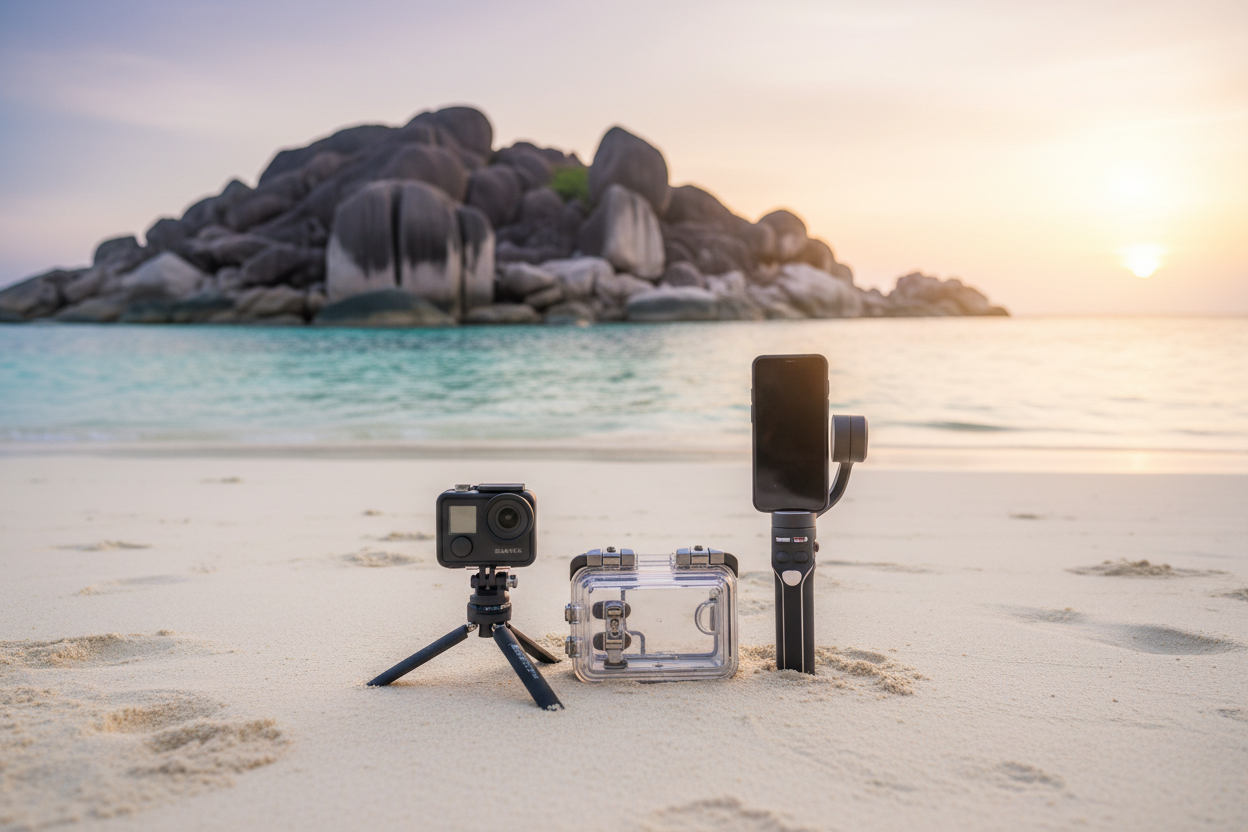
Travel Vlog Essentials: Filming in the Similan Islands
Picture this: crystal-clear turquoise waters stretching endlessly toward the horizon, pristine white sand beaches that look like they’ve been painted by nature itself, and underwater worlds so vibrant they seem almost surreal. Welcome to the Similan Islands, Thailand’s crown jewel of marine national parks and quite possibly one of the most photogenic destinations on Earth for travel vloggers.
I’ve been creating travel content for over five years, and I can honestly say that filming in the Similan Islands presents both incredible opportunities and unique challenges. The stunning natural beauty practically films itself, but the remote location and marine environment require careful planning and specialized equipment. Whether you’re a seasoned content creator or just starting your vlogging journey, this comprehensive guide will help you capture the magic of these islands while navigating the practical realities of filming in paradise.
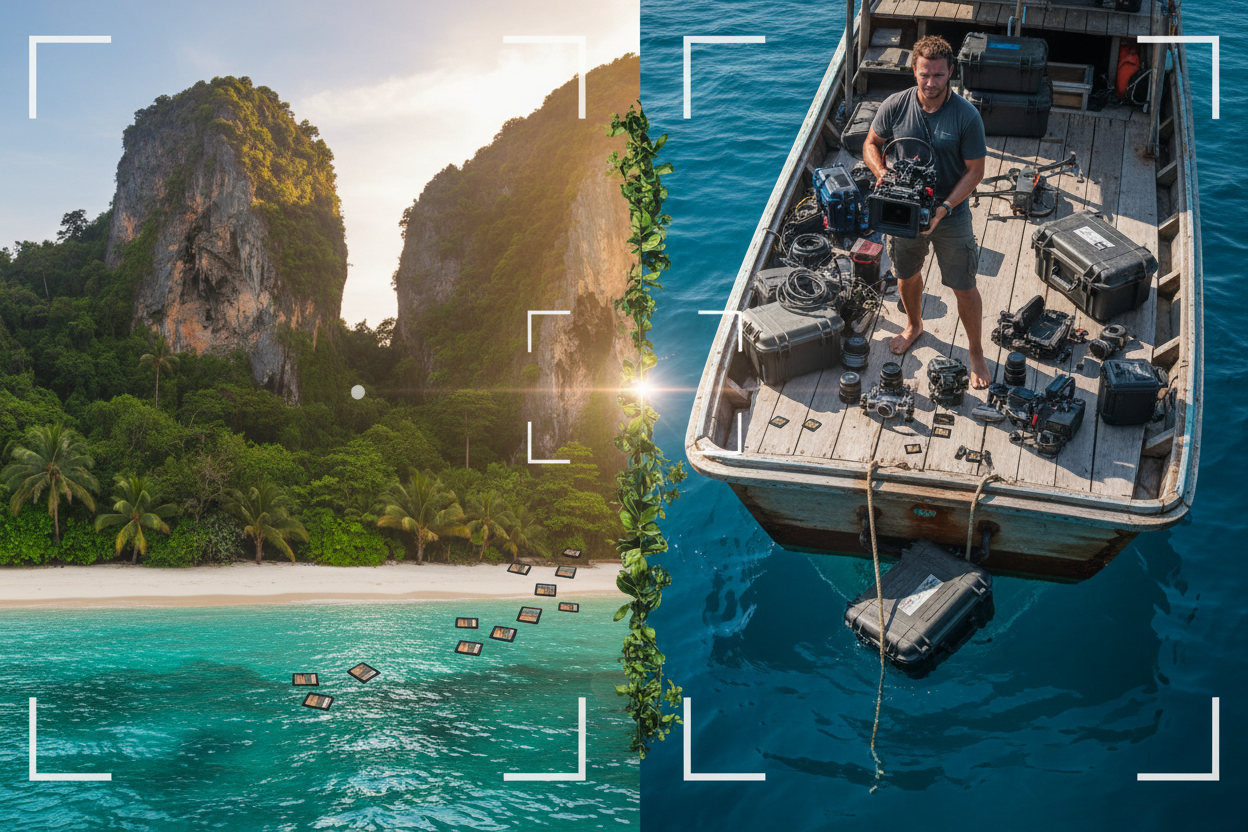
Understanding the Similan Islands Environment
Before diving into equipment lists and filming techniques, it’s crucial to understand what makes the Similan Islands special – and challenging – for content creators. This archipelago of eleven islands sits about 70 kilometers northwest of Phuket in the Andaman Sea, and it’s been a protected national park since 1982.
The islands are only accessible during the dry season, typically from October to May, when the monsoons subside and the seas calm down. This seasonal accessibility means you’re working within a limited timeframe, but it also ensures you’ll encounter the best weather conditions for filming. The water visibility can reach up to 40 meters on good days, making it a underwater videographer’s dream.
What really sets the Similans apart is their dual personality. Above water, you’ll find dramatic granite boulder formations, lush tropical vegetation, and beaches that look like they belong in a screensaver. Below the surface lies one of the world’s most biodiverse marine ecosystems, with everything from tiny nudibranchs to massive whale sharks calling these waters home.
Essential Camera Equipment for Island Filming
When it comes to filming in the Similan Islands, your equipment choices can make or break your content. The combination of intense tropical sun, salt water, humidity, and sand creates a challenging environment for any camera gear.
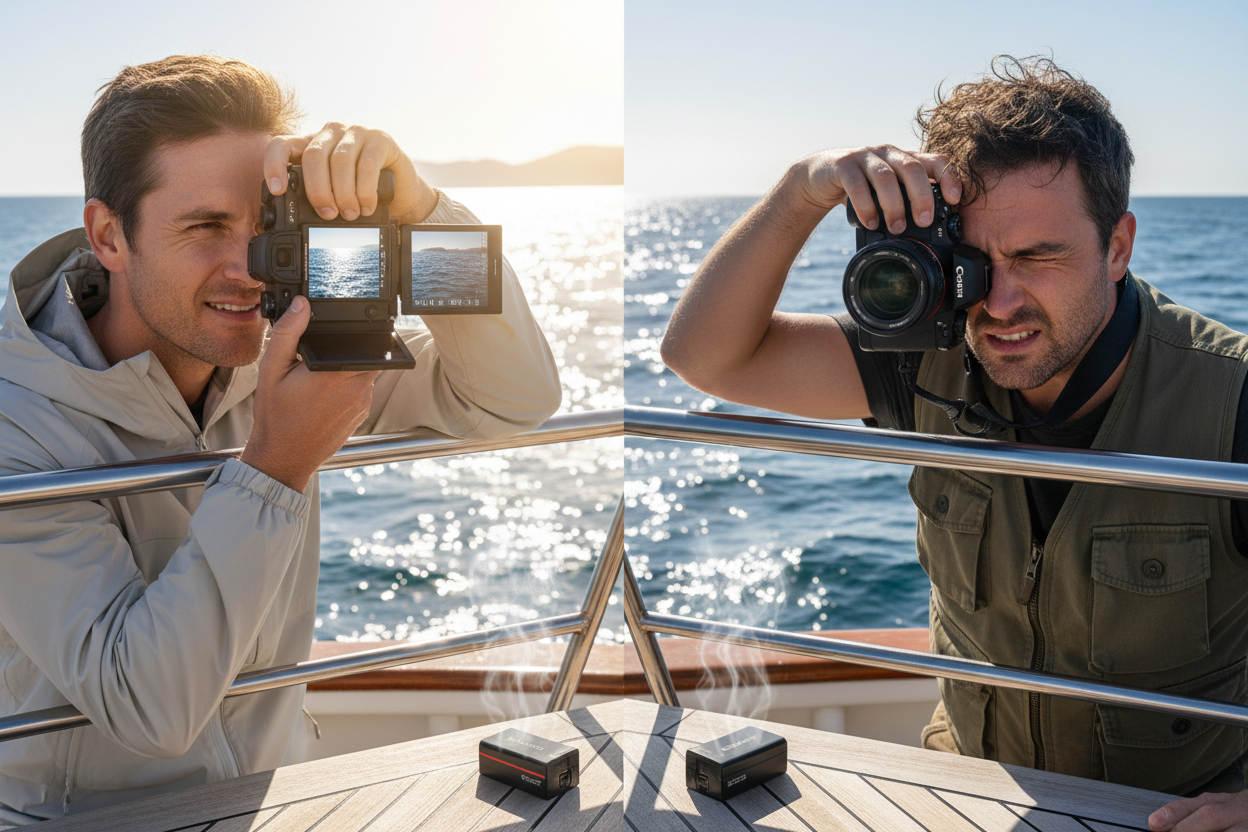
For your primary camera, I highly recommend a mirrorless system with excellent image stabilization. The Sony A7 series or Canon EOS R lineup work exceptionally well in these conditions. Their compact size makes them easier to handle on boats, and the electronic viewfinders perform better in bright sunlight than traditional optical systems. Pack at least two batteries per camera – the heat drains them faster than you’d expect.
Your lens selection should prioritize versatility and weather resistance. A 24-70mm f/2.8 serves as an excellent workhorse for most situations, while a 16-35mm wide-angle lens captures those sweeping landscape shots that make the Similans famous. Don’t forget a longer telephoto lens (70-200mm) for wildlife shots – you’ll thank me when you spot monitor lizards on the beaches or sea eagles soaring overhead.
Action cameras are absolutely essential for water-based activities. The latest GoPro models excel in these conditions, but consider bringing multiple units. One can stay dry for backup while another handles underwater duties. The DJI Action cameras also perform admirably and often provide better color science for tropical environments.
Underwater Filming Considerations
This is where the Similan Islands truly shine for content creators. The underwater world here is so spectacular that it often overshadows the already stunning topside scenery. However, underwater filming requires specialized knowledge and equipment that many travel vloggers overlook.
First, let’s talk about housing systems. While action cameras come with basic waterproof cases, serious underwater filming demands professional housing. Companies like Nauticam, Aquatica, and Sea&Sea produce housings that protect your camera while providing full access to controls. Yes, they’re expensive, but they’re also the difference between getting usable footage and watching your camera flood with saltwater.
Underwater lighting becomes critical below about 10 meters, where natural colors start disappearing. Red light vanishes first, followed by orange and yellow, leaving everything with a blue-green tint. Powerful LED lights or strobes restore natural colors and add dramatic contrast to your footage. I always pack at least two lights – one as a primary and another for backup or fill lighting.
Color correction is equally important. Underwater footage often requires significant post-processing to restore natural colors, especially if you’re filming without artificial lighting. Shooting in RAW format gives you maximum flexibility during editing, though it does mean larger file sizes and more storage requirements.
Protecting Your Gear from Elements
The Similan Islands environment can be brutal on camera equipment. Salt spray, sand, humidity, and intense UV radiation create a perfect storm for gear damage. I’ve learned these lessons the hard way, and trust me, you don’t want to discover a corroded battery compartment or sand-jammed zoom ring in the middle of your trip.
Waterproof storage becomes your best friend. Pelican cases are industry standard for good reason – they’re virtually indestructible and completely waterproof. Pack silica gel packets inside to combat humidity, and consider bringing more than you think you need. The tropical climate means condensation forms quickly when moving equipment between air-conditioned spaces and the outdoor heat.
Lens cleaning supplies deserve special attention. The combination of salt spray and sand means you’ll be cleaning lenses constantly. Pack plenty of microfiber cloths, lens cleaning solution, and a blower brush. I also recommend lens filters – not just for creative effects, but as sacrificial protection for your expensive glass.
Don’t overlook basic maintenance items like cotton swabs, isopropyl alcohol, and small brushes. These simple tools can save thousands of dollars worth of equipment when salt crystals start forming in crevices and connection points.
Power Management in Remote Locations
Power management becomes critical when filming in remote locations like the Similan Islands. Most day trips last 8-10 hours, and overnight camping options are limited and basic. You can’t just plug in when your battery dies.
High-capacity power banks are essential, but not all are created equal. Look for models with multiple output options and fast-charging capabilities. The Anker PowerCore series has served me well in tropical conditions, maintaining performance even in high heat and humidity.
Solar charging panels might seem like an obvious solution for tropical filming, but they’re often more trouble than they’re worth on boat-based trips. The constant motion, salt spray, and intermittent shade make them impractical for most Similan Islands excursions. Save the solar panels for longer land-based adventures.
Battery management becomes an art form. Rotate your batteries regularly, keep spares in cool, dry storage, and consider bringing 50% more batteries than you think you’ll need. The combination of heat, humidity, and intensive filming drains batteries much faster than normal conditions.
Audio Recording Challenges and Solutions
Audio often gets overlooked in travel vlogs, but it’s what transforms good footage into professional content. The Similan Islands present unique audio challenges that require creative solutions.
Wind noise is your biggest enemy. Even on seemingly calm days, the constant breeze creates havoc with built-in microphones. Invest in a quality external microphone with a proper windscreen. The Rode VideoMic Pro Plus offers excellent performance and includes effective wind protection.
For underwater sequences, consider recording voice-over narration separately. Underwater audio is generally poor quality and often unusable. Plan to capture the visual elements underwater, then record your narration in a controlled environment later.
Ambient sound recording adds tremendous value to your content. The sounds of waves, tropical birds, and underwater bubbles help transport viewers to the location. Consider bringing a separate audio recorder like the Zoom H1n for dedicated ambient sound capture.
Planning Your Shooting Schedule
Successful filming in the Similan Islands requires careful timing and planning. The islands operate on nature’s schedule, not yours, and understanding the rhythm of the environment dramatically improves your results.
Golden hour timing differs significantly from temperate climates. The sun rises and sets quickly near the equator, giving you roughly 30 minutes of optimal lighting instead of the hour or more you might expect from higher latitudes. Plan your most important shots during these brief windows.
Underwater visibility varies throughout the day and with tidal conditions. Early morning and late afternoon often provide the clearest water, while midday can bring increased particulate matter from boat traffic and thermal currents. Local dive operators understand these patterns and can provide valuable timing advice.
Weather patterns in the Andaman Sea can change rapidly. Morning conditions might be perfect while afternoon storms roll in unexpectedly. Build flexibility into your shooting schedule and have backup indoor or covered locations identified.
Post-Production Considerations
The work doesn’t end when you pack up your cameras. Footage from the Similan Islands often requires specialized post-production techniques to truly showcase the destination’s beauty.
Color grading becomes particularly important for underwater footage. The blue-green color cast from depth requires correction to restore natural colors. Learn to use scopes and color wheels effectively, or consider shooting with underwater-specific picture profiles that provide better starting points for grading.
File management takes on new importance when shooting in remote locations. Memory cards fill quickly with high-resolution video, and you might not have reliable internet for cloud backup. Bring multiple cards and consider a portable storage solution for immediate backup.
Stabilization in post-production can salvage footage that seemed unusable during shooting. The constant motion of boats and underwater currents creates challenging shooting conditions, but modern stabilization tools can work miracles with properly shot footage.
Conclusion
Filming in the Similan Islands offers content creators an opportunity to capture some of the most stunning natural beauty on our planet. The combination of pristine beaches, dramatic granite formations, and world-class marine life provides endless material for compelling travel vlogs.
Success in this environment comes down to preparation, proper equipment, and respect for the natural environment. The challenges are real – from equipment protection to power management to unpredictable weather – but the rewards are extraordinary. Every sunset over the Andaman Sea, every encounter with marine life, and every pristine beach shot makes the effort worthwhile.
Remember that you’re filming in a protected national park that depends on conservation efforts for its continued existence. Follow all guidelines, respect wildlife, and leave no trace. The goal is to create content that inspires others to appreciate and protect these incredible places for future generations.
The Similan Islands will challenge you as a filmmaker, but they’ll also provide some of the most rewarding footage of your career. Pack smart, plan carefully, and prepare to capture paradise.
 English
Leave a Reply