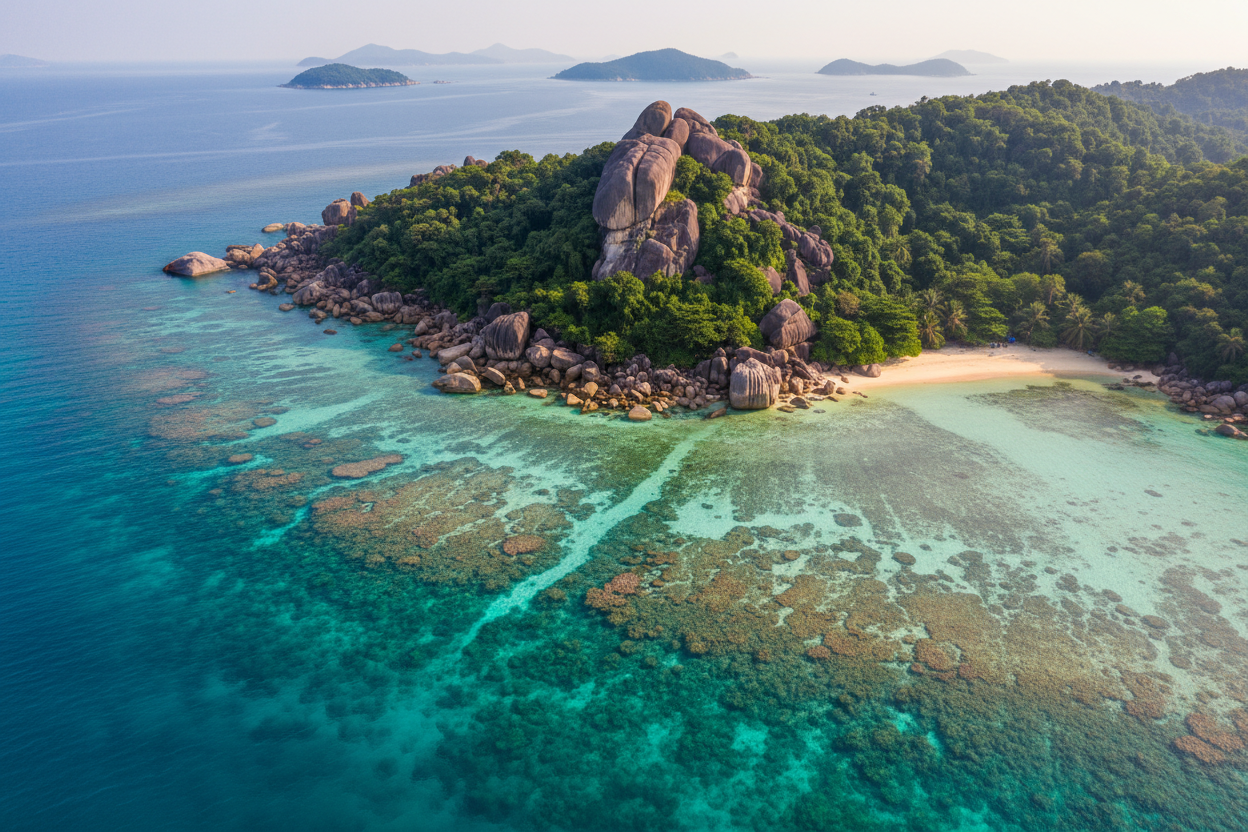
Similan Islands: Nature’s Masterpiece in Thailand
Imagine a place where crystal-clear turquoise waters meet pristine white sand beaches, where underwater worlds burst with vibrant marine life, and where massive granite boulders create natural sculptures that seem almost too perfect to be real. Welcome to the Similan Islands, Thailand’s crown jewel of natural beauty and one of the most spectacular archipelagos in Southeast Asia.
Located in the Andaman Sea, approximately 84 kilometers northwest of Phuket, the Similan Islands represent nature at its most artistic. This chain of nine granite islands has captured the hearts of travelers, divers, and nature enthusiasts from around the globe, earning recognition as one of the world’s top diving destinations and a testament to Thailand’s incredible biodiversity.

Discovering the Similan Islands National Park
Established as a national park in 1982, the Similan Islands National Park encompasses not just the famous nine islands but also the surrounding marine environment. The name “Similan” comes from the Malay word “sembilan,” meaning nine, though the park actually includes additional smaller islands and islets in the vicinity.
The park operates on a seasonal schedule, typically opening from October to May, coinciding with Thailand’s dry season when weather conditions are most favorable for marine activities. This careful management helps protect the delicate ecosystem during the monsoon season when rough seas could damage coral reefs and disturb wildlife breeding patterns.
Each island in the archipelago has its own unique character and attractions. From the iconic Sail Rock on Island 8 to the pristine beaches of Island 4, visitors can explore diverse landscapes that showcase the raw power and artistic beauty of geological forces working over millions of years.
World-Class Diving and Snorkeling Paradise
The Similan Islands have earned their reputation as one of the world’s premier diving destinations, and for good reason. The underwater landscape here is nothing short of extraordinary, featuring massive granite boulders, swim-throughs, and coral gardens that create an underwater playground unlike anywhere else on Earth.
Visibility in these waters often exceeds 30 meters, allowing divers to fully appreciate the scale and beauty of the underwater topography. The granite formations continue beneath the surface, creating dramatic underwater canyons, arches, and caverns that serve as homes to an incredible variety of marine species.
Popular dive sites include Elephant Head Rock, where massive boulders create a maze of swim-throughs perfect for underwater photography, and Christmas Point, known for its soft coral gardens and frequent manta ray encounters. The diversity of dive sites means that both beginners and experienced divers can find suitable spots to explore this underwater wonderland.
For those who prefer to stay closer to the surface, snorkeling around the Similan Islands offers equally rewarding experiences. Shallow coral gardens near the beaches provide easy access to colorful reef fish, sea turtles, and other marine life without requiring specialized diving equipment or certification.
Incredible Marine Biodiversity
The waters surrounding the Similan Islands teem with marine life that reads like a who’s who of tropical ocean inhabitants. Over 500 species of fish call these reefs home, ranging from tiny, brilliantly colored reef fish to massive whale sharks that occasionally grace divers with their presence.
Manta rays are regular visitors to the area, particularly around the cleaning stations where smaller fish remove parasites from their massive bodies. These gentle giants, with wingspans reaching up to seven meters, create unforgettable encounters for lucky divers and snorkelers.
Sea turtle populations thrive in the protected waters, with green turtles and hawksbill turtles frequently spotted grazing on seagrass beds or resting on sandy bottoms. The islands also serve as important nesting sites for these endangered species, making conservation efforts here crucial for their survival.
Coral diversity in the Similan Islands is equally impressive, with both hard and soft corals creating vibrant underwater gardens. Staghorn corals, brain corals, and massive table corals provide structure to the reef ecosystem, while colorful soft corals add splashes of purple, orange, and yellow to the underwater landscape.
Above Water Natural Wonders
While the underwater attractions often steal the spotlight, the terrestrial beauty of the Similan Islands is equally captivating. The iconic granite formations that make the islands so distinctive continue above the waterline, creating dramatic landscapes that seem sculpted by a master artist.
The most famous of these formations is Sail Rock on Ko Similan (Island 8), a massive granite boulder balanced precariously on the hillside that has become the symbol of the entire archipelago. The short but steep hike to the top rewards visitors with panoramic views of the surrounding islands and the endless blue of the Andaman Sea.
Pristine beaches with powdery white sand stretch along many of the islands, fringed by tropical vegetation and backed by granite cliffs. These beaches remain largely undeveloped, maintaining their natural beauty and providing important nesting sites for sea turtles.
The terrestrial ecosystem, while less diverse than the marine environment, includes several endemic plant species and provides habitat for various bird species, monitor lizards, and other wildlife adapted to island life.
Best Time to Visit the Similan Islands
Planning your visit to the Similan Islands requires careful consideration of seasonal conditions and park operations. The official park season runs from October to May, with different periods offering distinct advantages for various activities.
The early season months of October and November often provide excellent diving conditions with calm seas and good visibility, though occasional rain showers may occur as the monsoon season transitions. This period can be ideal for those seeking fewer crowds and potentially better deals on accommodation and tours.
December through February represents peak season, with the most reliable weather conditions and excellent visibility for diving and snorkeling. However, this period also sees the highest number of visitors, so advance booking for tours and accommodation becomes essential.
March through May offers a good compromise between favorable conditions and manageable crowd levels. Water temperatures remain comfortable, and marine life activity often increases as the season progresses toward the warmer months.
Getting There and Accommodation Options
Reaching the Similan Islands requires some planning, as there are no permanent accommodations on most of the islands, and day trips are the most common way to visit. Most visitors base themselves in Phuket, Khao Lak, or Ranong and join organized tours or charter boats for day trips or liveaboard diving expeditions.
Khao Lak, located about 60 kilometers north of Phuket, serves as the closest mainland departure point and offers the shortest boat transfer times to the islands. Many tour operators in Khao Lak specialize in Similan Islands trips, offering everything from day tours to multi-day diving expeditions.
For serious divers and underwater photographers, liveaboard diving boats provide the ultimate Similan Islands experience. These floating hotels allow visitors to maximize their diving time while exploring multiple sites across the archipelago over several days.
Limited camping is permitted on designated islands within the national park, though facilities are basic and require advance booking through the park authority. This option appeals to adventurous travelers seeking a more immersive nature experience.
Conservation and Responsible Tourism
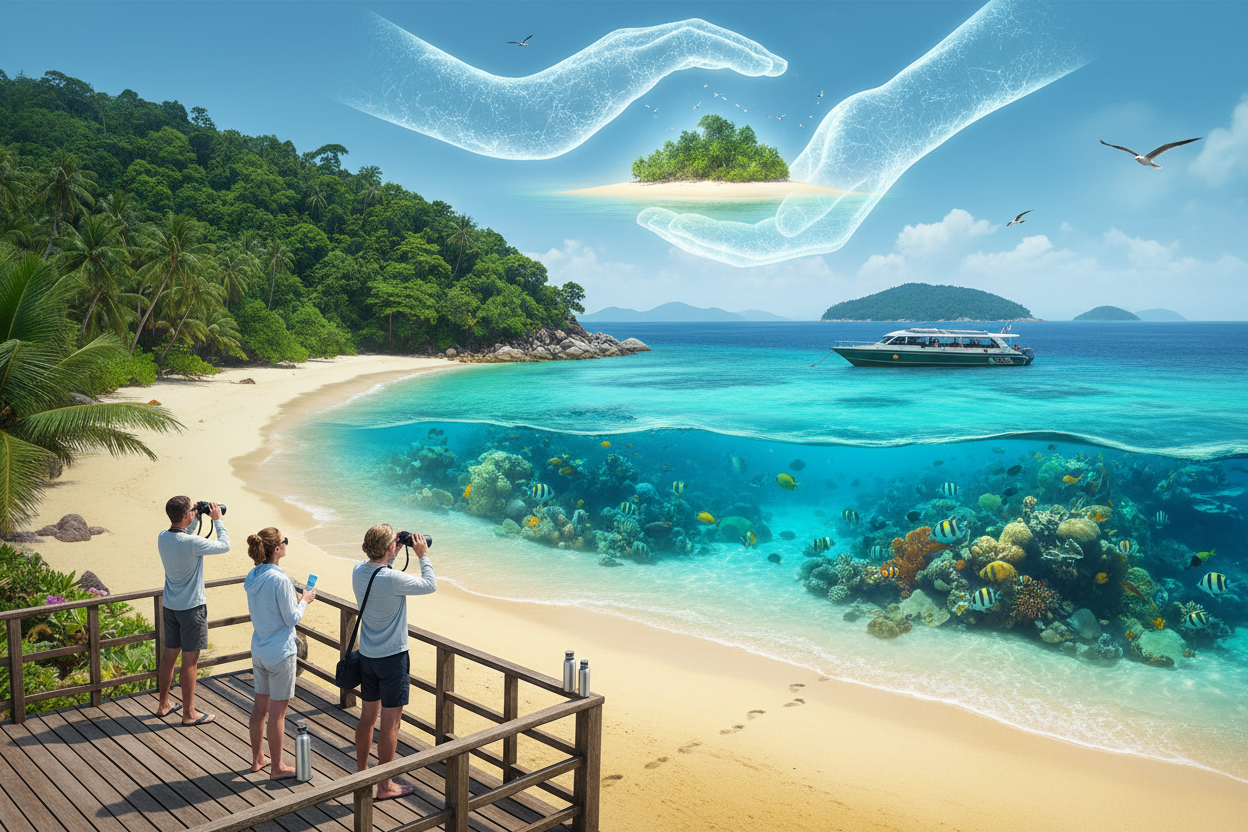
The pristine condition of the Similan Islands results from careful conservation management and the cooperation of visitors who respect the fragile ecosystem. As climate change and increasing tourism pressure threaten coral reefs worldwide, the importance of responsible travel practices cannot be overstated.
Visitors can contribute to conservation efforts by following park regulations, including restrictions on touching or standing on coral reefs, proper disposal of waste, and respecting wildlife viewing guidelines. Many tour operators now emphasize education about marine conservation as part of their programs.
The seasonal closure of the park during monsoon months allows the ecosystem to recover from visitor impact and provides crucial protection during sea turtle nesting season. Supporting tour operators who prioritize sustainability helps ensure that future generations can experience the same natural wonder that draws visitors today.
Photography and Underwater Imaging
The Similan Islands offer exceptional opportunities for both underwater and landscape photography. The clear waters, dramatic granite formations, and abundant marine life create ideal conditions for capturing stunning images both above and below the surface.
Underwater photographers particularly appreciate the excellent visibility and diverse subjects available, from macro photography of colorful reef creatures to wide-angle shots of dramatic rock formations and large marine animals. The granite boulders create natural frames and backgrounds that add artistic elements to underwater compositions.
Above water, the contrast between white sand beaches, turquoise waters, and dramatic granite formations provides endless opportunities for landscape photography. Sunrise and sunset shots from elevated viewpoints like Sail Rock offer particularly spectacular results.
Conclusion
The Similan Islands truly represent nature’s masterpiece in Thailand, combining world-class diving, pristine beaches, and dramatic landscapes into an unforgettable destination. Whether you’re an experienced diver seeking encounters with manta rays and whale sharks, a snorkeler wanting to explore colorful coral gardens, or simply someone who appreciates natural beauty in its purest form, the Similans offer experiences that will stay with you long after your visit ends.
As you plan your journey to this remarkable archipelago, remember that you’re not just visiting a tourist destination but entering a carefully protected ecosystem that depends on responsible tourism for its preservation. By choosing sustainable tour operators, following park guidelines, and respecting the natural environment, you become part of the conservation effort that keeps the Similan Islands as nature’s masterpiece for future generations to discover and cherish.
The magic of the Similan Islands lies not just in their individual attractions but in the complete experience they offer – a chance to disconnect from the modern world and reconnect with the natural one in all its pristine glory. In a world where untouched natural beauty becomes increasingly rare, the Similan Islands stand as a testament to what we can preserve when we choose to protect rather than exploit our planet’s most precious treasures.
 English
Leave a Reply