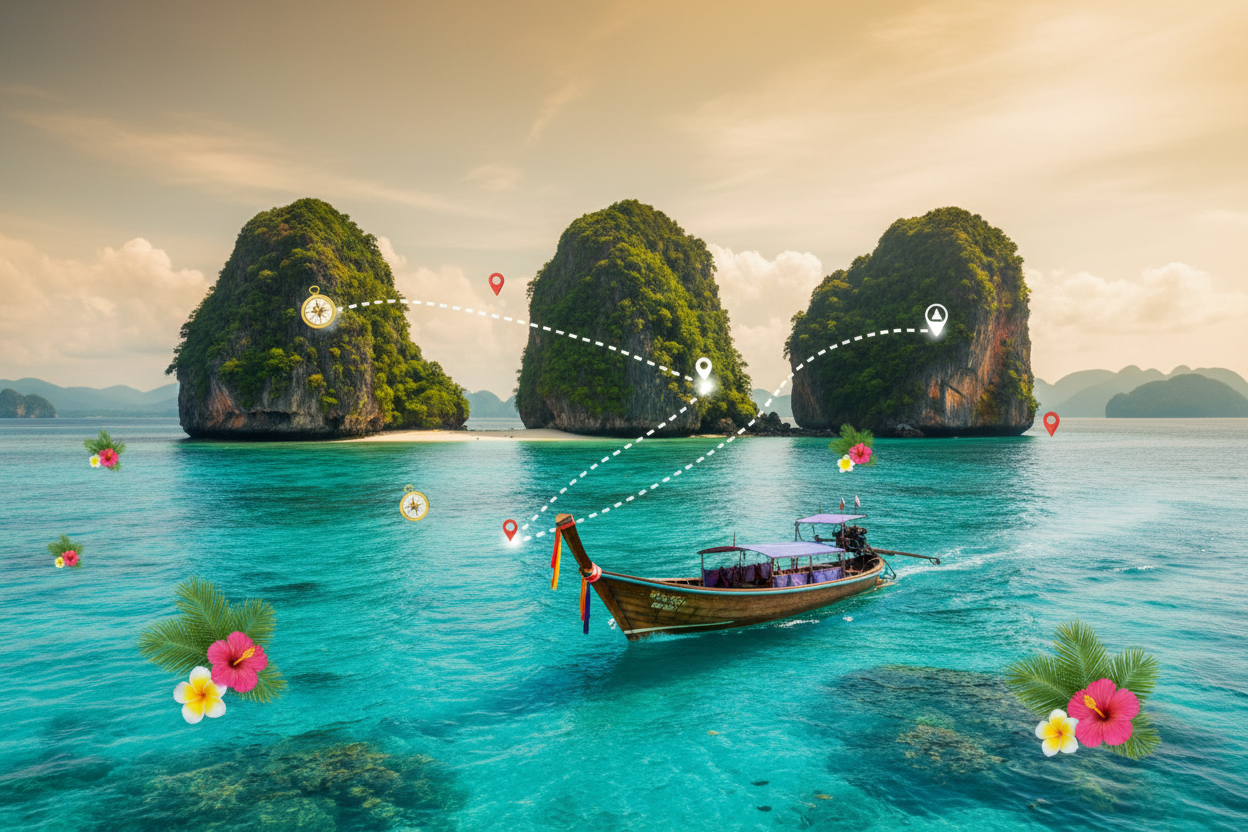
Island Hopping in Thailand: A Complete Guide
Thailand’s pristine islands have captured the hearts of millions of travelers worldwide, and for good reason. With over 1,400 islands scattered across the Andaman Sea and Gulf of Thailand, this tropical paradise offers an endless array of crystal-clear waters, powdery white beaches, and vibrant coral reefs. Whether you’re seeking adventure, relaxation, or cultural immersion, island hopping in Thailand provides an unforgettable experience that caters to every type of traveler.
From the famous limestone karsts of Krabi to the party atmosphere of Koh Phi Phi, each island boasts its own unique character and attractions. The beauty of island hopping lies in the diversity – you can snorkel among colorful marine life in the morning, explore hidden lagoons in the afternoon, and watch breathtaking sunsets while sipping fresh coconut water in the evening.
Best Time for Island Hopping in Thailand
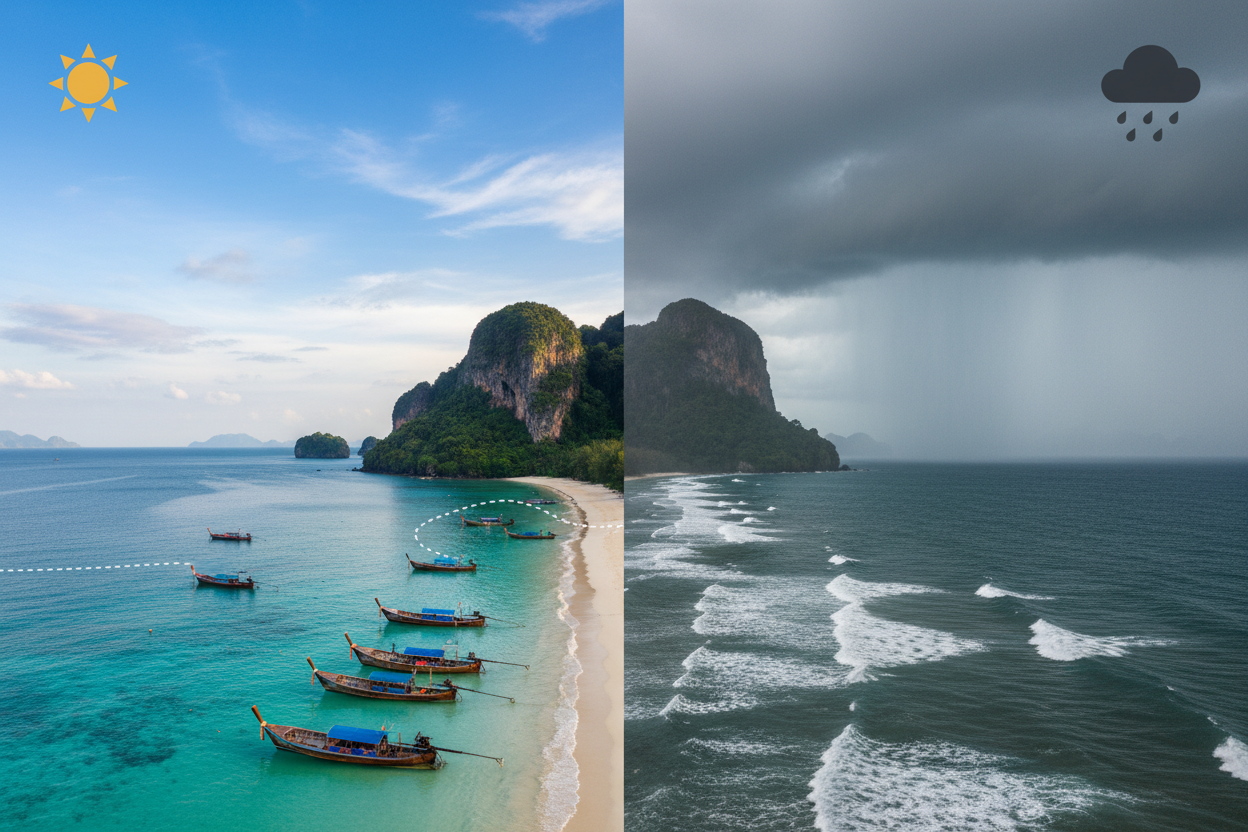
Timing your island hopping adventure is crucial for making the most of your Thai getaway. The country experiences distinct weather patterns that vary between the western Andaman Sea coast and the eastern Gulf of Thailand.
For islands on the Andaman Sea side, including Phuket, Krabi, and Koh Phi Phi, the ideal time to visit is between November and April. During these months, you’ll encounter minimal rainfall, calm seas, and perfect conditions for boat transfers between islands. The peak season runs from December to February, offering the best weather but also the highest prices and largest crowds.
Gulf of Thailand islands like Koh Samui, Koh Phangan, and Koh Tao have a slightly different weather pattern. The best time to visit these eastern islands is from December to April, though they remain relatively dry from June to August as well. This makes the Gulf islands an excellent alternative during the Andaman Sea’s monsoon season.
Shoulder seasons can offer fantastic value for budget-conscious travelers. May and October often provide good weather with fewer tourists and better accommodation rates, though you should be prepared for occasional tropical showers.
Top Island Hopping Routes
Creating the perfect island hopping itinerary depends on your interests, budget, and available time. Here are some of the most popular routes that showcase Thailand’s diverse island experiences.
Andaman Sea Circuit
The classic Andaman Sea route typically starts in Phuket, Thailand’s largest island and a major transportation hub. From here, you can easily reach the iconic Phi Phi Islands, where dramatic limestone cliffs rise from turquoise waters. The smaller Phi Phi Don offers accommodation and restaurants, while uninhabited Phi Phi Leh houses the famous Maya Bay, featured in “The Beach” movie.
Continue your journey to Krabi province, where you can island hop to the stunning Four Islands: Koh Poda, Chicken Island, Tup Island, and Phra Nang Beach. Each location offers unique geological formations and excellent snorkeling opportunities. The nearby Railay Beach, accessible only by boat due to towering limestone cliffs, provides world-class rock climbing and secluded beaches.
For a more off-the-beaten-path experience, venture to Koh Lanta, known for its laid-back atmosphere and beautiful beaches. This larger island serves as an excellent base for exploring smaller surrounding islands like Koh Rok and Koh Haa, which offer some of the region’s best diving and snorkeling.
Gulf of Thailand Adventure
The Gulf of Thailand route centers around the Samui archipelago, starting with Koh Samui itself. This developed island offers luxury resorts, vibrant nightlife, and cultural attractions like the Big Buddha Temple. The island’s size and infrastructure make it perfect for first-time visitors to Thailand.
A short ferry ride takes you to Koh Phangan, famous worldwide for its Full Moon Parties. Beyond the party scene, this island boasts pristine beaches, jungle waterfalls, and excellent yoga retreats. The northern and eastern coasts offer tranquil beaches perfect for relaxation.
Complete the triangle with Koh Tao, a small island renowned as one of the world’s best places to learn scuba diving. The island’s compact size, affordable dive courses, and abundant marine life make it a must-visit for underwater enthusiasts. Even non-divers can enjoy excellent snorkeling at sites like Shark Bay and Mango Bay.
Transportation Between Islands
Getting between Thailand’s islands is part of the adventure, with various transportation options to suit different budgets and preferences. Understanding your options helps you plan efficient routes and avoid unnecessary backtracking.
Ferry services provide the most common and economical way to travel between islands. Large car ferries operate on major routes like Bangkok to Koh Samui and Phuket to Phi Phi Islands. These vessels can handle rough weather better than smaller boats and often include air-conditioned seating areas.
Speedboats offer faster transfers and more flexibility, especially for reaching smaller islands without regular ferry service. While more expensive than ferries, speedboats can significantly reduce travel time. Many tour operators offer island hopping packages that include speedboat transfers, making them convenient for time-limited travelers.
Long-tail boats provide an authentic Thai experience and access to secluded beaches and hidden coves that larger vessels cannot reach. These traditional wooden boats are perfect for day trips and short hops between nearby islands, though they’re not suitable for longer journeys or rough weather conditions.
For those with larger budgets, private yacht charters offer the ultimate flexibility and luxury. You can create custom itineraries, visit remote islands, and enjoy personalized service while exploring Thailand’s waters at your own pace.
Essential Packing Tips
Packing smart for island hopping requires balancing practicality with the need to travel light. Since you’ll be moving between islands frequently, every item in your bag should serve multiple purposes.
Waterproof bags are absolutely essential for protecting electronics, documents, and clothing during boat transfers. Even on calm days, sea spray can damage unprotected items. Pack important documents like passports and travel insurance papers in multiple waterproof containers.
Quick-dry clothing becomes your best friend when island hopping. Synthetic materials and merino wool dry much faster than cotton, allowing you to pack fewer items while staying comfortable. Include at least one warm layer for air-conditioned ferries and evening boat rides.
Sun protection cannot be overstated in tropical climates. Pack reef-safe sunscreen to protect marine ecosystems, a wide-brimmed hat, and UV-protective clothing. The reflection off water intensifies sun exposure, making protection even more critical during boat rides.
A good pair of water shoes protects your feet from sharp coral, sea urchins, and hot sand while providing grip on wet boat decks. Choose shoes that dry quickly and pack compactly.
Budget Planning and Money-Saving Tips
Island hopping in Thailand can accommodate various budgets, from backpacker-friendly adventures to luxury escapes. Understanding cost factors helps you plan accordingly and avoid unexpected expenses.
Accommodation costs vary dramatically between islands and seasons. Popular destinations like Phi Phi Islands and Koh Samui command premium prices, especially during peak season. Consider staying on less developed islands and taking day trips to more expensive destinations. Booking accommodation in advance often secures better rates, particularly during high season.
Transportation between islands represents a significant expense, but several strategies can reduce costs. Island hopping packages often provide better value than individual tickets, especially for popular routes. Traveling during shoulder seasons not only reduces accommodation costs but also transportation fees.
Food expenses can be managed by eating at local restaurants rather than resort dining rooms. Street food and small family-run establishments offer authentic Thai cuisine at fraction of resort prices. Many islands have local markets where you can buy fresh fruit and snacks for boat journeys.
Activity costs add up quickly, but many islands offer free or low-cost alternatives to expensive tours. Snorkeling gear rental costs less than organized snorkeling trips, allowing you to explore reefs independently. Hiking to viewpoints, beach hopping, and cultural site visits often cost nothing beyond transportation.
Safety Considerations
While Thailand’s islands are generally safe destinations, being prepared for potential challenges ensures a worry-free adventure. Understanding common risks and taking appropriate precautions protects both your safety and enjoyment.
Weather conditions can change rapidly in tropical environments. Monitor weather forecasts and be prepared to adjust your itinerary if storms approach. Boat operators typically cancel services during dangerous conditions, so build flexibility into your schedule. Never pressure boat operators to travel in unsafe conditions, regardless of your timeline.
Marine safety requires respect for the ocean environment and awareness of your limitations. Strong currents, sharp coral, and marine life present potential hazards. Always snorkel or swim with a buddy, stay within designated areas, and inform someone of your plans before entering the water.
Health precautions become more important when visiting remote islands with limited medical facilities. Pack a comprehensive first aid kit including seasickness medication, pain relievers, and antiseptic for cuts from coral. Ensure your travel insurance covers medical evacuation, as serious injuries may require transport to mainland hospitals.
Protect your valuables by using hotel safes and avoiding displays of expensive items. Petty theft, while uncommon, can occur in tourist areas. Keep copies of important documents in separate locations and consider leaving expensive jewelry at home.
Conclusion
Island hopping in Thailand offers an incredible opportunity to experience the country’s natural beauty, rich culture, and warm hospitality. From the dramatic limestone landscapes of the Andaman Sea to the diving paradise of the Gulf of Thailand, each island presents unique adventures and unforgettable memories.
Success in island hopping comes from careful planning, flexible expectations, and respect for local environments and cultures. Whether you choose a whirlwind tour of multiple islands or a slower pace focusing on fewer destinations, Thailand’s islands provide the perfect backdrop for tropical adventures.
Remember that the journey between islands often proves as memorable as the destinations themselves. Embrace the slower pace of island life, connect with fellow travelers, and allow yourself to be surprised by hidden gems along the way. With proper preparation and an open mind, your Thai island hopping adventure will create memories to last a lifetime.
 English
Leave a Reply