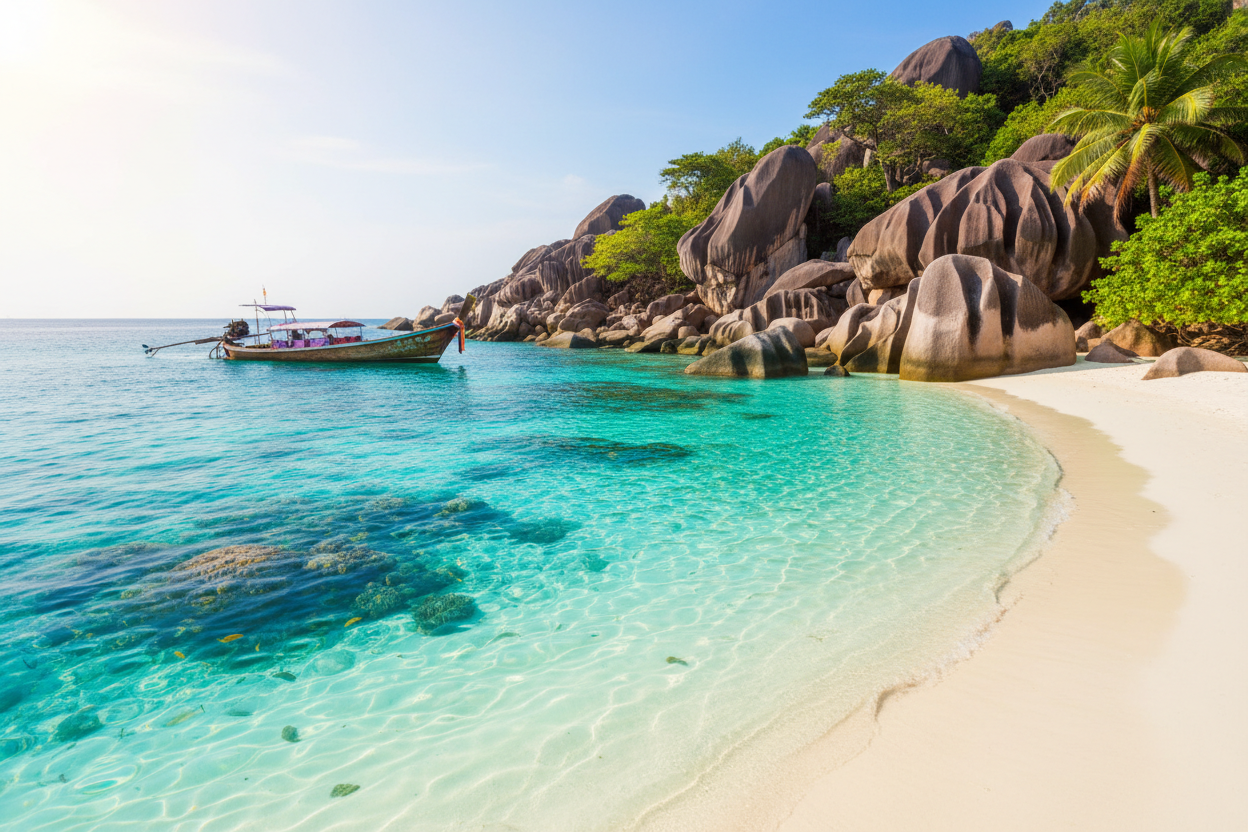
Tucked away in the turquoise waters of the Andaman Sea, the Similan Islands stand as one of Thailand’s most pristine marine sanctuaries. This archipelago of nine granite islands offers visitors an unparalleled glimpse into untouched natural beauty, where crystal-clear waters meet powder-white beaches and vibrant coral reefs teem with marine life. Whether you’re a seasoned diver, snorkeling enthusiast, or simply someone seeking tranquility away from Thailand’s bustling tourist hotspots, the Similan Islands promise an unforgettable experience that will leave you yearning to return.
What Makes the Similan Islands Special
The Similan Islands derive their name from the Malay word “sembilan,” meaning nine, reflecting the number of islands in this protected archipelago. Located approximately 84 kilometers northwest of Phuket, these islands have been designated as a national park since 1982, ensuring their preservation for future generations. The park’s protected status means that development is strictly limited, maintaining the islands’ raw, unspoiled character that has made them legendary among nature lovers worldwide.
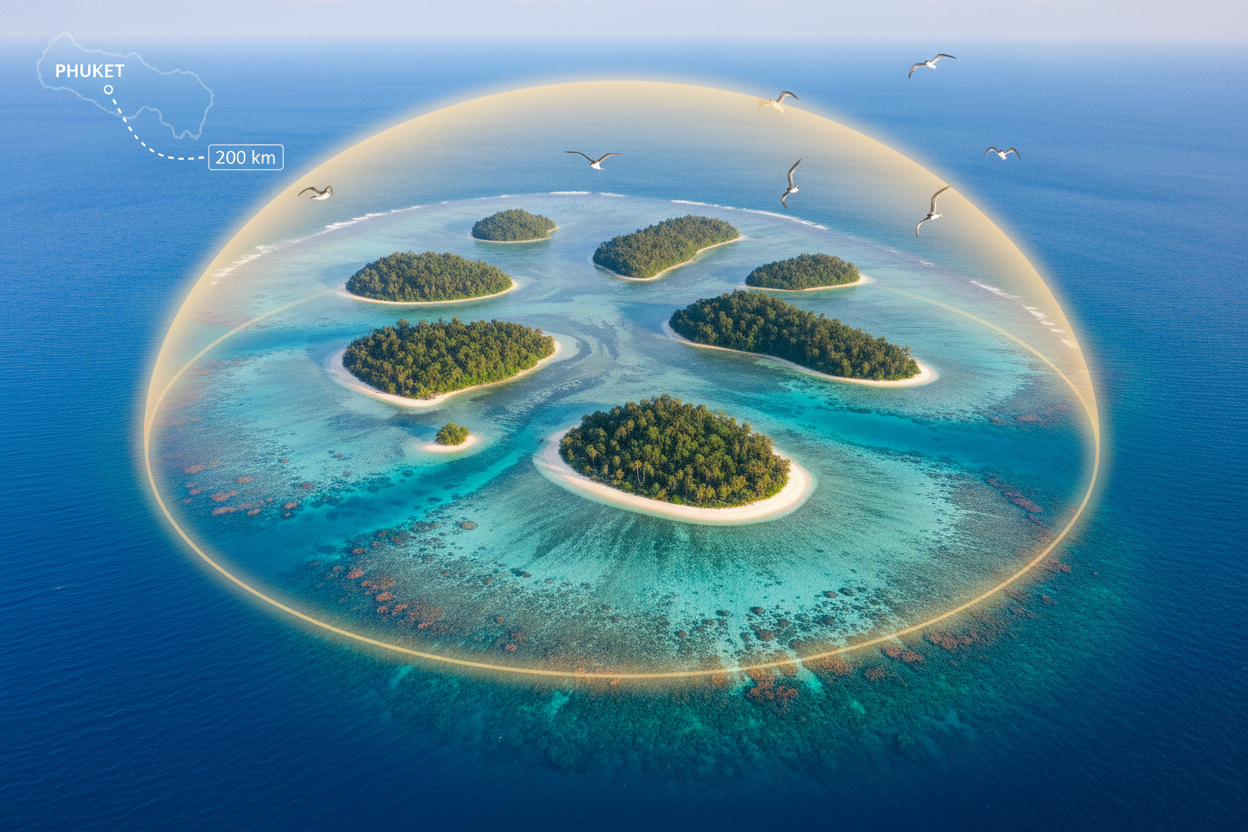
What truly sets the Similans apart is their unique geological composition. Unlike many tropical islands formed from coral, these are granite islands, creating dramatic underwater landscapes with massive boulders, swim-throughs, and caves that provide shelter for an incredible diversity of marine species. Above water, the granite formations create stunning viewpoints and secluded beaches that feel like your own private paradise.
Best Time to Visit the Similan Islands
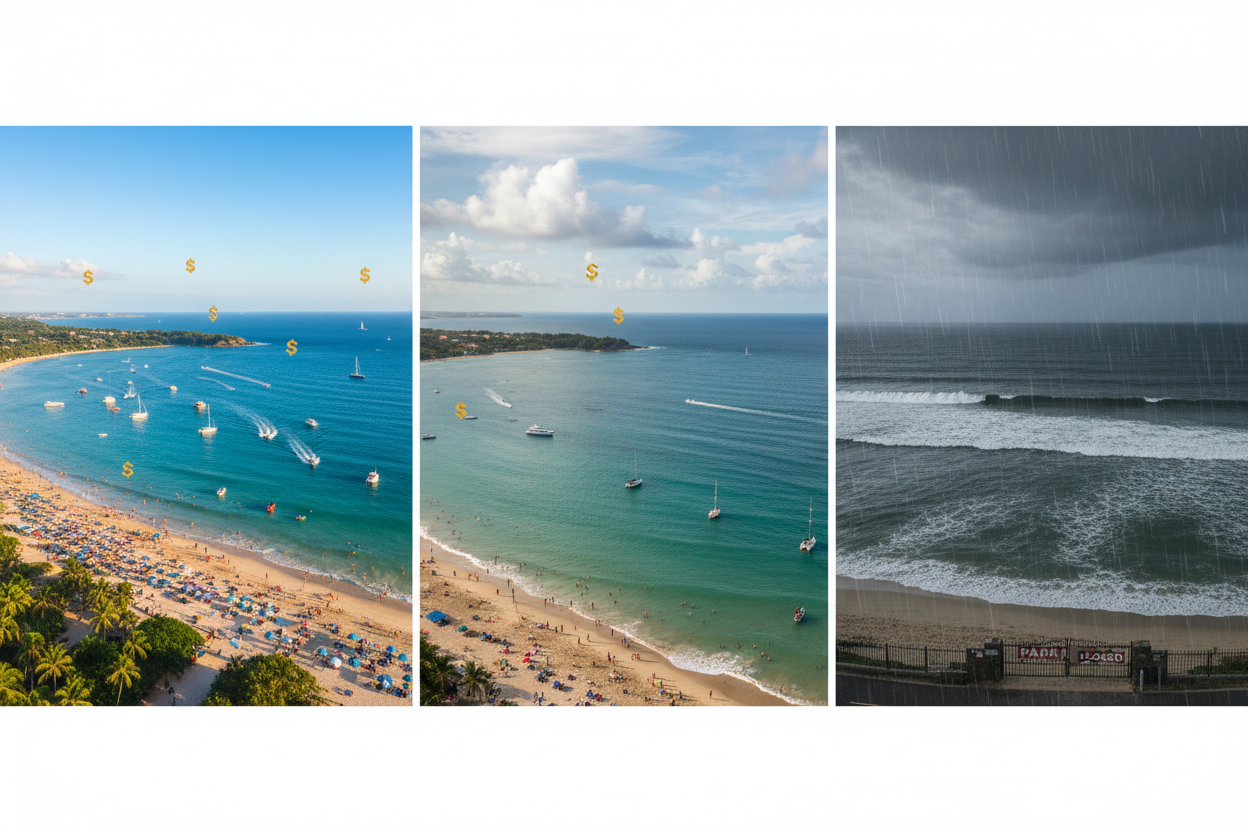
Timing your visit to the Similan Islands is crucial for the best experience. The national park operates on a seasonal schedule, typically opening from mid-October to mid-May, coinciding with Thailand’s dry season. During this period, the weather is most favorable with calm seas, excellent visibility for diving and snorkeling, and minimal rainfall.
The peak season runs from December to March when the weather is at its most stable, but this also means higher prices and more crowds. For a perfect balance of good weather and fewer tourists, consider visiting during the shoulder months of November or April. The monsoon season from May to October sees the park closed to visitors due to rough seas and safety concerns, so plan accordingly.
Water visibility during the open season ranges from 15 to 40 meters, with the clearest conditions typically occurring between February and April. Water temperatures remain consistently warm year-round, hovering between 26-29°C, making it comfortable for extended periods in the water.
Top Activities and Attractions
The Similan Islands offer a diverse range of activities that cater to different interests and adventure levels. The primary draw for most visitors is the exceptional underwater world, but the islands also provide opportunities for hiking, beach relaxation, and photography.
Diving enthusiasts flock here for world-class sites like Elephant Head Rock, Breakfast Bend, and Fantasy Reef. These sites feature healthy coral gardens, dramatic underwater topography, and regular sightings of whale sharks, manta rays, and schools of tropical fish. The variety of dive sites means there’s something suitable for beginners through to advanced technical divers.
Snorkeling is equally rewarding, with many shallow reefs accessible directly from the beaches or via short boat rides. Popular snorkeling spots include the coral gardens around islands 4, 7, and 8, where you can encounter angelfish, parrotfish, and even reef sharks in crystal-clear, shallow waters.
For those who prefer to stay dry, hiking to viewpoints on islands 4 and 8 provides breathtaking panoramic views of the archipelago. The short but steep climb to Sailing Boat Rock viewpoint on island 8 is particularly rewarding, offering Instagram-worthy shots of the surrounding islands and their pristine beaches.
Getting to the Similan Islands
Reaching the Similan Islands requires some planning, as there are no commercial flights or permanent ferry services to the archipelago. Most visitors join organized day trips or liveaboard diving expeditions that depart from various points along Thailand’s west coast.
The most common departure points are Khao Lak, Phuket, and Ranong. Khao Lak offers the shortest journey time, with speedboat transfers taking approximately 90 minutes to reach the islands. From Phuket, expect a journey of 2-3 hours depending on sea conditions and the type of vessel used.
Day trips typically include hotel transfers, national park fees, meals, snorkeling equipment, and visits to 2-3 islands. While convenient, day trips can feel rushed given the travel time involved. For a more immersive experience, consider a multi-day liveaboard trip that allows you to explore more remote sites and enjoy the islands during the quieter early morning and late afternoon periods.
Independent travel to the islands is possible but requires chartering a private boat, which can be expensive unless you’re traveling with a large group. National park fees apply to all visitors and vary depending on nationality, with foreign adults typically paying around 500 Thai Baht.
Where to Stay Near the Similan Islands
Since overnight stays on the Similan Islands themselves are limited and require advance booking through the national park service, most visitors base themselves on the mainland and take day trips or join liveaboard excursions.
Khao Lak serves as the primary gateway to the Similan Islands and offers the widest range of accommodation options. From luxury beachfront resorts to budget-friendly guesthouses, Khao Lak caters to all budgets while providing easy access to tour operators and dive centers. The town’s relaxed atmosphere and beautiful beaches make it an ideal place to unwind before or after your Similan adventure.
Phuket, while further away, provides more extensive accommodation options and better flight connections for international travelers. The trade-off is longer transfer times to reach the islands, but the island’s infrastructure and amenities might appeal to those seeking more comfort and convenience.
For the ultimate Similan experience, liveaboard boats offer accommodation right in the heart of the action. These floating hotels range from basic to luxury, allowing you to wake up surrounded by pristine islands and have immediate access to the best dive sites before day-trip crowds arrive.
Wildlife and Marine Life
The Similan Islands’ protected status has allowed marine ecosystems to flourish, creating one of Southeast Asia’s most biodiverse underwater environments. The coral reefs here support over 500 species of fish, making every snorkeling or diving session a vibrant spectacle of marine life.
Large pelagic species are regular visitors to Similan waters. Whale sharks, the world’s largest fish, are frequently spotted between February and April, particularly around Koh Bon and Richelieu Rock. Manta rays glide through the waters around Koh Bon, while leopard sharks rest on sandy bottoms throughout the archipelago.
The coral reefs themselves are equally impressive, featuring both hard and soft corals in excellent condition. Barrel sponges, sea fans, and table corals create underwater gardens that provide shelter for countless smaller species. Macro photography enthusiasts will delight in finding nudibranchs, seahorses, and ornate ghost pipefish hidden among the coral formations.
Above water, the islands support several bird species and monitor lizards. The beaches serve as nesting sites for sea turtles, though sightings require patience and luck. The granite boulder formations create unique ecosystems where specialized plants have adapted to the harsh coastal environment.
Conservation and Responsible Tourism
The Similan Islands’ pristine condition is the result of careful conservation efforts and responsible tourism practices. As a visitor, you play a crucial role in maintaining this delicate ecosystem for future generations.
When snorkeling or diving, maintain proper buoyancy to avoid damaging coral reefs. Never touch, stand on, or collect marine life or coral. Use reef-safe sunscreen to prevent chemical damage to coral systems, and follow your guide’s instructions regarding wildlife interactions.
The national park has implemented various measures to limit environmental impact, including restrictions on the number of daily visitors and designated anchoring areas to protect seagrass beds and coral reefs. Some areas may be temporarily closed for rehabilitation, which helps maintain the ecosystem’s health.
Choose tour operators that demonstrate environmental responsibility through practices like proper waste management, respect for wildlife, and support for local conservation efforts. Many operators contribute to marine conservation projects and can provide valuable education about the islands’ ecosystems.
Planning Your Perfect Similan Islands Trip
The Similan Islands represent the pinnacle of Thailand’s natural beauty, offering visitors a chance to experience pristine marine environments and untouched tropical landscapes. Whether you’re drawn by world-class diving, peaceful snorkeling, or simply the desire to disconnect in paradise, these nine granite gems provide an experience that will remain etched in your memory long after you’ve returned home.
Success in visiting the Similan Islands lies in proper planning, respect for the environment, and realistic expectations about the logistics involved. While reaching the islands requires effort and advance planning, the reward is access to one of the world’s most beautiful and well-preserved marine sanctuaries. From the moment you first glimpse the turquoise waters surrounding these granite islands to your final sunset over the Andaman Sea, the Similan Islands offer a profound connection with nature that exemplifies the very best of Thailand’s incredible natural heritage.
 English
Leave a Reply