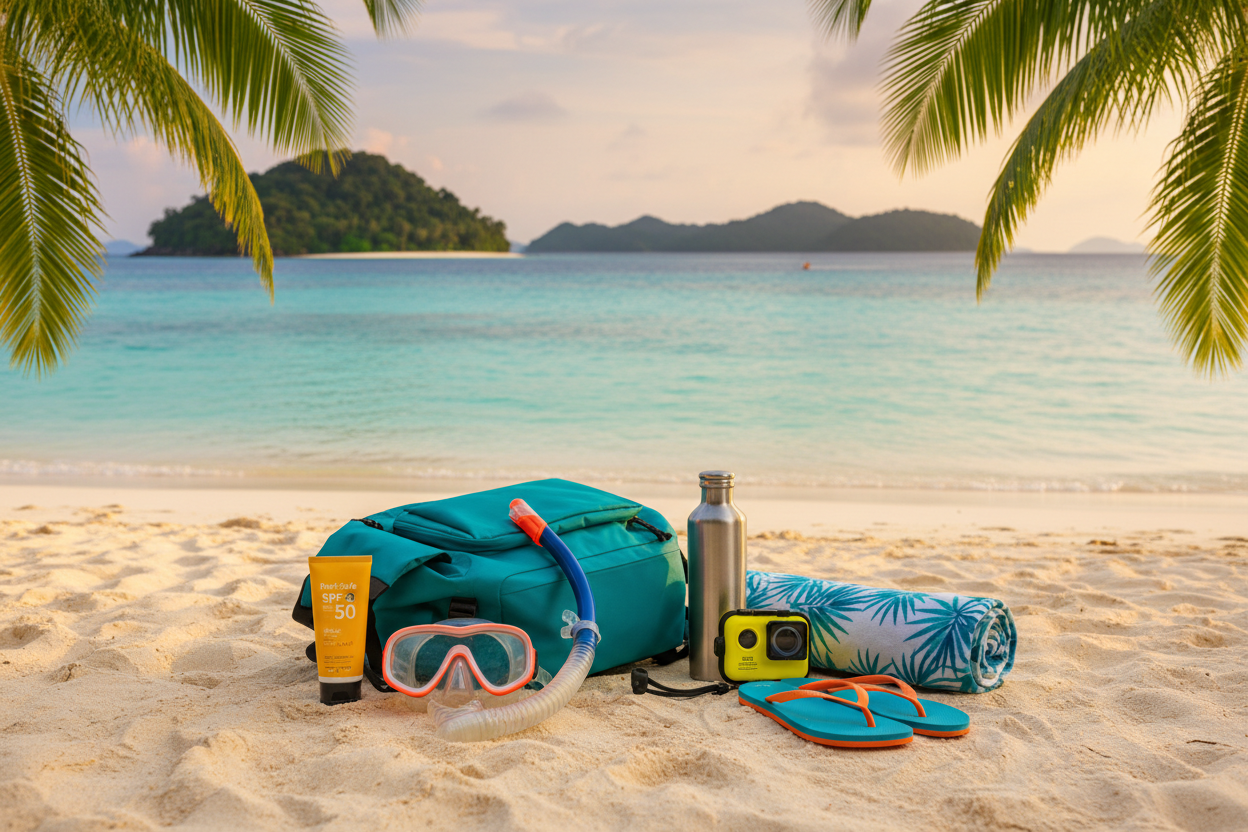
Picture this: crystal-clear turquoise waters stretching endlessly toward the horizon, pristine white sand beaches that feel like powdered sugar beneath your feet, and vibrant coral reefs teeming with marine life that looks like it belongs in a nature documentary. Welcome to the Similan Islands, Thailand’s crown jewel of marine national parks. But here’s the thing about paradise – it comes with its own set of challenges, and being properly prepared can make the difference between an unforgettable adventure and a survival nightmare.
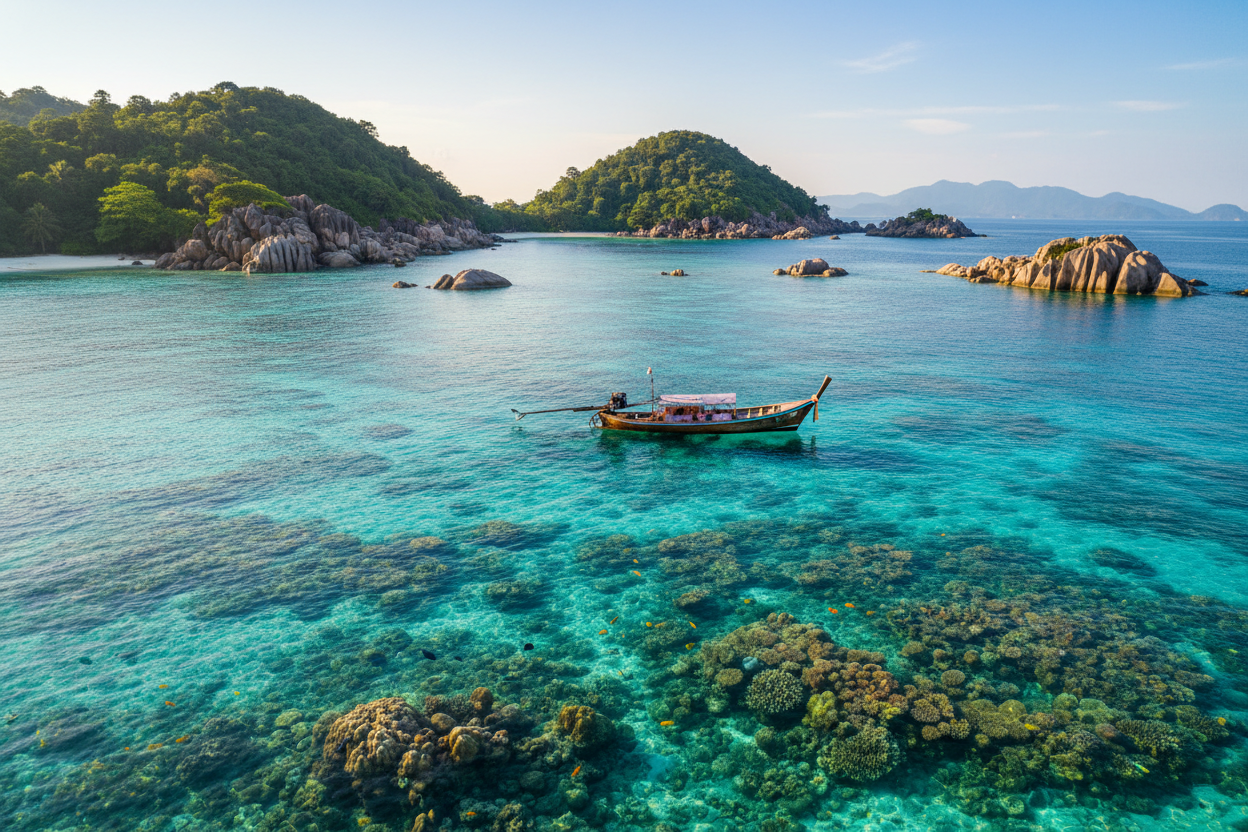
Located about 70 kilometers off the coast of Phang Nga Province, the Similan Islands consist of nine granite islands that offer some of the world’s best diving and snorkeling experiences. However, these remote tropical islands aren’t your typical beach resort destination. With limited infrastructure, no shops, and basic facilities, packing smart isn’t just recommended – it’s essential for your safety and comfort.
Understanding the Similan Islands Environment
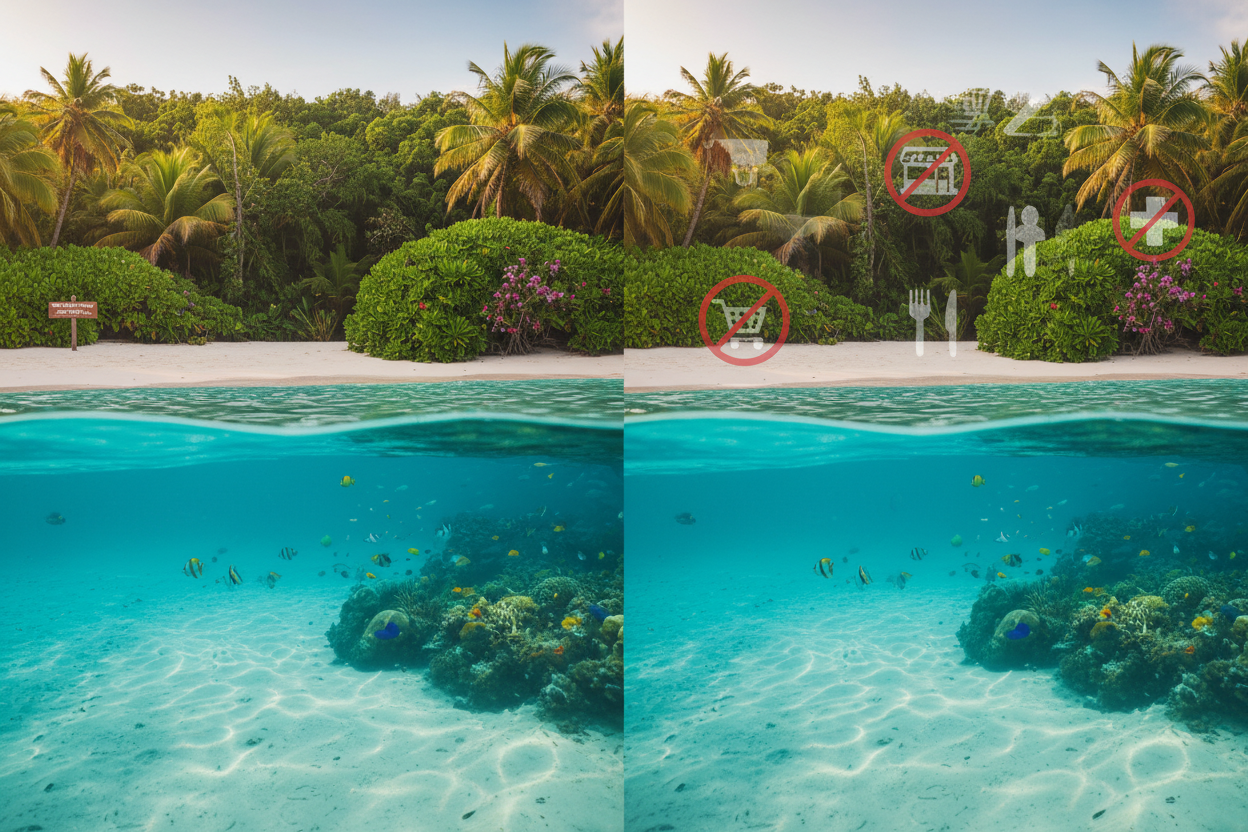
Before we dive into the packing essentials, let’s talk about what you’re getting yourself into. The Similan Islands are a protected marine national park, which means development is intentionally limited to preserve the natural ecosystem. This is fantastic news for the environment and your Instagram feed, but it also means you won’t find convenience stores, restaurants, or medical facilities on most islands.
The climate is tropical year-round, with temperatures ranging from 26°C to 32°C (79°F to 90°F). The dry season runs from November to April, offering the best weather conditions for island hopping. However, even during the dry season, sudden rain showers can occur, and the sun’s intensity near the equator is nothing to joke about.
Most visitors stay on liveaboard boats or take day trips from the mainland, but if you’re planning an overnight camping experience on designated islands, your packing strategy becomes even more critical. The islands have basic restroom facilities and some covered areas, but that’s about it in terms of amenities.
Essential Sun Protection and Clothing
Let me share a hard-learned lesson from my first Similan Islands trip: the tropical sun here doesn’t mess around. Within two hours of arrival, I looked like a lobster despite thinking I had decent sun tolerance. The combination of direct sunlight, reflection off the water, and the thin atmosphere near the equator creates a perfect storm for serious sunburn.
Your sun protection arsenal should include broad-spectrum sunscreen with at least SPF 50, and I cannot stress this enough – make it reef-safe. The Similan Islands’ coral reefs are already under pressure from climate change, and chemical sunscreens containing oxybenzone and octinoxate can cause additional damage. Look for mineral-based sunscreens with zinc oxide or titanium dioxide instead.
Pack lightweight, long-sleeved shirts made from UPF-rated fabric for those times when reapplying sunscreen isn’t practical. A wide-brimmed hat is non-negotiable, and don’t forget quality sunglasses with UV protection. Your eyes will thank you when you’re spending hours on boats with sun reflecting off the water.
For clothing, think breathable and quick-dry materials. Cotton might feel comfortable initially, but it retains moisture and takes forever to dry in humid conditions. Instead, opt for synthetic blends or merino wool that wick moisture away from your skin. Pack enough changes of clothes for your entire trip plus one extra day – laundry facilities are essentially non-existent.
Water and Food Essentials
Water is life, and nowhere is this truer than on a remote tropical island. While some tour operators provide water, you should never rely entirely on others for something so fundamental to your survival. Bring more water than you think you’ll need – a good rule of thumb is at least 3-4 liters per person per day in tropical conditions.
Consider packing a high-quality water filtration system or purification tablets as backup. If you’re staying overnight, having the ability to purify water from natural sources could be a lifesaver. Electrolyte replacement is equally important in hot, humid conditions where you’ll be sweating constantly. Pack electrolyte tablets or powder rather than heavy sports drinks.
Food planning depends on your trip type. Day-trippers can usually rely on provided meals, but if you’re camping or on an extended stay, non-perishable foods become crucial. Think energy bars, nuts, dried fruits, and instant meals that only require hot water. Remember, there are no refrigeration facilities, so anything requiring cold storage is off the table.
Pack a few extra snacks beyond what you think you’ll need. Physical activities like snorkeling, diving, and hiking burn more calories than you might expect, and being hungry on a remote island with no food options is a miserable experience.
First Aid and Medical Supplies
Medical emergencies on remote islands are serious business. The nearest hospital is hours away by boat, so your first aid kit needs to be comprehensive enough to handle common injuries and illnesses until you can reach proper medical care.
Your medical kit should include adhesive bandages in various sizes, antiseptic wipes, antibiotic ointment, and gauze pads. Pack pain relievers, anti-inflammatory medication, and any prescription medications you regularly take, plus a few extra days’ worth in case of delays.
Don’t overlook common tropical ailments. Include anti-diarrheal medication, oral rehydration salts, and antihistamines for allergic reactions. Coral cuts are particularly nasty and prone to infection, so having proper wound cleaning supplies is essential.
If you’re prone to motion sickness, bring medication for that too. Boat rides to and around the islands can be rough, especially during certain weather conditions. A few seasickness tablets could save your entire trip from being ruined before you even reach the islands.
Snorkeling and Diving Gear
The underwater world around the Similan Islands is the main attraction for most visitors, so having proper gear is essential. While many tour operators provide basic snorkeling equipment, bringing your own ensures better fit, comfort, and hygiene.
A well-fitting mask is crucial – nothing ruins a snorkeling session like a constantly leaking mask. If you wear glasses, consider a prescription mask or contact lenses with a regular mask. Fins should fit snugly but not too tight, as your feet may swell slightly in warm water.
For serious divers, bringing your own regulator, BCD, and wetsuit ensures familiarity and proper fit. However, if you’re flying in, consider the weight restrictions and rental options. A 3mm wetsuit is usually sufficient for the warm waters, but it provides protection against coral scrapes and jellyfish stings.
Don’t forget an underwater camera or waterproof case for your phone. The marine life here includes manta rays, whale sharks, and countless tropical fish species that you’ll want to document. Just remember to maintain respectful distances and never touch the coral or marine life.
Technology and Communication
While the Similan Islands offer a perfect opportunity to disconnect from the digital world, some technology is essential for safety and navigation. Cell phone coverage is spotty at best, so don’t rely on your phone for emergency communication.
A waterproof GPS device or satellite communicator could be lifesaving if you become separated from your group or boat. At minimum, ensure someone on your trip has reliable communication equipment to contact emergency services if needed.
Bring portable power banks to keep essential devices charged, as electricity is limited on the islands. Solar chargers are particularly useful for multi-day trips, though they require direct sunlight to function effectively.
A waterproof flashlight or headlamp is essential, especially if you’re staying overnight. The islands have minimal lighting, and navigating in the dark without proper illumination is dangerous.
Camping and Overnight Essentials
If you’re planning to camp on designated islands, your packing list expands significantly. The islands have basic covered shelters, but you’ll need to bring sleeping gear, cooking equipment, and additional supplies.
A lightweight, quick-setup tent provides privacy and additional protection from insects and weather. Even if you plan to sleep in the shelters, having a tent as backup is wise. Pack a sleeping bag rated for tropical temperatures – you want something that provides comfort without causing overheating.
Insect repellent becomes crucial for overnight stays. The islands have mosquitoes and other biting insects that are most active during dawn and dusk. Look for repellents containing DEET or picaridin for maximum effectiveness.
Cooking equipment should be simple and reliable. A portable camping stove with extra fuel canisters, lightweight cookware, and basic utensils will allow you to prepare simple meals. Don’t forget matches or a lighter in a waterproof container.
Environmental Responsibility
Packing for the Similan Islands isn’t just about your comfort and safety – it’s also about protecting this pristine environment for future generations. Every item you bring should align with leave-no-trace principles.
Pack reusable water bottles, utensils, and containers to minimize single-use plastics. Bring biodegradable soap and shampoo if you plan to wash, though remember that even biodegradable products can impact marine ecosystems, so use them sparingly and away from water sources.
Most importantly, pack a mindset of respect and conservation. Take only photos, leave only footprints, and ensure every piece of trash leaves the island with you. The Similan Islands’ beauty depends on visitors who understand their responsibility as temporary guests in this natural paradise.
Final Thoughts
Preparing for a Similan Islands adventure requires careful planning and smart packing, but the effort pays off in unforgettable experiences. The key is balancing essential items for safety and comfort while keeping your environmental impact minimal.
Remember that conditions can change quickly in marine environments, so pack for various scenarios rather than just ideal conditions. Having extra supplies might seem like over-preparation, but on remote islands, it’s better to have something and not need it than to need something and not have it.
The Similan Islands offer some of the most spectacular natural beauty on Earth, but they demand respect and preparation from visitors. Pack smart, stay safe, and prepare to experience one of Southeast Asia’s most incredible natural treasures. Your well-planned adventure will reward you with memories that last a lifetime and stories that friends will ask you to tell again and again.
 English
Leave a Reply