A Complete Guide
Thailand’s breathtaking landscapes, lively street life, and dramatic weather patterns make it a paradise for time-lapse photographers and filmmakers. From the bustling markets of Bangkok to the serene temples of Chiang Mai, the Land of Smiles offers countless opportunities to capture stunning time-lapse sequences. Whether you’re documenting the golden hour over Phi Phi Islands or the monsoon clouds rolling across rice paddies, mastering the right techniques will elevate your footage from ordinary to extraordinary.
In this comprehensive guide, we’ll explore the essential time-lapse techniques specifically tailored for Thailand’s unique environment, helping you create compelling visual stories that showcase the country’s natural beauty and cultural richness.
Understanding Thailand’s Unique Filming Environment
Before diving into specific techniques, it’s crucial to understand what makes filming in Thailand both rewarding and challenging. The tropical climate brings intense humidity, sudden weather changes, and extreme temperature variations between air-conditioned interiors and the scorching outdoors. These conditions can fog up your lens, drain batteries faster, and potentially damage sensitive equipment.
Thailand’s diverse geography spans from mountainous northern regions to pristine southern beaches, each presenting distinct lighting conditions and weather patterns. The country experiences three main seasons: cool and dry (November to February), hot and dry (March to May), and rainy (June to October). Each season offers unique opportunities for time-lapse photography, but requires different approaches and preparations.
The cultural aspect is equally important. Thai people are generally welcoming to photographers, but respecting local customs, especially around temples and religious sites, is essential. Always ask permission when filming people or private property, and be mindful of photography restrictions in certain areas.
Essential Equipment for Thai Conditions
Selecting the right equipment for Thailand’s challenging environment can make or break your time-lapse project. Your camera body should have excellent weather sealing, as humidity and sudden downpours are common. Full-frame sensors perform better in low-light conditions, which is particularly useful during Thailand’s dramatic sunrises and sunsets.
Invest in a robust tripod system that can withstand strong coastal winds and provide stability on uneven terrain. Carbon fiber tripods are ideal as they’re lighter for travel and less prone to expansion in heat. Consider tripods with spiked feet for beach shooting and rubber feet for temple floors.
Battery management becomes critical in Thailand’s heat. Bring multiple batteries and keep them in insulated cases when not in use. External battery packs or AC adapters are essential for longer sequences. Memory cards should be high-speed and from reputable brands, as heat can cause cheaper cards to fail.
Don’t forget protective gear: lens filters to reduce glare from water and sand, rain covers for sudden downpours, and silica gel packets to combat humidity. A headlamp with red light mode will help you adjust settings during pre-dawn shoots without disturbing the scene.
Optimal Camera Settings for Thai Lighting
Thailand’s intense sunlight and dramatic weather changes require careful attention to camera settings. During the golden hours, which are particularly spectacular in Thailand, start with a base ISO of 100-200 to maintain image quality. As the light changes rapidly, you’ll need to adjust exposure settings more frequently than in temperate climates.
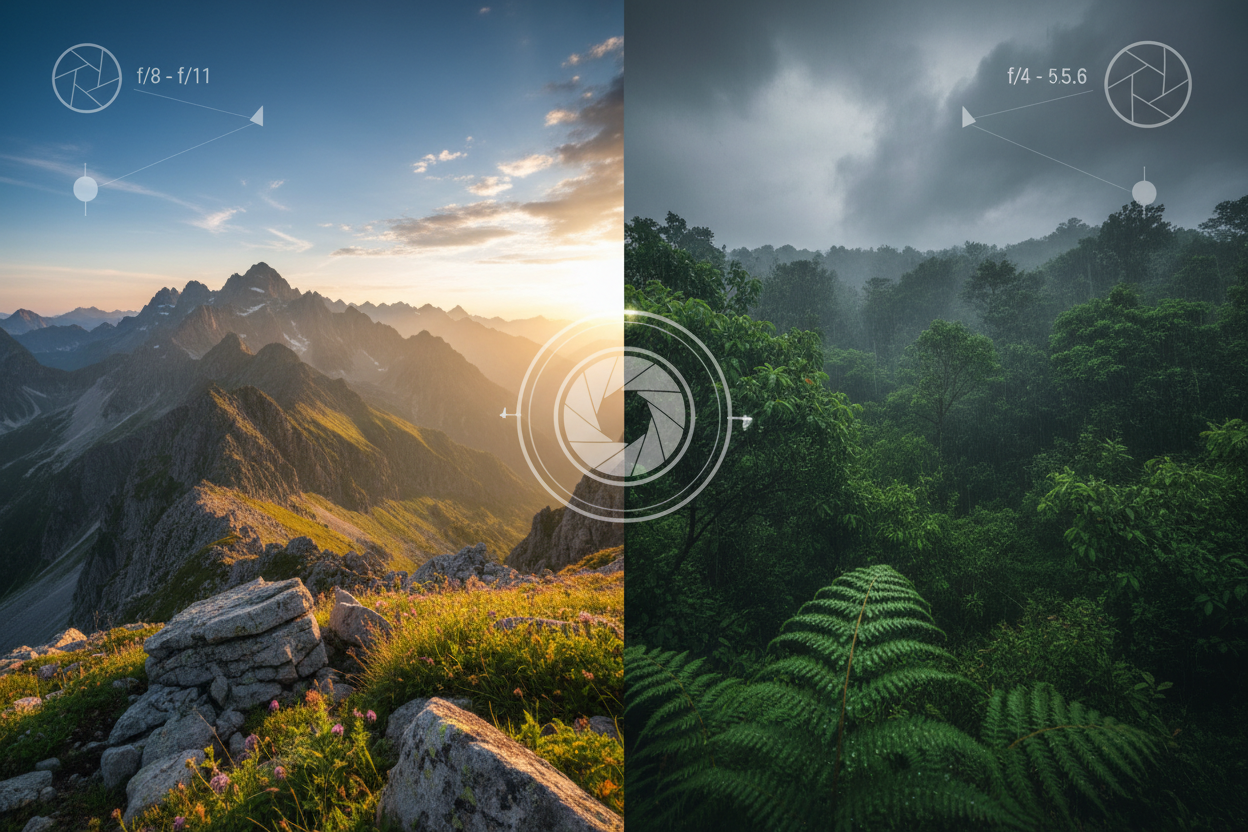
For daylight sequences, use smaller apertures (f/8 to f/11) to ensure sharp focus across the frame and handle the bright conditions. However, during monsoon season or in heavily forested areas, you might need to open up to f/4 or f/5.6 to maintain proper exposure.
Manual focus is crucial, especially in humid conditions where autofocus can hunt due to atmospheric distortion. Focus on the hyperfocal distance for landscape shots, or use live view magnification to ensure critical sharpness on your main subject.
White balance requires special attention in Thailand’s varied lighting conditions. The intense tropical sun can create cooler color temperatures than expected, while artificial lighting in markets and temples tends to be very warm. Shooting in RAW format gives you flexibility to adjust white balance in post-production, which is particularly valuable when capturing sequences that span different lighting conditions.
Mastering Interval Settings for Different Scenes
The interval between shots determines the final speed and smoothness of your time-lapse sequence. In Thailand’s dynamic environment, choosing the right interval is crucial for capturing the essence of each scene effectively.
For fast-moving subjects like Bangkok’s notorious traffic or busy floating markets, use shorter intervals of 1-3 seconds. This captures the frenetic energy while maintaining smooth motion in the final sequence. Street food preparation and market activities work well with 2-4 second intervals, allowing viewers to follow the action without losing detail.
Cloud formations, which are dramatic during Thailand’s monsoon season, require longer intervals of 10-30 seconds depending on wind speed. Fast-moving storm clouds might need 10-15 second intervals, while slow-forming cumulus clouds during calm weather can use 20-30 second intervals.
For architectural subjects like temples or traditional buildings, where you want to show the changing light throughout the day, 30-60 second intervals work well. This is particularly effective for capturing the way sunlight moves across ornate temple facades or illuminates Buddha statues.
Sunrise and sunset sequences, Thailand’s most photogenic moments, typically require 5-15 second intervals. The key is to start shooting well before the main event and continue afterward to capture the full transformation of light and color.
Weather Considerations and Seasonal Planning
Thailand’s weather patterns significantly impact time-lapse opportunities, and understanding these patterns is essential for successful shoots. The cool season (November to February) offers the most stable conditions with clear skies and minimal rain, making it ideal for beginners or complex multi-day sequences.
During the hot season (March to May), extreme heat creates interesting atmospheric effects like heat shimmer, which can add drama to landscape shots. However, equipment overheating becomes a serious concern. Plan shoots for early morning and late afternoon, and always have cooling solutions ready.
The rainy season (June to October) presents both challenges and opportunities. Sudden downpours can ruin equipment, but the dramatic cloud formations and atmospheric conditions create spectacular footage. Monsoon clouds building over rice fields or mountains make for compelling time-lapse subjects.
Coastal areas experience different microclimates. Morning fog rolling off the Andaman Sea or Gulf of Thailand creates mystical conditions perfect for time-lapse. However, salt air requires extra equipment protection and frequent cleaning.
Always check multiple weather sources and have backup plans. Thailand’s weather can change rapidly, and being prepared for sudden shifts will save your shoot and potentially your equipment.
Location-Specific Techniques
Different regions of Thailand require adapted approaches to maximize your time-lapse potential. In Bangkok, the urban environment offers unique opportunities but also challenges. Rooftop locations provide excellent vantage points for capturing the city’s sprawl and traffic patterns. However, air pollution can reduce visibility, so shooting during or just after rain often yields clearer results.
Northern Thailand, particularly around Chiang Mai and Chiang Rai, offers mountainous terrain and cultural sites. The cooler temperatures at elevation are easier on equipment, but morning fog can obscure views until mid-morning. Temple complexes in this region are particularly photogenic during festival seasons when they’re decorated with lights and flowers.
Southern Thailand’s beaches and islands present their own considerations. Sand and salt water are equipment killers, so protection is paramount. However, the payoff is enormous: dramatic sunsets, bioluminescent plankton, and pristine natural environments. Tide changes can dramatically alter compositions, so timing is crucial.
Rice paddies, found throughout the country, offer classic Thai imagery. The best time for rice field time-lapses is during planting season (typically May to July) when the fields are flooded and reflect the sky, or during harvest (November to December) when the golden grain creates warm, textured landscapes.
Post-Production Tips for Thai Footage
Thailand’s intense lighting conditions and high humidity can create unique challenges in post-production that require specific approaches. Color correction often needs more attention than footage shot in temperate climates. The intense tropical sun can wash out colors, while humidity can create a hazy, low-contrast look that needs enhancement.
Start with basic exposure and contrast adjustments, then move to color grading. Thailand’s natural palette tends toward warm tones, so enhancing the oranges and yellows in sunset sequences will make them more impactful. However, be careful not to over-saturate, as this can make the footage look artificial.
Deflickering is particularly important for sequences shot during changing light conditions, which happen frequently in Thailand’s dynamic weather. Use specialized deflickering software or techniques to smooth out exposure variations between frames.
Stabilization might be necessary for sequences shot in windy coastal areas or on less-than-perfect tripod setups. Modern software can correct minor camera shake without degrading image quality significantly.
Consider the final delivery format when processing. If your footage will be viewed on mobile devices, which is common for travel content, ensure that important details remain visible at smaller screen sizes and that the pacing works well for shorter attention spans.
Cultural Sensitivity and Legal Considerations
Filming in Thailand requires awareness of cultural norms and legal restrictions that can impact your time-lapse projects. Religious sites have specific rules about photography, and these vary between locations. Some temples prohibit photography entirely, while others allow it in certain areas or at specific times.
Always dress appropriately when filming at religious sites: cover shoulders and knees, remove shoes when required, and avoid pointing your feet toward Buddha images. Ask permission from monks or temple staff before setting up equipment, and be prepared to move if requested.
Privacy laws in Thailand are generally relaxed for street photography, but it’s still courteous to ask permission when individuals are clearly identifiable in your footage. This is particularly important in rural areas where people might be less accustomed to cameras.
Commercial filming often requires permits, especially in national parks or popular tourist destinations. If you’re shooting for commercial purposes, research permit requirements well in advance, as processing can take several weeks.
Drone regulations are strict in Thailand, with many areas completely off-limits. Popular tourist destinations, airports, and military installations are typically no-fly zones. Always check current regulations and obtain necessary permits before bringing drone equipment.
Conclusion
Thailand offers an incredible canvas for time-lapse photography, combining natural beauty, cultural richness, and dynamic weather patterns that create compelling visual stories. Success in this environment requires careful preparation, appropriate equipment, and respect for local customs and conditions.
The key to exceptional time-lapse footage in Thailand lies in understanding and adapting to the unique challenges the country presents. From managing equipment in high humidity to timing shoots around monsoon patterns, every aspect of your approach needs to consider the local environment.
Remember that the most technically perfect footage means nothing without respect for the people and places you’re documenting. Take time to understand the cultural context of your subjects, engage with local communities, and always prioritize safety and respect over getting the shot.
With proper planning, the right techniques, and a respectful approach, your time-lapse projects in Thailand can capture not just the visual beauty of this remarkable country, but also its spirit and energy. Whether you’re documenting the serene sunrise over Angkor-style ruins or the controlled chaos of a Bangkok street market, these techniques will help you create footage that truly represents the magic of Thailand.
 English
Leave a Reply