Malta Catacombs: Underground Christian Heritage Exploration
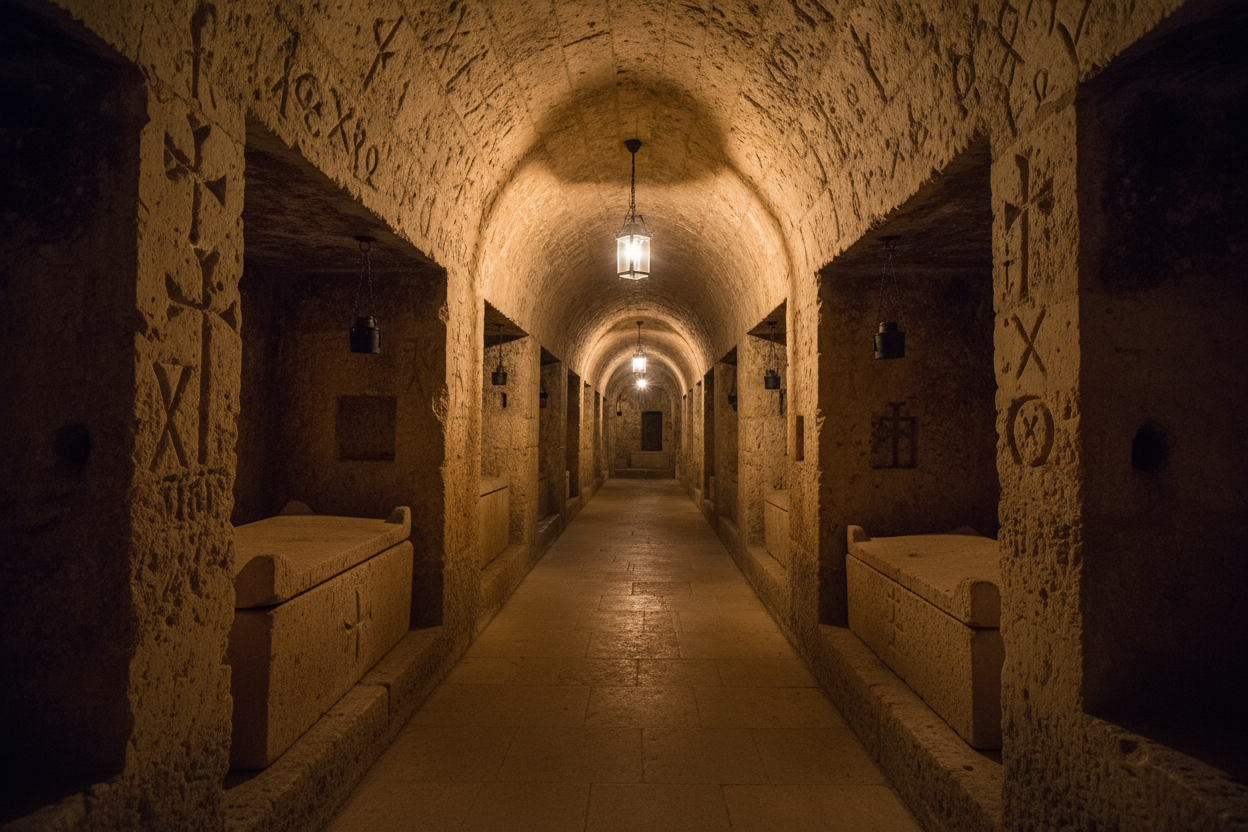
Beneath the sun-soaked Mediterranean island of Malta lies a hidden world that tells the remarkable story of early Christianity’s roots in Europe. The Malta catacombs represent one of the most significant archaeological treasures in the Mediterranean, offering visitors an extraordinary journey through centuries of Christian heritage carved directly into the living rock.
These underground burial chambers, dating back to the 3rd and 4th centuries AD, provide an intimate glimpse into the lives, beliefs, and artistic expressions of Malta’s earliest Christian communities. Far from being mere tourist attractions, these sacred spaces serve as tangible connections to the very foundations of Christianity in the region, making them essential destinations for history enthusiasts, religious pilgrims, and curious travelers alike.
The Historical Significance of Malta’s Christian Catacombs
Malta’s strategic position in the Mediterranean made it a crucial crossroads for early Christian missionaries and traders. The island’s conversion to Christianity is traditionally attributed to the Apostle Paul’s shipwreck here in 60 AD, as recorded in the Acts of the Apostles. This pivotal moment in Christian history set the stage for Malta to become one of the earliest Christian communities outside the Holy Land.
The catacombs themselves emerged during the Roman period when burial within city walls was prohibited. Early Christians, following Jewish burial customs rather than Roman cremation practices, needed dedicated spaces for their dead. What makes Malta’s catacombs particularly fascinating is how they reflect the unique blend of Roman, Punic, and early Christian influences that characterized the island’s culture during this transformative period.
Archaeological evidence suggests that these underground networks served multiple purposes beyond burial. They functioned as places of worship, community gathering, and refuge during times of persecution. The elaborate nature of many tomb chambers indicates that Malta’s early Christian community included people of considerable wealth and social standing, challenging common assumptions about early Christianity being exclusively a religion of the poor.
St. Paul’s Catacombs: The Crown Jewel of Underground Malta
Located in Rabat, just outside the ancient walls of Mdina, St. Paul’s Catacombs represent the largest and most accessible catacomb complex in Malta. This extensive underground network spans over 2,000 square meters and contains more than 30 hypogea, or underground burial chambers, each telling its own unique story.
What immediately strikes visitors is the sophisticated engineering behind these excavations. The early Christians carefully followed the natural limestone formations, creating a labyrinthine network that maximizes space while maintaining structural integrity. The main galleries connect smaller chambers through narrow passages, creating an almost mystical atmosphere enhanced by the play of light and shadow.
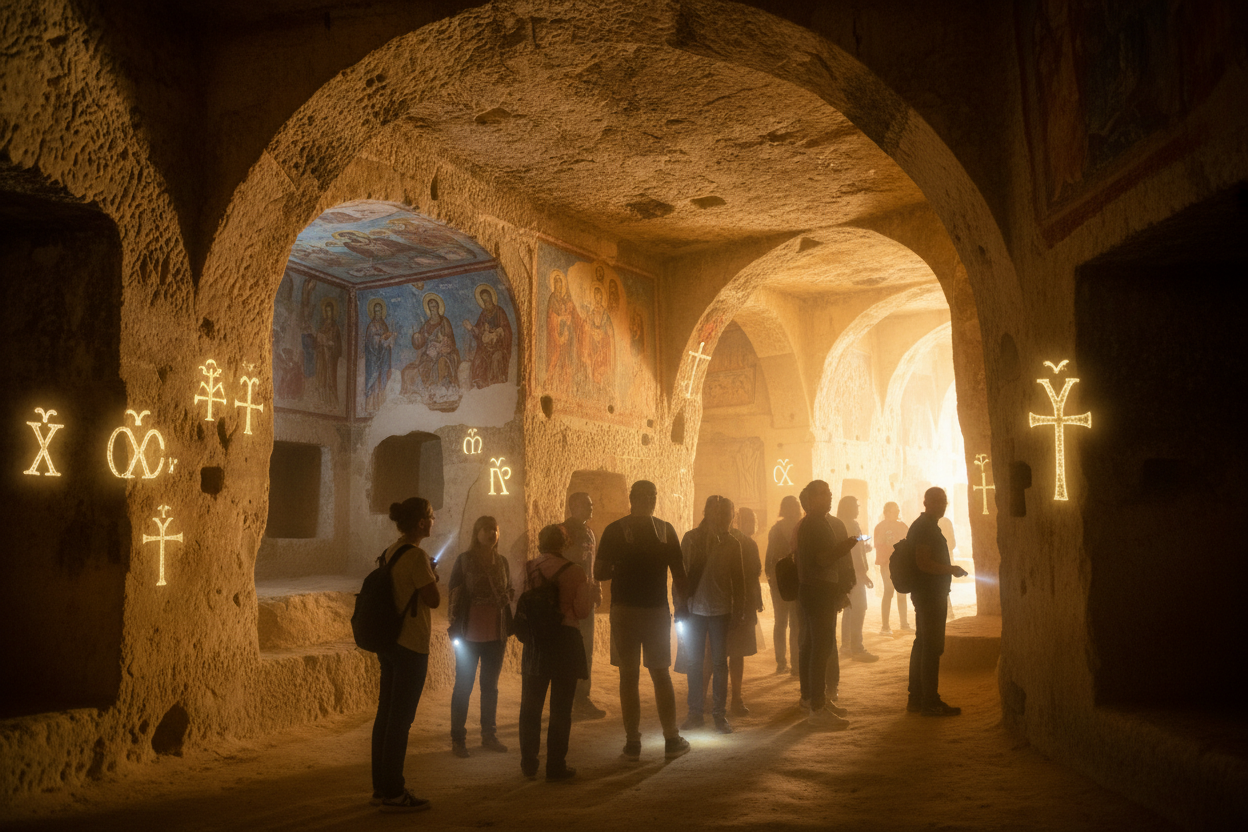
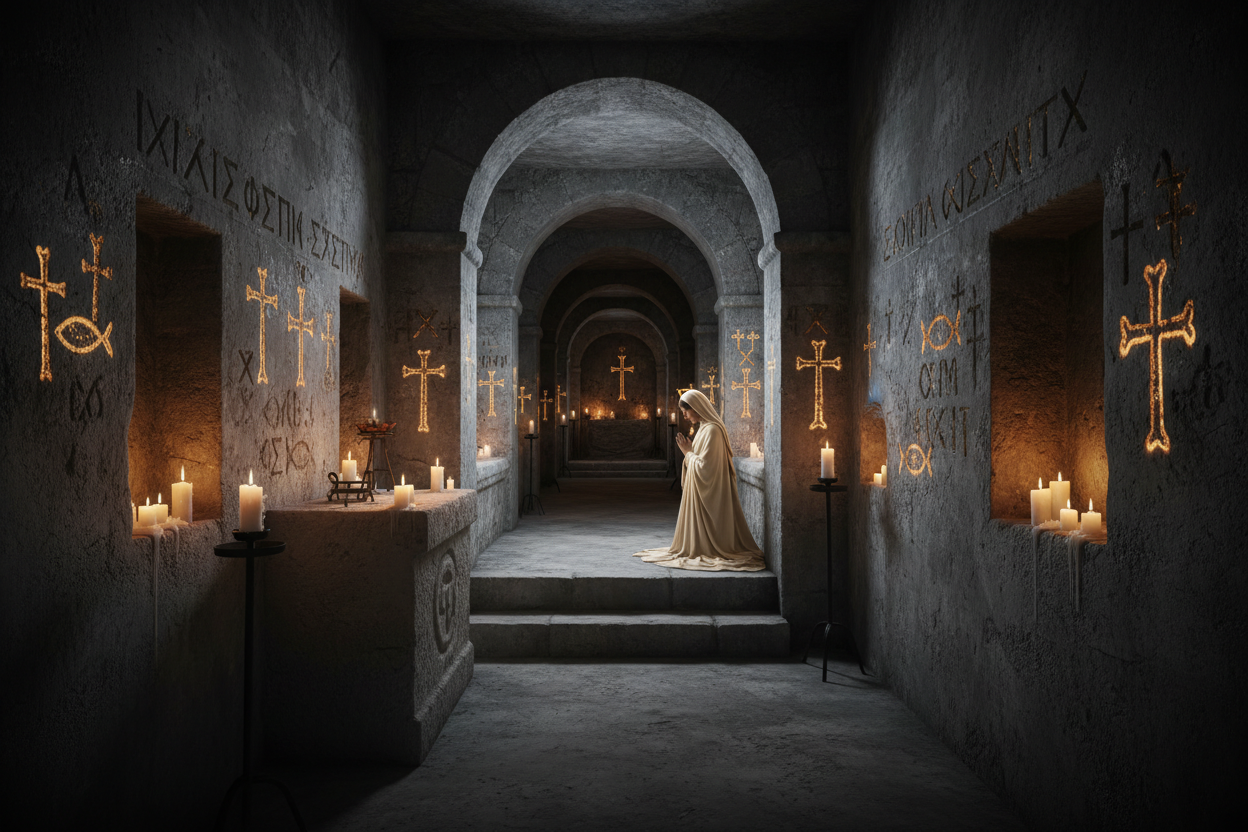
The artistic elements within St. Paul’s Catacombs are particularly noteworthy. Frescoes depicting biblical scenes, early Christian symbols like the chi-rho and fish motifs, and intricate geometric patterns adorn many tomb walls. These artistic expressions provide invaluable insights into how early Maltese Christians interpreted and visualized their faith, often blending Christian iconography with local artistic traditions.
One of the most remarkable features is the diversity of burial styles represented. Visitors can observe loculi (rectangular niches carved into walls), arcosolium tombs (arched recesses), and elaborate family mausoleums. This variety reflects different social classes, burial traditions, and periods of use, creating a comprehensive picture of Malta’s early Christian society.
St. Agatha’s Crypt and Catacombs: A Sacred Underground Sanctuary
Also located in Rabat, St. Agatha’s Crypt holds special significance as both a catacomb and an active place of worship. According to tradition, this underground complex provided refuge for St. Agatha of Sicily during her persecution in the 3rd century AD. The site beautifully demonstrates the continuity of Christian worship in Malta, with evidence of use spanning from the Roman period to the present day.
The crypt’s medieval frescoes are considered among Malta’s most important artistic treasures. These 12th to 15th-century paintings, created during the Norman and medieval periods, overlay the original Roman-era burial chambers. This layering of artistic periods creates a unique palimpsest of Christian devotion, showing how sacred spaces evolve while maintaining their essential spiritual character.
What makes St. Agatha’s particularly moving is its intimate scale and preserved atmosphere of devotion. Unlike larger archaeological sites, this crypt maintains an active spiritual presence, with regular masses and religious ceremonies connecting contemporary worshippers directly to Malta’s earliest Christian traditions. The experience of attending a service in these ancient chambers provides an unparalleled sense of historical continuity.
Archaeological Discoveries and Ongoing Research
Recent archaeological work in Malta’s catacombs continues to yield fascinating discoveries that reshape our understanding of early Christian life on the island. Advanced imaging techniques and careful excavation have revealed previously unknown chambers, hidden frescoes, and artifacts that provide new insights into daily life, burial practices, and religious beliefs of Malta’s early Christian communities.
One particularly significant discovery involved the identification of what appears to be an underground baptistery, complete with a stone font and drainage system. This finding suggests that some catacomb complexes served as complete religious centers rather than simple burial grounds. Such discoveries highlight the sophistication and organization of Malta’s early Christian community.
Researchers have also made important advances in dating and interpreting the various artistic elements found throughout the catacombs. New techniques for analyzing pigments and plaster layers have revealed that many frescoes underwent multiple periods of modification and restoration, indicating continuous use and reverence for these sacred spaces across centuries.
The ongoing research extends beyond archaeology to include studies of ancient DNA, dietary analysis through bone examination, and climate reconstruction. These multidisciplinary approaches are building a comprehensive picture of how early Christians lived, worked, and worshipped in ancient Malta, contributing valuable data to broader studies of early Christianity throughout the Mediterranean world.
Planning Your Underground Christian Heritage Journey
Visiting Malta’s catacombs requires some preparation to maximize the experience while respecting these sacred spaces. The underground environment maintains a constant temperature of around 16°C (61°F) year-round, making warm clothing advisable regardless of the season above ground. Comfortable walking shoes with good grip are essential, as some passages can be narrow and uneven.
Guided tours are highly recommended, particularly for first-time visitors. Knowledgeable local guides provide historical context and point out details that might otherwise be missed. Many tours combine visits to multiple catacomb sites, creating a comprehensive exploration of Malta’s underground Christian heritage. Audio guides are also available in multiple languages for those preferring self-guided exploration.
Photography policies vary between sites, with some areas restricting flash photography to preserve delicate frescoes. Visitors should check current regulations and respect any restrictions designed to protect these irreplaceable historical treasures. The atmospheric lighting in most catacombs creates naturally dramatic photographic opportunities even without flash.
The best times to visit are during shoulder seasons when crowds are smaller and the contrast between the warm Mediterranean sunshine and cool underground chambers is most pronounced. Early morning visits often provide the most peaceful and contemplative experiences, allowing for deeper appreciation of these sacred spaces’ spiritual significance.
Preserving Malta’s Underground Christian Legacy
The preservation of Malta’s catacombs presents ongoing challenges that require careful balance between public access and conservation. The limestone that makes these excavations possible is also vulnerable to erosion, humidity changes, and human impact. Conservation efforts employ cutting-edge technology to monitor environmental conditions and implement protective measures that ensure these treasures remain accessible to future generations.
Local conservation teams work continuously to stabilize fragile frescoes, manage water infiltration, and maintain the delicate environmental balance necessary for preservation. These efforts are supported by international partnerships with archaeological institutions and conservation organizations, bringing global expertise to bear on Malta’s unique preservation challenges.
Visitors play a crucial role in preservation efforts through respectful behavior and support for conservation initiatives. Following established pathways, respecting barriers, and adhering to photography guidelines all contribute to minimizing human impact on these fragile environments. Many visitors choose to support preservation efforts through donations or by purchasing locally-produced educational materials.
Conclusion: Connecting with Malta’s Spiritual Roots
Exploring Malta’s catacombs offers far more than a typical tourist experience; it provides a profound connection to the very foundations of European Christianity. These underground chambers serve as tangible links to the faith, courage, and artistic vision of Malta’s earliest Christian communities, making the abstract concepts of early church history immediate and personal.
The remarkable preservation of these sites allows modern visitors to walk literally in the footsteps of early Christians, experiencing spaces that have maintained their sacred character across nearly two millennia. Whether approached from historical, archaeological, artistic, or spiritual perspectives, Malta’s catacombs offer insights and experiences that resonate long after returning to the surface.
For travelers seeking authentic cultural experiences that transcend typical sightseeing, Malta’s underground Christian heritage represents an unparalleled opportunity to engage with living history. These sacred spaces remind us that faith, art, and community have always been intertwined, creating legacies that endure far beyond the civilizations that created them. In exploring these remarkable catacombs, visitors become part of an ongoing story that began with Malta’s earliest Christians and continues to unfold today.
 English
Leave a Reply