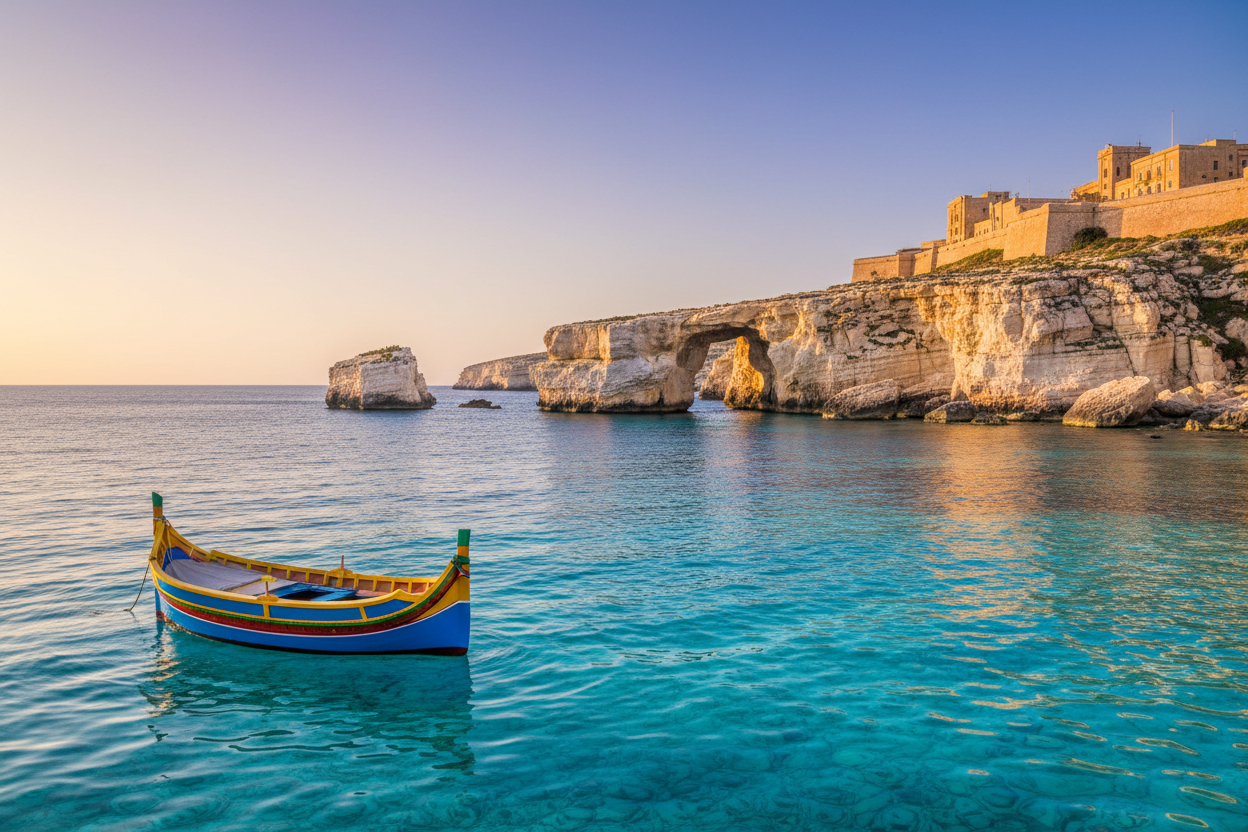
Malta Day Trips: Island Hopping and Mainland Excursions
Malta might be one of Europe’s smallest countries, but don’t let its size fool you. This Mediterranean archipelago packs an incredible punch when it comes to day trip opportunities. Whether you’re staying in bustling Valletta, historic Mdina, or the resort towns of St. Julian’s, you’ll find yourself perfectly positioned to explore everything from pristine beaches and ancient temples to charming fishing villages and dramatic coastal cliffs.
Having spent countless hours exploring Malta’s hidden corners and neighboring islands, I can tell you that the real magic happens when you venture beyond your hotel. The country’s compact size means you can experience multiple destinations in a single day, making it perfect for travelers who want to maximize their Mediterranean adventure. Let’s dive into the best day trips that will transform your Malta vacation from good to absolutely unforgettable.
Gozo Island: A Tranquil Escape from Malta’s Main Island
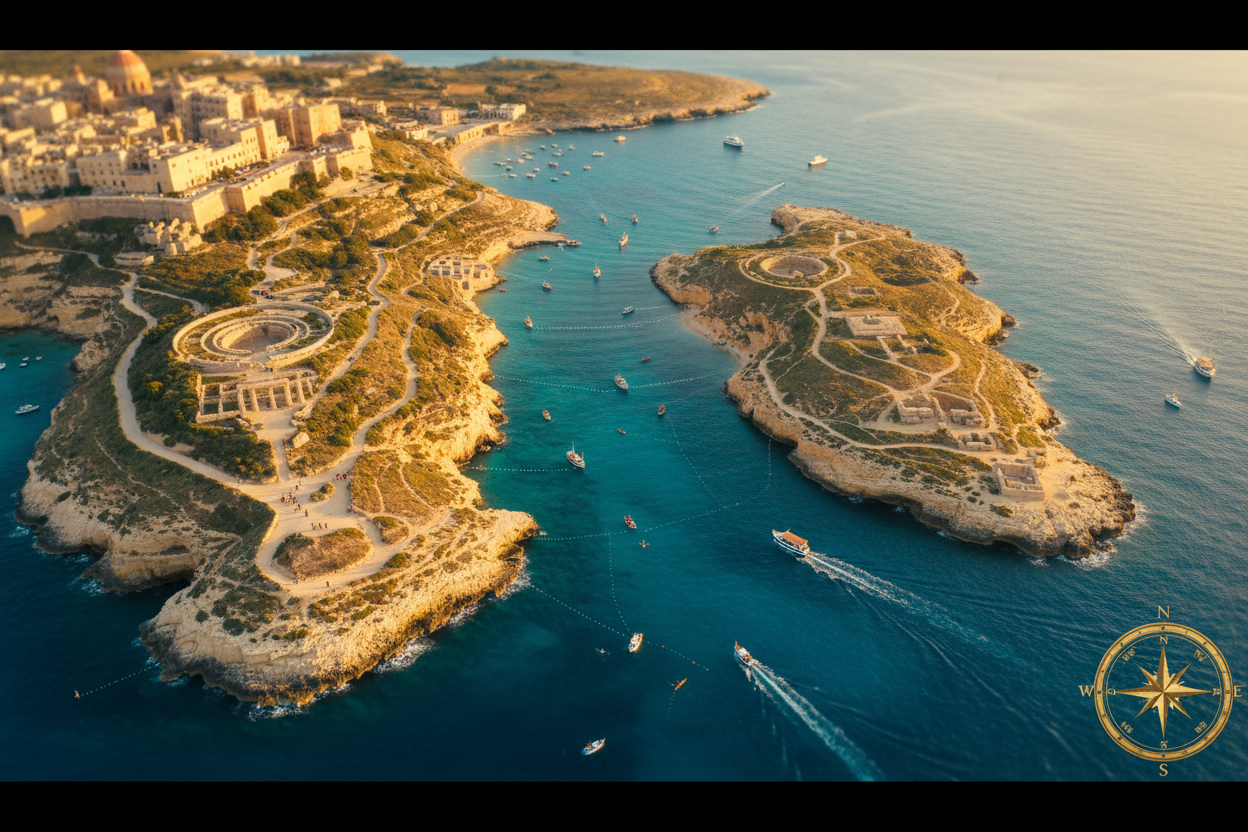
Just a 25-minute ferry ride from Malta’s northern port of Cirkewwa, Gozo feels like stepping into a different world entirely. This sister island moves at a slower pace, with rolling green hills, traditional stone farmhouses, and some of the clearest waters you’ll ever see.
Start your Gozo adventure early by catching the first ferry around 6:45 AM. The journey itself is spectacular, offering panoramic views of Malta’s coastline as you cross the Gozo Channel. Once you arrive at Mgarr Harbor, you’ll immediately notice the difference in atmosphere – Gozo is quieter, greener, and refreshingly unhurried.
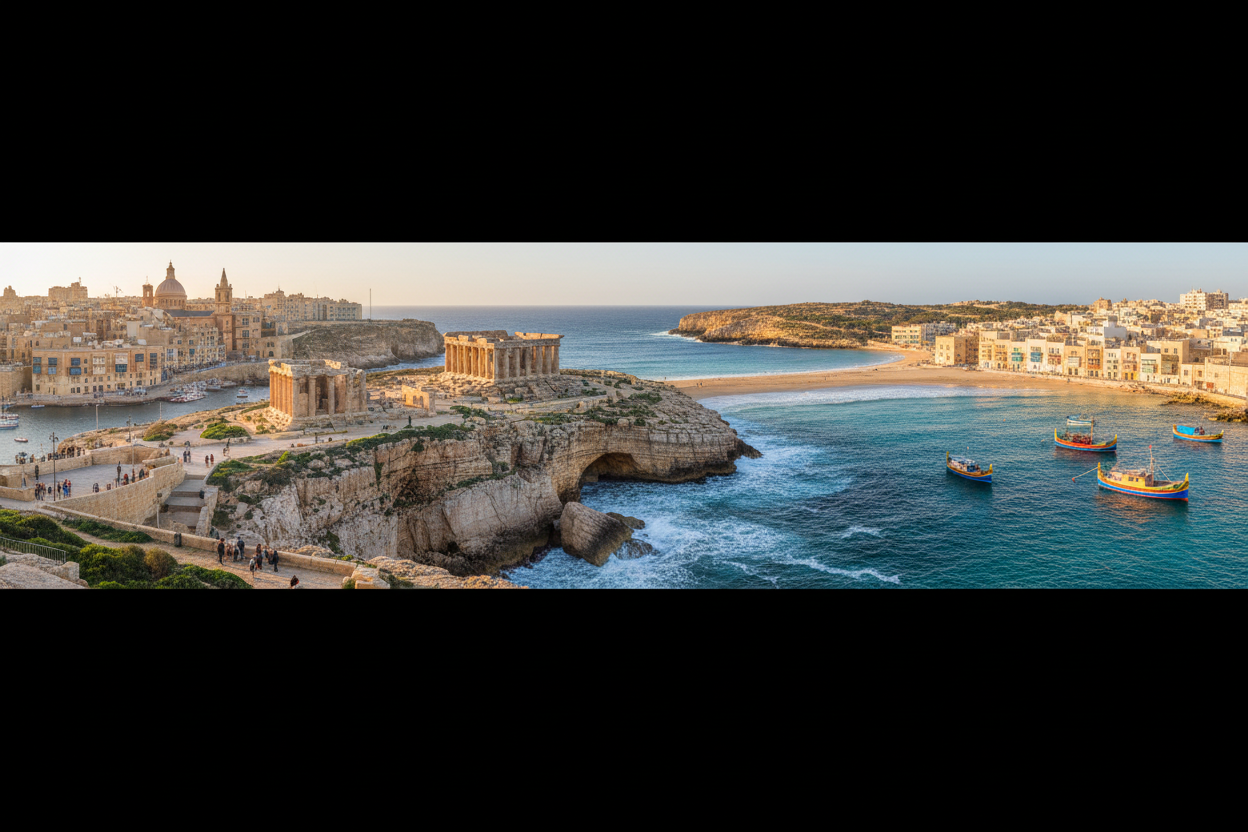
The Azure Window may have collapsed in 2017, but Gozo’s natural beauty remains intact. Head to Ramla Bay, famous for its distinctive red-orange sand that contrasts beautifully with the turquoise Mediterranean waters. The beach is perfect for swimming, and the surrounding hills offer excellent hiking opportunities for those seeking a bit of adventure.
Don’t miss the Ggantija Temples, older than Stonehenge and the Egyptian pyramids. These Neolithic structures, dating back over 5,500 years, provide fascinating insight into Malta’s ancient civilizations. The site is remarkably well-preserved, and the visitor center offers excellent context about prehistoric Malta.
For lunch, make your way to Victoria (also known as Rabat), Gozo’s charming capital. The narrow streets are lined with traditional Maltese balconies, and the Citadel offers stunning 360-degree views of the island. Try some local specialties like rabbit stew or fresh seafood at one of the family-run restaurants tucked away in the old town’s winding alleys.
Comino and the Famous Blue Lagoon
Between Malta and Gozo lies tiny Comino, an island so small it has only three permanent residents. But what Comino lacks in size, it more than makes up for in natural beauty. The Blue Lagoon, with its impossibly turquoise waters and white sandy bottom, has become one of Malta’s most photographed locations.
The best way to experience Comino is through a boat excursion that typically includes stops at multiple swimming spots around the island. These trips usually depart from various points around Malta, including Sliema, Bugibba, and the Marfa jetty. The journey takes about 45 minutes from most locations, giving you time to enjoy the coastal scenery and perhaps spot some dolphins along the way.
While the Blue Lagoon gets crowded during peak summer months, early morning visits reveal why this spot has captured so many hearts. The water is so clear you can see the sandy bottom even in deeper areas, making it perfect for snorkeling. Bring your underwater camera – the marine life here includes colorful fish species that thrive in the protected waters.
For a more secluded experience, explore Comino’s walking trails that lead to the Santa Marija Tower, a 17th-century watchtower offering panoramic views of both Malta and Gozo. The island’s rugged landscape is dotted with wild herbs like thyme and rosemary, creating a natural aromatherapy experience as you hike.
Pack a picnic lunch since dining options on Comino are limited to a small kiosk near the Blue Lagoon. The island’s untouched nature is part of its charm, so embrace the opportunity to disconnect and enjoy a simple meal surrounded by some of the Mediterranean’s most pristine scenery.
Mdina and Rabat: A Journey Through Malta’s Ancient Capital
Known as the “Silent City,” Mdina represents one of Malta’s most atmospheric day trip destinations. This fortified medieval town, perched on a hilltop in the center of Malta, served as the island’s capital for over 1,000 years. Walking through its narrow, car-free streets feels like traveling back in time.
The journey to Mdina from anywhere on Malta takes less than 30 minutes, making it perfect for a half-day excursion. The city’s honey-colored limestone walls are visible from miles away, creating anticipation as you approach this UNESCO World Heritage site.
Enter through the imposing Main Gate and you’ll find yourself in a maze of narrow streets lined with palaces, churches, and museums. The Cathedral of St. Paul dominates the city center, its baroque facade hiding beautiful frescoes and marble tombstones of Maltese nobility. The cathedral museum houses an impressive collection of religious artifacts and offers insight into Malta’s Catholic heritage.
For the best views in Malta, climb to the bastion walls that surround Mdina. From here, you can see across the entire island on clear days, from the harbors in the east to the cliffs of Dingli in the west. Sunset visits are particularly magical, as the golden hour light transforms the limestone buildings into glowing amber.
Adjacent Rabat deserves equal attention, particularly the St. Paul’s Catacombs. These underground burial chambers, dating from the 3rd to 8th centuries, provide fascinating insight into early Christian Malta. The catacombs are remarkably well-preserved, with intricate carvings and frescoes still visible after more than 1,500 years.
The Three Cities: Vittoriosa, Senglea, and Cospicua
Across the Grand Harbor from Valletta lie the Three Cities, collectively known as Cottonera. These historic settlements predate Valletta and played crucial roles in Malta’s defense against Ottoman forces during the Great Siege of 1565. Today, they offer a more authentic glimpse into traditional Maltese life, away from the tourist crowds of the capital.
Vittoriosa (Birgu) serves as the perfect starting point for exploring this area. The Inquisitor’s Palace, now a museum, tells the fascinating story of the Roman Inquisition in Malta. The building itself is remarkably preserved, with original furniture, artwork, and even prison cells where suspected heretics were held.
The Malta Maritime Museum, housed in the former Royal Naval Bakery, showcases Malta’s deep connection to the sea. From ancient Phoenician traders to modern shipping, the exhibits trace how maritime activities shaped Maltese culture and economy over millennia.
Senglea, the smallest of the Three Cities, offers some of Malta’s best harbor views from the Gardjola Gardens. This small watchtower garden provides the perfect vantage point to photograph Valletta’s impressive skyline across the water. The walk along Senglea’s waterfront is particularly pleasant in the late afternoon when the limestone buildings glow in the golden light.
Cospicua, the largest of the three, is less touristy but equally rewarding. Its narrow streets hide several beautiful churches and traditional Maltese houses with their characteristic wooden balconies. The area comes alive during local feast days when residents decorate the streets with elaborate displays and organize traditional celebrations.
Marsaxlokk: Malta’s Premier Fishing Village
No Malta day trip collection is complete without visiting Marsaxlokk, the island’s most picturesque fishing village. Located on the southeastern coast, this charming harbor town is famous for its colorful traditional fishing boats called “luzzus” and its bustling Sunday fish market.
The drive to Marsaxlokk takes you through Malta’s rural heartland, passing terraced fields, ancient cart ruts, and traditional farmhouses. The village itself centers around a natural harbor that has sheltered boats for thousands of years – even the Phoenicians used this same port over 2,500 years ago.
The luzzus, painted in bright blues, reds, and yellows, create a photographer’s paradise against the backdrop of traditional Maltese architecture. These boats still follow ancient designs, complete with the “Eye of Osiris” painted on their bows for protection at sea. Many of the fishermen are happy to share stories about their boats and the traditional fishing methods still used today.
Sunday mornings transform Marsaxlokk into a vibrant market town where locals come to buy the freshest catch of the day. The fish market offers everything from local lampuki (dolphin fish) to Mediterranean sea bream, all displayed on ice-filled tables along the waterfront. Even if you’re not buying, the market provides excellent insight into Maltese culinary traditions.
For lunch, choose one of the waterfront restaurants specializing in fresh seafood. Many establishments get their fish directly from the boats you see in the harbor, ensuring maximum freshness. Try the local specialty “aljotta,” a traditional fish soup flavored with garlic, herbs, and tomatoes.
Dingli Cliffs and Hagar Qim Temples
Malta’s western coast offers some of the island’s most dramatic scenery, combining prehistoric temples with spectacular cliff-top views. This day trip takes you to some of Malta’s highest points and oldest human settlements, creating a perfect blend of natural beauty and ancient history.
The Dingli Cliffs stretch for several kilometers along Malta’s western edge, reaching heights of over 200 meters above sea level. These limestone cliffs provide unobstructed views across the Mediterranean, and on exceptionally clear days, you can see all the way to Sicily. The area is perfect for hiking, with well-marked trails running along the cliff edge through Mediterranean scrubland.
The small chapel of St. Mary Magdalene, perched on the cliff edge, makes for a perfect photo opportunity. Built in the 15th century, this tiny church has withstood centuries of Mediterranean storms and remains a popular pilgrimage site for locals.
Just a short drive from Dingli, the Hagar Qim and Mnajdra temple complexes represent some of humanity’s oldest free-standing structures. These Neolithic temples, built between 3600 and 2500 BCE, predate both Stonehenge and the Egyptian pyramids. The UNESCO World Heritage sites are now protected by modern shelters that preserve the ancient stones while allowing visitors to appreciate their incredible craftsmanship.
The temples’ astronomical alignments demonstrate the sophisticated knowledge of their builders. During the spring and autumn equinoxes, sunlight passes through the temple doorways in precisely calculated ways, suggesting these structures served as ancient calendars as well as religious sites.
The visitor center provides excellent context about temple construction techniques and the mysterious people who built them. Interactive displays help visitors understand how these massive limestone blocks were quarried, transported, and assembled using only primitive tools.
Planning Your Malta Day Trips: Practical Tips and Transportation
Successfully navigating Malta’s day trip opportunities requires some practical planning, especially regarding transportation and timing. Malta’s public bus system is extensive and affordable, connecting all major attractions, though renting a car provides more flexibility for combining multiple destinations in a single day.
The Malta Public Transport system operates modern, air-conditioned buses that reach virtually every corner of the island. A day pass costs around 2.60 euros and provides unlimited travel, making it incredibly economical for budget-conscious travelers. However, buses can be crowded during peak tourist season, and schedules don’t always align perfectly with sightseeing plans.
Car rental opens up more possibilities, allowing you to explore at your own pace and combine destinations that might be difficult to reach by public transport. Malta drives on the left side of the road (a legacy of British rule), and parking can be challenging in popular tourist areas. Book parking in advance when possible, especially in Valletta and Mdina.
For island hopping to Gozo and Comino, several companies offer organized boat tours that handle all transportation and often include meals and equipment for water activities. These tours typically cost between 25-45 euros per person and eliminate the stress of coordinating ferry schedules and local transport.
Weather plays a crucial role in day trip planning. Summer temperatures can exceed 30°C (86°F), making early morning starts essential for outdoor activities. Spring and autumn offer ideal conditions with mild temperatures and fewer crowds. Winter visits are possible but some boat services to Comino may be suspended during rough weather.
Conclusion
Malta’s compact size transforms what might be week-long itineraries in larger countries into perfectly manageable day trips. From the prehistoric temples that predate Stonehenge to the crystal-clear waters of the Blue Lagoon, each excursion reveals new facets of this remarkable Mediterranean archipelago.
The beauty of Malta day trips lies not just in the destinations themselves, but in the journey between them. Whether you’re watching traditional fishermen mend their nets in Marsaxlokk, exploring underground catacombs in Rabat, or simply enjoying a sunset from Dingli Cliffs, each experience contributes to a deeper understanding of Maltese culture and history.
Remember that Malta rewards the curious traveler who ventures beyond the obvious attractions. Some of my most memorable moments have come from unexpected discoveries – a hidden chapel tucked into coastal cliffs, a local festa celebration in a village square, or conversations with elderly Maltese who remember when these islands were very different places.
Plan your days with flexibility, allowing time for spontaneous discoveries that make travel truly memorable. Malta may be small, but its capacity to surprise and delight visitors is genuinely limitless. Each day trip becomes a chapter in your own Mediterranean adventure story, filled with ancient mysteries, natural beauty, and the warmth of Maltese hospitality that keeps travelers returning year after year.
 English
Leave a Reply