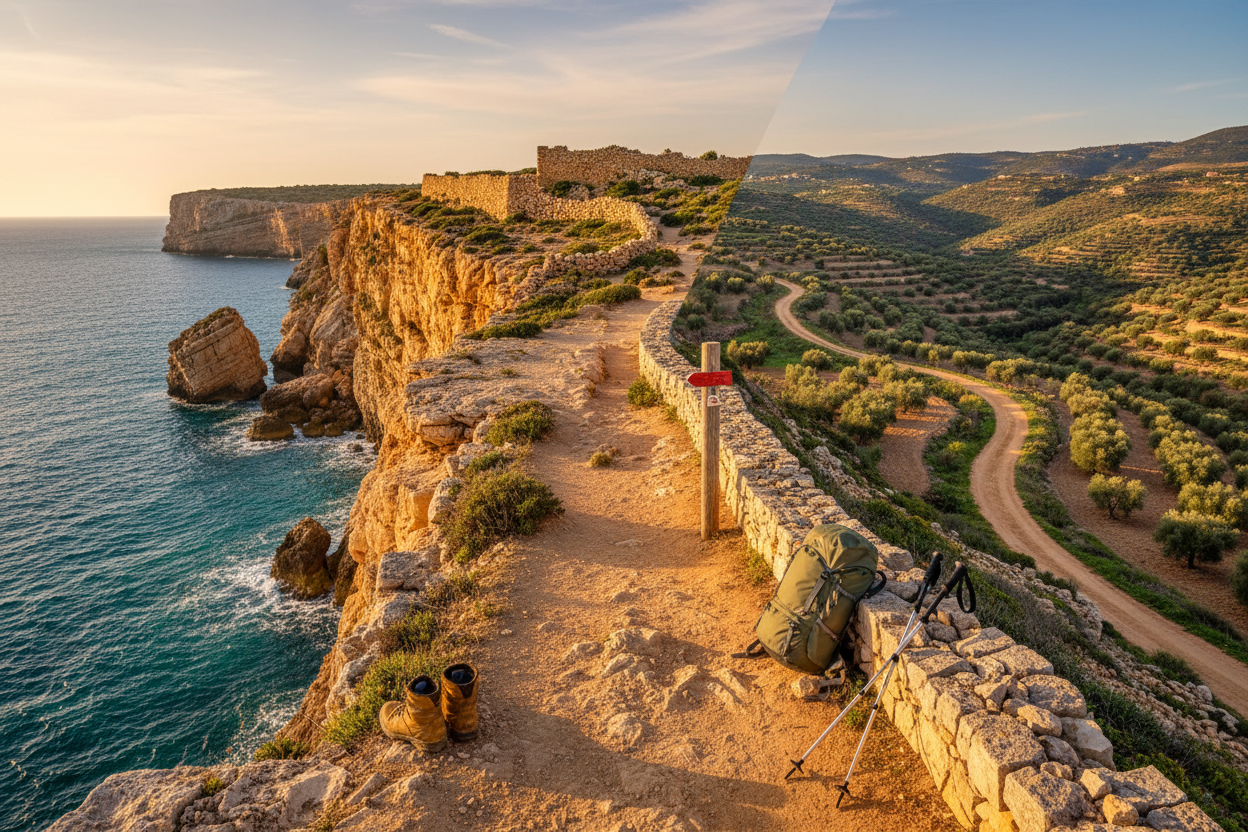
Malta Hiking Trails: Coastal Walks and Countryside Paths
Nestled in the heart of the Mediterranean, Malta might be small in size, but it packs an incredible punch when it comes to hiking opportunities. This archipelago nation offers some of Europe’s most spectacular coastal walks and charming countryside paths, all wrapped up in a compact package that makes it perfect for hiking enthusiasts of all levels. Whether you’re drawn to dramatic clifftop views, ancient historical sites, or peaceful rural landscapes, Malta’s hiking trails deliver experiences that will leave you breathless – and not just from the Mediterranean sun.
The beauty of hiking in Malta lies in its accessibility and diversity. You can start your morning exploring rugged coastal paths with crystal-clear waters stretching to the horizon, enjoy lunch in a traditional Maltese village, and finish your day wandering through terraced countryside dotted with ancient cart ruts and mysterious megalithic temples. It’s this unique blend of natural beauty, rich history, and cultural authenticity that makes Malta a hidden gem for walking enthusiasts.
Why Malta is a Hiker’s Paradise
Malta’s compact size – just 316 square kilometers – means you’re never more than a short drive from your next adventure. The islands boast over 300 days of sunshine annually, making it an ideal year-round hiking destination. Unlike many Mediterranean destinations that become uncomfortably hot in summer, Malta’s coastal location provides refreshing sea breezes that make even summer hikes enjoyable, particularly along the coast.
The geological diversity is remarkable for such a small area. Malta’s limestone cliffs, created over millions of years, have been sculpted by wind and waves into dramatic formations that provide stunning backdrops for your hiking adventures. Add to this the rich tapestry of human history – from Neolithic temples predating Stonehenge to medieval fortifications – and you have hiking trails that are as educational as they are beautiful.
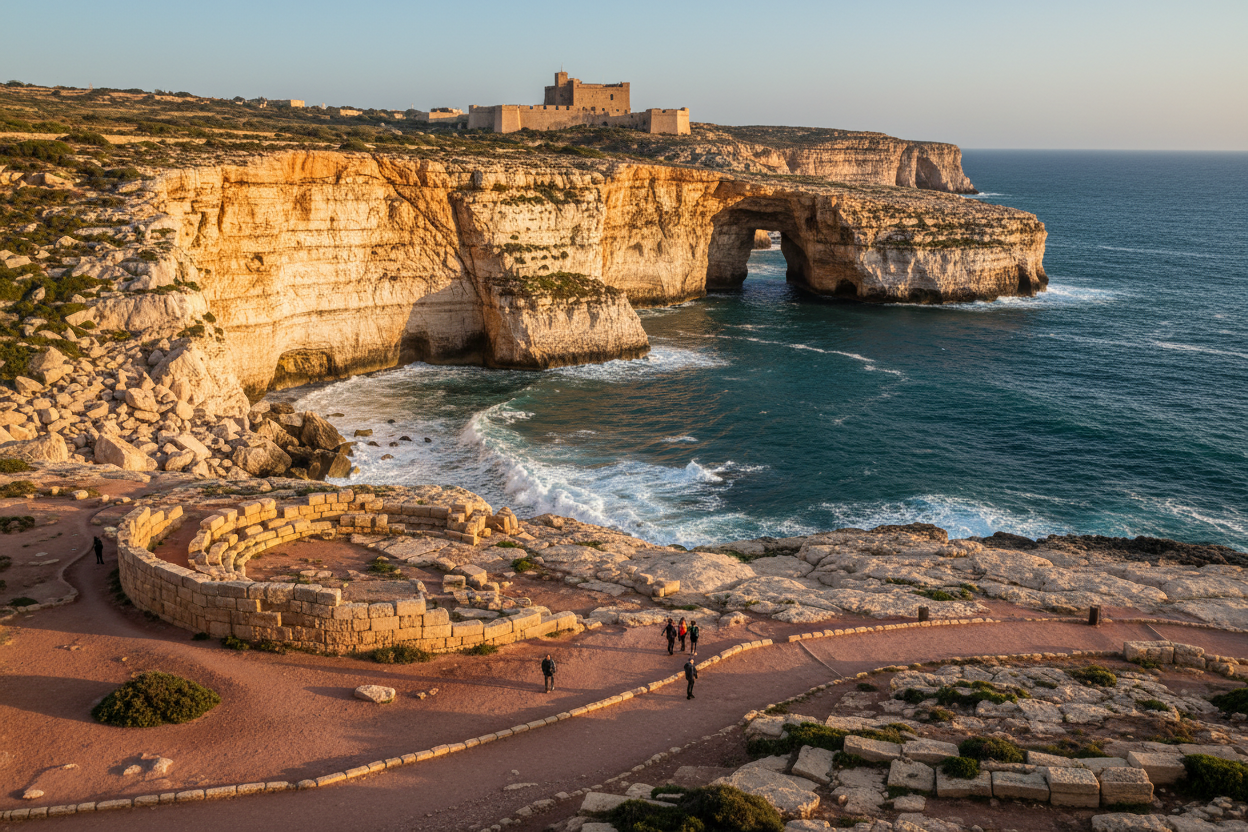
What truly sets Malta apart is the sense of discovery around every corner. Ancient cart ruts carved into solid rock, hidden bays accessible only on foot, and traditional farming terraces that have remained unchanged for centuries create a hiking experience that feels like stepping back in time while enjoying thoroughly modern trail infrastructure.
Spectacular Coastal Walking Routes
The Golden Bay to Ghajn Tuffieha Trail
This coastal walk connects two of Malta’s most beautiful beaches and offers some of the island’s most Instagram-worthy views. The trail begins at Golden Bay, one of Malta’s largest sandy beaches, and follows the clifftop path to the more secluded Ghajn Tuffieha Bay. The 2-kilometer walk takes about 45 minutes at a leisurely pace, but you’ll want to allow much longer for photo stops and simply soaking in the views.
The path winds along red clay cliffs that contrast beautifully with the azure Mediterranean waters below. During spring months, the route is particularly stunning as wildflowers carpet the clifftops in vibrant colors. The trail is well-marked and suitable for families, though sturdy footwear is recommended as some sections can be rocky.
What makes this walk special is the changing perspective of the coastline. Each bend reveals new vistas, from hidden coves to distant headlands. The endpoint at Ghajn Tuffieha offers one of Malta’s most photographed viewpoints, where golden sands meet turquoise waters in a perfect crescent bay.
Dingli Cliffs Coastal Path
For those seeking more dramatic coastal scenery, the Dingli Cliffs offer Malta’s highest coastal walk. Rising 253 meters above sea level, these limestone cliffs provide panoramic views across the Mediterranean and, on clear days, glimpses of the neighboring island of Filfla.
The main trail stretches for approximately 5 kilometers along the clifftop, passing the iconic Dingli Radar Station and several small chapels that dot the landscape. The path is generally flat and well-maintained, making it accessible to most fitness levels. However, the exposed nature of the cliffs means this walk is best avoided during strong winds.
The Dingli Cliffs walk is particularly magical during sunset hours when the limestone takes on golden hues and the Mediterranean stretches endlessly toward the horizon. The combination of natural beauty and the sense of standing at the edge of Europe creates an almost spiritual hiking experience.
Blue Grotto to Wied iz-Zurrieq
This lesser-known coastal route takes you from the famous Blue Grotto area along a rugged stretch of southern coastline. The 3-kilometer trail offers a more challenging coastal experience, with some scrambling required over rocky sections. The reward is access to secluded swimming spots and caves that can only be reached on foot.
The path follows ancient cart ruts for portions of the route, adding historical intrigue to the natural beauty. You’ll pass several natural arches carved by millennia of wave action, and the clear waters below provide excellent snorkeling opportunities for those willing to make the climb down to sea level.
Discovering Malta’s Countryside Paths
Victoria Lines Trail
The Victoria Lines represent one of Malta’s most significant historical hiking opportunities. This 12-kilometer fortification line, built by the British in the late 19th century, cuts across the width of Malta and can be followed on foot for most of its length. The trail passes through diverse landscapes, from urban areas to rural countryside, offering insights into both Malta’s military history and its natural heritage.
The western section of the Victoria Lines, starting near Fomm ir-Rih Bay, provides the most scenic hiking. Here, the trail follows the natural ridge line, offering views both north and south across the island. Ancient cart ruts intersect with the more recent fortifications, creating a fascinating timeline of human activity spanning thousands of years.
This trail requires a full day to complete in its entirety, but it can easily be broken into shorter sections. Each segment offers different perspectives on Maltese countryside, from traditional farming areas to wilder, more natural landscapes where endemic plants and migrating birds can be observed.
Buskett Gardens and Girgenti Valley
Malta’s largest wooded area, Buskett Gardens, provides a refreshing change from the typical Mediterranean landscape. This countryside trail winds through one of the few areas on the island where you can walk in shade, making it particularly popular during the warmer months.
The trail through Buskett connects to the Girgenti Valley, creating a circular route of approximately 4 kilometers. The path passes through orange and lemon groves, traditional Maltese farmland, and areas of indigenous woodland. During spring, the valley comes alive with wildflowers, including several species found nowhere else in Europe.
What makes this countryside walk special is its tranquility. Despite being relatively close to urban areas, the Buskett trail feels worlds away from Malta’s busier tourist zones. The sound of birdsong replaces traffic noise, and the scent of citrus blossoms provides a sensory hiking experience unique to this part of the Mediterranean.
Wied il-Ghasri Valley Trail
Located on Malta’s sister island of Gozo, this countryside valley trail offers some of the most pristine hiking in the Maltese archipelago. The Wied il-Ghasri valley cuts through traditional Gozitan farmland, following an ancient watercourse toward a dramatic coastal inlet.
The 2-kilometer trail begins in rural countryside characterized by traditional dry-stone walls and terraced fields. As you descend toward the coast, the landscape becomes wilder, with Mediterranean scrubland giving way to dramatic limestone cliffs. The trail ends at a narrow inlet where crystal-clear waters have carved a channel through the rock.
This countryside path showcases traditional Maltese agriculture at its finest. Ancient farming techniques are still visible in the terraced fields, and the dry-stone walls that line much of the route represent centuries of agricultural tradition. The contrast between human cultivation and wild coastal landscape makes this one of Malta’s most photographically rewarding countryside hikes.
Essential Hiking Tips for Malta
Best Times to Hike
Malta’s hiking season essentially runs year-round, but each season offers different advantages. Spring (March to May) is arguably the best time for hiking, with mild temperatures, blooming wildflowers, and clear skies. Autumn (September to November) provides similar conditions with the added benefit of warm sea temperatures for post-hike swimming.
Summer hiking is certainly possible, but early morning or late afternoon walks are recommended to avoid the midday heat. The coastal paths benefit from sea breezes that make summer hiking more comfortable than inland routes. Winter hiking offers the advantage of fewer crowds and dramatic storm-watching opportunities, though waterproof clothing is essential.
What to Pack
Malta’s rocky terrain demands sturdy hiking boots with good ankle support. The limestone can be slippery when wet, so boots with excellent grip are crucial. Sun protection is essential year-round – the Mediterranean sun is stronger than many visitors expect, and the reflection off limestone and sea intensifies UV exposure.
Water is perhaps the most critical consideration. Malta has limited natural shade, and the combination of sun, wind, and physical activity can lead to rapid dehydration. Carry more water than you think you’ll need, particularly on longer coastal walks where there are no facilities.
A basic first aid kit is recommended, particularly for more remote trails. While Malta is generally very safe, the rocky terrain can cause cuts and scrapes. Include blister treatment, as the combination of heat and unfamiliar terrain can quickly cause foot problems.
Trail Safety and Navigation
Most of Malta’s popular hiking trails are well-marked, but GPS navigation or offline maps are recommended for more remote routes. The island’s small size means you’re unlikely to get seriously lost, but cliff-edge paths require careful attention, particularly in windy conditions.
Mobile phone coverage is generally excellent throughout Malta, making emergency communication possible from most hiking locations. However, inform someone of your hiking plans, particularly for more remote coastal routes where help might take longer to arrive.
Weather conditions can change rapidly, particularly along the coast. Check marine weather forecasts before coastal walks, as strong winds can make cliff-edge paths dangerous. The limestone becomes very slippery when wet, so avoid hiking immediately after rain unless you have appropriate footwear.
Conclusion
Malta’s hiking trails offer an extraordinary diversity of experiences packed into one of Europe’s smallest countries. From dramatic coastal walks with endless Mediterranean views to peaceful countryside paths through traditional farming landscapes, the Maltese islands provide hiking adventures that satisfy every type of outdoor enthusiast.
What makes Malta truly special as a hiking destination is the seamless blend of natural beauty, historical significance, and cultural authenticity. Every trail tells a story, whether it’s the geological tale written in limestone cliffs, the human history preserved in ancient cart ruts, or the living culture visible in traditional farming practices that continue today.
The accessibility of Malta’s hiking trails means you can experience this diversity without the logistics challenges of larger countries. You can walk coastal paths in the morning, explore countryside valleys in the afternoon, and still have time to enjoy Malta’s excellent restaurants and historic sites. It’s this combination that makes Malta not just a hiking destination, but a complete outdoor adventure experience in miniature.
Whether you’re a serious hiker looking for your next challenge or a casual walker seeking beautiful scenery and interesting history, Malta’s coastal walks and countryside paths deliver experiences that will leave you planning your return visit before you’ve even finished your first trail.
 English
Leave a Reply