Malta Fortifications: Military History and Defensive Architecture
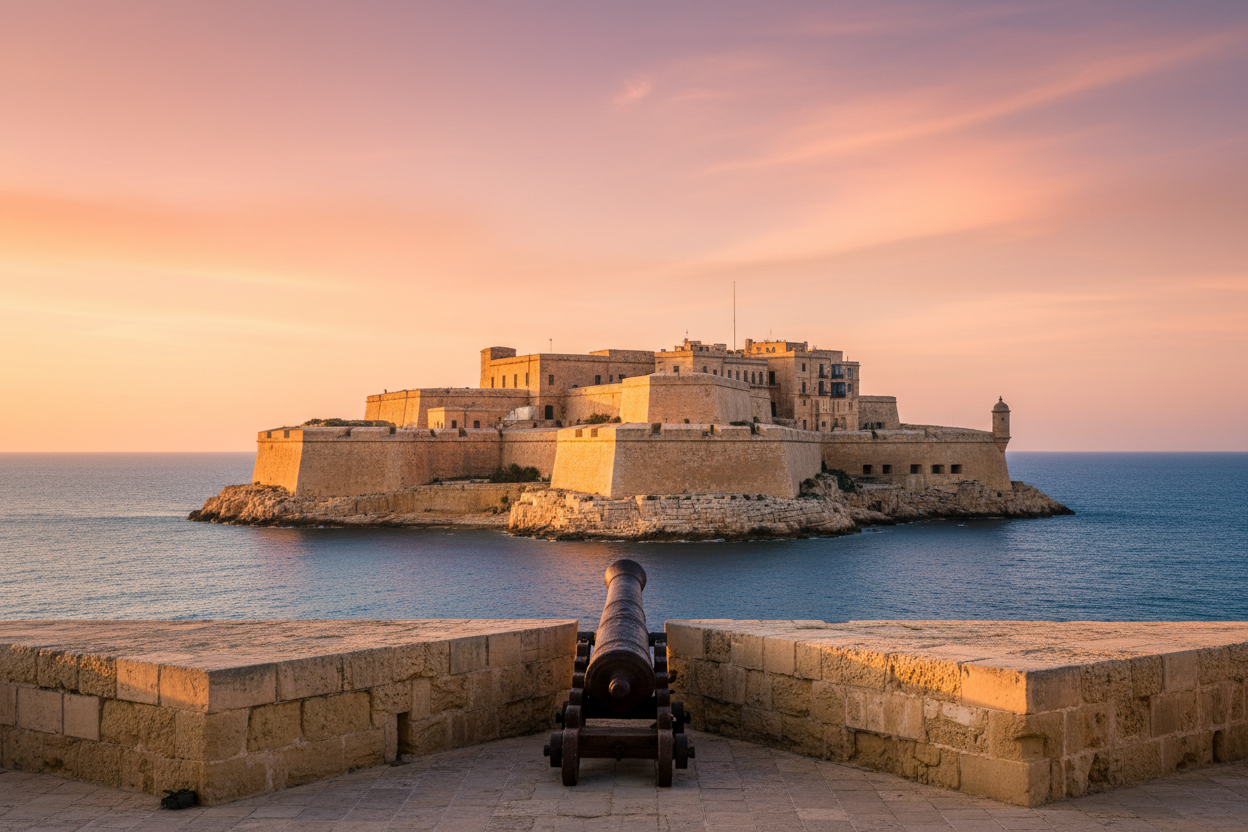
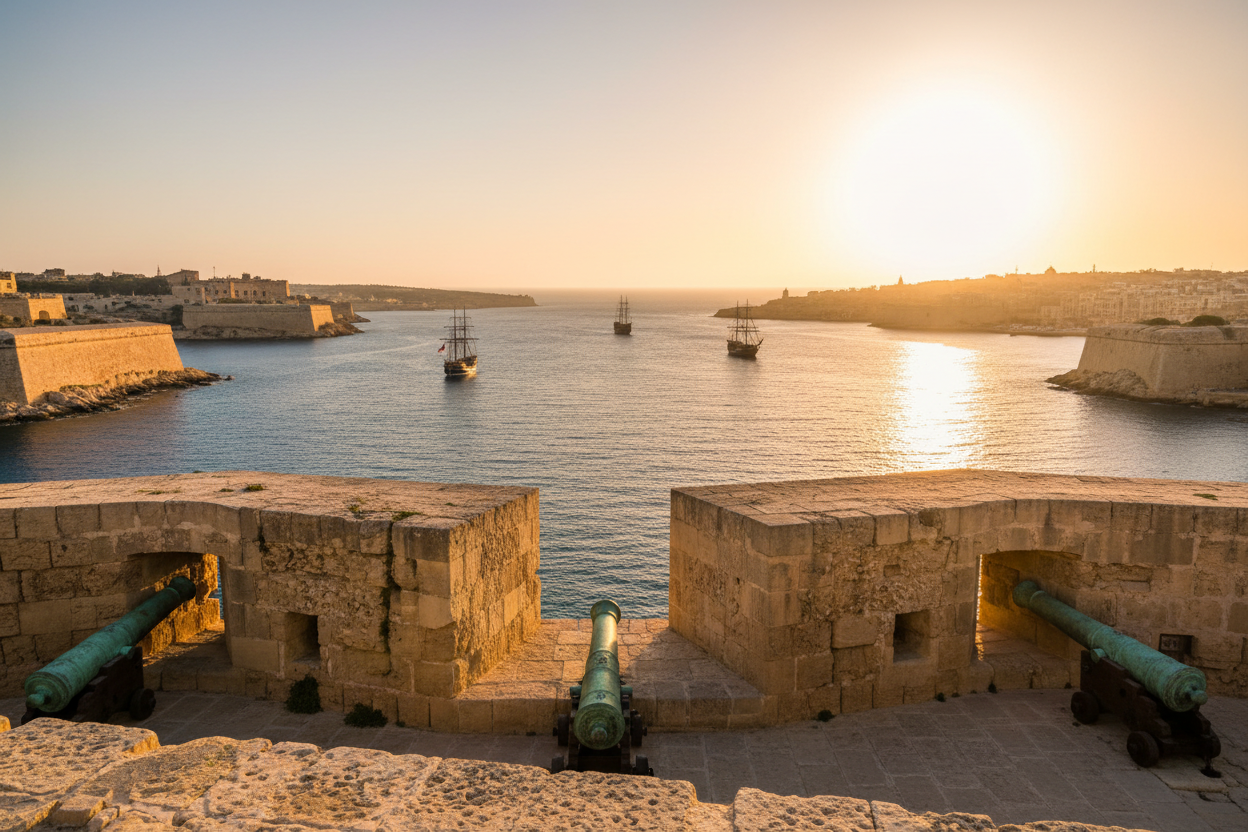
Standing on the bastions of Valletta, gazing across the Grand Harbour toward the ancient fortifications that crown the opposite shores, you can almost hear the echoes of cannon fire and the clash of steel that once defined Malta’s turbulent past. This small Mediterranean archipelago, strategically positioned between Europe and Africa, has witnessed some of history’s most dramatic sieges and military innovations. The fortifications that still dominate Malta’s landscape today tell a remarkable story of defensive architecture that spans over two millennia, making the islands a living museum of military engineering.
Malta’s strategic importance has attracted conquerors, crusaders, and colonizers throughout history, each leaving their mark on the island’s defensive infrastructure. From prehistoric temples to medieval castles, from Renaissance bastions to World War II bunkers, Malta’s fortifications represent an unbroken chain of military evolution that continues to fascinate historians, architects, and visitors alike.
The Strategic Importance of Malta Throughout History
Malta’s position in the heart of the Mediterranean has made it a coveted prize for maritime powers throughout history. Located just 93 kilometers south of Sicily and 300 kilometers north of the African coast, the islands control the narrow channel between the eastern and western Mediterranean basins. This strategic location has made Malta a crucial waypoint for trade routes and naval operations for over 4,000 years.
The Phoenicians were among the first to recognize Malta’s strategic value, establishing trading posts around 800 BCE. The Romans later fortified the islands, understanding their importance for controlling Mediterranean shipping lanes. However, it was during the medieval period that Malta’s defensive significance truly emerged, particularly after the arrival of the Knights of St. John in 1530.
The Ottoman Empire’s expansion into the Mediterranean during the 16th century made Malta a frontline fortress of Christian Europe. The Great Siege of 1565, where a small force of Knights and Maltese defenders held off a massive Ottoman invasion fleet, demonstrated the islands’ defensive potential and secured their reputation as an impregnable fortress.
Prehistoric and Ancient Fortifications
Long before the famous bastions of Valletta rose from the limestone cliffs, Malta’s earliest inhabitants were already thinking defensively. The mysterious temple builders of the Neolithic period, who constructed the world’s oldest free-standing stone structures between 3600 and 2500 BCE, chose elevated positions for many of their monuments, suggesting an early understanding of defensive positioning.
The Bronze Age brought the first true fortifications to Malta. The Borg in-Nadur archaeological site reveals evidence of substantial defensive walls dating to around 1500 BCE, complete with bastions and gates that show sophisticated military planning. These early fortifications demonstrate that even Malta’s prehistoric inhabitants understood the need to defend their strategic island home.
During the Roman period, Malta became part of a vast defensive network that protected Roman shipping across the Mediterranean. While few Roman military structures survive intact, archaeological evidence suggests the presence of coastal watchtowers and harbor fortifications that would influence later defensive strategies. The Romans also established the settlement of Melite (modern-day Mdina), positioning it inland on high ground for natural defensive advantages.
Medieval Fortifications and the Knights of St. John
The medieval period marked a turning point in Malta’s fortification history. The Arab conquest of Malta in 870 CE brought new architectural influences and defensive techniques, including the construction of ribats (fortified monasteries) along the coast. However, the most significant transformation came with the Norman conquest in 1091 and the subsequent development of Mdina as a fortified capital.
Mdina, known as the “Silent City,” became Malta’s primary fortress during the medieval period. Its massive walls, built and rebuilt over centuries, incorporated Byzantine, Arab, and Norman architectural elements. The city’s elevated position provided commanding views over the entire island, while its narrow streets and strong gates created multiple defensive layers that could channel and trap invading forces.
The arrival of the Knights of St. John in 1530 revolutionized Malta’s defensive architecture. These warrior-monks, expelled from Rhodes by the Ottomans, brought with them extensive experience in fortress design and siege warfare. They immediately began strengthening existing fortifications and planning new ones, recognizing that Malta would inevitably face Ottoman attack.
The Knights’ first major project was the fortification of Birgu (now Vittoriosa), which became their initial headquarters. They constructed Fort St. Angelo at the tip of the Birgu peninsula, creating a formidable stronghold that controlled the entrance to the Grand Harbour. This fort would prove crucial during the Great Siege of 1565, serving as the Knights’ last line of defense.
The Great Siege of 1565: A Turning Point in Military History
The Great Siege of 1565 stands as one of history’s most decisive military encounters, fundamentally changing both Malta’s fortifications and the balance of power in the Mediterranean. When Suleiman the Magnificent dispatched a massive invasion fleet carrying over 40,000 troops to capture Malta, the island’s defenders numbered fewer than 9,000 Knights, soldiers, and Maltese civilians.
The siege tested every aspect of Malta’s defensive architecture and revealed both strengths and weaknesses in the existing fortifications. The Ottoman forces initially focused their attack on Fort St. Elmo, a star-shaped fortress guarding the entrance to Marsamxett Harbour. Despite being designed as a temporary fortification, St. Elmo held out for over a month, buying crucial time for the main defenses.
The prolonged resistance of Malta’s fortifications had strategic implications far beyond the islands themselves. The siege’s outcome convinced European powers that well-designed fortifications could successfully resist even the most powerful armies, leading to a revolution in military architecture across the continent. The victory also marked the beginning of Ottoman naval decline in the Mediterranean and secured Malta’s position as Christianity’s shield against Islamic expansion.
The human cost of the siege was enormous, with thousands of casualties on both sides, but the defensive lessons learned would influence fortress design for centuries to come. The Knights realized that their survival depended not just on individual strongholds, but on creating an integrated defensive system that could support mutual defense and rapid reinforcement.
Valletta: The Fortress City
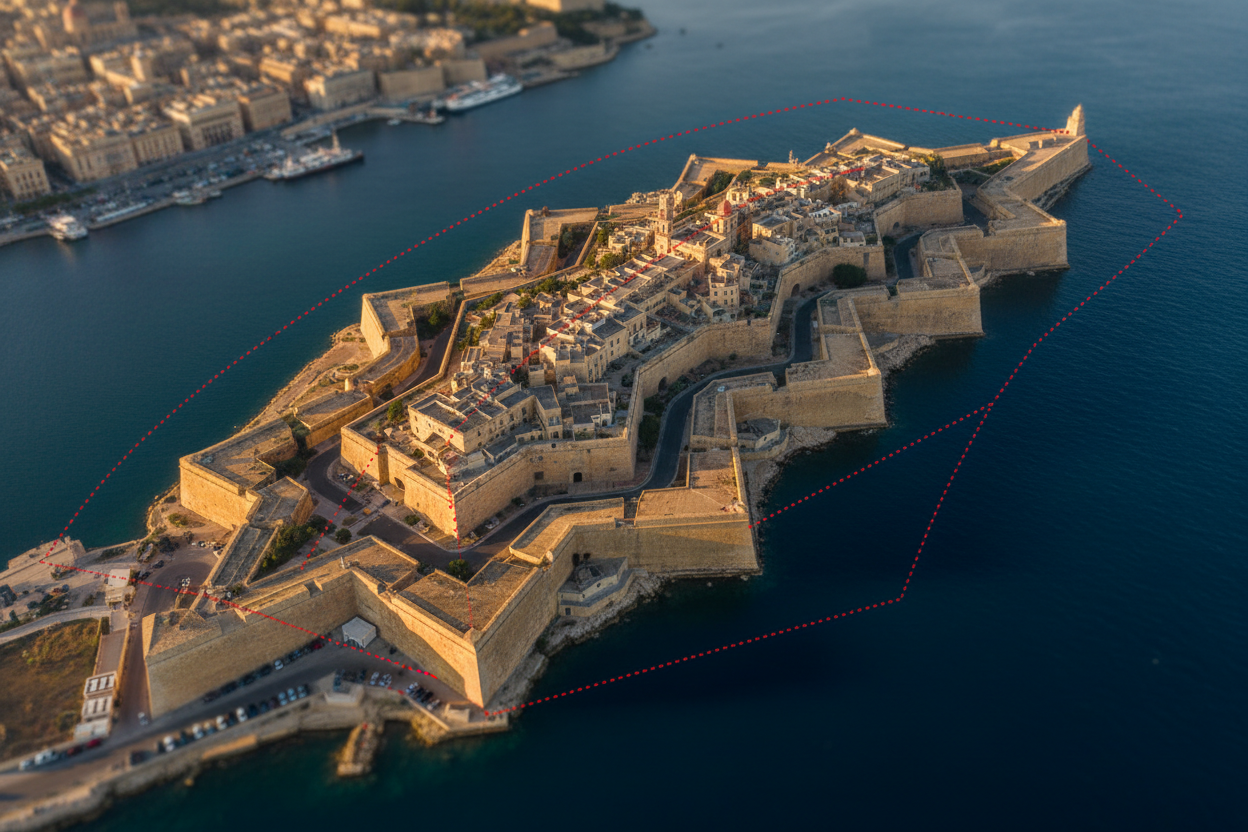
The construction of Valletta following the Great Siege represents the pinnacle of Renaissance military architecture. Named after Grand Master Jean Parisot de la Valette, who led the successful defense against the Ottomans, this new capital was designed as an entire fortified city rather than simply a castle or fort.
Francesco Laparelli, a military engineer sent by Pope Pius V, created the master plan for Valletta in collaboration with his assistant Girolamo Cassar. Their design incorporated the latest developments in artillery-resistant fortification, including low-profile bastions, angled walls to deflect cannonballs, and carefully calculated fields of fire that eliminated blind spots.
Valletta’s fortifications stretch across the entire Sciberras Peninsula, creating multiple defensive lines that attackers would have to breach sequentially. The city’s bastions bear names that reflect their military heritage: St. James, St. John, St. Michael, and others, each designed to provide overlapping fields of fire and mutual support. The engineering precision of these fortifications is remarkable, with measurements calculated to ensure that every approach to the city remained under defensive fire.
The street layout within Valletta also reflects military planning, with straight roads designed to facilitate the rapid movement of troops and artillery. The grid pattern, unusual for medieval European cities, allowed defenders to quickly reinforce threatened sections of the walls while providing clear lines of sight for artillery positioned within the city.
Evolution of Defensive Architecture Through the Centuries
Malta’s fortifications continued to evolve long after the Great Siege, adapting to new military technologies and changing strategic requirements. The 17th and 18th centuries saw the construction of additional defensive works, including the Floriana Lines, which extended Valletta’s landward defenses, and the Cottonera Lines, which protected the Three Cities area.
The Floriana Lines, designed by Pietro Paolo Floriani, represented a new approach to fortress design that emphasized depth over height. These earthwork fortifications, completed in the 1670s, created a series of defensive positions that could absorb artillery bombardment while providing protected positions for counter-battery fire. The integration of these lines with Valletta’s existing fortifications created one of Europe’s most sophisticated defensive systems.
The 18th century brought further innovations, including the construction of coastal batteries and signal towers around Malta’s coastline. These installations reflected the changing nature of warfare, where naval bombardment and amphibious assault had become primary threats. The Knights developed an integrated coastal defense system that combined artillery positions with rapid communication networks, allowing them to coordinate responses to threats from any direction.
British rule, beginning in 1800, brought new defensive priorities and technologies. The British recognized Malta’s importance as a naval base and invested heavily in modernizing its fortifications. They constructed new gun emplacements designed for rifled artillery, built underground magazines and tunnels, and adapted existing fortifications to accommodate changing military requirements.
World War II and Modern Military Heritage
World War II transformed Malta into a fortress once again, as the islands endured one of the war’s longest sieges. The Axis powers, recognizing Malta’s strategic importance for Allied operations in the Mediterranean, subjected the islands to intensive bombing campaigns that lasted over two years. Malta’s ancient fortifications, designed centuries earlier for a different kind of warfare, suddenly found new relevance as air raid shelters and defensive positions.
The wartime experience led to extensive tunnel systems being carved into Malta’s limestone bedrock. These underground complexes, including the famous War Headquarters Tunnel in Valletta, provided bomb-proof command centers and storage facilities that kept Malta’s military operations functioning despite constant aerial attack. The integration of these modern defensive works with historical fortifications created a unique layered defense system spanning multiple centuries.
Malta’s successful resistance during World War II earned the entire population the George Cross, Britain’s highest civilian decoration for gallantry. This recognition acknowledged not just individual courage, but the collective defensive spirit that had characterized Malta throughout its history. The islands’ fortifications, both ancient and modern, had once again proved their worth in protecting a strategic position against overwhelming odds.
Today, Malta’s World War II heritage is preserved alongside its earlier fortifications, creating a comprehensive military museum that spans from prehistoric times to the modern era. The Lascaris War Rooms, Fort Rinella, and numerous coastal batteries provide insights into 20th-century defensive technology while complementing the medieval and Renaissance fortifications that continue to dominate Malta’s landscape.
Preservation and Tourism: Malta’s Fortifications Today
Modern Malta has embraced its fortification heritage as both a source of national pride and economic opportunity. The islands’ defensive architecture attracts hundreds of thousands of visitors annually, contributing significantly to Malta’s tourism economy while raising awareness of the need for continued preservation efforts.
UNESCO’s recognition of Valletta as a World Heritage Site in 1980 acknowledged the outstanding universal value of Malta’s fortifications and established international frameworks for their protection. This designation has facilitated conservation projects that maintain the structural integrity of the fortifications while adapting them for modern use as museums, cultural venues, and tourist attractions.
The challenge of preserving Malta’s fortifications lies in balancing historical authenticity with practical considerations of public access and safety. Many of the defensive works were designed specifically to exclude intruders, making them inherently difficult to adapt for tourism. Creative solutions, including guided tours, interpretive centers, and multimedia presentations, help visitors understand the military significance of these structures while respecting their historical integrity.
Educational programs have become increasingly important in maintaining public awareness of Malta’s fortification heritage. Schools regularly organize visits to historical sites, while specialized tours for military historians and architecture enthusiasts provide detailed insights into defensive technologies and strategic planning. These programs ensure that knowledge of Malta’s military heritage passes to new generations while attracting international academic interest.
Conclusion
Malta’s fortifications represent far more than mere historical curiosities; they embody the determination of successive generations to defend their strategic island home against overwhelming odds. From prehistoric defensive positions to World War II tunnels, these military works tell the story of human ingenuity in the face of existential threats.
The evolution of Malta’s defensive architecture mirrors broader developments in military technology and strategic thinking, making the islands an invaluable resource for understanding European military history. The survival of these fortifications through centuries of warfare, natural disasters, and urban development demonstrates both their robust construction and the commitment of Maltese society to preserving its heritage.
Today, as Malta continues to adapt to changing security challenges in the Mediterranean, its historical fortifications serve as reminders of the enduring importance of strategic thinking and collective defense. The lessons embedded in these ancient walls – the value of preparation, the importance of unity in the face of adversity, and the power of strategic positioning – remain relevant in our contemporary world.
For visitors to Malta, exploring these fortifications offers a unique opportunity to walk through living history, experiencing firsthand the defensive architecture that shaped the course of Mediterranean civilization. Whether standing on Valletta’s bastions watching the sunset over the Grand Harbour or exploring the underground tunnels that sheltered Malta’s population during World War II, one cannot help but be moved by the human stories these stones continue to tell.
 English
Leave a Reply