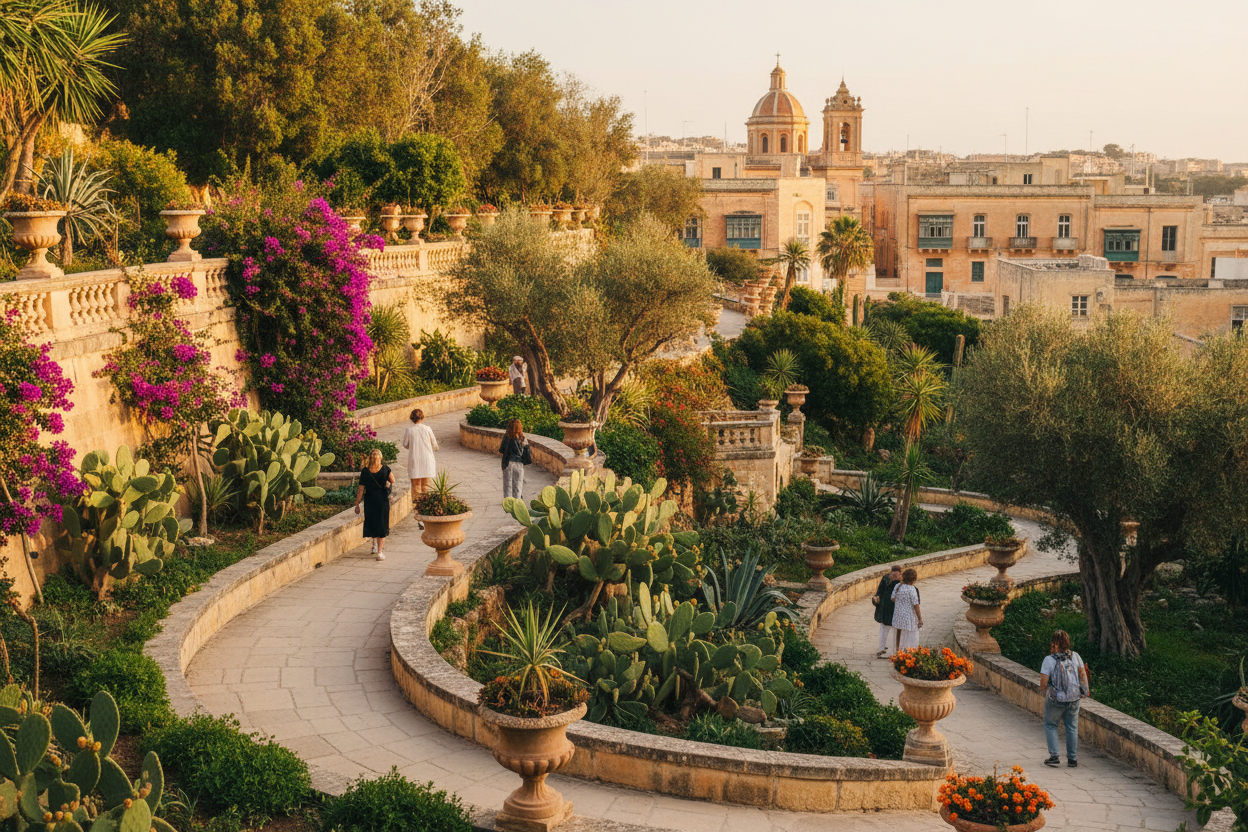
Malta Garden Tours: Botanical Beauty and Green Spaces
When most people think of Malta, images of ancient temples, crystal-clear Mediterranean waters, and honey-colored limestone buildings immediately come to mind. However, this enchanting archipelago holds another treasure that often goes unnoticed by visitors – its remarkable collection of gardens and green spaces. Malta garden tours offer an unexpected journey through botanical wonderlands that showcase both native Mediterranean flora and exotic species from around the world.
Despite Malta’s reputation as a sun-baked island nation, the country boasts an impressive variety of gardens that provide welcome respite from the summer heat while offering fascinating insights into both local horticultural traditions and international botanical collections. From formal palace gardens to wild nature reserves, Malta’s green spaces tell stories of centuries-old cultivation practices, conservation efforts, and the island’s unique position as a crossroads between Europe, Africa, and Asia.
The Historical Significance of Malta’s Garden Heritage
Malta’s gardening tradition stretches back thousands of years, with evidence of agricultural terracing and cultivation dating to prehistoric times. The Knights of St. John, who ruled Malta from 1530 to 1798, were particularly influential in developing the island’s formal garden culture. They introduced new plant species, established medicinal herb gardens, and created elaborate pleasure gardens that reflected European Renaissance ideals.
The British colonial period further enriched Malta’s botanical heritage, as administrators and residents brought plants from across the British Empire. This historical layering has created a unique gardening culture that blends Mediterranean practicality with international influences, making Malta garden tours particularly rewarding for both history enthusiasts and plant lovers.
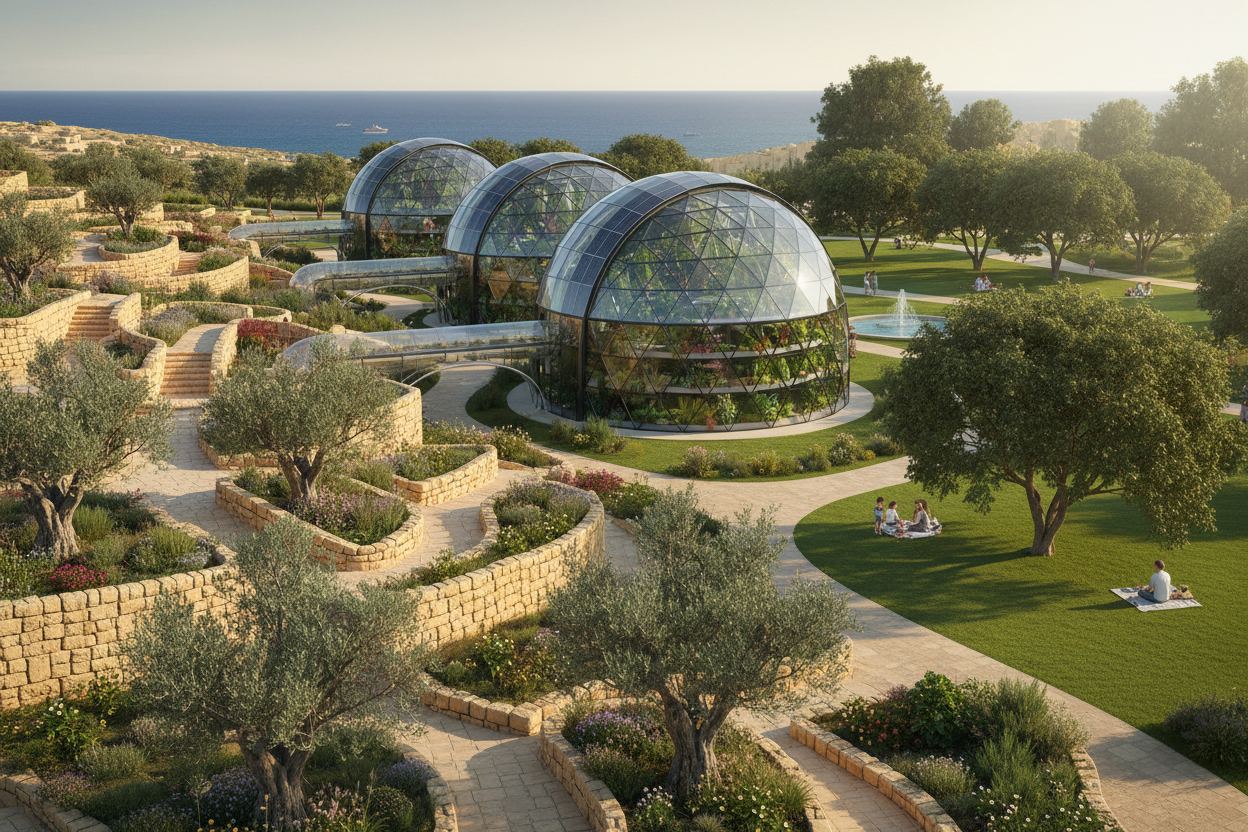
San Anton Gardens: Malta’s Crown Jewel
No discussion of Malta garden tours would be complete without highlighting San Anton Gardens, arguably the most spectacular botanical destination on the island. Originally created in the early 17th century as the private garden of Grand Master Antoine de Paule, these gardens now serve as the official residence of Malta’s President while remaining open to the public.
Spanning over 60 acres, San Anton Gardens showcase an incredible diversity of plant life. Ancient olive trees, some over 500 years old, provide shade for winding pathways that lead visitors through different themed sections. The formal parterre gardens display geometric precision with carefully manicured hedges and seasonal flower displays, while the more naturalistic areas allow native Mediterranean vegetation to flourish alongside exotic specimens.
The gardens house an impressive collection of citrus trees, including rare varieties that produce fruits you won’t find in any supermarket. During spring visits, the orange blossom fragrance fills the air, creating an almost intoxicating sensory experience. The aviaries within the gardens add another dimension to visits, housing colorful peacocks, exotic birds, and other wildlife that call this green oasis home.
Upper Barrakka Gardens: History Meets Horticulture
Perched high above Valletta’s Grand Harbour, the Upper Barrakka Gardens offer one of Malta’s most iconic views while serving as a perfect example of how the island integrates green spaces into urban environments. Originally the private garden of Italian knights, these elevated gardens now provide both locals and tourists with a peaceful retreat in the heart of the capital city.
The gardens feature a mix of native and ornamental plants carefully chosen to thrive in Malta’s challenging climate conditions. Mediterranean pines provide essential shade, while colorful bougainvillea cascades over stone walls, creating a striking contrast against the baroque architecture of Valletta. The formal flower beds change seasonally, ensuring that each visit reveals new colors and fragrances.
What makes the Upper Barrakka Gardens particularly special for garden tour enthusiasts is their demonstration of successful urban horticulture in a challenging environment. The gardeners here have mastered the art of creating lush green spaces despite limited soil depth, intense summer sun, and salt-laden sea breezes.
Argotti Botanical Gardens: A Scientific Treasure
Established in 1805 by the Maltese botanist Ignatius de Argotti, these gardens represent Malta’s oldest botanical institution and serve as both a research facility and public garden. Located in Floriana, just outside Valletta’s fortifications, the Argotti Botanical Gardens focus on scientific collection and conservation while providing educational opportunities for visitors.
The gardens house over 2,000 plant species from around the Mediterranean basin and beyond. Rare succulents from Africa share space with aromatic herbs from the Maltese countryside, while exotic palms from tropical regions demonstrate the surprising adaptability of many species to Malta’s climate. The greenhouse complex protects more delicate specimens and allows for year-round cultivation of plants that require specific environmental conditions.
For those interested in medicinal plants, the Argotti Gardens maintain an extensive collection of herbs and healing plants traditionally used in Maltese folk medicine. Knowledgeable guides can explain the historical uses of various species and their continued relevance in modern herbal practices.
Buskett Gardens: Malta’s Woodland Wonderland
Buskett Gardens offer a completely different garden tour experience, representing Malta’s largest wooded area and providing insight into the island’s natural ecosystems. Created by the Knights as a hunting ground and later developed into a public park, Buskett spans over 1,000 acres of mixed woodland and agricultural land.
The gardens showcase Malta’s indigenous flora, including the national tree, the Maltese Oak, alongside introduced species that have naturalized over centuries. Ancient carob trees, with their distinctive twisted trunks and sweet pods, dot the landscape alongside groves of citrus trees that still produce fruit for local markets.
During spring months, Buskett transforms into a wildflower paradise. Native orchids emerge from the woodland floor, while colorful annuals paint meadows in brilliant reds, yellows, and purples. The gardens also serve as an important bird sanctuary, making them popular with both botanists and birdwatchers during migration seasons.
Private Garden Tours: Hidden Gems and Local Secrets
Some of Malta’s most spectacular gardens remain in private hands, accessible only through specialized garden tours that have gained permission from property owners. These exclusive experiences offer glimpses into how Maltese families have created stunning private oases despite the island’s challenging growing conditions.
Traditional Maltese townhouse gardens, often hidden behind high walls in cities like Mdina and Birgu, demonstrate centuries-old techniques for maximizing growing space in confined areas. These intimate gardens typically feature terraced levels, water features for irrigation and cooling, and careful plant selection that provides year-round interest while requiring minimal water.
Rural farmhouse gardens tell different stories, showcasing how Maltese farmers have traditionally combined productive agriculture with ornamental plants. Ancient fig trees provide structure and shade, while kitchen gardens supply fresh herbs and vegetables. Grape vines trained over pergolas create natural outdoor rooms perfect for escaping the Mediterranean sun.
Seasonal Considerations for Malta Garden Tours
Timing plays a crucial role in maximizing the garden tour experience in Malta. Spring months from March to May offer ideal conditions, with comfortable temperatures, abundant blooms, and minimal rainfall. This season showcases Malta’s gardens at their most colorful, as wildflowers carpet meadows and ornamental plants burst into bloom after winter rains.
Summer visits require different strategies but offer unique rewards. Early morning or late afternoon tours avoid the intense midday heat while revealing how Mediterranean plants have adapted to survive harsh conditions. Many succulents and aromatic herbs actually look their best during summer months, displaying the waxy leaves, silvery foliage, and other adaptations that help them conserve water.
Autumn brings its own magic to Malta’s gardens, with citrus trees heavy with fruit and many plants experiencing a second flowering period as temperatures moderate. Winter garden tours might seem counterintuitive, but Malta’s mild climate means many plants remain active year-round, and the absence of crowds allows for more intimate experiences.
Planning Your Malta Garden Tour Experience
Successful Malta garden tours require some advance planning to make the most of available opportunities. Many gardens offer guided tours with expert botanists or horticulturists who can provide insights into plant identification, cultivation techniques, and conservation efforts. These professional guides often share fascinating stories about plant origins, traditional uses, and ongoing research projects.
Photography enthusiasts should consider specialized garden photography tours that provide optimal timing for capturing plants in the best light while respecting garden rules and conservation needs. Many gardens have specific guidelines about photography, particularly regarding rare or endangered species.
Combining garden visits with other cultural attractions creates well-rounded experiences that appeal to diverse interests. Many gardens are located near historical sites, museums, or traditional craft workshops, allowing visitors to explore multiple aspects of Maltese culture in single outings.
Conclusion
Malta garden tours reveal an unexpected dimension of this Mediterranean paradise, showcasing how centuries of cultivation, conservation, and creativity have created remarkable green spaces despite challenging environmental conditions. From the formal grandeur of San Anton Gardens to the wild beauty of Buskett’s woodlands, Malta’s botanical treasures offer experiences that complement and enhance traditional sightseeing activities.
These gardens tell stories that go far beyond simple plant collections. They represent Malta’s position as a cultural crossroads, demonstrate innovative approaches to sustainable horticulture, and provide essential green lungs for urban communities. Whether you’re a serious botanist, casual nature lover, or simply someone seeking peaceful respites from busy travel schedules, Malta’s gardens offer rewards that will enrich your understanding and appreciation of this remarkable island nation.
As Malta continues to develop as a tourist destination, its gardens represent valuable assets that showcase environmental stewardship while providing authentic cultural experiences. Garden tours offer sustainable tourism opportunities that support local communities while fostering appreciation for botanical diversity and conservation efforts. For visitors seeking to explore Malta beyond its famous historical sites and beaches, the island’s gardens provide unforgettable journeys through landscapes of beauty, history, and scientific wonder.
 English
Leave a Reply