Malta Coastal Walks: Cliffs, Caves, and Sea Views
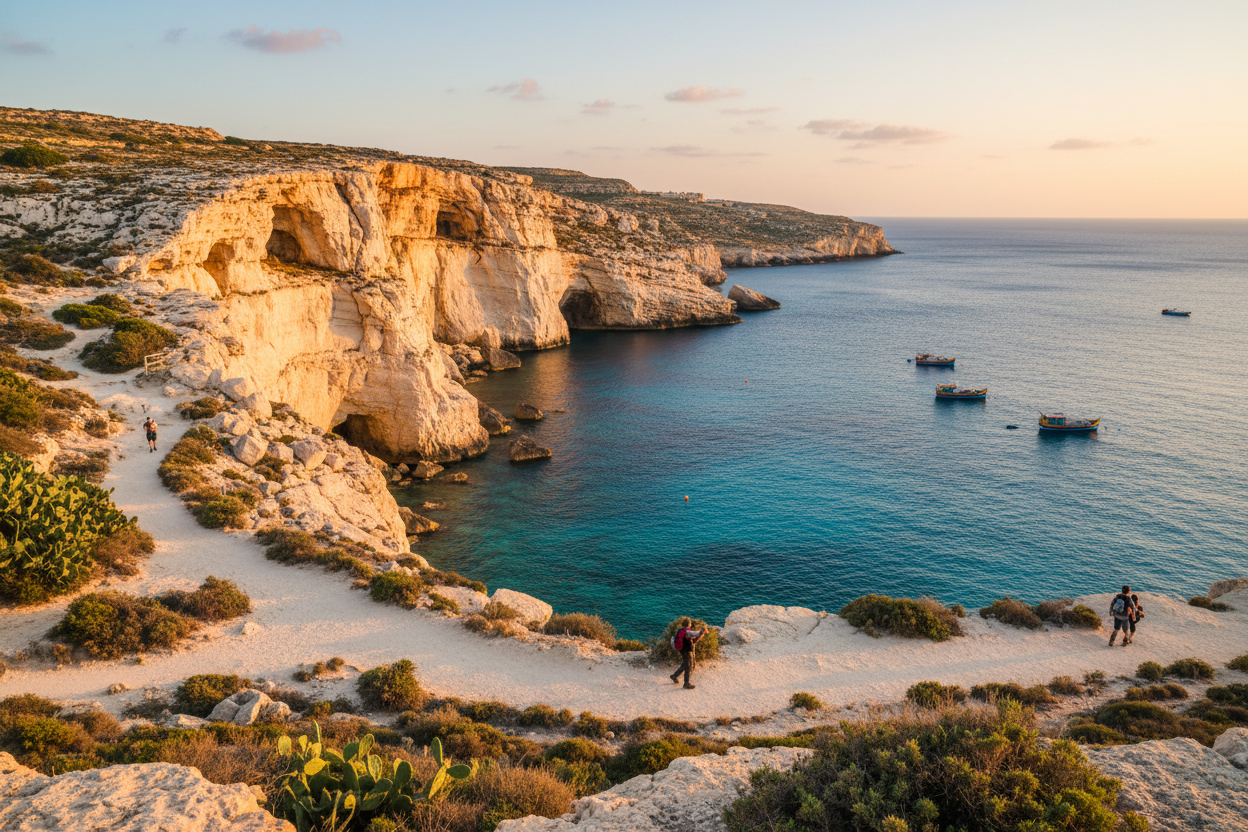
There’s something magical about walking along Malta’s rugged coastline, where ancient limestone cliffs meet the endless blue of the Mediterranean Sea. As someone who has spent countless hours exploring these coastal paths, I can tell you that Malta offers some of the most spectacular and diverse coastal walking experiences in Europe. From dramatic cliff-top trails to hidden coves and mysterious sea caves, the Maltese islands provide a perfect blend of natural beauty, historical intrigue, and breathtaking panoramic views.
Whether you’re a seasoned hiker or simply someone who enjoys a leisurely stroll with stunning scenery, Malta’s coastal walks cater to all fitness levels and interests. The island’s compact size means you can experience dramatically different landscapes within a single day, making it an ideal destination for walking enthusiasts seeking variety and adventure.
Why Malta’s Coastal Walks Are Unmissable
Malta’s unique geological formation creates a coastline unlike anywhere else in the Mediterranean. The honey-colored limestone cliffs, carved by millennia of wind and waves, form natural sculptures that seem almost too perfect to be real. These ancient rocks tell the story of Malta’s fascinating past, from prehistoric temples to medieval fortifications.
The island’s strategic location has blessed it with crystal-clear waters that shift from turquoise to deep sapphire blue, creating a stunning backdrop for your walking adventures. What makes Malta’s coastal walks particularly special is the accessibility – you don’t need to be an experienced mountaineer to enjoy spectacular cliff-top views and discover hidden gems along the shoreline.
The Mediterranean climate ensures that coastal walking is enjoyable almost year-round, though spring and autumn offer the most comfortable temperatures for longer hikes. During these seasons, the landscape comes alive with wildflowers and migratory birds, adding an extra dimension to your walking experience.
Top Coastal Walking Routes in Malta
Dingli Cliffs: Malta’s Most Dramatic Coastline
The Dingli Cliffs represent Malta at its most spectacular, rising majestically 250 meters above sea level. This stretch of coastline offers what many consider to be the finest cliff-top walking on the island. The well-marked path runs for several kilometers, providing consistently breathtaking views across the Mediterranean toward the small island of Filfla.
Starting from the village of Dingli, the walk takes you past the iconic Magdalena Chapel, perched precariously on the cliff edge. This tiny 15th-century chapel has become one of Malta’s most photographed landmarks, and it’s easy to see why. The contrast between the ancient stone structure and the endless blue horizon creates a scene that captures the essence of Malta’s timeless beauty.
The Dingli Cliffs walk is particularly rewarding during sunset, when the limestone glows golden in the evening light. I’ve watched countless sunsets from these cliffs, and each one feels like a personal performance by nature itself. The path is generally easy to follow, though proper footwear is essential as the terrain can be uneven in places.
Blue Grotto to Wied iz-Zurrieq Coastal Trail
This coastal route combines some of Malta’s most famous natural attractions with lesser-known gems. Beginning at the Blue Grotto, one of Malta’s most celebrated natural wonders, this walk takes you along a fascinating stretch of coastline dotted with sea caves and natural arches.
The Blue Grotto itself is worth the visit – the way sunlight filters through underwater caverns creates an almost ethereal blue illumination that has captivated visitors for generations. From here, the coastal path winds eastward, offering numerous opportunities to explore smaller caves and admire the intricate limestone formations carved by centuries of wave action.
This route is moderately challenging, with some rocky sections that require careful navigation. However, the rewards are substantial – you’ll discover secluded swimming spots, encounter diverse birdlife, and enjoy constantly changing perspectives of Malta’s southern coastline. The walk typically takes 2-3 hours, depending on how much time you spend exploring the various caves and viewpoints along the way.
Golden Bay to Ghajn Tuffieha Clifftop Adventure
This relatively short but incredibly scenic walk connects two of Malta’s most beautiful beaches via a spectacular clifftop path. Starting from Golden Bay, a popular sandy beach on Malta’s northwest coast, the trail climbs steadily to reveal panoramic views of the coastline and the open Mediterranean.
The path takes you past the Radisson Golden Sands Resort and up onto the cliffs that separate Golden Bay from the more secluded Ghajn Tuffieha Bay. This elevated route provides a bird’s-eye view of both beaches, allowing you to appreciate their different characters – Golden Bay with its developed shoreline and Ghajn Tuffieha with its wild, unspoiled beauty.
What makes this walk particularly special is the diversity of landscapes you encounter in such a short distance. You’ll pass through Mediterranean scrubland, cross ancient cart ruts carved into the rock, and navigate along cliff edges that offer dizzying views down to the beaches below. The entire walk can be completed in about an hour, making it perfect for families or those seeking a taste of Malta’s coastal beauty without committing to a longer hike.
Exploring Malta’s Spectacular Sea Caves
Malta’s coastline is riddled with sea caves, each with its own character and story. These natural formations have been carved over thousands of years by the relentless action of waves against the soft limestone, creating underwater chambers, tunnels, and grottos that are among the Mediterranean’s most impressive.
The Blue Grotto may be the most famous, but it’s just one of dozens of remarkable sea caves around the Maltese islands. Near Wied il-Ghasri in Gozo, you’ll find caves that extend deep into the cliff face, some accessible only by swimming or kayaking. The acoustics in these caves are extraordinary – the sound of waves echoing off limestone walls creates a natural symphony that’s both haunting and beautiful.
Many coastal walks provide opportunities to explore these caves safely from above or from easily accessible shoreline positions. The caves near Hondoq ir-Rummien in Gozo are particularly impressive, with some featuring natural skylights where the cave roof has partially collapsed, creating dramatic shafts of light that illuminate the turquoise waters below.
Best Times for Coastal Walking in Malta
While Malta’s mild Mediterranean climate makes coastal walking possible throughout the year, timing your visit can significantly enhance your experience. Spring, from March to May, is arguably the best time for coastal walks. The weather is pleasantly warm but not yet hot, wildflowers carpet the landscape in vibrant colors, and the sea is beginning to warm up for those brave enough to take a dip.
Autumn, particularly September and October, offers another excellent window for coastal walking. The summer heat has subsided, but the sea remains warm from months of sunshine. This is also when you might spot migrating birds using Malta as a stopover on their journey between Europe and Africa.
Summer walking requires more planning and preparation. While the long daylight hours and guaranteed sunshine are appealing, temperatures can soar above 30°C (86°F), making midday walks uncomfortable and potentially dangerous. If you’re visiting in summer, plan your coastal walks for early morning or late afternoon to avoid the intense heat.
Winter walking in Malta can be surprisingly rewarding. While you might encounter some rainy days, the temperatures rarely drop below 10°C (50°F), and the dramatic winter light can make for spectacular photography. The seas are often rougher in winter, creating more dramatic wave action against the cliffs – though this also means you need to maintain a safe distance from cliff edges.
Essential Tips for Safe Coastal Walking
Malta’s coastal paths, while generally well-maintained, present certain challenges that require preparation and awareness. The limestone terrain can be slippery when wet, and cliff edges are often unprotected, requiring constant vigilance, especially when photographing or simply taking in the views.
Proper footwear is absolutely crucial for coastal walking in Malta. The limestone can be sharp and uneven, and many paths cross rocky terrain where a twisted ankle is a real possibility. Sturdy hiking boots or walking shoes with good grip are essential – avoid sandals or smooth-soled shoes at all costs.
Sun protection cannot be overstated when walking Malta’s exposed coastlines. The combination of direct sunlight and reflection from the sea and pale limestone cliffs can lead to severe sunburn surprisingly quickly. A wide-brimmed hat, high-SPF sunscreen, and UV-protective clothing are essential, particularly during the warmer months.
Water is another critical consideration. Malta’s coastal walks often traverse exposed areas with no shade and no facilities for several kilometers. Carry more water than you think you’ll need, particularly in warm weather. Dehydration can occur rapidly in Malta’s climate, and being caught without water on a remote coastal path is potentially dangerous.
Wildlife and Natural Wonders Along Malta’s Coast
Malta’s coastal walks offer excellent opportunities for wildlife observation, particularly for bird enthusiasts. The islands lie along important migratory routes, making spring and autumn particularly rewarding for spotting various species. Peregrine falcons nest in the cliff faces, while blue rock thrushes and Sardinian warblers are common residents along the coastal scrubland.
The marine environment visible from Malta’s coastal paths is equally impressive. The clear waters often allow you to spot fish, octopi, and other marine life from cliff-top vantage points. Dolphins are occasionally seen from the higher cliffs, particularly around the Dingli area, though sightings require patience and a bit of luck.
The flora along Malta’s coast has adapted to harsh conditions of salt spray, strong winds, and intense sunshine. Spring brings spectacular displays of wildflowers, including endemic species found nowhere else in the world. The Maltese rock-centaury, with its delicate pink flowers, blooms along cliff edges, while the impressive giant fennel creates dramatic silhouettes against the sky.
Photography Opportunities on Malta’s Coastal Walks
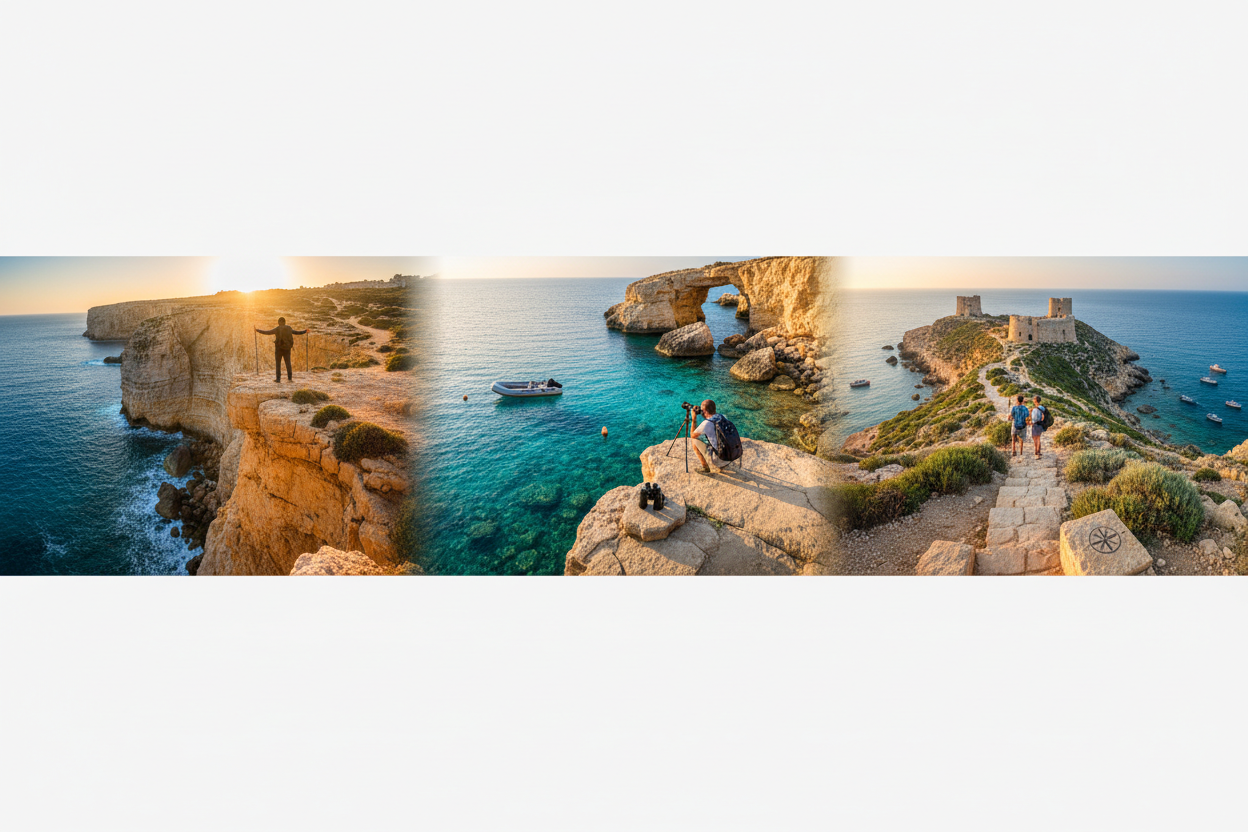
Malta’s coastal walks provide endless photography opportunities, from sweeping panoramic landscapes to intimate details of limestone formations and wildflowers. The quality of light throughout the day creates different moods and atmospheres, making it worthwhile to revisit the same locations at different times.
The golden hour, shortly after sunrise and before sunset, transforms Malta’s honey-colored limestone into a warm, glowing palette that’s particularly striking against the blue Mediterranean. The Dingli Cliffs and the Blue Grotto area are especially photogenic during these times, though any section of Malta’s coast can provide stunning images with the right light.
Don’t overlook the smaller details during your coastal walks. The intricate patterns carved by water in limestone, the delicate structure of salt-tolerant plants, and the play of light and shadow in sea caves all offer compelling photographic subjects. Macro photography enthusiasts will find plenty to capture among the unique flora and geological features.
Conclusion
Malta’s coastal walks represent one of the Mediterranean’s best-kept secrets for outdoor enthusiasts. The combination of dramatic cliff-top scenery, fascinating geological formations, rich wildlife, and year-round accessibility makes these walks appealing to visitors of all ages and fitness levels. From the towering majesty of Dingli Cliffs to the intimate beauty of hidden sea caves, Malta’s coastline offers experiences that will remain etched in your memory long after your visit ends.
Whether you’re seeking adventure, tranquility, photography opportunities, or simply a chance to connect with nature, Malta’s coastal paths deliver in abundance. The island’s compact size means you can sample multiple different coastal environments within a single visit, each offering its own unique character and rewards. As you plan your visit to Malta, make sure to allocate sufficient time for exploring these magnificent coastal walks – they truly represent the very best of what this remarkable Mediterranean island has to offer.
 English
Leave a Reply