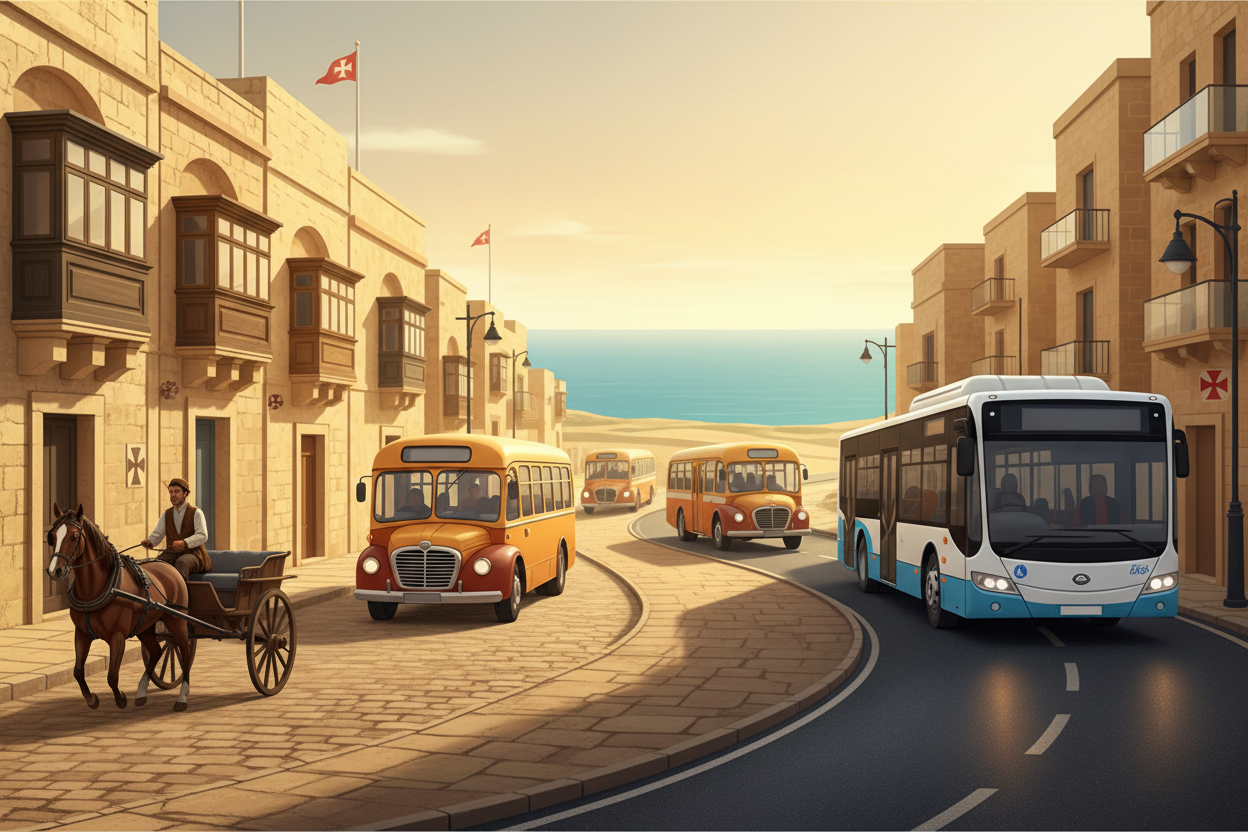
Malta Transportation History: From Horse Carts to Modern Buses
The Mediterranean archipelago of Malta has witnessed a remarkable transformation in transportation over the centuries. From the clip-clop of horse hooves on cobblestone streets to the hum of modern electric buses navigating narrow village roads, Malta’s transportation evolution tells a fascinating story of adaptation, necessity, and progress. This journey through time reveals how a small island nation has continuously reinvented its mobility solutions while preserving its unique character and charm.
Understanding Malta’s transportation history isn’t just about appreciating vintage vehicles or nostalgic memories. It’s about recognizing how geography, culture, and economic development have shaped the way Maltese people move around their beloved islands. Today, as Malta continues to modernize its public transport system, looking back at this rich history provides valuable insights into the challenges and triumphs that have defined the nation’s approach to mobility.
The Era of Horse-Drawn Transportation
Before the advent of motorized vehicles, Malta’s transportation landscape was dominated by horse-drawn carts and carriages. The iconic Maltese cart, known locally as the “karozzin,” became synonymous with the islands’ transportation heritage. These colorful, ornately decorated vehicles weren’t just functional means of transport; they were works of art that reflected the Maltese people’s pride in craftsmanship and attention to detail.
The traditional Maltese cart featured bright yellows, blues, and reds, often adorned with intricate patterns and religious symbols. Each cart was unique, representing the personality and beliefs of its owner. The wheels, typically painted in vibrant colors, would catch the eye of passersby as they rolled through Malta’s narrow streets and countryside paths.
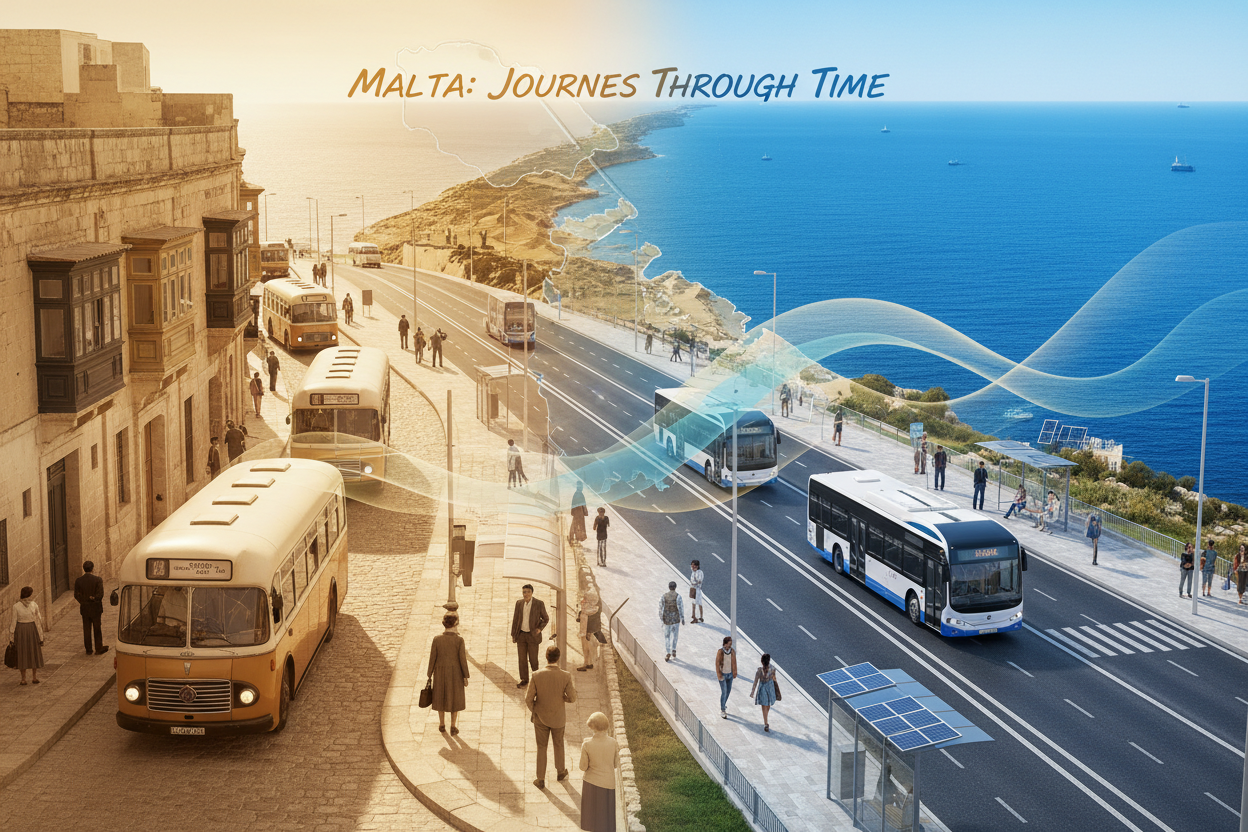
During this period, transportation was largely dictated by the islands’ challenging terrain. Malta’s hilly landscape and narrow, winding roads made horse-drawn vehicles the most practical option for moving people and goods. Farmers used these carts to transport their harvest from rural fields to local markets, while families relied on them for special occasions and longer journeys between villages.
The social aspect of horse-drawn transportation cannot be overlooked. Cart rides were often communal experiences, bringing neighbors together and fostering the strong community bonds that Malta is famous for. The pace of life was slower, allowing for conversations and connections that would later become more challenging in the era of faster, more efficient transport.
The Introduction of Motorized Vehicles
The early 20th century marked a pivotal moment in Malta’s transportation history with the introduction of motorized vehicles. The first automobiles arrived on the islands in the 1900s, initially owned by wealthy families and British colonial administrators. These early cars were curiosities that drew crowds of onlookers, representing a glimpse into a more modern future.
The transition from horse-drawn to motorized transport wasn’t immediate or seamless. Malta’s infrastructure, designed for centuries of pedestrian and cart traffic, needed significant adaptation. Roads required widening and improvement, while new regulations had to be established to manage the coexistence of traditional and modern transportation methods.
World War I and II significantly impacted Malta’s transportation development. During wartime, vehicles were often requisitioned for military use, and fuel shortages forced many residents to return to traditional methods of transport. However, these challenging periods also accelerated innovation and adaptation, as Maltese ingenuity found ways to maintain mobility despite severe constraints.
The post-war period saw a gradual increase in private car ownership, though it remained limited to the more affluent segments of society. Commercial vehicles began appearing more frequently, supporting Malta’s growing economy and changing trade patterns. Trucks replaced many horse-drawn carts for goods transportation, marking the beginning of a more efficient logistics system.
The Golden Age of Maltese Buses
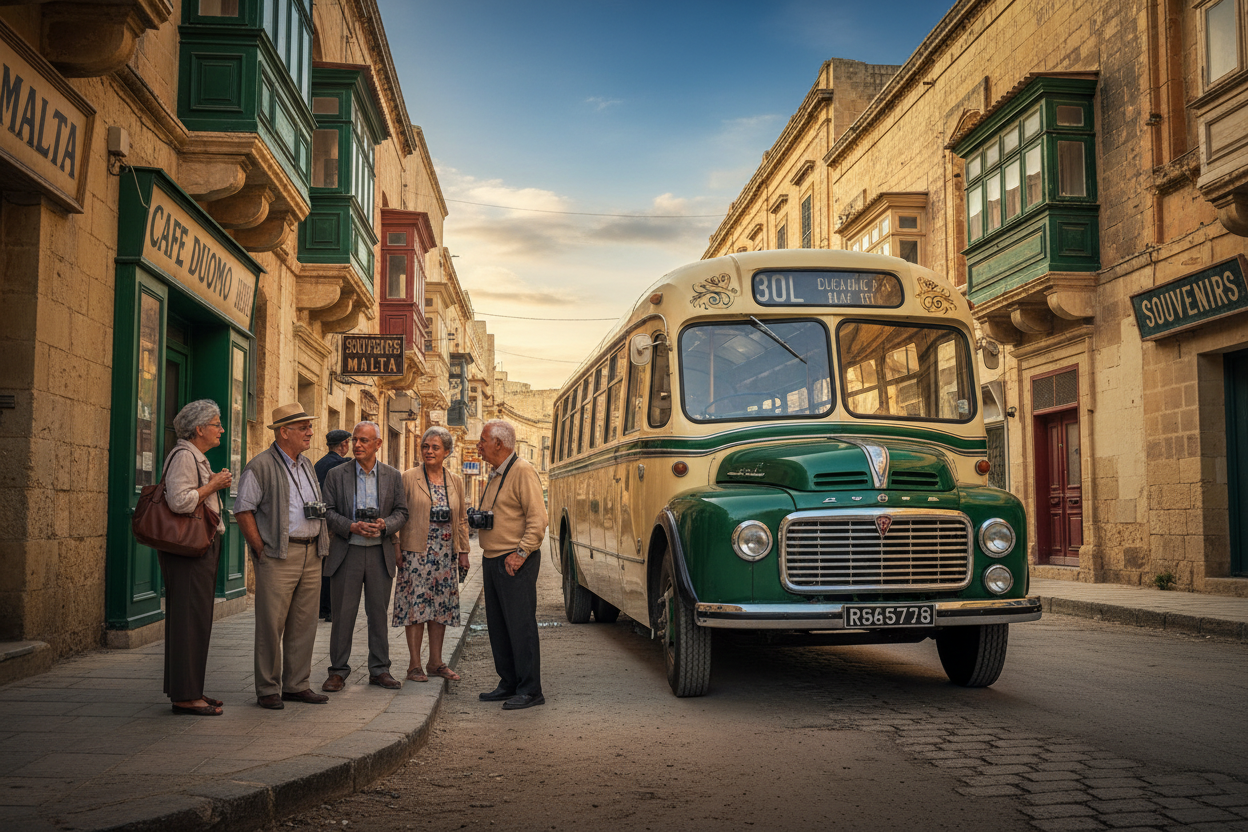
Perhaps no aspect of Malta’s transportation history is more beloved or iconic than the era of the traditional Maltese bus. These unique vehicles, which served the islands for decades, became cultural symbols that captured the hearts of both locals and tourists. The old Maltese buses were converted Bedford, Leyland, and AEC vehicles, originally manufactured in the 1950s and 1960s, that were given new life as public transport vehicles.
What made these buses truly special wasn’t just their vintage charm, but their individual character. Each bus was privately owned and operated, leading to a diverse fleet where no two vehicles were exactly alike. Owners would personalize their buses with religious decorations, family photos, colorful paint schemes, and comfortable furnishings that made each journey a unique experience.
The bus drivers became local celebrities in their own right. Many passengers had favorite drivers whose routes they would specifically choose, not just for transportation but for the entertainment and local knowledge these charismatic individuals provided. Stories, jokes, and local gossip were shared freely, making bus journeys social events rather than mere commutes.
These buses operated on a route system that connected Malta’s villages and towns, providing essential transportation for residents who couldn’t afford private vehicles. The network was comprehensive, reaching even the most remote corners of the islands, though schedules were often more suggestions than strict timetables. This flexible approach to timing reflected Malta’s relaxed attitude toward punctuality and added to the buses’ charm.
The sound of these vintage buses became part of Malta’s audio landscape. The distinctive engine notes, the squeak of well-worn brakes, and the rattle of aging mechanical components created a symphony that locals could identify from blocks away. For many Maltese people, these sounds are deeply connected to childhood memories and simpler times.
Challenges and Modernization Efforts
As Malta’s economy grew and tourism increased, the limitations of the traditional bus system became increasingly apparent. The vintage buses, while charming, struggled with reliability issues, accessibility concerns, and environmental standards that were becoming more important in the 21st century. Breakdowns were common, and the lack of air conditioning made summer journeys uncomfortable for passengers.
The European Union membership in 2004 brought new standards and expectations for public transportation. Malta faced pressure to modernize its transport infrastructure to meet EU requirements for accessibility, environmental protection, and service reliability. This created tension between preserving cultural heritage and meeting contemporary needs.
Tourism growth also highlighted the need for more reliable and comfortable public transport. While tourists often found the old buses charming for short rides, the reality of depending on them for daily transportation revealed their limitations. Frequent breakdowns and unpredictable schedules made it difficult for visitors to plan their activities and explore the islands efficiently.
Traffic congestion became an increasingly serious problem as private car ownership grew. Malta’s small size and limited road space meant that adding more vehicles to the roads quickly led to gridlock, particularly in urban areas and popular tourist destinations. The government recognized that improving public transport was essential to addressing these traffic challenges.
The Modern Public Transport Revolution
In 2011, Malta took a bold step toward transportation modernization by completely overhauling its public bus system. The transition from the beloved vintage buses to a modern, standardized fleet marked the end of an era and the beginning of a new chapter in Maltese transportation history.
The new system introduced several significant improvements. Modern buses equipped with air conditioning, wheelchair accessibility, and reliable engines replaced the aging fleet. A centralized management system replaced the individual owner-operator model, bringing standardized schedules, route planning, and service quality. Real-time information systems and electronic ticketing made the service more user-friendly and efficient.
However, the transition wasn’t without controversy. Many Maltese people felt a deep sense of loss as their colorful, characterful buses were replaced by standardized vehicles that, while more practical, lacked the personality and charm of their predecessors. The change represented more than just transportation; it symbolized Malta’s ongoing struggle between modernization and cultural preservation.
The implementation faced initial challenges, including service disruptions, route confusion, and public dissatisfaction with certain aspects of the new system. These growing pains were eventually addressed through continuous improvements and adjustments based on user feedback and operational experience.
Despite the initial resistance, the modern bus system has proven its value over time. Improved reliability has made public transport a more viable option for daily commuting, helping to reduce traffic congestion and environmental impact. The system has also been more successful at serving tourists, who can now rely on predictable schedules and comfortable vehicles to explore Malta’s attractions.
Current Transportation Landscape
Today’s Malta presents a diverse transportation landscape that reflects both its historical heritage and modern aspirations. The public bus system continues to evolve, with ongoing investments in fleet upgrades, route optimization, and digital services. Electric buses are being introduced as part of Malta’s commitment to environmental sustainability and reducing carbon emissions.
Private transportation remains popular, though car ownership comes with unique challenges on the small islands. Limited parking, narrow roads, and traffic congestion make driving in Malta a skill that requires patience and local knowledge. Many residents have adapted by using smaller vehicles and developing intimate knowledge of alternative routes and parking strategies.
Tourism has introduced additional transportation options, including hop-on-hop-off tour buses, tourist shuttles, and specialized excursion services. These services cater to visitors’ needs while complementing the regular public transport network. The tourism industry has also preserved some traditional transportation experiences, with horse-drawn carriage rides still available in certain historic areas.
Technology is playing an increasingly important role in Malta’s transportation future. Mobile apps provide real-time bus information, digital payment systems simplify fare collection, and GPS tracking helps optimize routes and schedules. These technological advances are making public transport more attractive to younger generations who expect digital integration in all aspects of life.
Alternative transportation methods are also gaining popularity. Bicycle sharing programs, electric scooters, and walking tours reflect a growing interest in sustainable and healthy transportation options. Malta’s compact size makes it well-suited for these alternative modes, though infrastructure development continues to adapt to accommodate them safely.
Preserving Transportation Heritage
While Malta has embraced modern transportation solutions, efforts to preserve its rich transportation heritage continue. Several vintage Maltese buses have been restored and are maintained by enthusiasts and cultural organizations. These preserved vehicles appear at festivals, special events, and tourist attractions, allowing new generations to experience a piece of Malta’s transportation history.
The Malta Transport Museum and various private collections showcase the evolution of transportation on the islands. These exhibits help visitors understand how transportation development has influenced Malta’s social, economic, and cultural development over the centuries.
Traditional crafts associated with transportation heritage, such as cart decoration and restoration, are being preserved through cultural programs and artisan workshops. These efforts ensure that the skills and knowledge that created Malta’s unique transportation aesthetic aren’t lost to time.
Photography and documentation projects have captured the stories and memories of Malta’s transportation evolution. Oral history initiatives record the experiences of former bus drivers, cart owners, and passengers, preserving personal narratives that bring historical transportation to life.
Conclusion
Malta’s transportation journey from horse carts to modern buses reflects the broader story of a small island nation navigating the challenges of modernization while honoring its cultural heritage. Each era of transportation development has left its mark on Maltese society, shaping how people live, work, and connect with each other.
The evolution from ornate horse-drawn carts to characterful vintage buses to efficient modern transport systems demonstrates Malta’s adaptability and resilience. While each transition brought challenges and controversies, the Maltese people have consistently found ways to balance progress with tradition, efficiency with character.
Today’s transportation landscape in Malta continues to evolve, with sustainability, technology, and accessibility driving future developments. As electric buses, smart transportation systems, and alternative mobility options become more prevalent, Malta is writing new chapters in its transportation story.
The lessons learned from Malta’s transportation history remain relevant as the islands face contemporary challenges such as climate change, urban planning, and sustainable tourism. By understanding how transportation has shaped Malta’s past, we can better appreciate the ongoing efforts to create a transportation future that serves both residents and visitors while preserving the unique character that makes Malta special.
Whether you’re riding a modern air-conditioned bus through Valletta’s ancient streets or admiring a restored vintage bus at a local festival, Malta’s transportation heritage continues to be a living part of the island’s identity, connecting past and present in the ongoing journey toward a more sustainable and efficient future.
 English
Leave a Reply