Malta Film Industry: Movie Locations and Production History
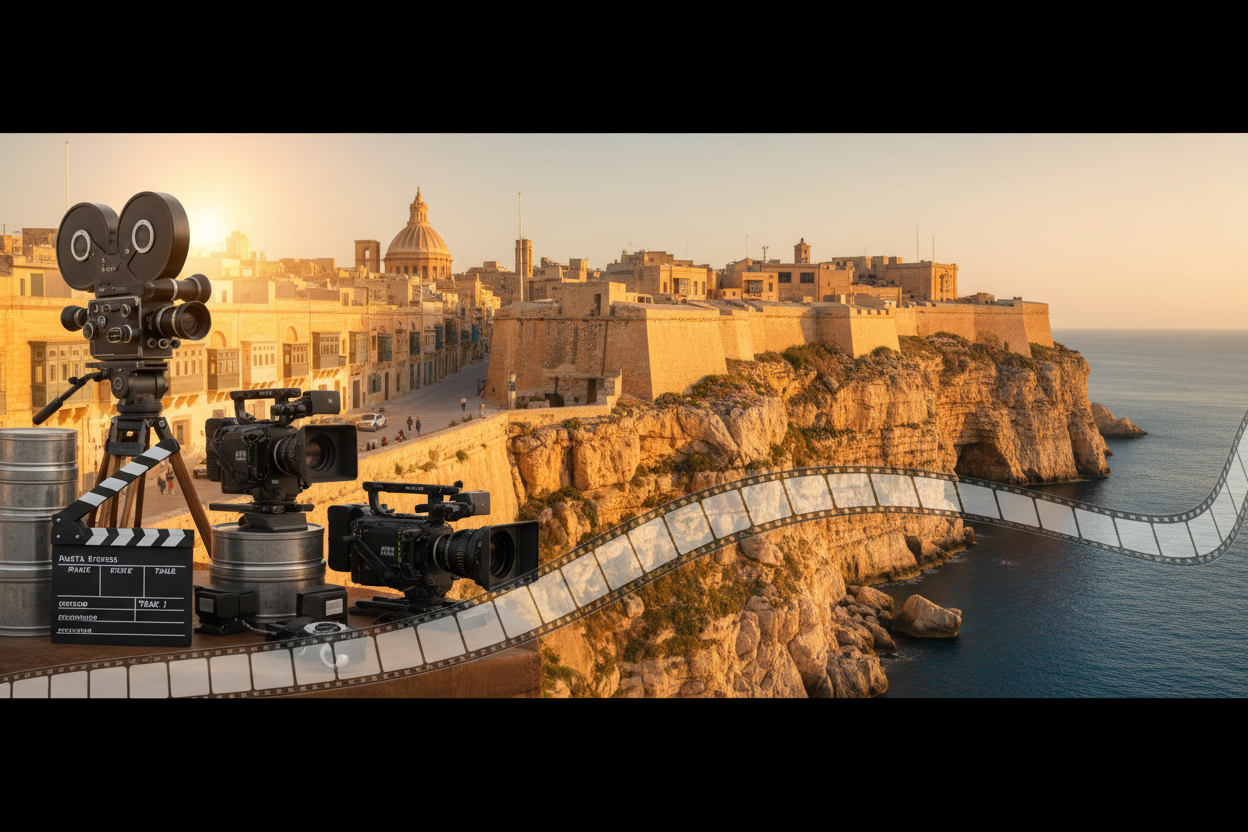
Nestled in the heart of the Mediterranean, Malta has quietly established itself as one of Europe’s most sought-after filming destinations. This tiny archipelago, with its rich history spanning over 7,000 years, offers filmmakers an incredible diversity of landscapes and architectural treasures that can double for almost any location in the world. From ancient temples to medieval fortresses, crystal-clear waters to bustling markets, Malta’s film industry has grown exponentially over the past few decades, attracting major Hollywood productions and independent filmmakers alike.
What makes Malta particularly appealing to the film industry isn’t just its stunning visual appeal – though that certainly doesn’t hurt. The country has developed a robust infrastructure to support film production, offering competitive tax incentives, experienced local crews, and year-round favorable weather conditions. It’s no wonder that Malta has become the backdrop for some of cinema’s most memorable scenes, transforming into ancient Rome, mythical kingdoms, and futuristic worlds with remarkable ease.
The Birth of Malta’s Film Industry
Malta’s journey into the world of cinema began in earnest during the 1960s, though the island had appeared in films as early as the 1920s. The real turning point came when the Maltese government recognized the economic potential of the film industry and began actively courting international productions. The establishment of the Malta Film Commission in the 1990s marked a significant milestone, providing a centralized body to assist filmmakers with permits, locations, and logistical support.
The island’s strategic location in the Mediterranean, combined with its British colonial history, made it an attractive proposition for English-speaking productions. Directors quickly discovered that Malta could convincingly portray a wide range of historical periods and geographical locations, from ancient civilizations to modern urban settings. This versatility, coupled with relatively low production costs compared to other European destinations, positioned Malta as a serious contender in the international film market.
One of the earliest major productions to recognize Malta’s potential was “The Malta Story” in 1953, starring Alec Guinness. While this film was specifically about Malta’s role in World War II, it demonstrated the island’s cinematic possibilities to the international film community. However, it wasn’t until the late 20th century that Malta truly began to flourish as a filming destination.
Iconic Movie Locations Across the Maltese Islands
Malta’s compact size – the entire country covers just 316 square kilometers – means that filmmakers can access an incredible variety of locations within a short distance. Each area of the archipelago offers unique characteristics that have been utilized by productions ranging from intimate dramas to epic blockbusters.
Valletta, the capital city and a UNESCO World Heritage site, has served as the backdrop for numerous period dramas and historical epics. Its baroque architecture and narrow limestone streets have doubled for various European capitals and ancient cities. The city’s fortifications and harbors have been particularly popular with filmmakers seeking authentic maritime settings.
The ancient city of Mdina, often called the “Silent City,” has been transformed into King’s Landing for “Game of Thrones” and various other medieval settings. Its car-free streets and perfectly preserved architecture create an authentic historical atmosphere that would be impossible to recreate on a studio set. The surrounding countryside, with its traditional Maltese farmhouses and ancient temples, has provided the perfect backdrop for rural and prehistoric scenes.
The sister island of Gozo offers a more rugged, unspoiled landscape that has been utilized for fantasy and adventure films. Its dramatic coastlines, hidden bays, and traditional villages provide filmmakers with locations that feel untouched by modern development. The famous Azure Window, before its collapse in 2017, was featured in several major productions and became an iconic symbol of Malta’s natural beauty.
Major Hollywood Productions in Malta
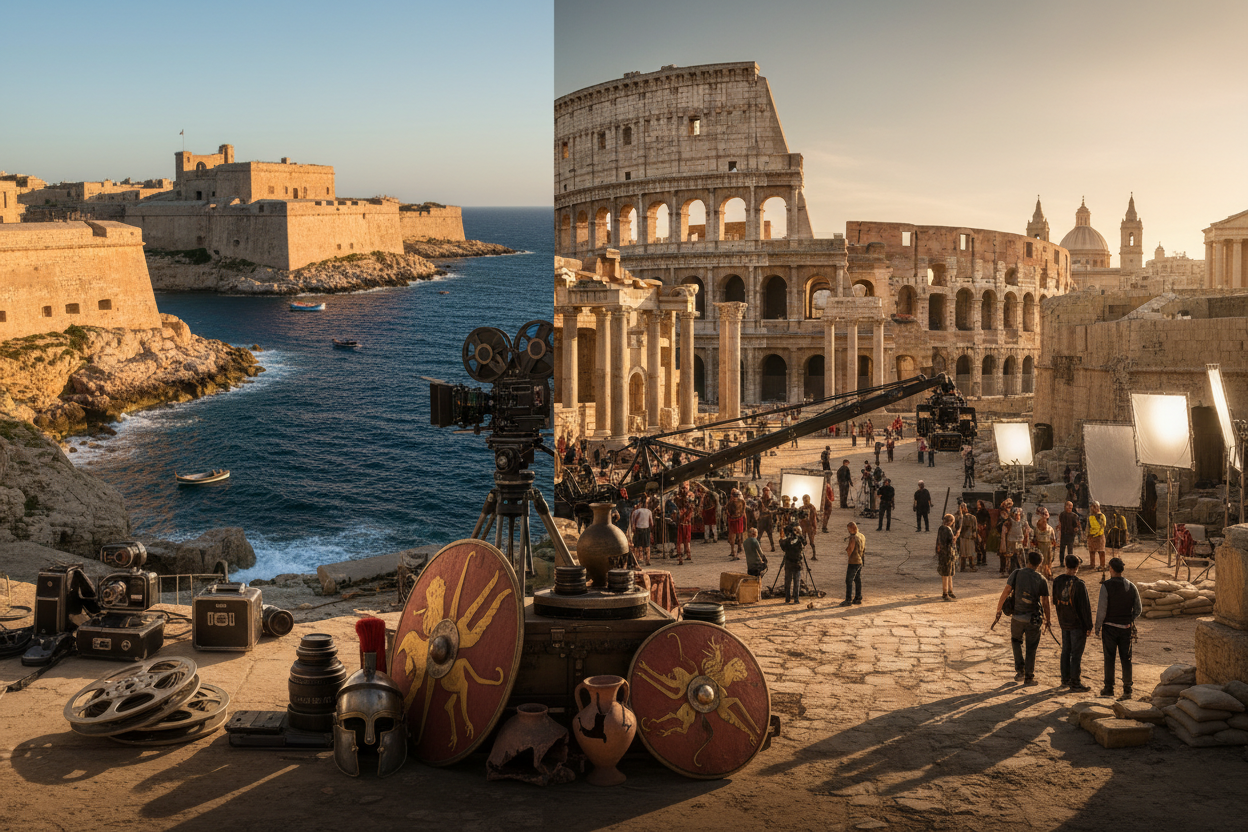
Malta’s reputation as a filming destination reached new heights with the arrival of major Hollywood productions. Perhaps the most famous of these was Ridley Scott’s “Gladiator” in 2000, which used Malta to recreate ancient Rome. The production built an impressive replica of the Colosseum at Fort Ricasoli, which remained as a tourist attraction for years after filming concluded. The success of “Gladiator” put Malta firmly on the map for epic historical productions.
The “Troy” production in 2004, starring Brad Pitt, further cemented Malta’s reputation for handling large-scale productions. The film utilized multiple locations across the island, with the ancient city of Troy being constructed at Mellieha Bay. The scale of this production demonstrated Malta’s ability to support major international films with complex logistical requirements.
More recently, the HBO series “Game of Thrones” brought unprecedented attention to Malta as a filming location. The production used various locations across the islands to represent King’s Landing and other fictional locations in Westeros. The economic impact of this production was significant, not only in terms of direct spending but also in the tourism boost that followed, with fans flocking to visit the real-life locations of their favorite scenes.
Other notable productions include “Captain Phillips,” “13 Hours,” “Assassin’s Creed,” and “Murder on the Orient Express.” Each of these films utilized Malta’s unique characteristics in different ways, from its modern harbor facilities to its ancient architecture, demonstrating the island’s remarkable versatility as a filming location.
The Economic Impact of Film Production
The film industry has become a significant contributor to Malta’s economy, generating millions of euros in direct and indirect revenue annually. The Malta Film Commission estimates that major productions can inject substantial amounts into the local economy through accommodation, catering, transportation, and local hiring. This economic impact extends far beyond the immediate production period, as many films have led to increased tourism as fans seek to visit filming locations.
The industry has also created employment opportunities for local residents, from skilled technicians and craftspeople to extras and support staff. Many Maltese professionals have developed expertise in film production, creating a sustainable local industry that can support both international productions and local filmmaking initiatives.
The government’s film incentive scheme, which offers cash rebates for qualifying productions, has been crucial in attracting international filmmakers. This scheme, combined with Malta’s EU membership and favorable tax environment, makes the country highly competitive compared to other filming destinations in the region.
Supporting Infrastructure and Services
Malta has invested heavily in developing the infrastructure necessary to support modern film production. The Mediterranean Film Studios, located in Kalkara, provides purpose-built facilities including sound stages, workshops, and office space. The studios also feature water tanks for underwater filming and marine sequences, a relatively rare facility that has attracted several major productions.
The island’s compact size and excellent road network mean that equipment and crews can move quickly between locations, reducing transportation costs and time. Malta’s modern telecommunications infrastructure supports the high-speed data transfer requirements of modern digital filmmaking, while the island’s reliable electricity supply ensures that productions can operate without the power interruptions that can plague filming in some other locations.
Local service providers have evolved to meet the specific needs of film productions, offering everything from specialized catering for large crews to equipment rental and transportation services. This ecosystem of support services has made Malta increasingly attractive to international productions seeking a hassle-free filming experience.
Challenges and Future Prospects
Despite its many advantages, Malta’s film industry faces certain challenges. The island’s small size, while offering convenience, can also be a limitation for productions requiring vast, uninterrupted landscapes. The popularity of certain locations has led to scheduling conflicts, and the impact of tourism on some filming locations has required careful management to preserve their cinematic appeal.
Environmental concerns have also become more prominent, with productions increasingly required to demonstrate their commitment to sustainable filming practices. The Maltese authorities have worked to balance the economic benefits of film production with the need to preserve the island’s natural and cultural heritage for future generations.
Looking ahead, Malta’s film industry appears well-positioned for continued growth. The increasing demand for content from streaming platforms has created new opportunities for both large and small-scale productions. Malta’s established reputation, combined with its ongoing investment in facilities and incentives, suggests that the island will continue to play a significant role in international film production.
The development of local talent and production capabilities also points toward a future where Malta might not only host international productions but also develop its own indigenous film industry. Several Maltese filmmakers have already begun to gain international recognition, suggesting that the island’s relationship with cinema will continue to evolve and deepen.
Conclusion
Malta’s transformation from a small Mediterranean island to a major international filming destination represents one of the most successful examples of how a country can leverage its natural and cultural assets to develop a thriving creative industry. The combination of stunning locations, professional infrastructure, competitive incentives, and experienced local support has created a perfect storm of conditions that continue to attract filmmakers from around the world.
As the global entertainment industry continues to evolve, with new technologies and platforms creating fresh demands for content, Malta appears well-equipped to adapt and thrive. The island’s film industry has already demonstrated remarkable resilience and growth over the past few decades, and there’s every reason to believe that Malta will continue to play a starring role in international cinema for years to come.
For film enthusiasts, Malta offers the unique opportunity to visit locations that have appeared in some of cinema’s most memorable productions, while for the industry itself, the island represents a destination where creative vision can be realized with professional support and stunning visual appeal. In the ever-changing landscape of film production, Malta has established itself as a constant – a reliable, beautiful, and professionally managed destination that continues to exceed expectations.
 English
Leave a Reply