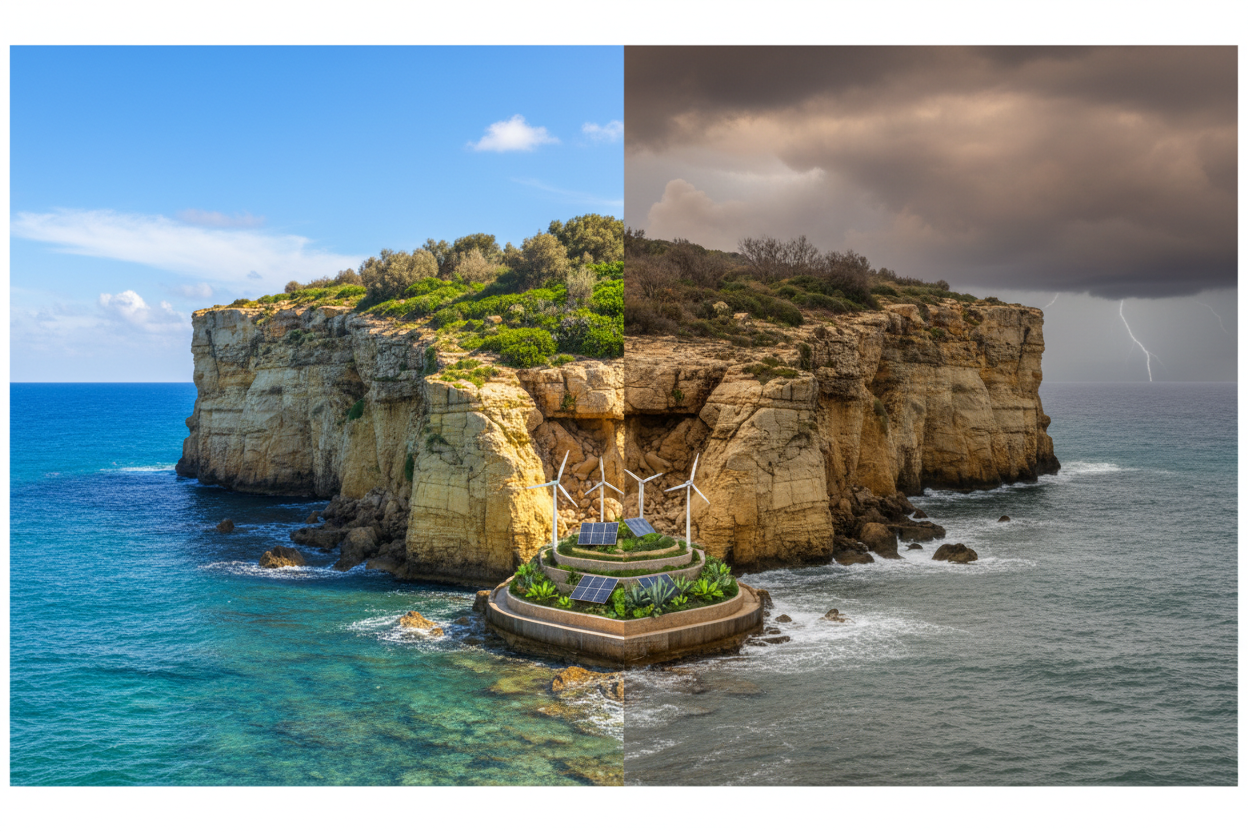
Malta Climate Change: Environmental Challenges and Adaptations
Nestled in the heart of the Mediterranean Sea, Malta’s stunning archipelago faces an uncertain environmental future. This small island nation, renowned for its crystal-clear waters, ancient temples, and vibrant culture, stands at the frontlines of climate change impacts. As global temperatures continue to rise and weather patterns shift dramatically, Malta confronts unique challenges that threaten its very existence while simultaneously pioneering innovative adaptation strategies that serve as a beacon for other island nations worldwide.
The reality of climate change in Malta isn’t a distant threat—it’s happening now. From rising sea levels lapping at ancient coastal fortifications to increasingly severe drought conditions affecting daily life, the Maltese people are experiencing firsthand how our changing climate reshapes island living. Understanding these challenges and the remarkable ways Malta is responding offers crucial insights into climate resilience and adaptation in small island developing states.
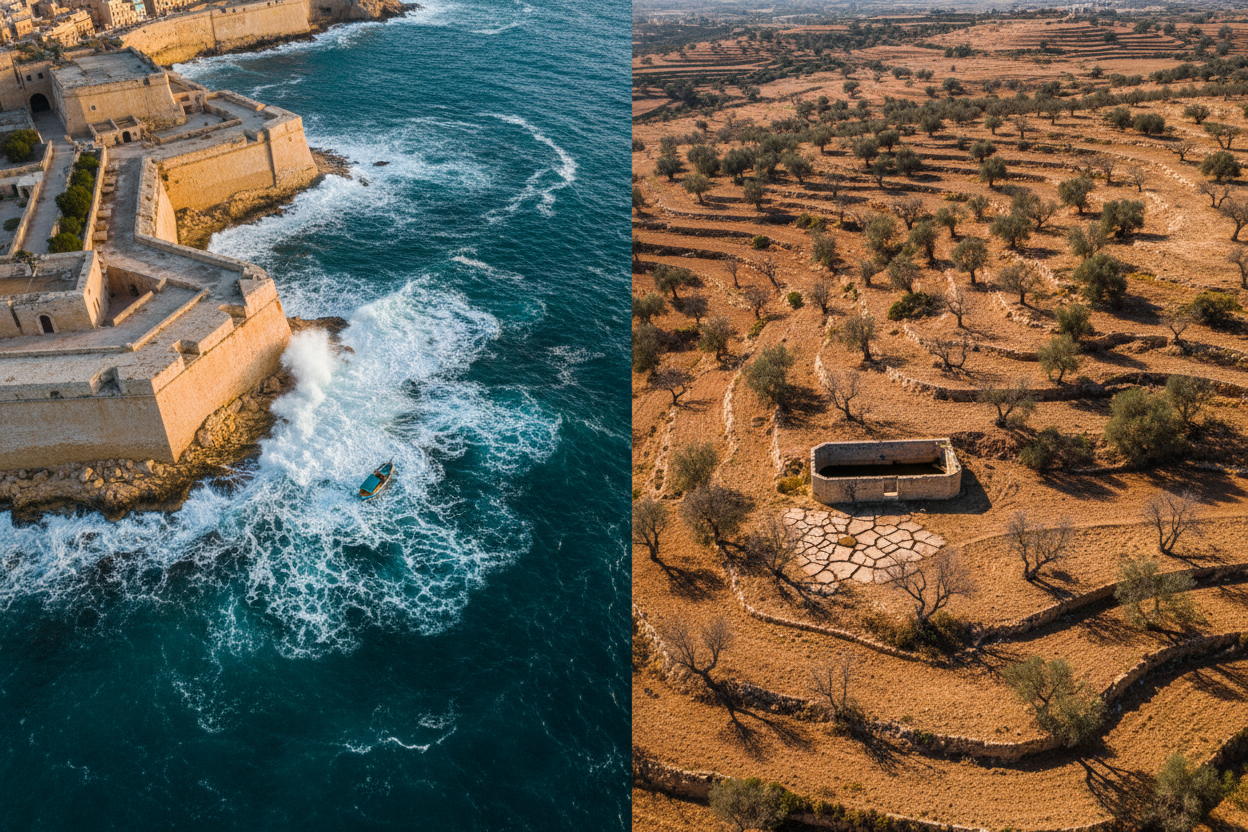
The Current Climate Reality in Malta
Malta’s Mediterranean climate has traditionally been characterized by hot, dry summers and mild, wet winters. However, recent decades have witnessed significant shifts in these established patterns. Temperature records show that Malta has warmed by approximately 1.4 degrees Celsius since the 1960s, with summer temperatures now regularly exceeding historical averages.
Precipitation patterns have become increasingly erratic, with longer dry spells punctuated by intense rainfall events. The island nation typically receives most of its annual rainfall between October and March, but these patterns are becoming less predictable. Some years bring devastating droughts, while others deliver torrential rains that overwhelm drainage systems and cause widespread flooding.
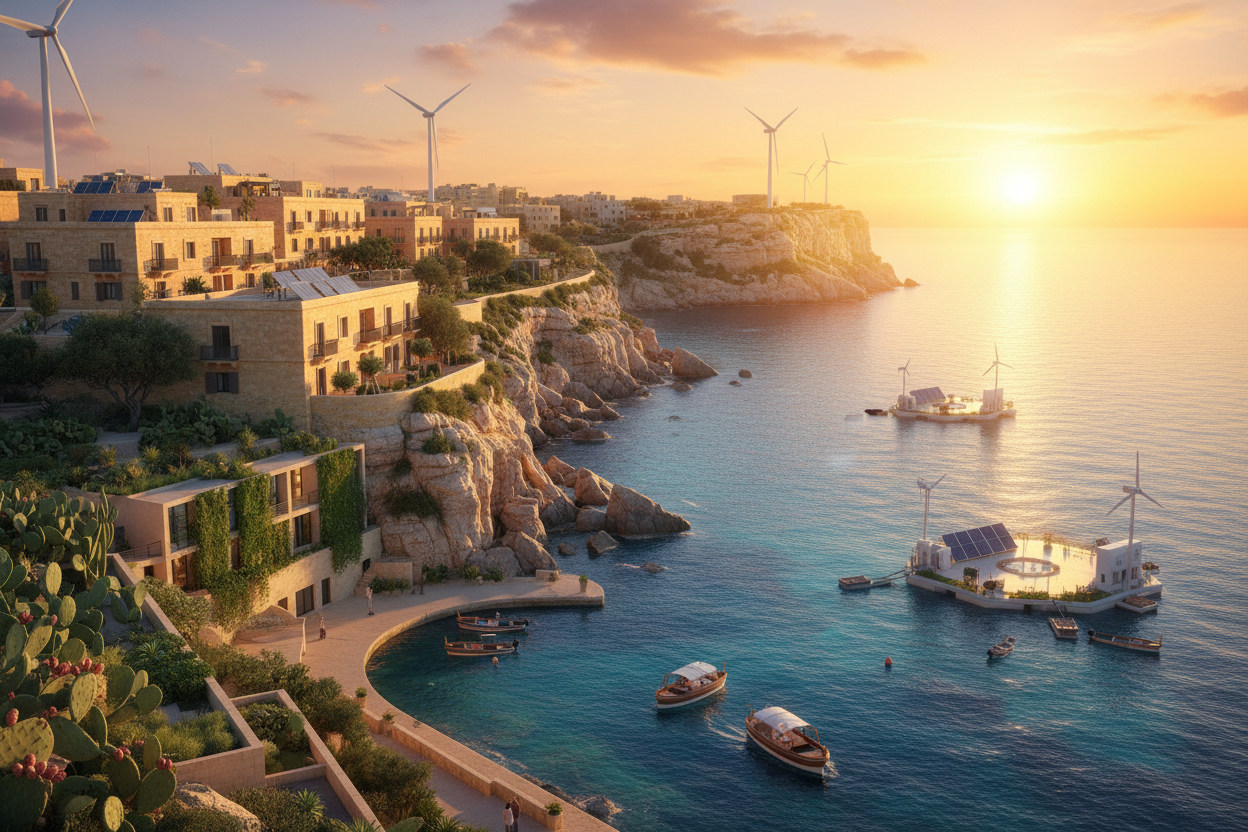
Wind patterns have also shifted, affecting everything from renewable energy generation to coastal erosion rates. The traditional seasonal winds that once provided natural cooling during summer months are becoming less reliable, contributing to increased energy demands for cooling systems and affecting local weather microclimates across the islands.
Rising Sea Levels: A Threat to Malta’s Coastal Heritage
Perhaps no climate change impact poses a more immediate threat to Malta than rising sea levels. With over 180 kilometers of coastline and most of its population living within a few kilometers of the sea, Malta is extraordinarily vulnerable to even modest increases in ocean levels.
Current projections suggest sea levels around Malta could rise by 0.3 to 0.8 meters by 2100, depending on global emission scenarios. This might seem modest, but for an island nation with an average elevation of just 253 meters above sea level, such increases represent a significant threat to coastal infrastructure, historical sites, and residential areas.
The impact extends beyond simple inundation. Higher sea levels increase the intensity of coastal storm surge events, turning previously manageable storms into devastating floods. Malta’s iconic harbors, including the UNESCO World Heritage site of Valletta’s Grand Harbour, face increased vulnerability to these extreme events.
Saltwater intrusion into freshwater aquifers represents another critical concern. As sea levels rise, saltwater penetrates deeper into the island’s limited groundwater resources, threatening both drinking water supplies and agricultural irrigation systems. This contamination can persist for decades, even if sea levels were to stabilize.
Water Scarcity: Malta’s Most Pressing Environmental Challenge
Water scarcity has long been Malta’s Achilles’ heel, and climate change is intensifying this challenge dramatically. The island nation receives less than 600 millimeters of rainfall annually, making it one of the most water-scarce countries in the world. With climate change bringing longer droughts and more intense but less frequent rainfall, water security has become a national priority.
Malta’s groundwater aquifers, formed in the island’s limestone bedrock, traditionally provided the primary water source. However, over-extraction and saltwater intrusion have severely compromised these resources. Today, groundwater quality has deteriorated to the point where much of it requires extensive treatment before use.
The agricultural sector, though small, faces particular challenges. Farmers struggle with increasingly unpredictable rainfall, higher evaporation rates, and degraded soil quality. Traditional crops that once thrived in Malta’s climate now require additional irrigation, further straining water resources.
Tourism, a cornerstone of Malta’s economy, adds another layer of complexity to water management. Peak tourist seasons coincide with the driest months, creating maximum demand precisely when water resources are most stressed. Hotels, restaurants, and recreational facilities must balance visitor expectations with conservation imperatives.
Innovative Water Management Solutions
Faced with acute water scarcity, Malta has become a global leader in water management innovation. The island nation now produces approximately 60% of its water supply through desalination, operating some of the most advanced reverse osmosis plants in the Mediterranean region.
The Għar Lapsi and Pembroke desalination plants represent technological marvels, converting seawater into high-quality drinking water using energy-efficient processes. These facilities incorporate renewable energy sources where possible, reducing the carbon footprint of water production while ensuring supply security.
Rainwater harvesting has experienced a renaissance in Malta, with both government incentives and private initiatives promoting collection systems. Modern buildings increasingly incorporate sophisticated rainwater collection and storage systems, while traditional Maltese architecture’s inherent water collection features are being restored and enhanced.
Water recycling and reuse programs have expanded significantly, with treated wastewater now used for irrigation, industrial processes, and groundwater recharge. The New Water Treatment Plant at Sant’Antnin produces high-quality recycled water that helps reduce pressure on freshwater resources.
Smart water management systems utilizing Internet of Things sensors and artificial intelligence help optimize distribution, detect leaks quickly, and manage demand in real-time. These technologies have reduced water losses significantly while improving system efficiency across the islands.
Renewable Energy Transition and Climate Mitigation
Malta’s commitment to reducing greenhouse gas emissions while adapting to climate change has driven an ambitious renewable energy transition. The island nation aims to achieve carbon neutrality by 2050, requiring fundamental changes to its energy system.
Solar energy represents Malta’s greatest renewable resource potential. The island enjoys over 3,000 hours of sunshine annually, making photovoltaic systems highly effective. Government incentives have spurred widespread adoption of rooftop solar installations, while utility-scale solar farms are being developed across suitable land areas.
Wind energy development faces unique challenges in Malta’s densely populated landscape, but offshore wind projects show significant promise. The surrounding Mediterranean waters offer consistent wind resources that could provide substantial clean energy generation capacity.
Energy storage solutions are becoming increasingly critical as renewable energy adoption grows. Malta is investing in battery storage systems and exploring innovative solutions like pumped hydro storage using the island’s topographical features.
The interconnection with the European electricity grid through underwater cables provides both import capacity during peak demand and export opportunities when renewable generation exceeds local needs. This connection enhances energy security while supporting the broader European renewable energy transition.
Protecting Biodiversity in a Changing Climate
Malta’s unique position in the Mediterranean migration corridor makes it a crucial habitat for numerous species, but climate change threatens this biodiversity hotspot. Rising temperatures, altered precipitation patterns, and increased extreme weather events are forcing rapid ecosystem adaptations.
Marine ecosystems around Malta face multiple stressors, including ocean warming, acidification, and changing currents. Coral communities, seagrass beds, and fish populations are experiencing shifts that ripple through entire food webs. Some Mediterranean species are moving northward, while tropical species are beginning to establish populations in Maltese waters.
Terrestrial habitats face different challenges. Malta’s endemic species, evolved in isolation over millennia, have limited options for climate-driven migration. Conservation efforts now focus on creating climate-resilient habitat corridors and protecting critical refugia areas.
Agricultural biodiversity preservation has become increasingly important as climate change threatens traditional crop varieties. Seed banks and heritage variety conservation programs help maintain genetic diversity essential for developing climate-adapted crops.
Urban biodiversity initiatives are transforming Malta’s built environment. Green roofs, vertical gardens, and urban forests provide habitat while delivering cooling benefits and stormwater management. These nature-based solutions demonstrate how cities can support biodiversity while adapting to climate change.
Building Climate Resilience in Communities
Malta’s approach to climate adaptation extends far beyond technological solutions, encompassing comprehensive community resilience building. Local governments, civil society organizations, and residents are working together to create adaptive capacity at the grassroots level.
Early warning systems for extreme weather events have been enhanced with community-based monitoring networks. Residents receive timely alerts about flooding risks, heat waves, and other climate-related hazards, enabling proactive protective measures.
Community emergency response teams receive specialized training in climate-related disaster response. These local volunteers provide first-line assistance during extreme weather events while supporting longer-term recovery efforts.
Educational programs in schools and communities build climate literacy and promote adaptation behaviors. Children learn about water conservation, energy efficiency, and environmental stewardship while adults participate in workshops on home-level climate adaptations.
Social support networks help vulnerable populations cope with climate impacts. Elderly residents, people with disabilities, and low-income families receive targeted assistance during heat waves, storms, and other extreme events.
Future Outlook and Continued Adaptation
Malta’s journey toward climate resilience is ongoing, with new challenges and opportunities emerging as global climate patterns continue evolving. The island nation’s experiences offer valuable lessons for other small island developing states facing similar challenges.
Continued investment in climate science and monitoring will be essential for understanding local climate impacts and refining adaptation strategies. Malta participates in international research collaborations that enhance scientific understanding while building local expertise.
Regional cooperation within the Mediterranean basin provides opportunities for shared learning and coordinated responses. Malta actively engages in regional climate initiatives, sharing experiences while learning from neighboring countries’ adaptation efforts.
Innovation and technology development remain crucial for advancing climate solutions. Malta’s growing reputation as a center for environmental technology innovation attracts investment and expertise that benefit both local adaptation and global climate efforts.
The integration of climate considerations into all aspects of planning and development ensures that future growth supports rather than undermines resilience goals. From building codes to transportation planning, climate adaptation is becoming embedded in decision-making processes across sectors.
Malta’s response to climate change demonstrates that small nations can lead by example, developing innovative solutions while building resilience for their communities. As the island continues adapting to our changing climate, its experiences provide hope and practical guidance for climate action worldwide. The challenges are significant, but Malta’s commitment to sustainability and innovation offers a pathway toward a more resilient and sustainable future.
 English
Leave a Reply