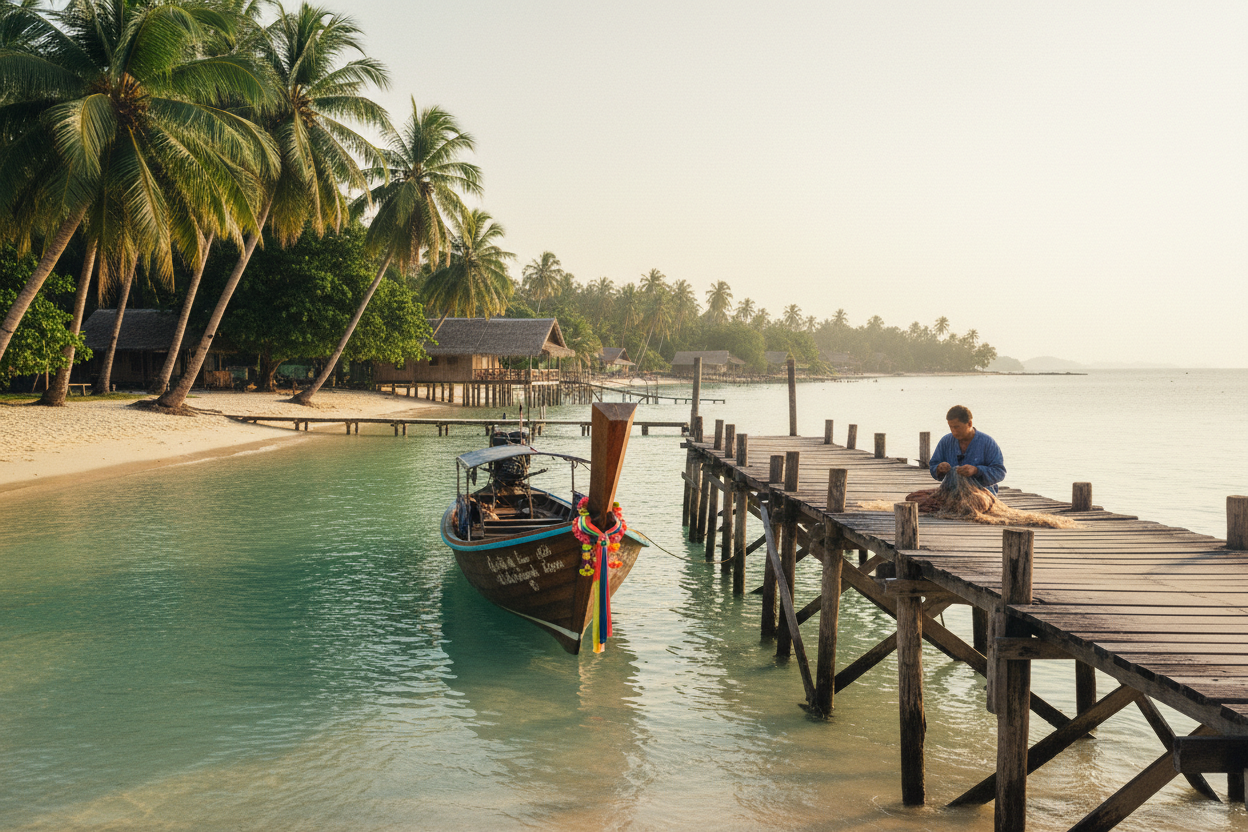
Tucked away in the pristine waters of the Andaman Sea, Koh Miang stands as one of Thailand’s most secluded paradise islands. While most visitors know it as part of the Mu Ko Similan National Park, few understand what daily life looks like for the handful of people who call this remote island home. From park rangers to research scientists, these island residents experience a rhythm of life that’s both challenging and incredibly rewarding.
Living on Koh Miang isn’t just about waking up to crystal-clear waters and untouched beaches every morning – though that’s certainly part of the appeal. It’s about being stewards of one of Thailand’s most important marine ecosystems, where every day brings new responsibilities, unexpected encounters with wildlife, and the unique challenges that come with island living.
Dawn Breaks Over Paradise: Starting the Day on Koh Miang
The day begins before most of the world is awake. At 5:30 AM, the island stirs to life not with the sound of traffic or city noise, but with the gentle lapping of waves and the calls of tropical birds. For Somchai, a senior park ranger who has lived on Koh Miang for over eight years, this early start is essential.
“The island tells you what kind of day it’s going to be,” he explains while preparing his morning coffee over a small gas burner. “You learn to read the wind, the color of the water, even how the birds are behaving. It all matters when you’re responsible for keeping this place safe.”
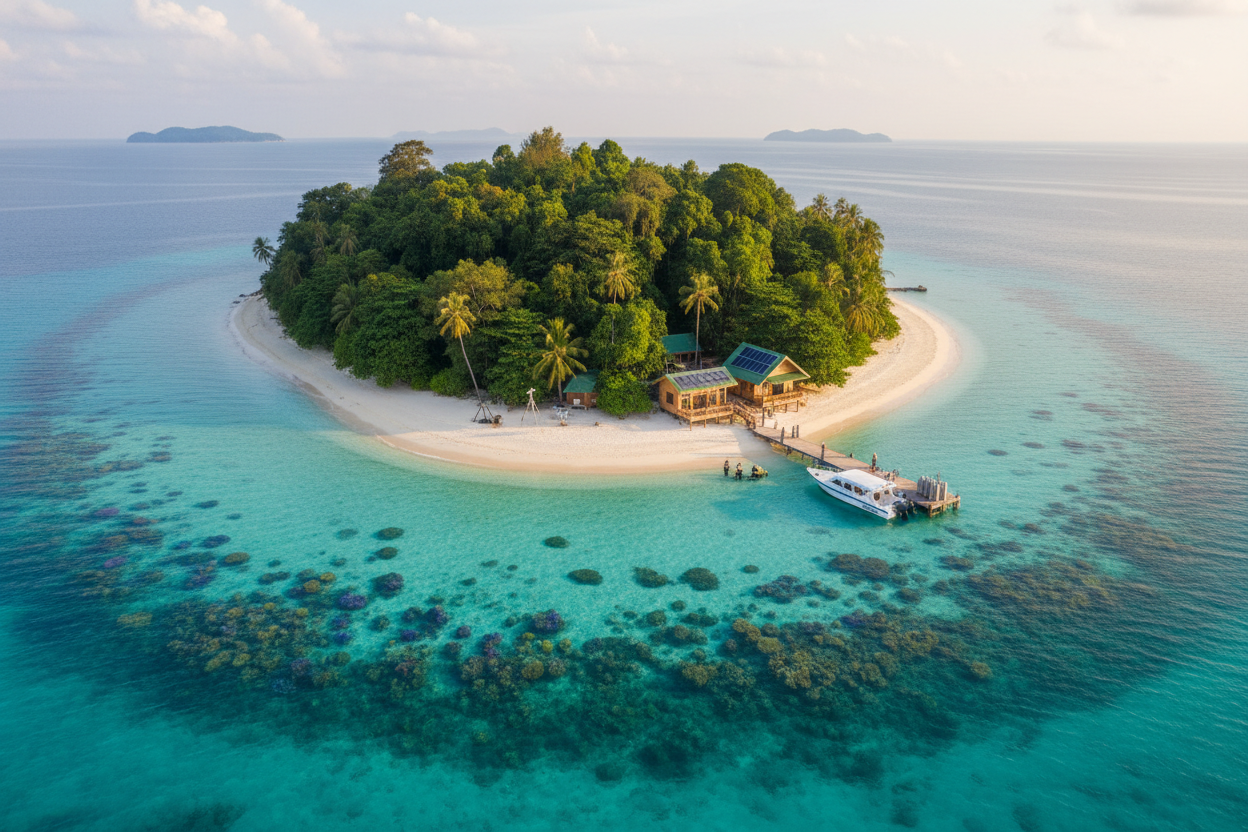
The morning routine includes checking weather conditions, reviewing the day’s visitor schedule, and conducting an initial survey of the main beach areas. During turtle nesting season, this early morning patrol becomes even more critical, as rangers document any new nests or track signs from the night before.
Island Infrastructure: The Realities of Remote Living
Living on Koh Miang means adapting to a completely different relationship with basic necessities. Fresh water comes from rainwater collection systems and carefully managed reserves. Electricity is generated by solar panels and backup generators, making every kilowatt precious. Internet connectivity is limited and often unreliable, creating a natural digital detox that residents have learned to embrace.
Dr. Niran, a marine biologist who spends several months each year on the island conducting coral reef research, describes the adjustment period: “The first week is always challenging. You realize how dependent we’ve become on constant connectivity and unlimited resources. But after that initial period, there’s something incredibly freeing about the simplicity.”
Food supplies arrive via boat from the mainland, typically twice a week during the tourist season. Residents have become masters of meal planning and food preservation. Fresh vegetables are a luxury, leading many to maintain small herb gardens using composted organic waste. Fish, when regulations permit, supplement the diet, though sustainable practices are strictly observed.
Conservation Work: Protecting Thailand’s Marine Treasure
The heart of daily life on Koh Miang revolves around conservation efforts. The island serves as a crucial nesting site for sea turtles, including the critically endangered hawksbill turtle. During nesting season, which runs from November to February, residents work around the clock to monitor and protect these ancient mariners.
Ranger Ploy, one of only three female rangers stationed on the island, explains the intensity of turtle season: “Some nights, we’ll have multiple turtles coming ashore to nest. Each one needs to be documented, measured, and tagged if it’s a first-time nester. We also have to protect the nests from natural predators and unfortunately, sometimes from humans who don’t understand the importance of what we’re doing.”
Beyond turtle conservation, daily duties include coral reef monitoring, water quality testing, and maintaining detailed logs of marine life sightings. The data collected on Koh Miang contributes to broader research efforts aimed at understanding and protecting the Andaman Sea’s marine ecosystems.
Visitor Management: Balancing Tourism and Conservation
During the tourist season, from November to April, Koh Miang transforms from a quiet research station into a carefully managed eco-tourism destination. Day-trip visitors arrive by speedboat and longtail boat, bringing both opportunities and challenges for island residents.
The morning briefing session becomes crucial during these months. Rangers coordinate to ensure visitor safety while minimizing environmental impact. Popular activities like snorkeling and hiking require constant supervision to prevent damage to coral reefs and terrestrial ecosystems.
“Education is a huge part of our job,” notes Ranger Somchai. “Many visitors have never seen coral reefs or sea turtle nesting sites before. When we can help them understand why these places are special, they become advocates for conservation. But it requires patience and clear communication, sometimes in three or four different languages.”
The island’s carrying capacity is strictly limited, with only a certain number of visitors allowed per day. This creates a more intimate experience for tourists while ensuring that the delicate ecosystem isn’t overwhelmed by human presence.
Challenges of Island Life: Weather, Isolation, and Emergency Preparedness
Living on Koh Miang isn’t without significant challenges. The monsoon season, from May to October, brings not only heavy rains but also complete isolation from the outside world. During severe weather, boat transportation becomes impossible, and residents must be completely self-sufficient for weeks at a time.
Medical emergencies present particular concerns. While basic first aid training is mandatory for all residents, serious injuries or illnesses require evacuation to the mainland – weather permitting. This reality shapes daily decision-making, from the tools used for maintenance work to the activities deemed safe during different weather conditions.
The psychological aspects of isolation also require careful consideration. “Some people think living on a tropical island sounds like a permanent vacation,” reflects Dr. Niran. “But the reality is that you’re often weeks away from family, friends, and familiar comforts. The beauty is incredible, but you need mental resilience to thrive here.”
Evening Routines: Sunset Reflections and Night Patrols
As the sun begins its descent toward the horizon, painting the Andaman Sea in brilliant oranges and purples, the pace of island life shifts. Tourist boats depart, leaving behind the natural sounds of waves and wildlife. This transition time offers residents a chance to reflect on the day’s accomplishments and challenges.
Evening meals are often communal affairs, with rangers and researchers sharing stories from their day’s work. These conversations serve both social and practical purposes, as information about wildlife sightings, weather patterns, and equipment needs gets shared among the team.
Night brings its own set of responsibilities. During turtle nesting season, rangers conduct regular beach patrols using red-filtered flashlights to avoid disturbing the sensitive reptiles. These quiet walks along moonlit beaches often reveal the island’s nocturnal secrets – crabs scuttling across the sand, night-flying seabirds, and occasionally, the magical sight of a sea turtle slowly making her way to shore to nest.
The Rewards of Island Guardianship
Despite the challenges, those who choose to live and work on Koh Miang speak passionately about the rewards of their unique lifestyle. There’s the daily privilege of witnessing untouched natural beauty, the satisfaction of contributing to important conservation work, and the deep sense of community that develops among island residents.
“Every morning when I step outside and see this place, I’m reminded of why this work matters,” says Ranger Ploy. “We’re not just living here – we’re protecting something irreplaceable for future generations. That responsibility gives meaning to even the most challenging days.”
The skills developed through island living extend far beyond conservation work. Residents become experts in resource management, weather prediction, mechanical repair, and crisis management. These capabilities, forged in one of Thailand’s most remote locations, create individuals uniquely prepared for environmental challenges anywhere in the world.
Living on Koh Miang represents more than just an alternative lifestyle – it’s a commitment to environmental stewardship that requires dedication, adaptability, and a deep respect for the natural world. For those called to this work, each day offers the opportunity to make a tangible difference in preserving one of Thailand’s most precious marine ecosystems. While the challenges are real and significant, the rewards of protecting paradise make every sunrise on Koh Miang a reminder of what we stand to lose if we don’t act as careful guardians of our planet’s remaining wild places.
 English
Leave a Reply