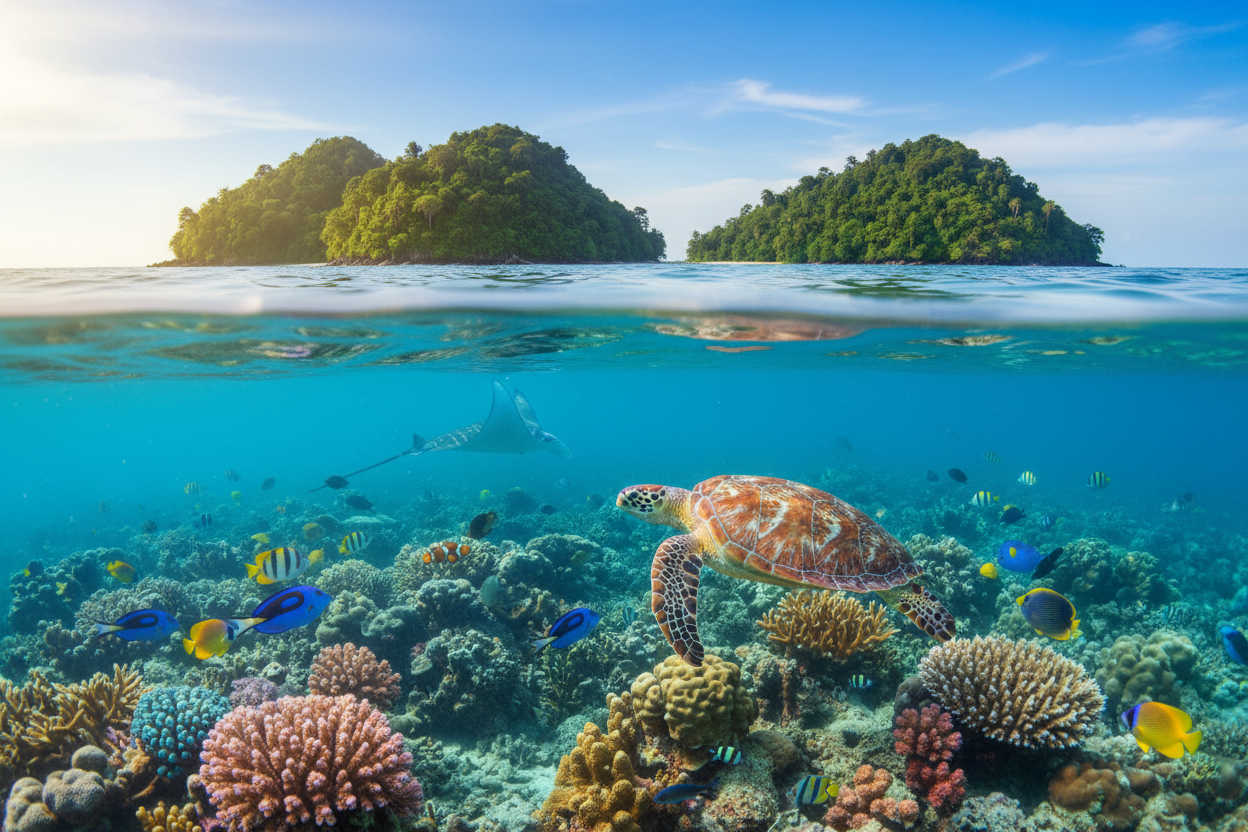
The Similan Islands, a breathtaking archipelago in the Andaman Sea off Thailand’s west coast, represent one of Southeast Asia’s most pristine marine environments. These nine granite islands have become synonymous with world-class diving and spectacular underwater biodiversity. However, beneath the crystal-clear waters and vibrant coral reefs lies a complex ecosystem that requires dedicated conservation efforts to maintain its natural splendor for future generations.
As tourism continues to grow in this tropical paradise, the delicate balance between economic development and environmental protection has never been more critical. The Similan Islands National Park, established in 1982, serves as a testament to Thailand’s commitment to preserving marine biodiversity while showcasing innovative conservation strategies that other destinations worldwide can learn from.

The Rich Biodiversity of Similan Islands Marine Life
The waters surrounding the Similan Islands teem with an extraordinary variety of marine species that make this destination a bucket-list location for divers and marine biologists alike. The archipelago’s unique geographical position creates diverse underwater habitats, from shallow coral gardens to dramatic underwater pinnacles that attract both small tropical fish and large pelagic species.
Manta rays gracefully glide through the deeper waters, while whale sharks occasionally make spectacular appearances near Richelieu Rock, one of the region’s most famous dive sites. The coral reefs themselves host over 500 species of fish, including colorful parrotfish, angelfish, and butterflyfish that create living rainbows beneath the waves.
Sea turtles, particularly hawksbill and green turtles, use the islands’ beaches as nesting sites, making their conservation a top priority for local authorities. These ancient mariners face numerous threats, from plastic pollution to climate change, making the Similan Islands’ protection efforts crucial for their survival in the Indian Ocean region.
Current Conservation Challenges Facing the Archipelago
Despite its protected status, the Similan Islands face mounting environmental pressures that threaten the delicate ecosystem balance. Climate change has emerged as perhaps the most significant long-term threat, with rising sea temperatures causing coral bleaching events that have affected large portions of the reef system in recent years.
Tourism pressure, while economically beneficial to local communities, has created additional challenges for conservation efforts. The popularity of the islands has led to increased boat traffic, anchor damage to coral reefs, and waste generation that strains the limited infrastructure of this remote location.
Plastic pollution represents another critical issue, with ocean currents carrying debris from across the region to these pristine shores. Marine animals often mistake plastic waste for food, leading to injury or death, while microplastics enter the food chain at the most basic levels.
Illegal fishing practices, including dynamite fishing and the use of fine mesh nets, continue to pose threats to marine life despite increased enforcement efforts. These destructive methods not only harm target species but also damage the coral reef structure that forms the foundation of the entire ecosystem.
Government-Led Marine Protection Initiatives
The Thai government has implemented comprehensive marine protection measures that demonstrate a serious commitment to preserving the Similan Islands’ natural heritage. The Department of National Parks, Wildlife and Plant Conservation oversees strict regulations governing visitor access, boat operations, and fishing activities within the protected area.
Seasonal closures represent one of the most effective conservation strategies employed in the region. From May to October each year, the islands are completely closed to tourism, allowing marine life to reproduce and recover without human interference. This period coincides with the monsoon season, when rough seas would make visits dangerous anyway, creating a win-win situation for both safety and conservation.
The government has also established strict visitor quotas to prevent overcrowding and minimize environmental impact. Daily limits on the number of tourists allowed on each island help protect sensitive areas while ensuring that visitors can still enjoy high-quality experiences in this natural wonderland.
Marine patrol units conduct regular surveillance operations to prevent illegal fishing and enforce regulations within the national park boundaries. These dedicated teams work around the clock to protect vulnerable species and maintain the integrity of the marine ecosystem.
Community-Based Conservation Programs
Local communities play an essential role in Similan Islands conservation efforts, bringing traditional knowledge and grassroots enthusiasm to environmental protection initiatives. Fishing communities that have lived in the region for generations possess invaluable understanding of marine ecosystems and seasonal patterns that inform modern conservation strategies.
Village-based turtle monitoring programs have proven particularly successful, with local volunteers patrolling beaches during nesting season to protect eggs from predators and human interference. These community guardians also collect valuable data on nesting patterns and success rates that help scientists better understand turtle populations.
Education initiatives in nearby coastal communities focus on sustainable fishing practices and marine ecosystem awareness. Local schools participate in environmental education programs that teach children about the importance of coral reefs and marine biodiversity, creating the next generation of ocean stewards.
Alternative livelihood programs help fishing communities transition to sustainable tourism activities, such as boat operations and guide services, reducing pressure on marine resources while providing economic opportunities. These programs demonstrate how conservation and community development can work hand in hand.
Scientific Research and Monitoring Efforts
Ongoing scientific research forms the backbone of effective conservation strategies in the Similan Islands, providing the data needed to make informed management decisions. Marine biologists from universities and research institutions conduct regular surveys to monitor coral health, fish populations, and overall ecosystem conditions.
Long-term monitoring programs track changes in species abundance and distribution over time, helping scientists identify trends and potential threats before they become critical problems. This proactive approach allows for timely intervention when ecosystems show signs of stress or decline.
Coral restoration projects utilize cutting-edge techniques to rehabilitate damaged reef areas and enhance natural recovery processes. Scientists grow coral fragments in nurseries before transplanting them to degraded areas, helping to rebuild reef structure and biodiversity.
Water quality monitoring ensures that pollution levels remain within acceptable limits and helps identify sources of contamination that could harm marine life. Regular testing for nutrients, chemicals, and bacterial contamination provides early warning of potential environmental problems.
Sustainable Tourism Practices and Guidelines
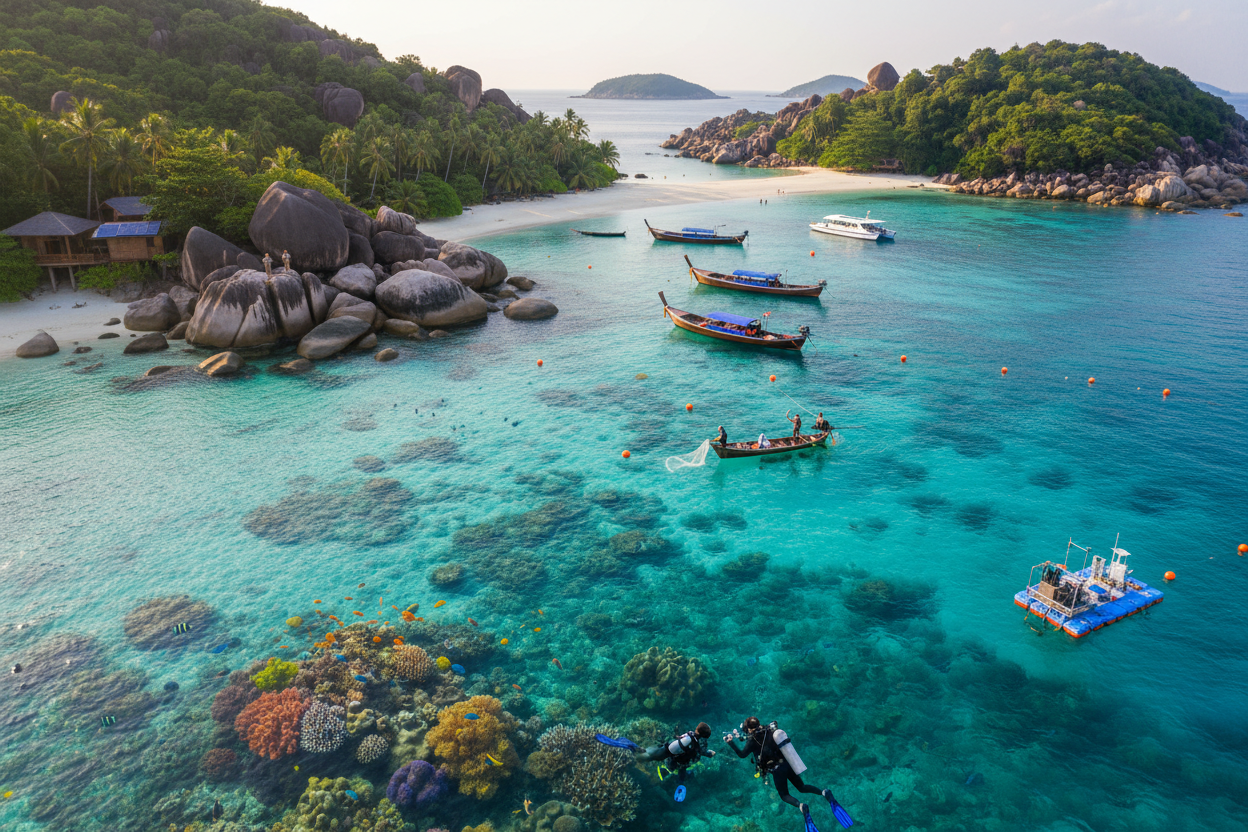
The tourism industry in the Similan Islands has embraced sustainable practices that minimize environmental impact while maintaining the high-quality experiences that visitors expect. Dive operators follow strict guidelines for boat anchoring, using designated mooring buoys to prevent anchor damage to coral reefs.
Waste management protocols require all tour operators to carry out everything they bring to the islands, following a “leave no trace” philosophy that keeps these pristine environments clean. Many operators go beyond basic requirements, organizing beach cleanup activities and educating visitors about marine conservation.
Responsible diving practices emphasize the importance of maintaining proper buoyancy control and avoiding contact with marine life or coral formations. Dive guides receive specialized training in marine ecology and conservation messaging, ensuring that visitors leave with a deeper appreciation for ocean protection.
Accommodation facilities on nearby islands implement eco-friendly practices such as solar power generation, rainwater harvesting, and waste reduction programs. These initiatives demonstrate that tourism development and environmental protection can coexist successfully.
Success Stories and Conservation Achievements
The conservation efforts in the Similan Islands have yielded impressive results that demonstrate the effectiveness of comprehensive protection strategies. Sea turtle nesting numbers have shown steady increases in recent years, with hawksbill turtle populations recovering particularly well thanks to dedicated protection efforts.
Coral coverage in many areas has stabilized or even increased following the implementation of strict protection measures and restoration activities. While climate change continues to pose challenges, the overall resilience of the reef system has improved significantly.
Fish populations, particularly larger species that were previously overfished, have shown remarkable recovery within the protected areas. Grouper, snapper, and shark populations have all increased, indicating that the marine ecosystem is returning to a healthier state.
The success of community-based conservation programs has inspired similar initiatives throughout Thailand and the broader Southeast Asian region. The Similan Islands model demonstrates how local communities can become powerful allies in environmental protection efforts.
Future Conservation Goals and Initiatives
Looking ahead, conservation efforts in the Similan Islands continue to evolve and expand to address emerging challenges and opportunities. Climate change adaptation strategies are becoming increasingly important, with research focusing on identifying coral species and reef areas most likely to survive rising temperatures.
Technology integration promises to enhance monitoring and protection capabilities, with underwater cameras, satellite tracking, and drone surveillance providing new tools for conservation management. These innovations will enable more efficient and effective protection of marine resources.
Regional cooperation initiatives aim to create broader marine protected area networks that connect the Similan Islands with other conservation areas throughout the Andaman Sea. These corridors will provide safe passage for migratory species and enhance the overall effectiveness of protection efforts.
Education and awareness programs continue to expand, reaching new audiences both locally and internationally. Social media campaigns and virtual reality experiences help people around the world connect with the Similan Islands’ conservation mission, building global support for marine protection efforts.
Conclusion: A Model for Marine Conservation Excellence
The Similan Islands represent a shining example of how dedicated conservation efforts can protect and restore marine ecosystems while supporting sustainable economic development. Through the combined efforts of government agencies, local communities, scientists, and the tourism industry, these remarkable islands continue to thrive as one of the world’s premier marine destinations.
The success achieved in the Similan Islands offers hope and inspiration for marine conservation efforts worldwide. By demonstrating that environmental protection and economic prosperity can go hand in hand, this archipelago serves as a model for other destinations facing similar challenges.
As we look to the future, the ongoing conservation efforts in the Similan Islands remind us that protecting our planet’s marine treasures requires constant vigilance, innovation, and collaboration. The crystal-clear waters and vibrant coral reefs of these islands will continue to inspire wonder and appreciation for generations to come, thanks to the dedicated individuals and organizations working tirelessly to preserve this underwater paradise.
 English
Leave a Reply