A Journey Beyond Paradise
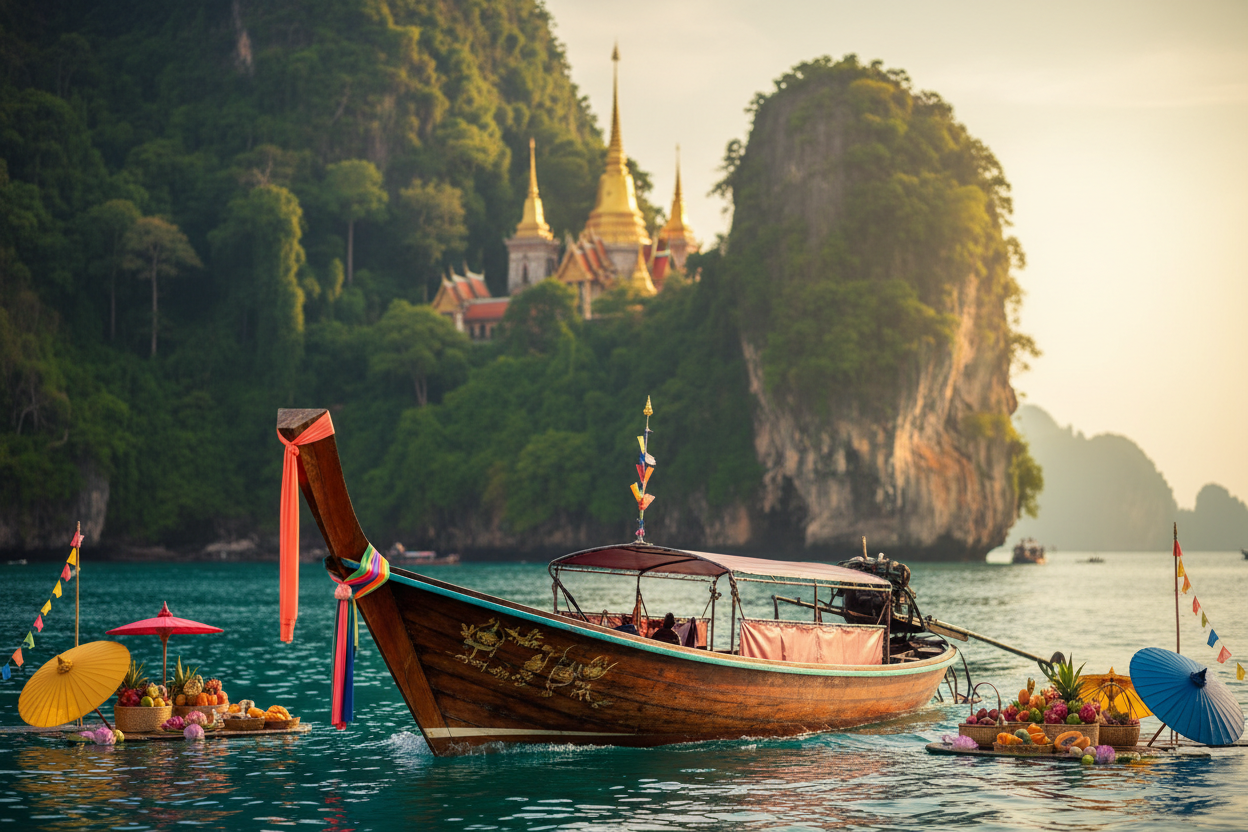
When most travelers think of Thailand’s islands, pristine beaches and crystal-clear waters immediately come to mind. While these natural wonders are undeniably breathtaking, the true magic of Thailand’s island culture runs much deeper than its picture-perfect coastlines. Each island tells a unique story, weaving together centuries of tradition, diverse communities, and cultural practices that have been shaped by geography, history, and the gentle rhythm of island life.
From the bustling cultural hub of Phuket to the serene fishing villages of Koh Samui, Thailand’s islands offer an authentic glimpse into a way of life that has remained remarkably unchanged despite the waves of modernization. This cultural exploration reveals how island communities have preserved their heritage while adapting to the contemporary world, creating a fascinating blend of old and new that captivates visitors from around the globe.
The Historical Tapestry of Thai Island Culture
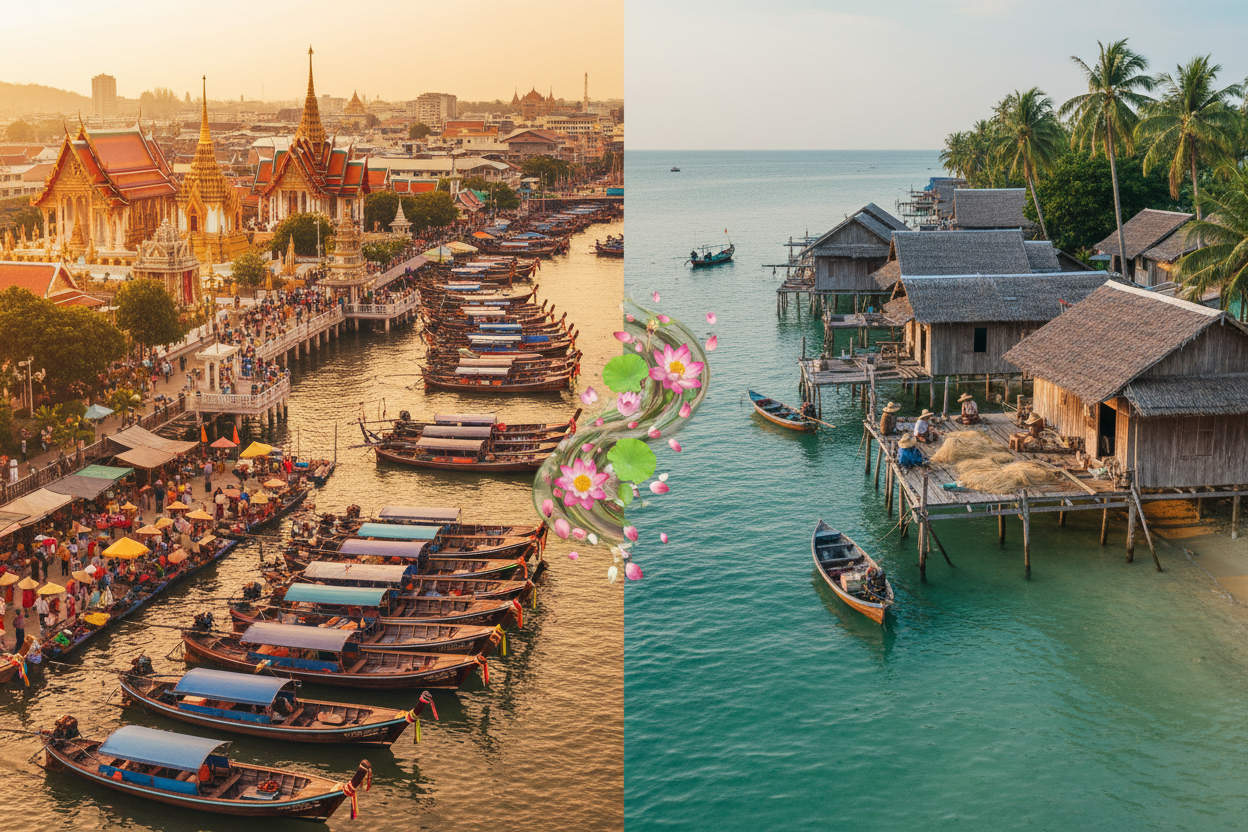
Thailand’s islands have served as crucial crossroads for maritime trade for over a thousand years. This strategic position has created a rich cultural melting pot where Thai traditions blend seamlessly with influences from China, India, Malaysia, and beyond. The historical significance of these islands extends far beyond their role as trading posts – they became cultural laboratories where diverse communities learned to coexist and thrive together.
The ancient port city of Phuket, for instance, bears witness to this multicultural heritage through its Sino-Portuguese architecture. Walking through the old town feels like stepping back in time, where colorful shophouses tell stories of Chinese merchants who settled here during the tin mining boom of the 19th century. These architectural gems, with their intricate wooden shutters and ornate facades, represent more than just buildings – they’re living monuments to the island’s ability to embrace and integrate different cultures.
Archaeological evidence suggests that some of Thailand’s islands were inhabited as early as the prehistoric period. The cultural layers built up over millennia have created communities with unique dialects, customs, and traditions that differ significantly from mainland Thailand. This historical depth adds complexity and richness to the island experience that goes far beyond surface-level tourism.
Traditional Island Communities and Their Way of Life
The heart of Thai island culture beats strongest in its traditional communities, where generations of families have maintained their ancestral ways of life. On islands like Koh Yao Noi and Koh Lanta, you’ll find villages where the rhythm of daily life still follows the tides and seasons, much as it has for centuries.
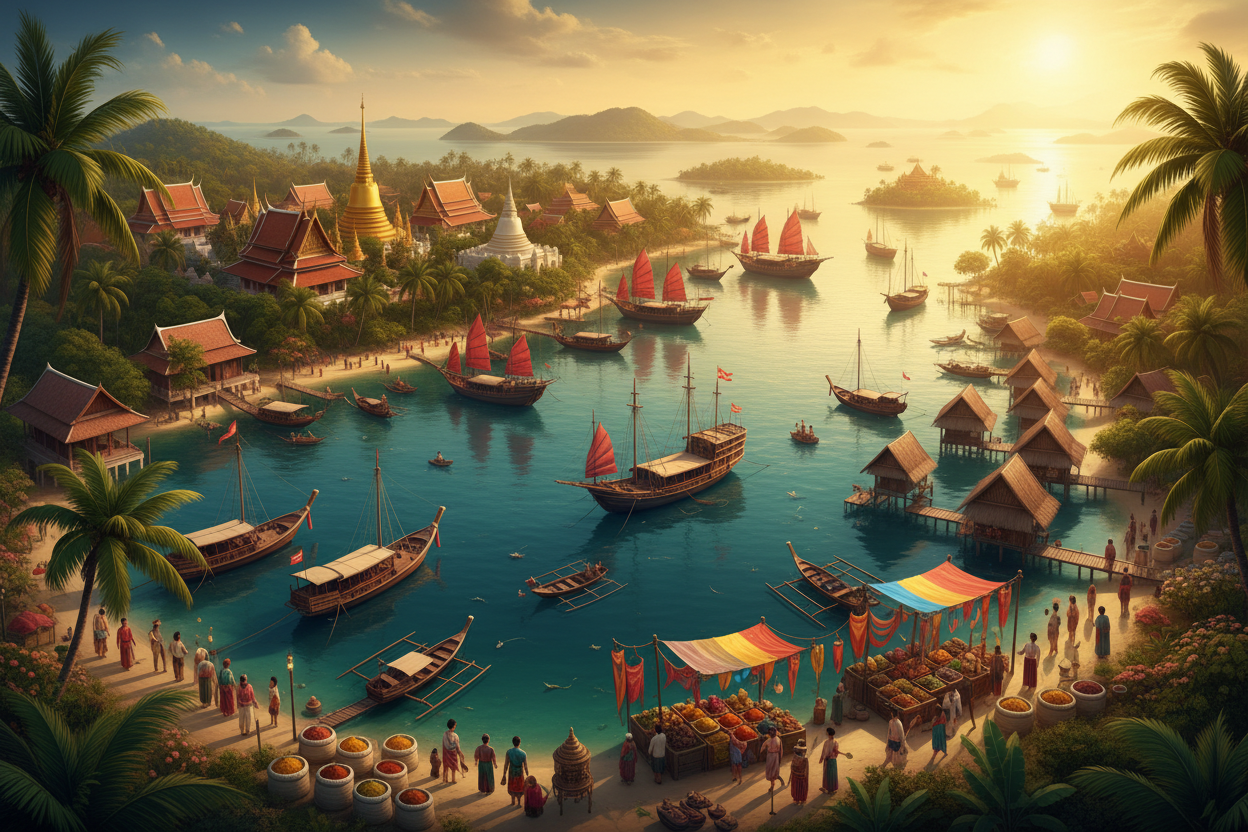
Fishing remains the backbone of many island communities, and the traditional long-tail boats that dot the harbors represent more than just transportation – they’re symbols of cultural identity. The intricate process of boat building, passed down through generations, involves specific rituals and techniques that reflect the deep spiritual connection between islanders and the sea. Master craftsmen still construct these vessels using time-honored methods, selecting wood based on lunar cycles and incorporating protective symbols into their designs.
Agriculture on the islands presents its own unique characteristics, adapted to the challenges of limited land and salt air. Coconut farming, rubber plantations, and small-scale rice cultivation have shaped the landscape and lifestyle of island communities. The traditional methods of coconut harvesting, using trained monkeys in some areas, demonstrate the ingenious ways islanders have adapted to their environment over generations.
Village life centers around the local temple, which serves not only as a place of worship but as a community gathering point for festivals, meetings, and cultural celebrations. These temples often feature architectural styles unique to their specific islands, incorporating local materials and design elements that reflect the maritime environment.
Culinary Traditions: Where Sea Meets Spice
Thai island cuisine represents one of the most authentic ways to experience local culture, offering flavors and dishes that can’t be found anywhere else in Thailand. The abundance of fresh seafood combined with tropical fruits and vegetables creates a culinary landscape that’s both familiar and surprisingly unique.
Each island has developed its own signature dishes based on local ingredients and cultural influences. Phuket’s famous Hokkien noodles reflect the island’s Chinese heritage, while the curry dishes of the southern islands incorporate Malaysian and Indian spice traditions. The use of coconut milk, fresh herbs, and locally caught fish creates flavor profiles that are distinctly different from mainland Thai cuisine.
Traditional cooking methods remain prevalent in many island communities. Wood-fired stoves, clay pots, and banana leaf wrapping techniques continue to be used not just for their practical benefits but because they’re integral to maintaining authentic flavors and cultural practices. The communal aspect of food preparation, where entire families participate in creating meals, strengthens social bonds and ensures the transfer of culinary knowledge to younger generations.
Local markets on the islands provide insight into the seasonal rhythms of island life. The variety of seafood changes with fishing seasons, tropical fruits ripen according to natural cycles, and traditional preservation methods like fish sauce production and dried seafood preparation continue to play important roles in the local economy and diet.
Arts, Crafts, and Cultural Expressions
The artistic traditions of Thailand’s islands reflect both their maritime environment and their multicultural heritage. Traditional crafts have evolved to incorporate materials readily available on the islands, creating unique art forms that can’t be found elsewhere in Thailand.
Batik fabric production thrives on several southern islands, where artisans use traditional wax-resist dyeing techniques to create intricate patterns inspired by marine life and tropical vegetation. The process requires significant skill and patience, with master craftspeople spending years perfecting their techniques. These textiles serve both practical and ceremonial purposes, worn during important festivals and cultural celebrations.
Wood carving traditions have adapted to use local tropical hardwoods, creating everything from functional fishing boats to decorative temple ornaments. The motifs often incorporate sea creatures, waves, and other maritime elements that reflect the islanders’ deep connection to the ocean. These carved pieces serve as both artistic expressions and functional items that play important roles in daily island life.
Traditional music and dance forms on the islands often incorporate movements that mimic the motion of waves and the activities of fishing communities. The shadow puppet theater tradition, while found throughout Thailand, takes on unique characteristics on the islands, with stories adapted to include local legends and maritime themes.
Festivals and Celebrations: Community Spirit in Action
Island festivals provide some of the most authentic cultural experiences available to visitors, offering glimpses into community life that remain largely unchanged by tourism. These celebrations often revolve around the lunar calendar, fishing seasons, and important Buddhist holidays, creating a rhythm of community life that connects islanders to both their spiritual beliefs and their natural environment.
Harvest festivals celebrate the bounty of coconut and rubber plantations, featuring traditional games, music performances, and communal feasts that strengthen community bonds. These celebrations often include demonstrations of traditional skills like coconut climbing competitions and rubber tapping techniques, ensuring that younger generations maintain connections to their cultural heritage.
Modern Challenges and Cultural Preservation
Tourism development has brought both opportunities and challenges to Thailand’s island communities. While increased economic opportunities have improved living standards for many islanders, rapid development has also put pressure on traditional ways of life and cultural practices.
Many island communities have found innovative ways to balance economic development with cultural preservation. Community-based tourism initiatives allow visitors to experience authentic island life while providing income for local families. These programs often include homestays with fishing families, participation in traditional craft workshops, and guided tours led by community members who share their personal stories and cultural knowledge.
Language preservation has become a particular concern, as younger generations increasingly adopt standard Thai and English for economic opportunities. Several islands have initiated programs to document and teach local dialects, ensuring that these linguistic treasures don’t disappear with older generations.
Environmental challenges also threaten traditional ways of life, as climate change affects fishing patterns and coastal erosion threatens historical sites. Island communities have become active participants in conservation efforts, recognizing that environmental protection is essential for preserving their cultural heritage.
Conclusion: Islands as Cultural Locations
Thailand’s islands offer far more than beautiful beaches and tropical relaxation – they provide windows into cultural traditions that have developed over centuries of maritime life. From the multicultural heritage of Phuket to the traditional fishing communities of lesser-known islands, each destination tells stories of adaptation, preservation, and cultural evolution.
 English
Leave a Reply