Best Time to Visit Malta: Weather, Crowds, and Seasonal Highlights
Nestled in the heart of the Mediterranean, Malta beckons travelers with its rich history, stunning coastlines, and year-round sunshine. But when exactly should you pack your bags for this enchanting archipelago? The answer isn’t as straightforward as you might think. While Malta enjoys a pleasant climate throughout the year, each season offers its own unique charm and challenges.
Whether you’re dreaming of crystal-clear waters perfect for diving, or experiencing local festivals in their full glory, timing your visit can make all the difference. Let’s dive into the seasonal nuances of Malta to help you plan the perfect Mediterranean getaway.
Understanding Malta’s Mediterranean Climate
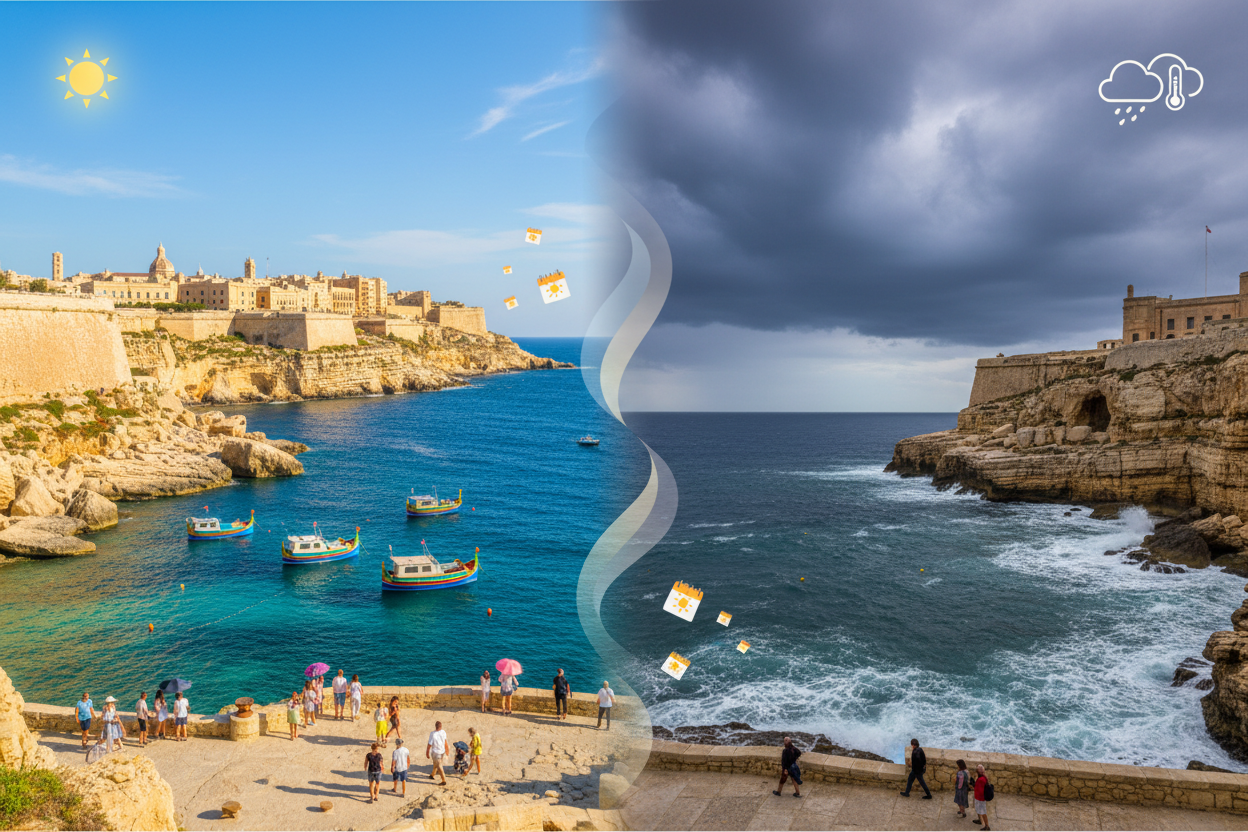
Malta’s strategic location between Sicily and North Africa blesses it with a classic Mediterranean climate characterized by hot, dry summers and mild, wet winters. The archipelago enjoys over 300 days of sunshine annually, making it one of Europe’s sunniest destinations. However, this doesn’t mean every month offers identical conditions for travelers.
The islands experience two distinct seasons: a dry period from May to October and a wetter season from November to April. Sea temperatures remain comfortable for swimming from May through November, while winter months see occasional rainfall and cooler temperatures that rarely drop below 10°C (50°F).
Understanding these patterns is crucial for planning activities. Summer months are perfect for beach lovers and water sports enthusiasts, while cooler months offer ideal conditions for hiking, sightseeing, and exploring Malta’s incredible historical sites without the intense Mediterranean sun beating down on you.
Spring in Malta (March to May): The Sweet Spot
Spring emerges as many travelers’ favorite time to visit Malta, and for good reason. March through May offers the perfect balance of pleasant weather, manageable crowds, and reasonable prices. Temperatures gradually climb from a comfortable 18°C (64°F) in March to a delightful 23°C (73°F) by May.
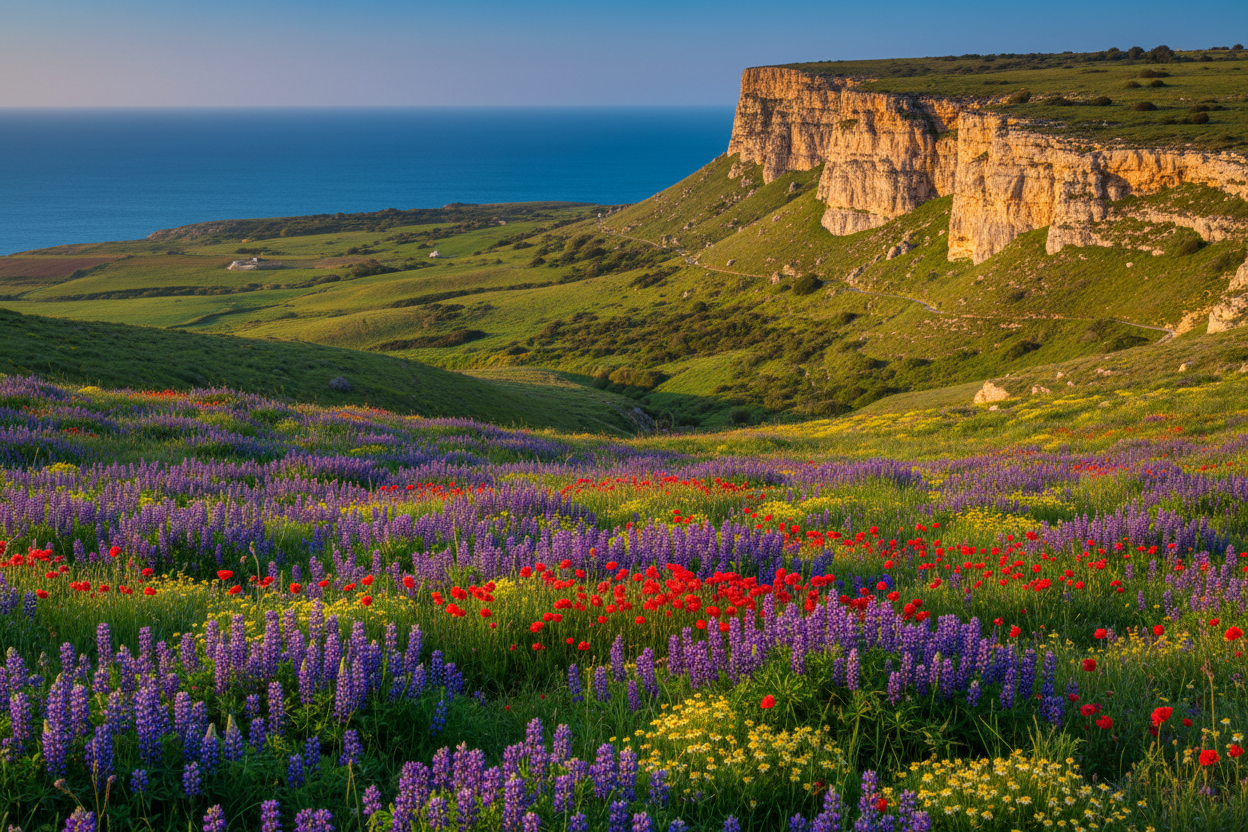
The countryside transforms into a green paradise during spring, with wildflowers carpeting the landscape in vibrant colors. This is particularly stunning in Gozo, where rolling hills become a photographer’s dream. The weather is ideal for exploring outdoor attractions like the Dingli Cliffs or hiking the various trails that crisscross the islands.
Spring also marks the beginning of the festival season. Easter celebrations are particularly spectacular in Malta, with elaborate processions and traditional ceremonies taking place across the islands. The weather is warm enough for outdoor dining but not so hot that you’ll be seeking air conditioning every few minutes.
One slight drawback is that sea temperatures hover around 18-20°C (64-68°F), which might feel chilly for extended swimming sessions. However, this is perfect weather for boat trips and coastal walks without the summer crowds competing for the best photo spots.
Summer in Malta (June to August): Peak Season Paradise
Summer transforms Malta into a bustling Mediterranean hotspot, attracting sun-seekers and party-goers from across Europe. Temperatures soar to 28-30°C (82-86°F), with July and August being the hottest months. The sea reaches its warmest temperatures of 24-26°C (75-79°F), creating perfect conditions for swimming, snorkeling, and diving.
This is undoubtedly the best time for beach activities and water sports. Popular beaches like Golden Bay, Mellieha Bay, and the Blue Lagoon in Comino come alive with activity. The extended daylight hours mean you can pack more activities into each day, with sunset not occurring until after 8 PM in midsummer.
However, summer comes with significant trade-offs. Crowds reach their peak, especially in July and August, making popular attractions uncomfortably busy. Accommodation prices skyrocket, and you’ll need to book well in advance. The intense heat can make sightseeing during midday hours quite challenging, particularly when exploring inland attractions or climbing the steep streets of Valletta.
Summer is also festival season, with events like the Malta International Arts Festival and various village feasts (festas) creating a vibrant cultural atmosphere. The nightlife scene reaches its peak, particularly in areas like Paceville and Sliema.
Autumn in Malta (September to November): The Hidden Gem
Autumn might just be Malta’s best-kept secret for savvy travelers. September, in particular, offers an exceptional combination of warm weather, fewer crowds, and still-pleasant sea temperatures. Early autumn temperatures remain comfortable at 24-26°C (75-79°F), gradually cooling to around 20°C (68°F) by November.
The sea retains much of its summer warmth through October, making it an excellent time for water activities without the summer crowds. Beach clubs and restaurants remain open, but with a more relaxed atmosphere that allows you to truly unwind and enjoy the Mediterranean pace of life.
This is arguably the best time for photography enthusiasts and culture seekers. The softer autumn light enhances the honey-colored limestone buildings, while the reduced crowds mean you can explore historical sites like the Hal Saflieni Hypogeum without feeling rushed.
October and November do see increasing chances of rainfall, but showers are typically brief and followed by clear skies. The cooler temperatures make this an ideal time for hiking, cycling, and exploring the islands’ rural areas.
Winter in Malta (December to February): Mild and Authentic
Winter in Malta defies the typical European winter experience. While temperatures drop to 15-18°C (59-64°F), this is still pleasant enough for outdoor activities with appropriate clothing. The islands take on a different character during winter months, offering visitors a more authentic glimpse into local life.
This is the perfect time for cultural immersion and historical exploration. Museums, churches, and archaeological sites are blissfully uncrowded, allowing for meaningful encounters with Malta’s 7,000-year history. The cooler weather makes walking tours of Valletta, Mdina, and the Three Cities particularly enjoyable.
Winter brings occasional rainfall, but storms are usually short-lived and dramatic rather than persistently dreary. The countryside becomes lush and green, creating beautiful hiking conditions. Many locals consider winter the best time for exploring Gozo, as the island’s rural charm is enhanced by the cooler, clearer air.
Accommodation prices drop significantly during winter months, making this an excellent time for budget-conscious travelers. While some beach clubs and seasonal restaurants close, the main attractions remain open, and you’ll find a more intimate, local atmosphere in restaurants and cafes.
Crowd Levels and Tourist Seasons
Understanding Malta’s tourist seasons is crucial for planning your visit. Peak season runs from June through August, with July being the absolute busiest month. During this period, popular attractions can become uncomfortably crowded, and advance booking becomes essential for restaurants, tours, and accommodation.
Shoulder seasons (April-May and September-October) offer the sweet spot of good weather with manageable crowds. You’ll still need to book popular restaurants and tours in advance, but you won’t feel like you’re fighting for space at every turn.
Winter months see the fewest tourists, creating opportunities for more personal interactions with locals and authentic experiences. However, some seasonal attractions and boat services may have limited schedules or close entirely during the quietest months.
Consider that Malta is a small island nation, and even moderate crowds can feel significant at popular spots like the Blue Grotto or Popeye Village. Planning your daily itinerary with crowd patterns in mind can significantly enhance your experience.
Seasonal Highlights and Events
Each season brings unique events and experiences that can influence your travel timing. Spring features Easter celebrations with elaborate processions and traditional foods. The Malta International Fireworks Festival in April creates spectacular displays against the historic backdrop of Valletta’s Grand Harbour.
Summer explodes with festivals and events. Village feasts (festas) occur throughout the summer months, each celebrating patron saints with processions, fireworks, and traditional music. The Malta International Arts Festival and Jazz Festival attract international performers and create a vibrant cultural scene.
Autumn brings the Notte Bianca cultural festival in October, when museums and cultural sites stay open late into the night with special exhibitions and performances. The Malta Mediterranean Literature Festival also takes place during autumn, attracting literary enthusiasts from around the world.
Winter offers a more intimate cultural calendar, with Christmas markets and New Year celebrations providing festive atmosphere. This is also the best time to experience traditional Maltese cuisine in local restaurants without tourist-oriented menus.
Making Your Decision: Personal Preferences Matter
Ultimately, the best time to visit Malta depends on your personal priorities and travel style. Beach lovers and party-goers will gravitate toward summer months despite the crowds and higher prices. Those seeking cultural experiences and comfortable sightseeing weather should consider spring or autumn visits.
Budget-conscious travelers will find excellent value during winter months, while photography enthusiasts might prefer the softer light and dramatic skies of autumn and winter. Families with school-age children are often limited to summer holidays, but should consider late June or early September for slightly better conditions.
Consider also what you want to avoid: if crowds stress you out, summer is not your season. If you’re hoping to swim in the sea daily, winter visits might disappoint. If you’re planning outdoor activities like hiking or cycling, the intense summer heat could be challenging.
Conclusion
Malta’s year-round appeal means there’s never truly a bad time to visit this Mediterranean gem. However, understanding the seasonal variations in weather, crowds, and local atmosphere can help you choose the perfect timing for your personal travel style and interests.
Spring and autumn emerge as the most balanced options for most travelers, offering comfortable weather, reasonable crowds, and good value. Summer delivers the classic Mediterranean beach holiday experience but requires tolerance for crowds and heat. Winter provides authentic cultural experiences and excellent value, though with cooler temperatures and occasional rain.
Whatever season you choose, Malta’s rich history, stunning coastlines, and warm hospitality ensure a memorable experience. The key is aligning your expectations with seasonal realities and planning accordingly. With this knowledge in hand, you’re ready to discover why Malta has captured travelers’ hearts for centuries, regardless of when you choose to visit.
 English
Leave a Reply