Rabat Malta: Ancient Streets and Local Life Walking Tour
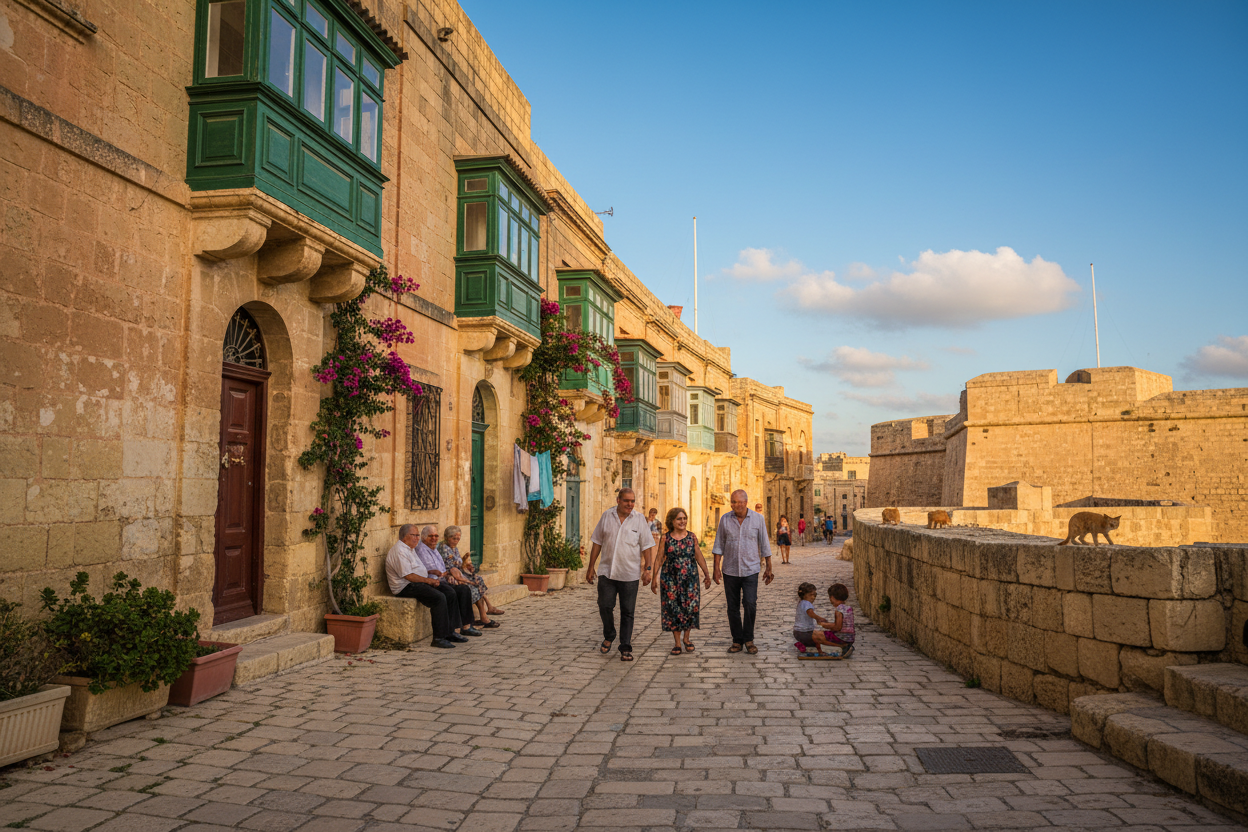
Tucked away just outside the imposing walls of Mdina, Malta’s ancient capital, lies the charming town of Rabat—a place where history whispers from every cobblestone and local life unfolds in the most authentic way possible. While most visitors rush straight to Mdina’s golden limestone walls, those in the know understand that Rabat holds secrets just as captivating, stories just as ancient, and experiences far more genuine than its famous neighbor.
Walking through Rabat feels like stepping into a living museum where the past and present dance together in perfect harmony. The narrow streets echo with the footsteps of Romans, Arabs, Knights, and countless generations of Maltese families who have called this place home. This isn’t just another tourist destination—it’s a journey through time that reveals the soul of Malta itself.
The Rich Historical Tapestry of Rabat Malta
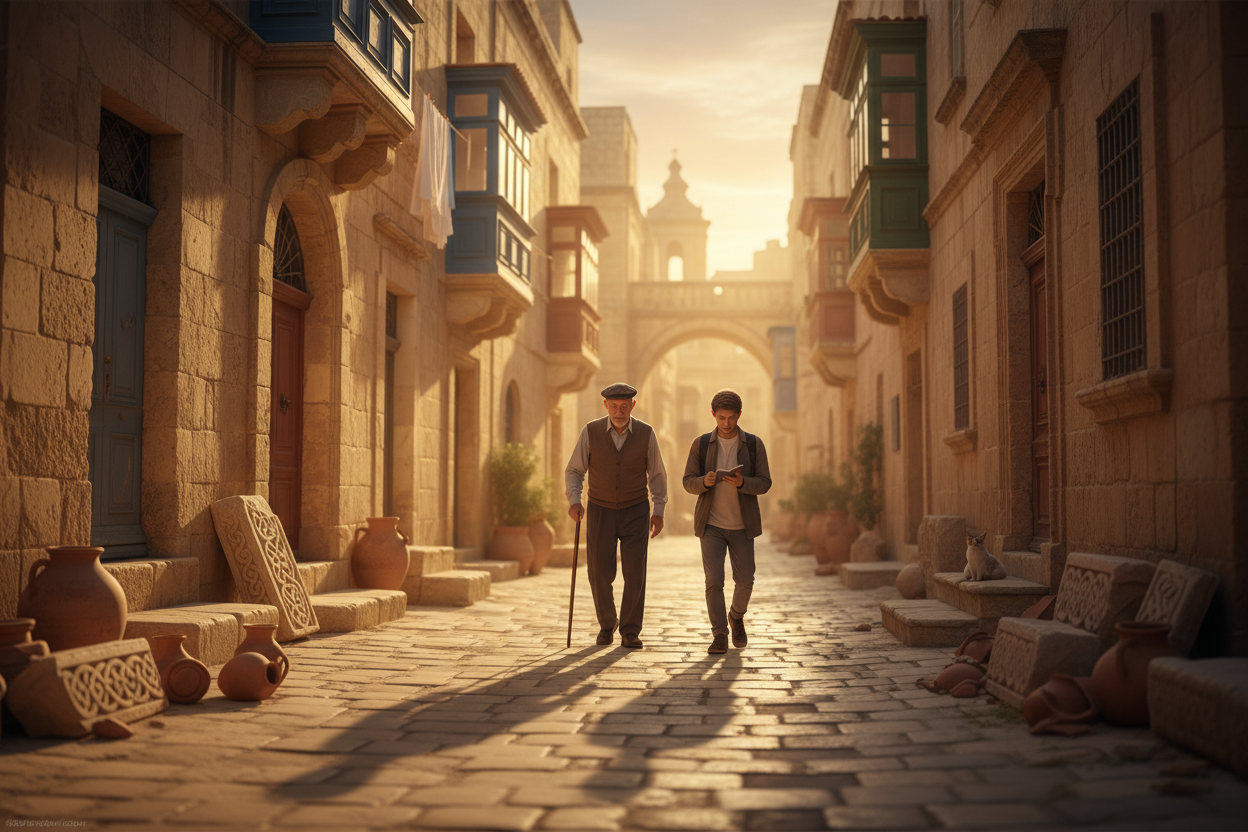
Before we lace up our walking shoes, it’s essential to understand what makes Rabat so extraordinary. The town’s name derives from the Arabic word “rabat,” meaning suburb, which perfectly describes its historical relationship with Mdina. When the Arabs conquered Malta in 870 AD, they reduced the size of the ancient Roman city and created Rabat as its suburb.
But Rabat’s story begins much earlier. Archaeological evidence suggests continuous habitation since Roman times, with some areas showing traces of even earlier Punic settlements. The Romans established their presence here around 218 BC, and you can still walk through the very catacombs where early Christians buried their dead during the persecution years.
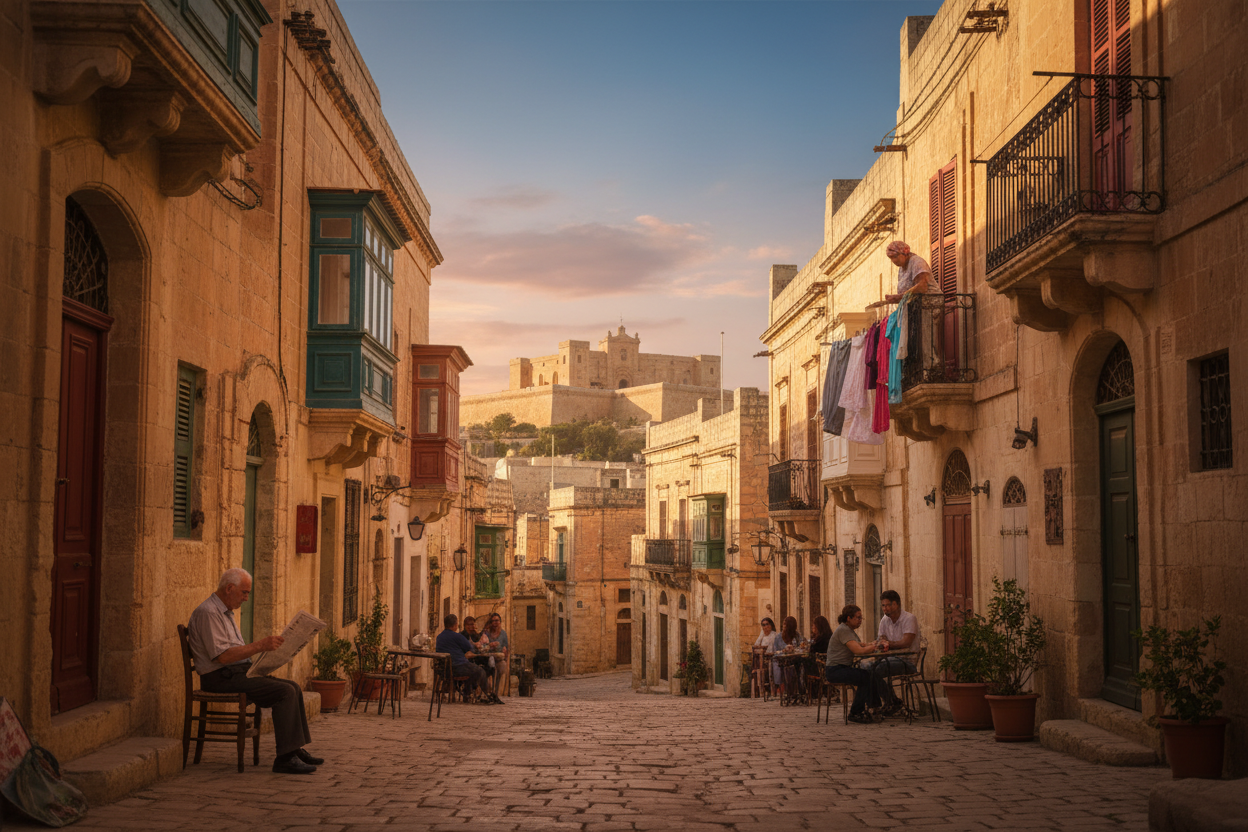
What strikes visitors most is how seamlessly different eras blend together. Medieval streets wind past Roman ruins, while Baroque churches stand proudly next to traditional Maltese townhouses. Each corner turned reveals another layer of history, another story waiting to be discovered.
Starting Your Rabat Walking Adventure
The best place to begin your walking tour is at the Mdina Gate, where the tourist crowds thin out and authentic Malta begins. As you pass through the entrance to Rabat, you’ll immediately notice the change in atmosphere. Gone are the souvenir shops and tour groups—replaced by local cafes, family-run businesses, and the genuine rhythm of daily Maltese life.
Parish Square serves as the perfect orientation point. Here, the magnificent Parish Church of St. Paul dominates the skyline with its impressive dome and twin bell towers. Built in the 17th century on the site where St. Paul is believed to have lived during his three-month stay in Malta, this church isn’t just architecturally stunning—it’s the spiritual heart of the community.
Take a moment to observe local life unfolding around you. Elderly men gather on benches sharing stories in Maltese, children play in the square after school, and the gentle chiming of church bells marks the passage of time just as it has for centuries.
Exploring St. Paul’s Catacombs and Underground Wonders
No walking tour of Rabat would be complete without descending into the mysterious world beneath your feet. St. Paul’s Catacombs represent one of the most significant archaeological sites in Malta, offering a haunting glimpse into early Christian burial practices.
These underground burial chambers, carved from soft limestone between the 3rd and 8th centuries AD, once housed thousands of bodies. Walking through the dimly lit passages, you can almost feel the weight of history pressing down around you. The catacombs feature various types of tombs, from simple graves to elaborate family mausoleums decorated with early Christian symbols.
What makes this experience particularly moving is the human element. These weren’t just burial sites—they were places where families came to remember their loved ones, where communities gathered to honor their dead, and where faith provided comfort during uncertain times. The carved crosses, fish symbols, and other early Christian iconography tell stories of hope and belief that transcend centuries.
Adjacent to St. Paul’s Catacombs, you’ll find St. Agatha’s Catacombs, equally fascinating but often less crowded. These chambers include some of the finest examples of medieval frescoes in Malta, painted when the catacombs were converted into underground chapels.
Wandering Through Authentic Maltese Neighborhoods
After emerging from the underground world, your walking tour continues through Rabat’s residential streets, where authentic Maltese life unfolds away from tourist eyes. These neighborhoods offer something increasingly rare in popular destinations—genuine local experiences.
Triq San Pawl (St. Paul Street) serves as the main artery through town, lined with traditional Maltese balconies that seem to lean in toward each other across the narrow street. These enclosed wooden balconies, painted in vibrant blues, greens, and reds, aren’t just decorative—they served practical purposes, allowing residents to observe street life while maintaining privacy.
As you wander deeper into the residential areas, you’ll discover small squares where neighbors gather, tiny chapels tucked between houses, and family-run shops that have served the community for generations. The pace here is decidedly unhurried—people stop to chat, children play safely in the streets, and the afternoon siesta is still respected.
Don’t miss Triq il-Muzew, a charming street that leads to several important sites while showcasing beautiful examples of traditional Maltese architecture. Here, you’ll see how families have adapted ancient buildings to modern needs while preserving their historical character.
Local Markets and Traditional Crafts
One of the most delightful aspects of walking through Rabat is stumbling upon local markets and traditional craftspeople still practicing age-old trades. While Malta’s traditional crafts face challenges from modernization and mass production, Rabat remains a place where you can still find authentic artisans at work.
The weekly market, held in various locations throughout town, offers a genuine slice of local life. Here, farmers from the surrounding countryside bring fresh produce, housewives shop for daily necessities, and the air fills with animated conversations in Maltese. Unlike tourist markets, this is where locals actually shop, making it an authentic cultural experience.
Look for traditional Maltese lace-making, an intricate craft that requires incredible skill and patience. Some elderly women still practice this art form, creating delicate pieces that have been passed down through generations. Watching their weathered hands work with such precision and grace is truly mesmerizing.
You might also encounter traditional stone carving, another craft deeply rooted in Maltese culture. The soft limestone that characterizes Malta’s architecture is still worked by skilled craftsmen who learned their trade from their fathers and grandfathers.
Hidden Churches and Spiritual Corners
Rabat’s spiritual landscape extends far beyond its famous parish church. As you walk through the town, you’ll discover numerous small churches, chapels, and religious niches that reflect the deep faith of the Maltese people.
The Church of St. Augustine, often overlooked by visitors, contains some remarkable artwork and offers a peaceful respite from your walking tour. Its simple exterior belies a rich interior that tells stories of devotion spanning centuries.
Throughout your walk, keep an eye out for the small religious niches built into walls and corners of buildings. These tiny shrines, maintained by local residents, often feature statues of saints or the Virgin Mary and are illuminated at night, creating a magical atmosphere in the narrow streets.
The Chapel of St. Paul’s Grotto deserves special mention. Built over the cave where St. Paul is believed to have lived during his stay in Malta, this site holds immense significance for Maltese Catholics. The grotto itself, accessed through the chapel, provides a deeply moving experience for visitors of all faiths.
Culinary Discoveries Along the Way
A walking tour through Rabat offers numerous opportunities to sample authentic Maltese cuisine in settings far removed from tourist restaurants. The local bars and cafes scattered throughout the town serve traditional dishes that have nourished families for generations.
Stop at one of the traditional pastizzerias, where you can watch bakers prepare Malta’s beloved pastizzi—flaky pastry parcels filled with ricotta cheese or mushy peas. These simple yet delicious snacks are a cornerstone of Maltese cuisine and taste best when eaten fresh from the oven.
Local bars often serve rabbit stew (fenek), Malta’s national dish, prepared according to family recipes passed down through generations. The preparation and sharing of this dish represents more than just a meal—it’s a cultural tradition that brings families and communities together.
Don’t miss the opportunity to try qassatat, traditional Maltese cheese cakes that vary slightly from one family recipe to another. These savory treats, often enjoyed with a glass of local wine, provide the perfect fuel for your walking adventure.
Evening Magic in Ancient Streets
As the day winds down and the Mediterranean sun begins its descent, Rabat transforms into something almost magical. The harsh midday light softens into a golden glow that illuminates the limestone buildings, creating an atmosphere that photographers dream about and visitors never forget.
Evening brings a different rhythm to the streets. Families emerge for their traditional evening stroll, children play in the cooling air, and the local bars fill with residents gathering for their daily dose of community interaction. This is when Rabat reveals its most authentic character—when the town belongs entirely to its residents.
The narrow streets that felt intimate during the day become almost mystical in the evening light. Shadows dance across ancient walls, and the sound of your footsteps on cobblestones creates a rhythm that seems to echo through time itself.
Many visitors find that evening is the perfect time to revisit some of the sites discovered during their day’s walk, seeing them in an entirely different light—literally and figuratively.
Practical Tips for Your Rabat Walking Tour
To make the most of your Rabat walking experience, timing and preparation are essential. The best time to explore is early morning or late afternoon when the temperature is comfortable and the light is most flattering for photography.
Wear comfortable walking shoes with good grip, as some of the ancient streets can be uneven and occasionally slippery. The narrow streets provide plenty of shade, but bring sun protection for the more open areas.
While many locals speak English, learning a few basic Maltese phrases will earn you warm smiles and perhaps lead to unexpected conversations. “Grazzi” (thank you) and “Bongu” (good morning) are simple starts that show respect for local culture.
Allow at least half a day for a thorough walking tour, though you could easily spend a full day if you include visits to the catacombs and museums. The town is compact enough to explore on foot, but there’s so much to see and experience that rushing would be a disservice to both yourself and this remarkable place.
Rabat Malta offers something increasingly rare in our modern world—an authentic connection to the past that doesn’t feel manufactured or artificial. Here, in these ancient streets where local life continues much as it has for generations, you’ll discover not just Malta’s history, but its soul. Every step reveals new wonders, every conversation opens new perspectives, and every moment spent in this remarkable town becomes a treasured memory that will draw you back again and again.
 English
Leave a Reply