Malta’s Medieval Architecture: A Visual Journey Through Time
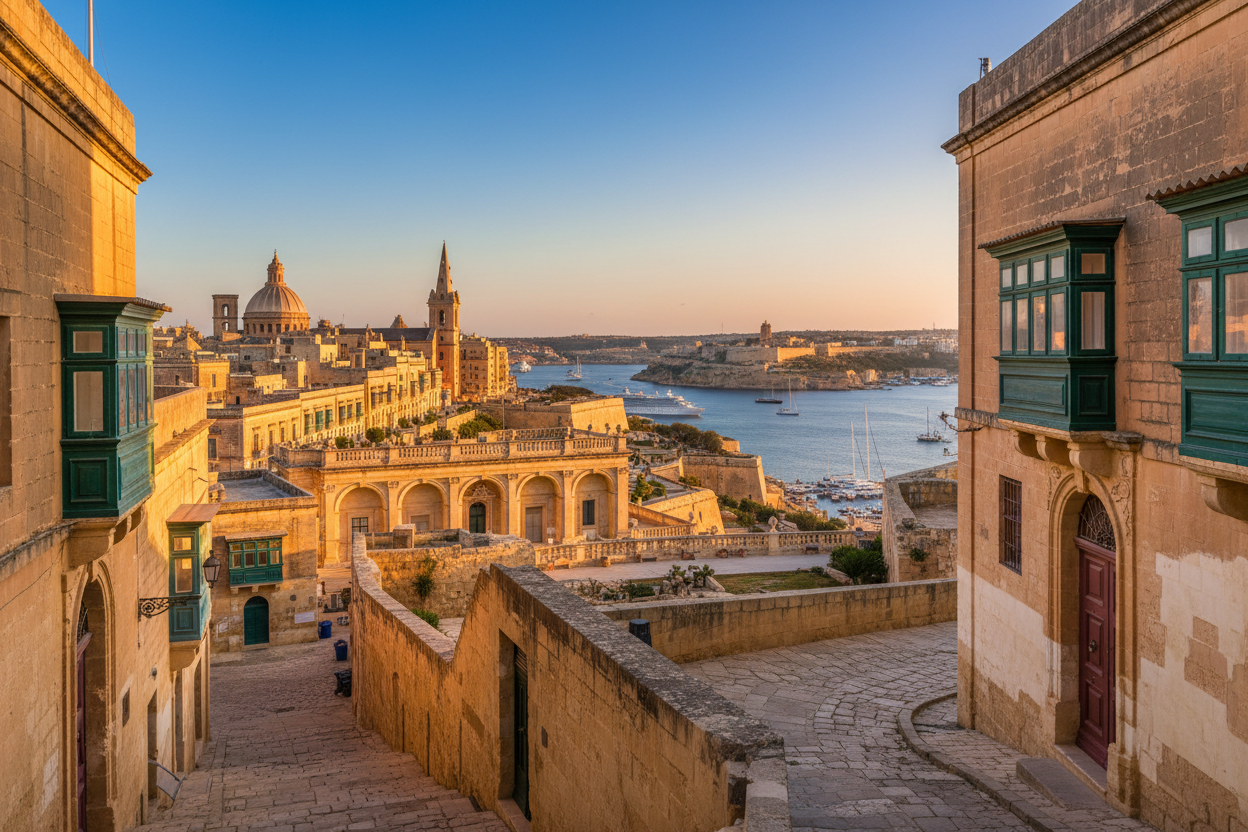
Stepping onto the sun-drenched limestone streets of Malta feels like walking through a living museum. This tiny Mediterranean archipelago, smaller than most major cities, holds within its borders an extraordinary collection of medieval architecture that tells the story of centuries of conquest, faith, and artistic evolution. From Norman churches to Gothic cathedrals, from fortified cities to humble chapels, Malta’s medieval buildings stand as silent witnesses to a turbulent yet fascinating past.
What makes Malta’s medieval architecture so captivating isn’t just its age or beauty – it’s the way these structures have seamlessly woven themselves into the fabric of modern life. Ancient walls still protect bustling neighborhoods, medieval churches continue to serve their communities, and fortress cities remain vibrant centers of culture and commerce. This remarkable preservation offers visitors and architecture enthusiasts a rare opportunity to experience medieval life in its authentic context.
The Foundation Years: Norman and Romanesque Influences
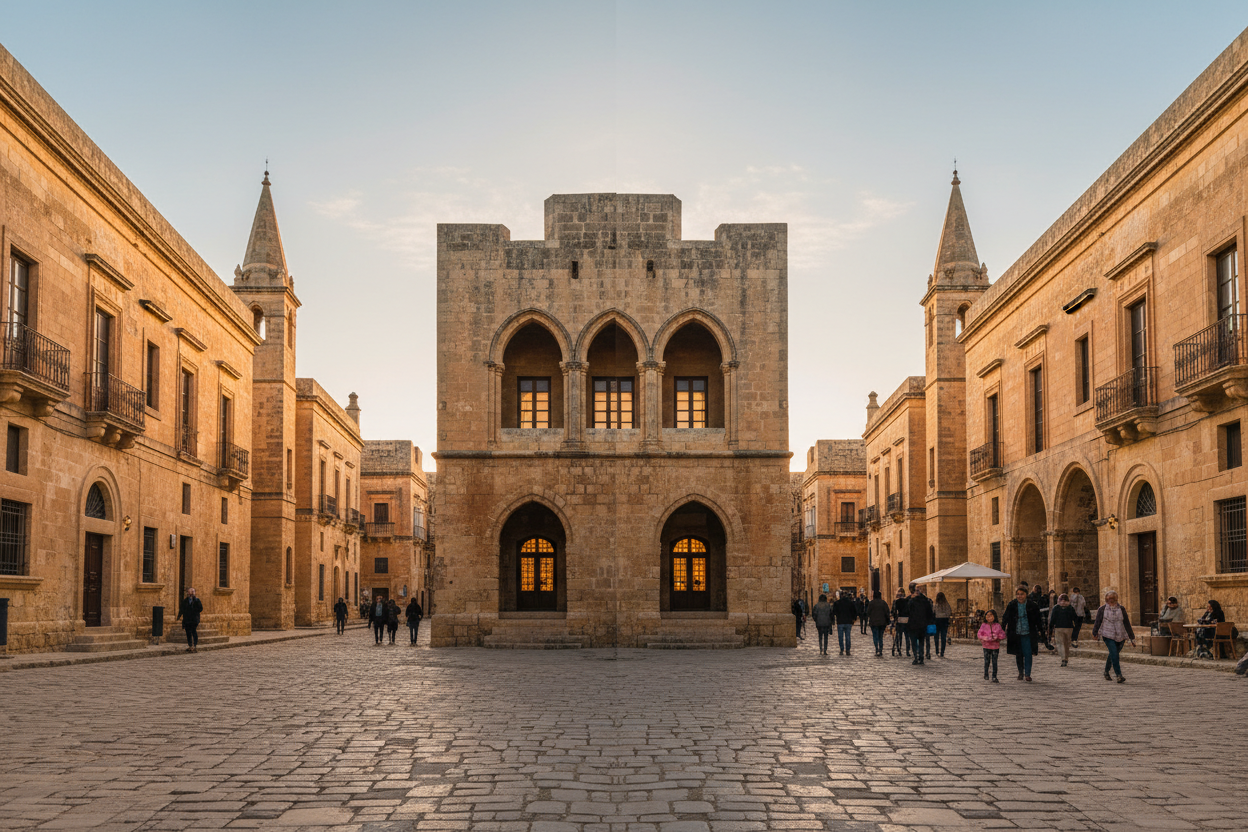
Malta’s medieval architectural journey begins in 1091 when the Normans conquered the islands from Arab rule. The Norman period introduced European architectural styles that would profoundly influence Maltese building traditions for centuries to come. The most striking example of this early medieval influence is the Cathedral of Mdina, originally built during the Norman period and later extensively modified.
The Normans brought with them the Romanesque style, characterized by thick walls, rounded arches, and massive towers. These features weren’t merely aesthetic choices – they reflected the practical needs of a frontier society where buildings often served dual purposes as places of worship and defensive structures. The church of Tal-Virtù in Rabat exemplifies this early Norman architecture, with its robust stone construction and simple yet dignified lines that speak to both spiritual devotion and earthly pragmatism.
Walking through these Norman-era structures today, you can almost feel the weight of history in their thick limestone walls. The local golden limestone, quarried from the very ground on which these buildings stand, gives Malta’s medieval architecture its distinctive warm glow that seems to capture and hold the Mediterranean sunlight.
Gothic Grandeur: The Knights of St. John Era
The arrival of the Knights of St. John in 1530 marked a golden age for Maltese medieval architecture. These warrior-monks, fresh from their expulsion from Rhodes, brought with them not only military expertise but also a sophisticated understanding of European architectural trends. The Gothic style they introduced transformed Malta’s skyline and established architectural traditions that continue to influence building design today.
St. John’s Co-Cathedral in Valletta represents the pinnacle of this Gothic influence, though its construction actually spans into the Baroque period. What makes this building remarkable is how it demonstrates the evolution of medieval architectural principles. The exterior maintains the fortress-like appearance favored by the Knights – practical, imposing, and defensive – while the interior reveals the full flowering of Gothic spatial concepts with its soaring vaulted ceilings and intricate stone carving.
The Knights didn’t just build churches; they created entire urban environments that reflected medieval planning principles. The fortified cities of Birgu, Senglea, and Cospicua showcase medieval urban design at its finest. These cities feature narrow, winding streets designed to confuse invaders, strategically placed watchtowers, and residential buildings that could be quickly converted into defensive positions. Walking through these neighborhoods today, you’re following the same paths that medieval knights and citizens used centuries ago.
Fortress Cities: Medieval Urban Planning in Action
Perhaps nowhere is Malta’s medieval architectural heritage more dramatically displayed than in its fortress cities. Mdina, the ancient capital, stands as one of Europe’s finest examples of a medieval walled city. Known as the “Silent City,” Mdina’s narrow streets and towering walls create an atmosphere that has remained virtually unchanged since medieval times.
The city’s layout follows classic medieval urban planning principles. The main gates control access, creating natural choke points for defense. Inside the walls, the street pattern seems almost organic, following the natural contours of the hilltop site while creating intimate spaces that encourage community interaction. The palazzi that line these streets showcase the evolution of medieval residential architecture, from simple Norman structures to elaborate Gothic and later Renaissance mansions.
What strikes many visitors is how these medieval urban spaces still function perfectly for modern life. The narrow streets that once provided defense against siege engines now offer welcome shade from the Mediterranean sun. The central squares that served as gathering places for medieval communities continue to host markets and festivals. The thick stone walls that protected against cannons now provide excellent insulation against heat and cold.
Sacred Spaces: Churches and Chapels Through the Ages
Malta’s medieval churches represent perhaps the most diverse and well-preserved collection of sacred architecture in the Mediterranean. From tiny rural chapels to grand urban cathedrals, these buildings chart the evolution of Christian architecture across several centuries of changing styles and influences.
The Church of St. Paul’s Shipwreck in Valletta demonstrates how medieval architectural principles adapted to local conditions and materials. Built using traditional Gothic structural techniques but employing local limestone and incorporating elements designed to withstand earthquakes and siege warfare, it represents a uniquely Maltese interpretation of European medieval church architecture.
Rural chapels scattered across the Maltese countryside offer intimate glimpses into medieval spiritual life. These smaller structures, often built by local communities rather than wealthy patrons, show how medieval architectural principles filtered down to the most basic level of society. The Chapel of St. Nicholas in Siggiewi, for example, maintains its original medieval character while continuing to serve its community after more than 500 years.
The architectural details in these sacred spaces tell stories of medieval craftsmanship and artistic expression. Stone carvers working in Malta’s soft limestone created intricate decorative elements that rival those found in Europe’s greatest cathedrals. The rose windows, ribbed vaults, and carved capitals found in Malta’s medieval churches demonstrate the high level of skill achieved by local artisans working within the medieval guild system.
Defensive Architecture: Walls, Towers, and Fortifications
Medieval Malta was a frontier society, constantly under threat from raiders, pirates, and hostile fleets. This reality shaped every aspect of architectural development, creating a unique building tradition where beauty and function merged in structures designed to protect and inspire in equal measure.
The Great Siege of 1565 proved the effectiveness of Malta’s medieval defensive architecture. The massive walls and bastions that protected the harbor cities weren’t just impressive monuments – they were sophisticated military engineering projects that incorporated centuries of defensive architectural evolution. The way these fortifications integrated with urban planning, creating protected spaces for civilians while maintaining clear fields of fire for defenders, represents medieval military architecture at its most advanced.
Individual towers scattered across the Maltese landscape tell their own stories of medieval defensive strategy. These watchtowers, connected by sight lines and signal systems, created an early warning network that protected rural communities and guided friendly ships to safety. Many of these towers have been converted to private residences or cultural centers, demonstrating once again how Malta’s medieval architecture continues to serve contemporary needs.
The coastal fortifications at Fort St. Angelo showcase how medieval defensive architecture evolved to meet changing military technologies. Originally a medieval castle, the fort was continuously modified and expanded by successive rulers, creating a layered architectural history that spans from the Norman period through the age of gunpowder warfare.
Preservation and Legacy: Medieval Architecture in Modern Malta
What sets Malta apart from many other destinations rich in medieval architecture is the remarkable state of preservation and the continuing vitality of these ancient structures. Unlike museum pieces cordoned off from daily life, Malta’s medieval buildings remain integral parts of living communities.
This preservation success stems partly from the durability of local limestone construction and partly from a cultural tradition that values architectural heritage. Maltese families have maintained and adapted medieval buildings for generations, making necessary updates while respecting original architectural integrity. The result is a built environment where medieval and modern coexist naturally and productively.
Modern conservation efforts have embraced this philosophy of living preservation. Rather than freezing buildings in time, conservators work to maintain structural integrity while allowing for appropriate contemporary uses. Medieval palazzi serve as boutique hotels, ancient churches host concerts and cultural events, and fortress walls protect modern neighborhoods while providing scenic walking paths and gathering spaces.
The influence of medieval architectural principles continues in contemporary Maltese building design. New construction often incorporates traditional materials, proportions, and spatial relationships that echo medieval precedents. This continuity creates architectural harmony across centuries of building activity and ensures that Malta’s distinctive architectural character will endure for future generations.
Malta’s medieval architecture offers more than just visual beauty or historical curiosity – it provides a tangible connection to centuries of human creativity, struggle, and achievement. Walking through Mdina’s ancient streets, exploring the chambers of Fort St. Angelo, or attending mass in a Norman church, visitors experience medieval life not as distant history but as living tradition. These buildings continue to shelter, inspire, and serve their communities just as they have for hundreds of years, making Malta’s medieval architectural heritage one of Europe’s most authentic and accessible windows into the medieval world.
For architecture enthusiasts, history lovers, or anyone seeking to understand how the past shapes the present, Malta’s medieval buildings offer an unparalleled opportunity to step back in time while remaining firmly grounded in contemporary reality. This remarkable collection of medieval architecture stands as testament to human creativity, resilience, and the enduring power of well-crafted buildings to enrich the communities they serve.
 English
Leave a Reply