Malta Autumn Travel: Mild Weather and Cultural Experiences Await
As summer crowds disperse and the Mediterranean sun softens to a gentle warmth, Malta transforms into an autumn paradise that savvy travelers are just beginning to discover. This tiny archipelago, nestled between Sicily and North Africa, offers something truly magical during the fall months – a perfect blend of pleasant weather, rich cultural experiences, and the kind of authentic local atmosphere that gets lost in the peak season rush.
I’ve had the privilege of visiting Malta during various seasons, and I can confidently say that autumn might just be the island’s best-kept secret. The temperatures hover around a comfortable 20-25°C (68-77°F), the sea remains warm enough for swimming well into October, and the cultural calendar bursts with festivals, exhibitions, and events that showcase the island’s incredible heritage.
Why Autumn is Malta’s Hidden Gem Season
Malta in autumn feels like a completely different destination compared to its summer persona. Gone are the overcrowded beaches and fully booked restaurants that characterize July and August. Instead, you’ll find a more relaxed pace where locals have time to chat, where you can actually appreciate the intricate details of baroque architecture without being jostled by tour groups, and where sunset dinners don’t require reservations made months in advance.
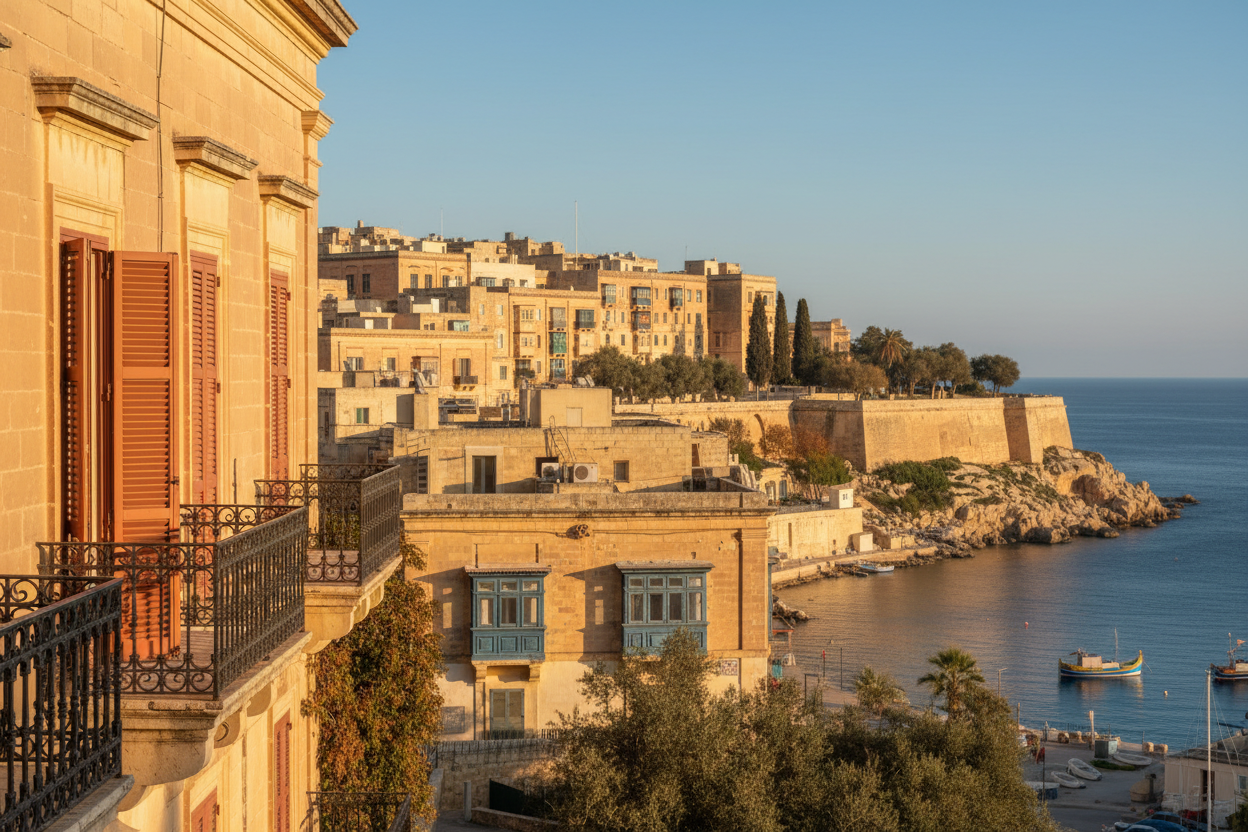
The light during autumn months is particularly stunning. Photographers often speak of the “golden hour,” but in Malta during fall, it seems like the entire day is bathed in this warm, honey-colored glow that makes even the most ordinary street corner look like a postcard. The limestone buildings, which can appear harsh and bleached under the intense summer sun, take on a soft, creamy appearance that’s absolutely captivating.
Perfect Weather for Every Type of Traveler
Malta’s autumn weather strikes that elusive perfect balance that makes outdoor activities not just possible, but genuinely enjoyable. September typically sees temperatures ranging from 19°C to 26°C (66-79°F), while October maintains a comfortable 16°C to 23°C (61-73°F). November, though slightly cooler at 13°C to 19°C (55-66°F), still offers plenty of pleasant days for exploration.
The sea temperature is particularly noteworthy during autumn. Thanks to the thermal mass of the Mediterranean, water temperatures in September can still reach 23°C (73°F), making it warmer than many summer destinations in Northern Europe. Even in October, the sea maintains a comfortable 20°C (68°F), perfect for those refreshing swims after a day of sightseeing.
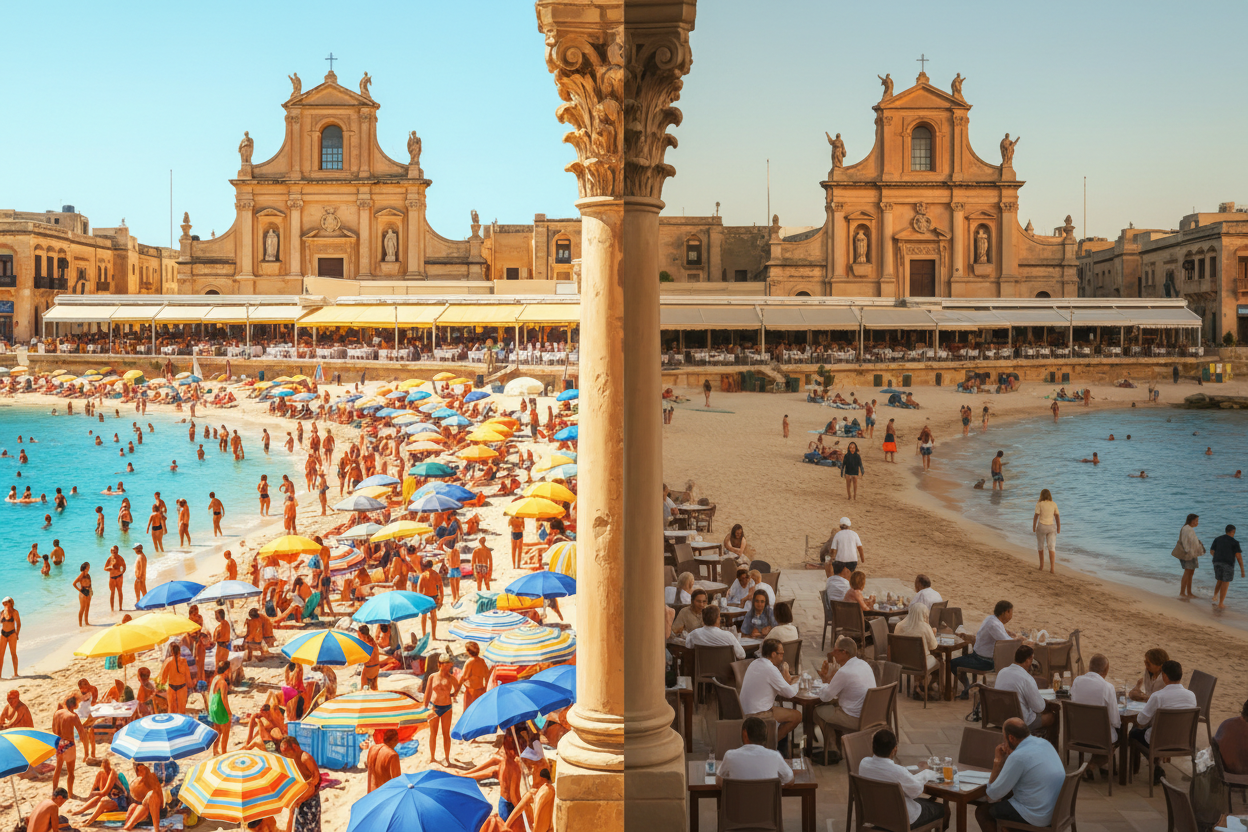
Rainfall during autumn is generally light and sporadic, often coming in short bursts that clear quickly, leaving the air fresh and the colors more vibrant. These brief showers also mean fewer crowds at outdoor attractions, giving you those Instagram-worthy shots without photobombing tourists in the background.
Cultural Festivals That Define Maltese Autumn
Malta’s cultural calendar truly comes alive during autumn, offering visitors authentic experiences that go far beyond typical tourist attractions. The Notte Bianca, usually held in early October, transforms Valletta into an open-air cultural venue where museums, palaces, and cultural sites stay open late into the night, often with free admission. Walking through the capital’s narrow streets during this event feels like stepping back in time, with historical buildings illuminated and street performers creating an magical atmosphere.
The Malta International Arts Festival, typically running through September and October, showcases everything from contemporary art installations to classical music performances in some of the island’s most stunning venues. I’ve attended concerts in the magnificent St. John’s Co-Cathedral and art exhibitions in converted 16th-century palazzos – experiences that simply wouldn’t be the same in any other setting.
Food enthusiasts should time their visit around the various harvest festivals that take place throughout autumn. The grape harvest celebrations in local villages offer authentic glimpses into traditional Maltese life, complete with folk music, traditional dancing, and the opportunity to taste wines that rarely make it beyond the island’s shores.
Exploring Malta’s Rich Historical Heritage
Autumn’s mild temperatures make it the ideal time to explore Malta’s incredible concentration of historical sites. With over 7,000 years of history packed into just 316 square kilometers, Malta holds the distinction of having one of the highest densities of historical sites in the world.
The megalithic temples of Hagar Qim and Mnajdra, older than Stonehenge and the Egyptian pyramids, are particularly stunning during autumn months when the harsh summer sun isn’t beating down on visitors. The golden limestone seems to glow in the softer light, and you can actually spend time contemplating the mystery of these ancient structures without feeling like you’re melting.
Valletta, the capital city and UNESCO World Heritage site, becomes infinitely more walkable during autumn. The city’s baroque architecture, designed by some of Europe’s finest architects, can be properly appreciated when you’re not seeking shade every few minutes. The Upper Barrakka Gardens offer spectacular views over the Grand Harbour, and autumn afternoons provide perfect lighting for photography while maintaining comfortable temperatures for extended exploration.
The medieval city of Mdina, known as the “Silent City,” takes on an almost mystical quality during autumn evenings. As daylight fades, the narrow streets and ancient buildings create shadows and silhouettes that transport visitors back centuries. The lack of summer crowds means you might find yourself alone on ancient ramparts, watching the sun set over the Maltese countryside.
Culinary Adventures in Comfortable Weather
Malta’s culinary scene truly shines during autumn, when outdoor dining becomes comfortable again and local ingredients reach their seasonal peak. The island’s unique position at the crossroads of Europe, Africa, and the Middle East has created a distinctive cuisine that reflects influences from all three continents.
Autumn is harvest season in Malta, meaning restaurants showcase the best local produce. Fresh sea bass and lampuki (dolphin fish) are at their prime, while local vegetables like tomatoes, peppers, and eggplants reach peak flavor. The famous Maltese bread, with its crusty exterior and soft interior, pairs perfectly with local olive oil and sun-dried tomatoes for simple yet satisfying meals.
The wine harvest season brings special menus and wine pairing dinners to many restaurants. Malta’s wine industry has experienced a renaissance in recent years, and autumn provides the perfect opportunity to taste new vintages alongside traditional dishes like rabbit stew (fenkata) or fish soup (aljotta).
Street food culture also becomes more appealing when temperatures drop. Pastizzi, the beloved flaky pastries filled with ricotta or mushy peas, are comfort food at its finest when enjoyed on a cool autumn evening while strolling through local neighborhoods.
Outdoor Activities and Natural Beauty
Malta’s compact size and autumn weather make it perfect for hiking and walking tours. The island’s coastal paths offer spectacular views without the exhaustion that comes with summer heat. The Dingli Cliffs, Malta’s highest point, provide panoramic views across the Mediterranean that are particularly stunning during autumn sunsets.
The Blue Lagoon on Comino island, while still beautiful, becomes actually enjoyable during autumn months. The crowds thin out significantly, the water remains warm enough for swimming, and boat trips to the island become pleasant rather than endurance tests. September and early October often provide the best conditions for snorkeling and diving, with excellent visibility and comfortable water temperatures.
Gozo, Malta’s sister island, reveals its true character during autumn. The rural landscapes, dotted with traditional farmhouses and ancient churches, take on golden hues that perfectly complement the island’s relaxed pace. Cycling becomes feasible again, and the island’s craft villages and local markets offer authentic experiences without the overwhelming crowds.
Practical Tips for Autumn Travel to Malta
Accommodation prices drop significantly after the summer peak, often by 30-50%, making autumn an excellent time for budget-conscious travelers to experience higher-end hotels and resorts. Many properties offer special autumn packages that include cultural tours or dining experiences.
Flight connections remain excellent through October, with many European cities maintaining direct routes to Malta International Airport. November sees some reduction in flight frequency, but this often translates to better deals for flexible travelers.
Packing for Malta in autumn requires layers. While days can be warm enough for t-shirts and shorts, evenings might call for light sweaters or jackets. Comfortable walking shoes are essential, as Malta’s streets often feature uneven limestone paving that can be challenging in inappropriate footwear.
Public transportation continues to operate on regular schedules through autumn, making it easy to explore the islands without a rental car. However, having a car does provide more flexibility for discovering hidden beaches and rural villages that showcase traditional Maltese life.
Making the Most of Your Autumn Malta Adventure
Malta in autumn offers the rare opportunity to experience a Mediterranean destination at its most authentic. The combination of perfect weather, rich cultural programming, and manageable crowds creates conditions that allow for genuine connection with the place and its people.
Whether you’re drawn by the island’s incredible historical sites, its emerging culinary scene, its natural beauty, or simply the appeal of warm weather when much of Europe is turning cold, Malta delivers an autumn experience that feels both exotic and accessible. The island’s English-speaking population and well-developed tourism infrastructure make it easy to navigate, while its unique culture and history provide depth that rewards curious travelers.
As someone who has experienced Malta across different seasons, I can confidently say that autumn visits offer the best of all worlds – summer’s warmth without the intensity, winter’s cultural richness without the unpredictable weather, and spring’s fresh energy without the uncertainty. It’s a destination that reveals new layers with each visit, and autumn provides the perfect conditions for peeling back those layers and discovering the real Malta that lies beneath the tourist veneer.
 English
Leave a Reply