Malta Diving Guide: Underwater Adventures in Crystal Waters
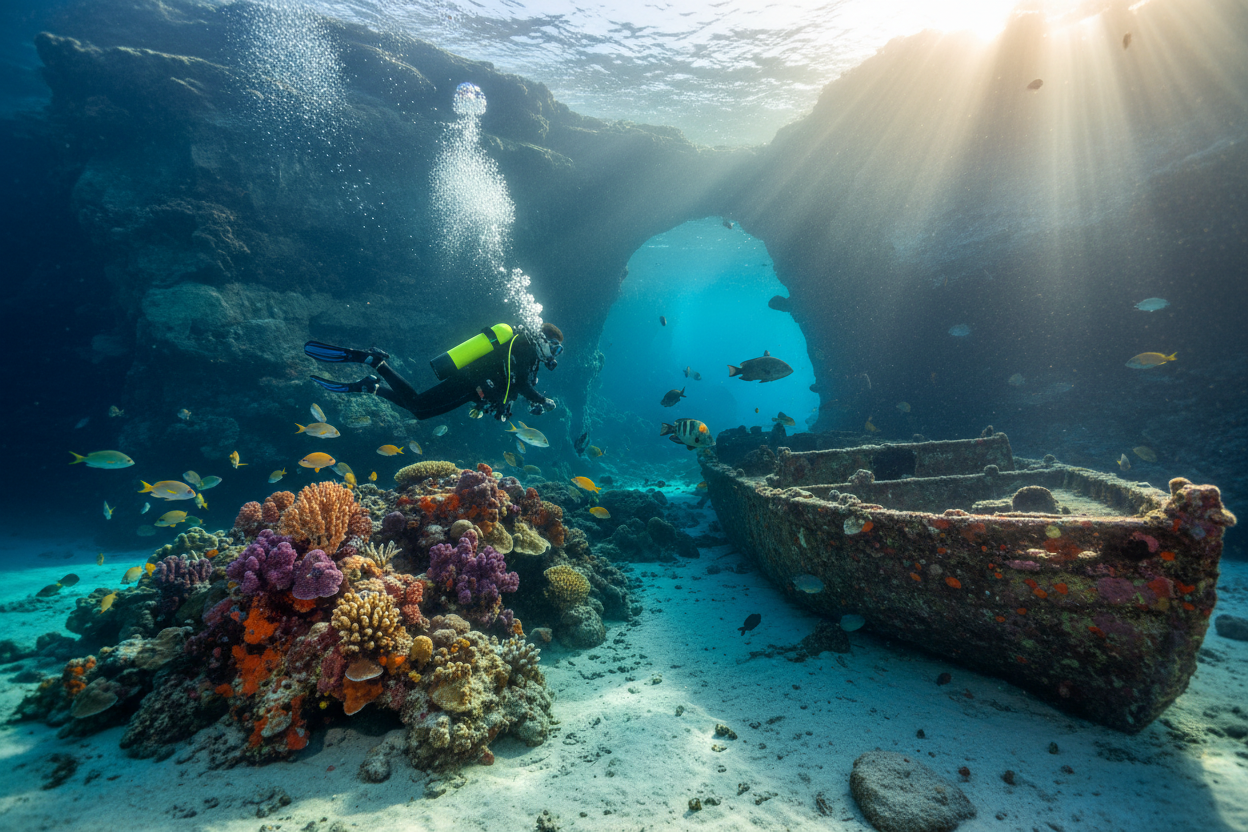
Picture this: you’re descending into crystal-clear Mediterranean waters, where visibility stretches beyond 40 meters on a good day, and every breath reveals another underwater wonder. Welcome to Malta, a diver’s paradise that punches well above its weight when it comes to underwater adventures. This tiny archipelago in the heart of the Mediterranean has quietly established itself as one of Europe’s premier diving destinations, offering everything from dramatic underwater cliffs to fascinating World War II wrecks.
Whether you’re a complete beginner taking your first tentative breaths underwater or a seasoned tech diver seeking your next adrenaline rush, Malta’s diverse underwater landscape caters to every skill level. The islands’ unique geological features, combined with a rich maritime history, create diving experiences that are both thrilling and educational. Let’s dive deep into what makes Malta such an extraordinary underwater playground.
Why Malta Should Be Your Next Diving Destination
Malta’s appeal as a diving destination goes far beyond its convenient location. The archipelago sits at the crossroads of Mediterranean currents, creating a unique marine environment that supports an incredible diversity of life. The water temperature rarely drops below 16°C in winter and reaches a comfortable 26°C in summer, making year-round diving not just possible but genuinely enjoyable.
What truly sets Malta apart is its geological diversity. The islands are built on limestone that has been carved by millennia of wave action, creating underwater topography that ranges from gentle slopes perfect for beginners to dramatic drop-offs that challenge even experienced divers. Add to this a collection of purposefully sunk wrecks and natural reef systems, and you have a diving destination that offers something new on every dive.
The visibility here is legendary among Mediterranean divers. On calm days, you can often see the bottom from the surface, even at depths of 30 meters or more. This exceptional clarity means that photographers and videographers flock to Malta’s waters, capturing images that showcase the true beauty of the Mediterranean underwater world.
Best Diving Sites in Malta
Malta’s compact size might fool you into thinking there are limited diving opportunities, but the reality couldn’t be further from the truth. The islands boast over 60 recognized dive sites, each offering its own unique character and marine life encounters.
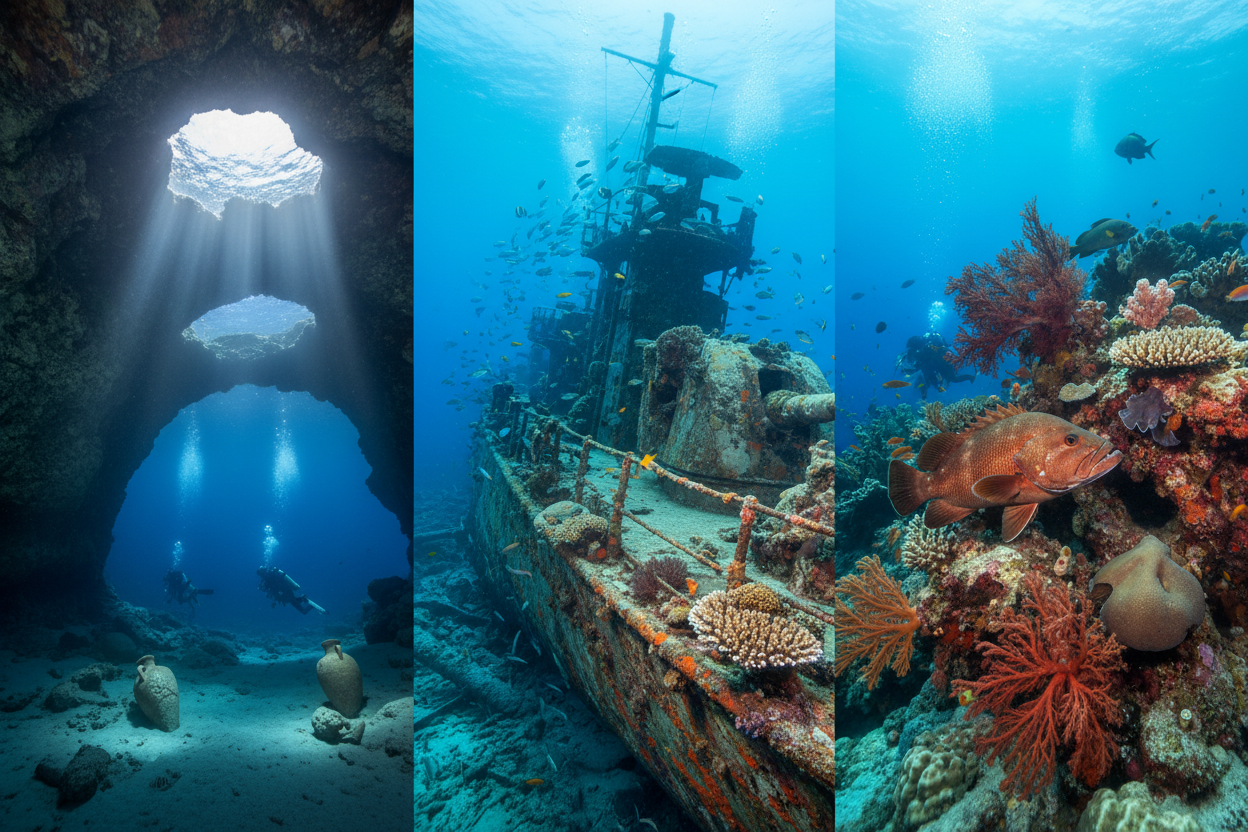
The Blue Hole at Dwejra stands as Malta’s most famous dive site, and for good reason. This natural limestone arch creates a stunning underwater cathedral that has graced countless diving magazines. The site offers multiple dive profiles, from a shallow exploration of the inland sea to a deeper adventure through the arch and out to the open Mediterranean. The contrast between the protected lagoon and the dramatic outer reef makes this a must-visit site for any diver visiting Malta.
For wreck enthusiasts, the HMS Maori represents one of the Mediterranean’s most accessible destroyer wrecks. Sitting in just 14 meters of water, this World War II vessel tells a poignant story of wartime sacrifice while providing an excellent platform for wreck diving training. The ship’s structure remains largely intact, allowing divers to explore the engine room, bridge, and various compartments safely.
The P29 Patrol Boat offers a different wreck diving experience entirely. This purposefully sunk vessel sits upright on a sandy bottom at 36 meters, making it perfect for advanced open water divers looking to extend their depth experience. The wreck has become an artificial reef, attracting schools of fish that create spectacular underwater scenes.
Marine Life and Underwater Ecosystems
Malta’s marine ecosystem reflects its position as a Mediterranean crossroads. The waters here host both resident species and seasonal visitors, creating diving experiences that change throughout the year. During summer months, you might encounter schools of barracuda, amberjacks, and even the occasional tuna passing through the deeper waters.
The rocky reefs provide homes for typical Mediterranean species including groupers, moray eels, and various species of wrasse. Octopi are particularly common in Malta’s waters, often spotted hiding in crevices or hunting across the rocky bottom. Their intelligence and curiosity make them fascinating subjects for underwater observation and photography.
Macro photography enthusiasts will find plenty to keep them busy. The rocky substrates support diverse communities of smaller marine life, including colorful nudibranchs, various crab species, and seasonal appearances of seahorses. The protected marine areas around the islands have seen notable recovery in fish populations, making encounters with larger species increasingly common.
One of Malta’s unique underwater features is the presence of Posidonia seagrass meadows. These ancient plants, some specimens of which are thousands of years old, create underwater forests that support incredible biodiversity. Diving through these meadows feels like flying over an alien landscape, with rays of sunlight filtering through the grass creating an almost mystical atmosphere.
Diving Conditions and Best Times to Visit
Understanding Malta’s diving conditions throughout the year helps you plan the perfect underwater adventure. The diving season effectively runs year-round, but each period offers distinct advantages depending on your preferences and experience level.
Spring diving, from March to May, brings cooler water temperatures around 18-22°C but offers some of the clearest water conditions of the year. This period sees fewer crowds, making popular dive sites more accessible and creating opportunities for more intimate underwater experiences. Spring is also when many marine species begin their breeding activities, potentially offering unique behavioral observations.
Summer months from June to September provide the warmest water temperatures and longest daylight hours. Water temperatures reach their peak of 24-26°C, making multiple dives per day comfortable even in lighter exposure protection. However, summer also brings the busiest tourist season, so early morning or late afternoon dives often provide the best conditions and fewer crowds.
Autumn diving, particularly October and November, offers what many consider the perfect compromise. Water temperatures remain warm from the summer heating, typically around 22-24°C, while the tourist crowds have largely departed. Visibility often improves as the summer algae blooms subside, and weather conditions tend to be more stable.
Winter diving requires more thermal protection but rewards hardy divers with exceptional visibility and unique marine life encounters. Some species that avoid the busier summer months become more active, and the dramatic winter light creates stunning underwater photography opportunities.
Diving Centers and Training Opportunities
Malta’s diving infrastructure ranks among the best in the Mediterranean, with numerous PADI, CMAS, and TDI certified dive centers offering everything from basic open water courses to advanced technical diving training. The island’s diving community maintains high safety standards and environmental awareness, ensuring that your underwater adventures are both safe and sustainable.
Many diving centers offer specialized courses that take advantage of Malta’s unique diving environment. Wreck diving specialties are particularly popular, given the number of accessible wrecks around the islands. Cave and cavern diving courses utilize Malta’s limestone geology to provide training in overhead environments, while underwater photography courses take advantage of the exceptional visibility and diverse subjects available.
The concentration of dive sites within a small geographic area makes Malta ideal for intensive diving courses. Students can experience dramatically different underwater environments within the same day, from shallow lagoons perfect for skill development to deeper wrecks that challenge newly acquired abilities.
For technical divers, Malta offers advanced training opportunities including trimix certification, advanced wreck penetration, and cave diving. The deeper wrecks and more challenging sites provide perfect platforms for developing technical diving skills in a controlled Mediterranean environment.
Practical Tips for Diving in Malta
Planning your Malta diving adventure requires some practical considerations that can make the difference between a good trip and an unforgettable one. The islands’ infrastructure caters well to divers, but understanding local conditions and customs enhances your experience significantly.
Equipment considerations vary by season, but a 5mm wetsuit typically provides adequate thermal protection for most of the year. Summer divers might find a 3mm suit sufficient, while winter diving may require a 7mm suit or even a dry suit for extended bottom times. Most diving centers offer equipment rental, but bringing your own mask, fins, and exposure protection ensures the best fit and comfort.
Transportation around Malta is straightforward, with most dive sites accessible by car within 30 minutes from any accommodation. Many dive centers provide transportation to dive sites, which can be particularly valuable for accessing some of the more remote locations or when diving with heavy equipment.
Accommodation options range from budget-friendly guesthouses to luxury resorts, many of which cater specifically to divers. Staying near your chosen dive center or in areas like Sliema or St. Julian’s provides easy access to both diving activities and Malta’s cultural attractions.
Respect for the marine environment is taken seriously in Malta, with several protected areas and strict regulations governing diving activities. Following local guidelines and diving with certified operators ensures that Malta’s underwater treasures remain pristine for future generations of divers to enjoy.
Conclusion: Your Malta Diving Adventure Awaits
Malta’s underwater world offers an incredible diversity of experiences packed into a remarkably small area. From the moment you take your first breath underwater in these crystal-clear waters, you’ll understand why divers from around the world make the pilgrimage to this Mediterranean gem. The combination of excellent visibility, diverse marine life, fascinating wrecks, and dramatic underwater topography creates diving experiences that satisfy everyone from nervous beginners to adrenaline-seeking technical divers.
The islands’ rich maritime history adds depth to every dive, quite literally. Each wreck tells a story, each cave holds secrets, and each reef system supports communities of marine life that have adapted to Malta’s unique underwater environment. Whether you’re exploring the famous Blue Hole, penetrating the corridors of a World War II destroyer, or simply enjoying a leisurely drift along a colorful reef, Malta’s waters offer memories that last a lifetime.
What makes Malta truly special as a diving destination is how it combines world-class underwater adventures with the convenience and safety of a modern European destination. You can start your day exploring an ancient underwater cave system and end it enjoying fresh seafood while watching the sunset over the Mediterranean. This perfect blend of adventure and comfort, combined with Malta’s year-round diving season and exceptional water clarity, makes it an ideal destination for your next underwater adventure.
So pack your mask, fins, and sense of adventure. Malta’s crystal waters are calling, and an underwater world of discovery awaits your exploration.
 English
Leave a Reply