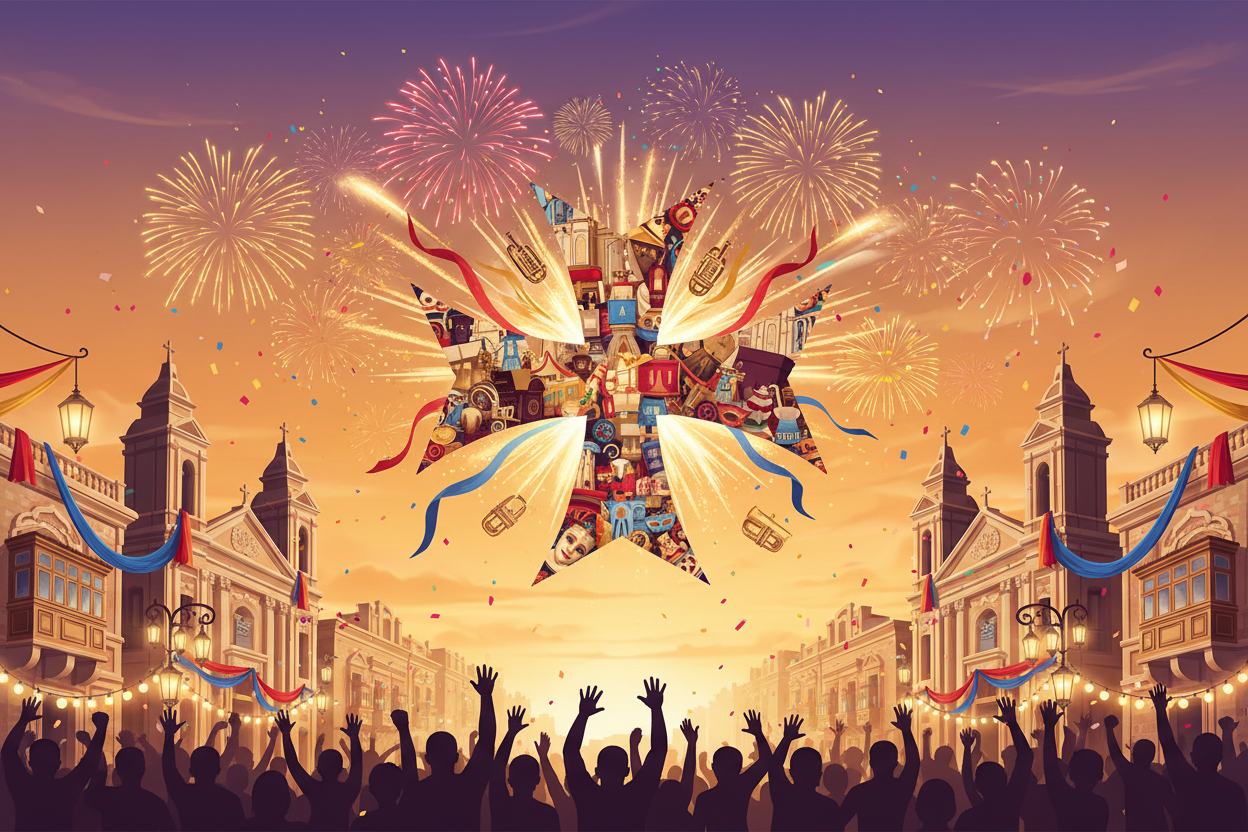
Malta Festivals Calendar: Traditional Celebrations Year-Round
Nestled in the heart of the Mediterranean, Malta pulses with an infectious energy that reaches its peak during the island’s numerous festivals throughout the year. This tiny archipelago nation may only span 316 square kilometers, but it packs more traditional celebrations per square mile than perhaps anywhere else in Europe. From ancient religious processions that have wound through cobblestone streets for centuries to vibrant harvest festivals that celebrate Malta’s agricultural heritage, the island’s festival calendar offers visitors and locals alike an authentic glimpse into Maltese culture that tourist brochures simply can’t capture.
What makes Malta’s festival scene truly special isn’t just the frequency of celebrations—it’s the genuine passion with which locals embrace these traditions. Walk through any Maltese village during festa season, and you’ll witness entire communities coming together with an enthusiasm that’s both heartwarming and contagious. The aroma of traditional pastizzi mingles with incense from church ceremonies, while the sound of brass bands echoes off limestone buildings that have witnessed these same celebrations for generations.
Spring Festivals: Malta Awakens from Winter Slumber
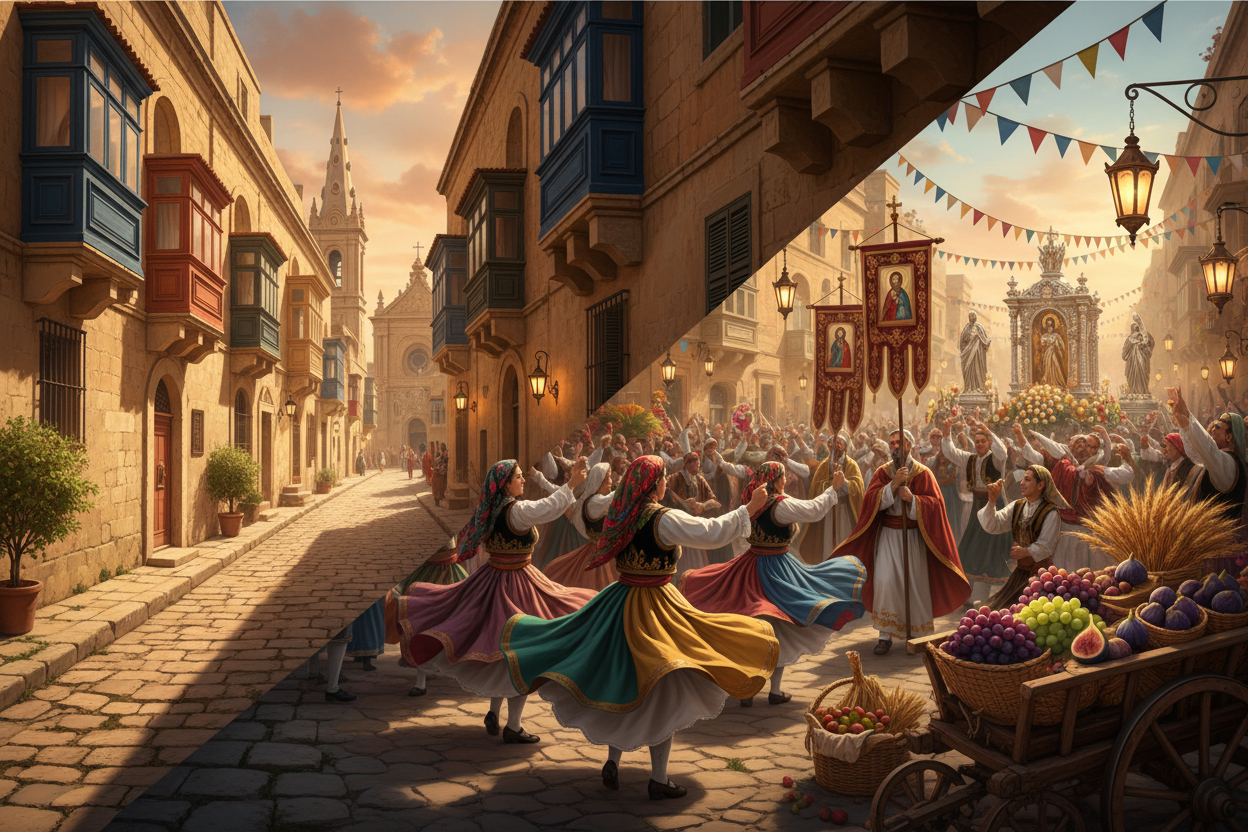
As winter’s grip loosens and the Mediterranean sun begins to warm Malta’s golden limestone, the island emerges from its quieter months with a burst of spring festivals that set the tone for the year ahead. March brings one of Malta’s most significant religious observances—Holy Week and Easter celebrations that transform the entire archipelago into a living tableau of faith and tradition.
The Good Friday processions represent perhaps the most solemn yet spectacular events in Malta’s festival calendar. In towns like Vittoriosa and Valletta, centuries-old statues depicting scenes from Christ’s passion are carried through narrow streets by devoted locals, their faces illuminated by candlelight as they participate in traditions their ancestors have maintained for over 400 years. The silence that falls over normally bustling streets during these processions creates an almost mystical atmosphere that visitors often describe as deeply moving, regardless of their personal religious beliefs.
Spring also welcomes the Feast of St. Joseph on March 19th, particularly celebrated in the village of Rabat. Local families open their homes to visitors, offering traditional Maltese sweets and demonstrating the legendary hospitality that makes Malta such a welcoming destination. The celebration includes elaborate altar displays, each one a work of art created by local artisans using flowers, bread sculptures, and religious artifacts passed down through families.
Summer Festa Season: The Heart of Maltese Celebration
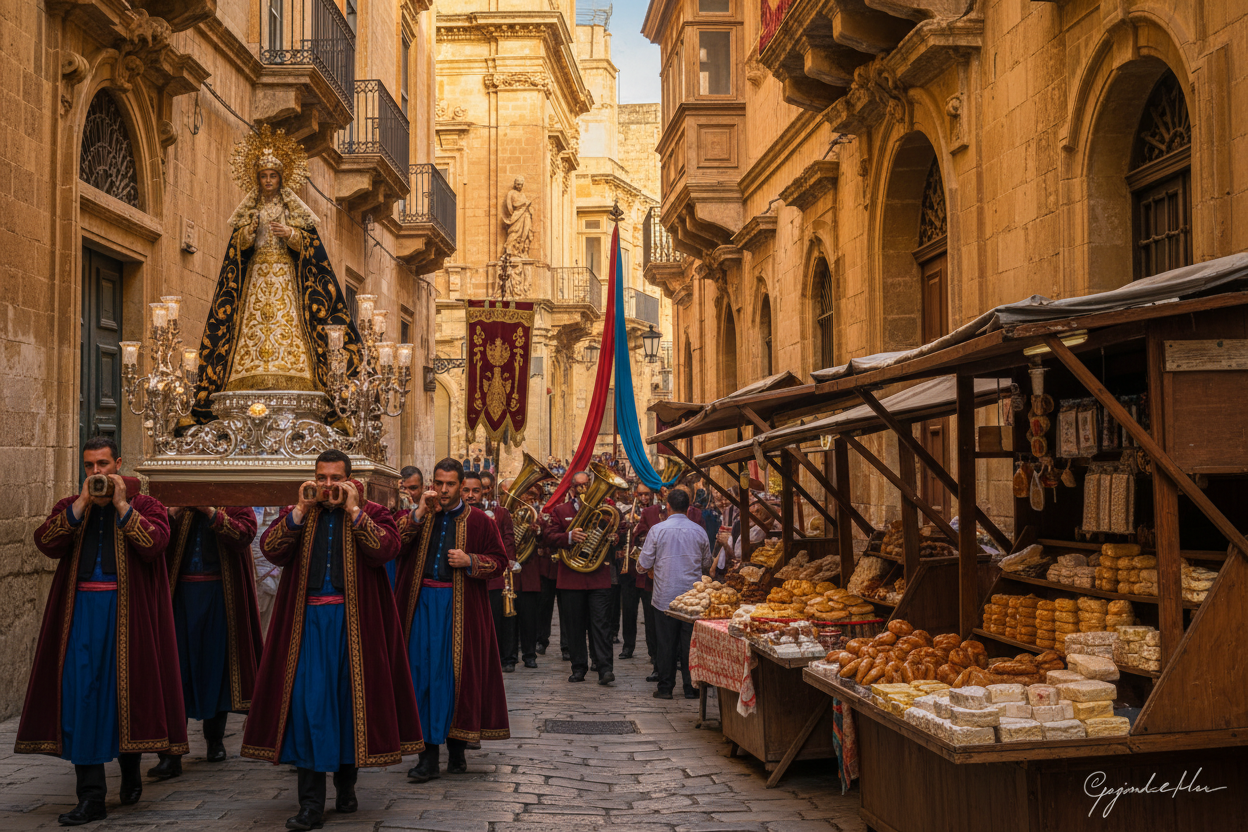
Summer in Malta means one thing above all others: festa season. From June through September, virtually every weekend brings another village celebration, each dedicated to its patron saint and each offering its own unique flavor of Maltese tradition. These aren’t tourist attractions created for visitors—they’re authentic community celebrations that have evolved organically over centuries, and visitors are welcomed as honored guests rather than paying customers.
The Feast of St. Peter and St. Paul in late June kicks off the main festa season with celebrations in Nadur, Gozo, that include traditional boat races and seafood festivals. Local fishermen decorate their boats with colorful bunting, and the harbor becomes a floating gallery of maritime artistry. The evening culminates with spectacular fireworks displays that reflect off the Mediterranean waters, creating a natural amphitheater of light and sound.
July brings the Feast of Our Lady of Mount Carmel, celebrated with particular fervor in Valletta and Gzira. The procession through Valletta’s UNESCO World Heritage streets offers visitors a chance to see the capital city at its most beautiful, as baroque facades provide a stunning backdrop for ornate religious statues carried by local devotees. Street vendors line the route selling traditional Maltese snacks, from honey rings to nougat, while brass bands provide a soundtrack that echoes off ancient walls.
August intensifies the festa fever with multiple celebrations happening simultaneously across the islands. The Feast of the Assumption on August 15th sees major celebrations in Mosta, Qrendi, and Attard. Each village tries to outdo the others with increasingly elaborate fireworks displays, some featuring pyrotechnic shows that last for hours and can be seen from neighboring islands on clear nights.
Harvest Celebrations and Autumn Traditions
As summer’s intensity gives way to autumn’s golden light, Malta’s festival calendar shifts focus from religious celebrations to harvest traditions that connect the island to its agricultural roots. September and October bring festivals that celebrate Malta’s relationship with the land and sea, offering visitors insight into the practical traditions that have sustained island life for millennia.
The Grape Harvest Festival in various wine-producing regions showcases Malta’s emerging viticulture scene. Local wineries open their doors for traditional grape-stomping ceremonies, wine tastings, and folk music performances. The festival provides an excellent opportunity to sample indigenous Maltese grape varieties like Gellewza and Ghirghentina, wines that reflect the unique terroir of limestone soil and Mediterranean climate.
October’s Notte Bianca transforms Valletta into an all-night cultural celebration, with museums, palaces, and churches opening their doors free of charge. While not strictly traditional in the ancient sense, this festival has quickly become a beloved modern tradition that showcases Malta’s rich cultural heritage. Street performers, art installations, and pop-up concerts create a magical atmosphere as thousands of visitors explore the capital’s hidden corners under starlit skies.
Winter Warmth: Christmas and New Year Celebrations
Malta’s winter festivals prove that celebration doesn’t require warm weather. December brings Christmas traditions that blend Catholic heritage with uniquely Maltese customs, creating holiday celebrations that feel both familiar and exotic to international visitors.
The Christmas season begins with the Feast of the Immaculate Conception on December 8th, marked by special masses and the beginning of nativity scene preparations. Maltese families take enormous pride in their Christmas cribs, often creating elaborate miniature landscapes complete with running water, moving figures, and detailed recreations of Maltese villages. Many homes open their doors to visitors during the Christmas season, turning residential neighborhoods into informal galleries of folk art.
New Year’s Eve in Malta offers a more intimate alternative to the massive celebrations found in major European capitals. Valletta’s St. George’s Square hosts a family-friendly celebration with live music and fireworks, while many locals prefer smaller gatherings in village squares where everyone knows everyone else. The tradition of eating twelve grapes at midnight, borrowed from Spanish custom, has become popular among younger Maltese, adding an international flavor to local celebrations.
Hidden Gems: Lesser-Known Festivals Worth Discovering
Beyond the major religious and seasonal celebrations, Malta’s festival calendar includes numerous smaller events that offer equally authentic experiences with fewer crowds. These hidden gems provide opportunities to interact more closely with locals and gain deeper insights into Maltese culture.
The Feast of St. Agatha in February celebrates Malta’s patron saint of earthquakes and volcanic eruptions with processions in Mdina and Rabat. The medieval atmosphere of these ancient cities provides a perfect backdrop for celebrations that feel like stepping back in time. Local bakeries prepare special St. Agatha bread, blessed during religious ceremonies and believed to provide protection for homes throughout the year.
The Strawberry Festival in Mgarr during April celebrates one of Malta’s most successful agricultural products. Local farmers showcase different strawberry varieties while restaurants prepare special menus featuring strawberry-based dishes both sweet and savory. The festival includes traditional folk dancing and live music, creating a community atmosphere that welcomes visitors as temporary locals.
Planning Your Malta Festival Experience
Experiencing Malta’s festivals requires some planning, but the effort rewards visitors with memories that last far longer than typical tourist experiences. Accommodation during major festa weekends fills quickly, particularly in smaller villages where guesthouses may only have a few rooms. Booking several months in advance ensures better options and often better prices.
Transportation during festivals can be challenging, as narrow village streets often close to accommodate processions and crowds. Renting a car provides flexibility for exploring multiple celebrations, but public buses offer a more authentic experience and eliminate parking concerns. Many locals are happy to share recommendations for the best viewing spots or explain the significance of particular traditions to curious visitors.
Weather considerations vary significantly depending on the season. Summer festivals require sun protection and plenty of water, as celebrations often continue for hours under intense Mediterranean sun. Winter festivals may need warm clothing for evening events, though Malta’s mild climate means heavy coats are rarely necessary.
Embracing Malta’s Festival Spirit Year-Round
Malta’s festival calendar offers something special every month of the year, creating opportunities for visitors to experience authentic Maltese culture regardless of when they choose to visit. These celebrations represent more than entertainment—they’re living expressions of community identity, religious faith, and cultural continuity that have survived centuries of foreign rule and modern pressures.
What makes Malta’s festivals truly exceptional isn’t their age or authenticity alone, but the genuine warmth with which visitors are welcomed into these community celebrations. In an increasingly globalized world, Malta’s festivals provide rare opportunities to experience local culture as participants rather than observers, creating connections between visitors and locals that often last long after the fireworks fade and the brass bands pack up their instruments.
Whether you’re drawn by religious processions that showcase centuries of faith, harvest festivals that celebrate Malta’s agricultural heritage, or simply the infectious joy of communities coming together in celebration, Malta’s year-round festival calendar ensures that every visit to these Mediterranean islands can include authentic cultural experiences that tourist attractions simply cannot replicate. Plan your visit around these traditional celebrations, and you’ll discover a Malta that exists far beyond the beaches and ancient temples—a Malta where tradition lives, breathes, and welcomes you home.
 English
Leave a Reply