Malta Backpacking Guide: Budget Travel and Hostel Options
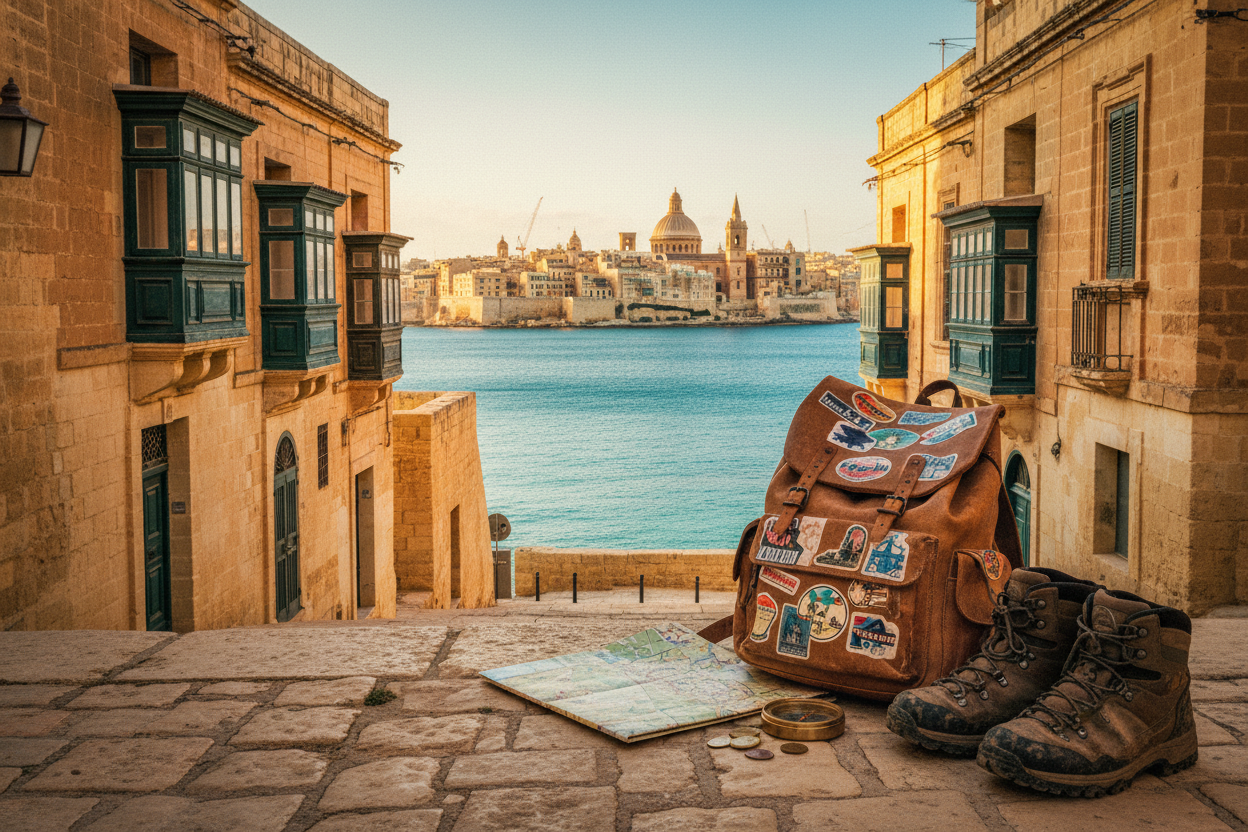
Picture this: crystal-clear Mediterranean waters lapping against ancient limestone cliffs, while medieval cities perch dramatically above azure bays. This is Malta, a tiny archipelago nation that packs more history, culture, and natural beauty per square kilometer than almost anywhere else on Earth. For backpackers seeking an unforgettable European adventure without breaking the bank, Malta offers the perfect blend of affordability, accessibility, and authentic experiences.
Despite its reputation as a luxury destination, Malta is surprisingly backpacker-friendly. With a growing hostel scene, affordable local cuisine, and free attractions around every corner, this Mediterranean gem proves that incredible travel experiences don’t always come with hefty price tags. Whether you’re drawn by the UNESCO World Heritage sites, the vibrant nightlife, or simply the promise of swimming in some of Europe’s clearest waters, Malta delivers experiences that will stay with you long after you’ve returned home.
Why Malta Should Be Your Next Backpacking Destination
Malta punches well above its weight when it comes to delivering diverse experiences in a compact package. At just 316 square kilometers, you can literally explore the entire country during a week-long visit, yet you’ll find enough activities and sights to fill a month. The islands boast over 7,000 years of human history, from prehistoric temples older than Stonehenge to World War II bunkers that tell stories of incredible resilience.
The practical advantages for backpackers are equally compelling. English is an official language alongside Maltese, making navigation and communication effortless. The public transport system, while basic, connects all major destinations for just a few euros per day. Most importantly, Malta’s size means you’re never more than a short bus ride away from your next adventure, whether that’s exploring underground catacombs or diving into hidden coves.
The Mediterranean climate ensures pleasant weather for most of the year, with swimming season extending from May through October. Even winter months offer mild temperatures perfect for sightseeing, though you’ll want to pack layers for occasional rain and wind. This extended season means you can often find better deals during shoulder periods while still enjoying excellent weather.
Best Budget Hostels in Malta
Malta’s hostel scene has exploded in recent years, with options ranging from party-focused establishments to quiet retreats perfect for cultural exploration. In Valletta, the capital, you’ll find several excellent choices within walking distance of major attractions. Hostel Malti, housed in a converted 16th-century palace, offers dorm beds from around 25 euros per night with breakfast included. The rooftop terrace provides stunning harbor views that rival those from expensive hotels.
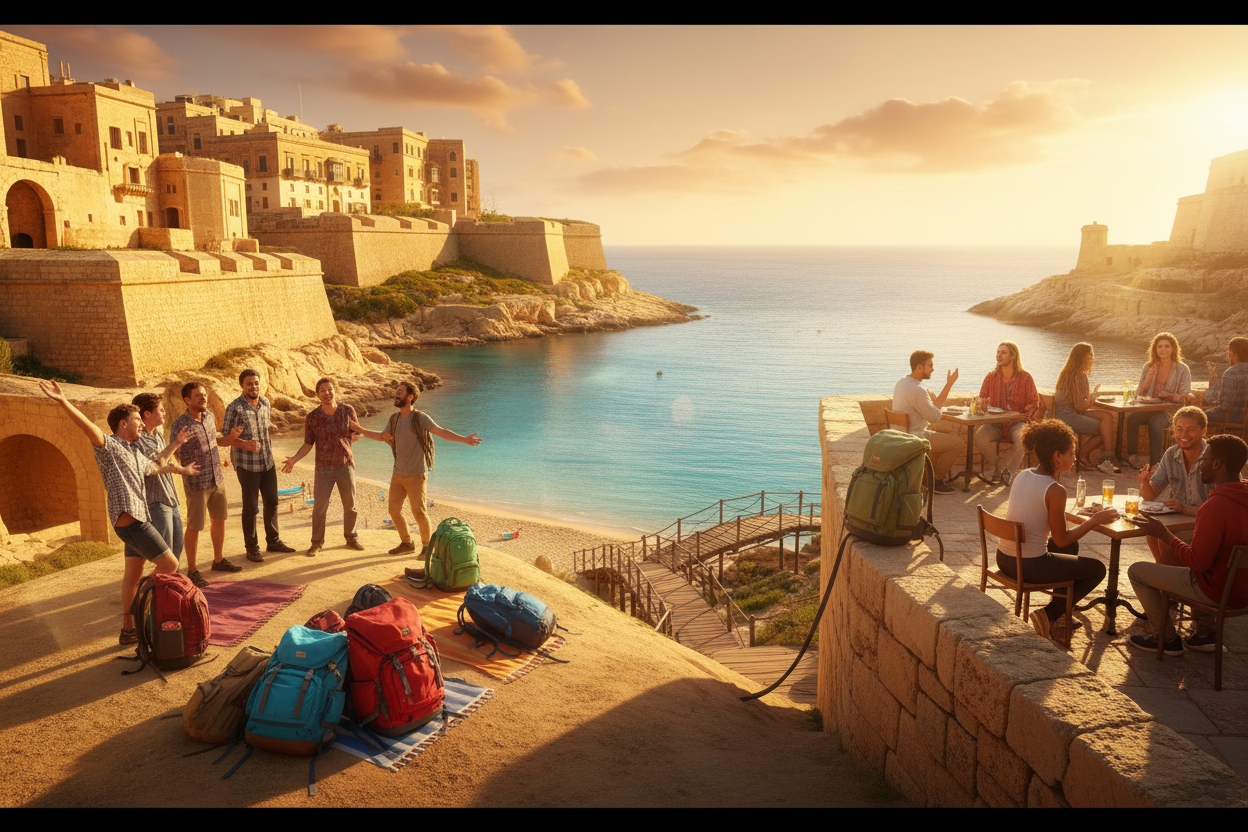
St. Julian’s, Malta’s entertainment hub, hosts the island’s most social hostels. Inhawi Boutique Hostel combines modern amenities with traditional Maltese architecture, featuring a pool area where travelers naturally gather to share stories and plan adventures. Prices here typically range from 20-35 euros depending on the season and room type.
For those seeking a quieter experience, consider hostels in Sliema or Msida. These locations offer easier access to beaches and diving sites while maintaining good transport links to major attractions. The Nsts Campus Lodge in Msida provides basic but clean accommodation at budget-friendly rates, often below 20 euros per night during off-peak periods.
Gozo, Malta’s sister island, offers a more rustic hostel experience. The Gozo Village Holidays provides simple accommodation in traditional farmhouses, perfect for travelers wanting to experience authentic island life. While facilities are basic, the warm hospitality and peaceful surroundings more than compensate, especially for those planning to explore Gozo’s dramatic coastline and rural landscapes.
Daily Budget Breakdown for Malta
Planning your Malta backpacking budget requires understanding the local cost structure, which can vary significantly depending on your choices. For accommodation, budget 20-35 euros per night for hostel dorm beds, with prices fluctuating based on location and season. Private rooms in hostels typically cost 50-70 euros, while budget hotels start around 40-60 euros for doubles.
Transportation costs remain remarkably low thanks to Malta’s comprehensive bus network. A 12-ride ticket costs just 15 euros, while weekly passes offer unlimited travel for 21 euros. These passes cover all routes across Malta and Gozo, including the ferry connection between islands. Walking remains the best way to explore city centers, particularly Valletta and Mdina, where narrow streets and pedestrian areas make buses impractical anyway.
Food expenses can range dramatically based on your dining choices. Local pastizzi, flaky pastries filled with ricotta or peas, cost just 50 cents each and make perfect budget breakfasts or snacks. Traditional Maltese restaurants offer hearty meals for 12-18 euros, while tourist-oriented establishments can easily charge double. Supermarket shopping allows even greater savings, with fresh bread, local cheese, and seasonal produce available at reasonable prices.
Entertainment and attraction costs vary widely. Many churches, including the spectacular St. John’s Co-Cathedral, charge modest entrance fees of 5-10 euros. Museums typically cost 5-15 euros, though many offer student discounts. Beach access remains free everywhere, while diving and water sports represent the largest potential expense for adventure-seeking backpackers.
Free and Cheap Activities in Malta
Malta’s greatest attractions often cost nothing more than your time and energy. Valletta itself is a UNESCO World Heritage site, meaning every street corner offers architectural treasures and historical significance. The Upper Barrakka Gardens provide panoramic views of the Grand Harbour and host the daily noon gun ceremony, a tradition dating back to British colonial times.
Hiking opportunities abound across both Malta and Gozo, with coastal paths offering spectacular scenery and glimpses of local wildlife. The Dingli Cliffs walk takes you along Malta’s highest points, while the Ta’ Cenc cliffs in Gozo provide equally dramatic vistas with fewer crowds. These walks cost nothing but offer experiences that rival expensive guided tours.
Swimming and snorkeling at Malta’s numerous bays and coves provide hours of free entertainment. Golden Bay and Mellieha Bay offer sandy beaches perfect for relaxation, while rocky inlets like Peter’s Pool and Wied il-Ghasri provide excellent snorkeling opportunities. Bring your own gear to avoid rental costs, or pick up basic equipment cheaply at local shops.
Cultural events frequently take place in public squares, particularly during summer months. The Malta International Arts Festival, Notte Bianca, and various village festas offer free entertainment showcasing local traditions, music, and crafts. These events provide authentic cultural experiences while connecting you with local communities in ways that paid attractions simply cannot match.
Getting Around Malta on a Budget
Malta’s public bus system, operated by Malta Public Transport, represents one of Europe’s best transportation bargains. The network connects virtually every corner of both Malta and Gozo, with buses running from early morning until late evening. Route maps are available online and at major stops, though smartphone apps like Tallinja provide real-time information and journey planning.
The Tallinja Card offers the most economical way to pay for bus travel, with significant discounts compared to cash fares. Cards can be purchased and topped up at numerous locations, including the airport, major bus stations, and many shops. Night services operate on weekends, connecting party areas like Paceville with accommodation areas, eliminating expensive taxi rides.
Ferry services between Malta and Gozo run frequently throughout the day, with the journey taking just 25 minutes. The crossing costs around 5 euros for foot passengers, with spectacular views included in the price. Once on Gozo, the smaller bus network covers all major attractions, though walking distances between stops can be longer than on the main island.
Cycling represents an increasingly popular option, particularly for exploring Gozo’s quieter roads and Malta’s coastal areas. Several hostels offer bike rentals, while dedicated cycling shops provide better equipment for longer excursions. Be aware that Malta’s hills can be challenging, and traffic in urban areas requires confidence and attention.
Essential Malta Backpacking Tips
Timing your visit can significantly impact both costs and experiences. July and August bring peak prices, crowds, and intense heat, while shoulder seasons offer better value and more comfortable exploration conditions. September often provides the best balance, with warm sea temperatures, fewer tourists, and reasonable accommodation prices.
Packing for Malta requires consideration of both beach and city activities. Comfortable walking shoes are essential for exploring Valletta’s steep streets and rocky coastal paths. Bring reef-safe sunscreen, as Malta’s sun can be intense, and many beaches lack shade. A reusable water bottle saves money and reduces plastic waste, with public fountains available in most towns.
Learning basic Maltese phrases shows respect for local culture, though English proficiency is excellent throughout the islands. Understanding local customs, particularly regarding church visits and village festas, enhances your experience and demonstrates cultural sensitivity. Malta’s strong Catholic heritage means modest dress is appreciated in religious sites.
Safety concerns are minimal in Malta, with crime rates among Europe’s lowest. However, coastal swimming requires caution, as some areas lack lifeguards and currents can be strong. Always inform someone of your hiking plans, particularly when exploring remote coastal areas, and carry sufficient water during summer months.
Conclusion
Malta proves that incredible travel experiences don’t require unlimited budgets or months of planning. This Mediterranean jewel offers backpackers an almost perfect combination of affordability, accessibility, and authentic experiences. From exploring ancient temples and medieval cities to swimming in crystal-clear waters and sharing stories with fellow travelers in welcoming hostels, Malta delivers memories that last a lifetime.
The key to successful Malta backpacking lies in embracing the island’s compact nature and rich diversity. Whether you spend a week diving into the country’s complex history or simply relaxing on beautiful beaches between hostel social hours, you’ll discover that Malta’s greatest treasure isn’t its stunning architecture or perfect weather – it’s the warm welcome you’ll receive from locals and fellow travelers alike.
Start planning your Malta adventure today, and prepare to be surprised by just how much this tiny nation can offer budget-conscious travelers seeking authentic Mediterranean experiences.
 English
Leave a Reply