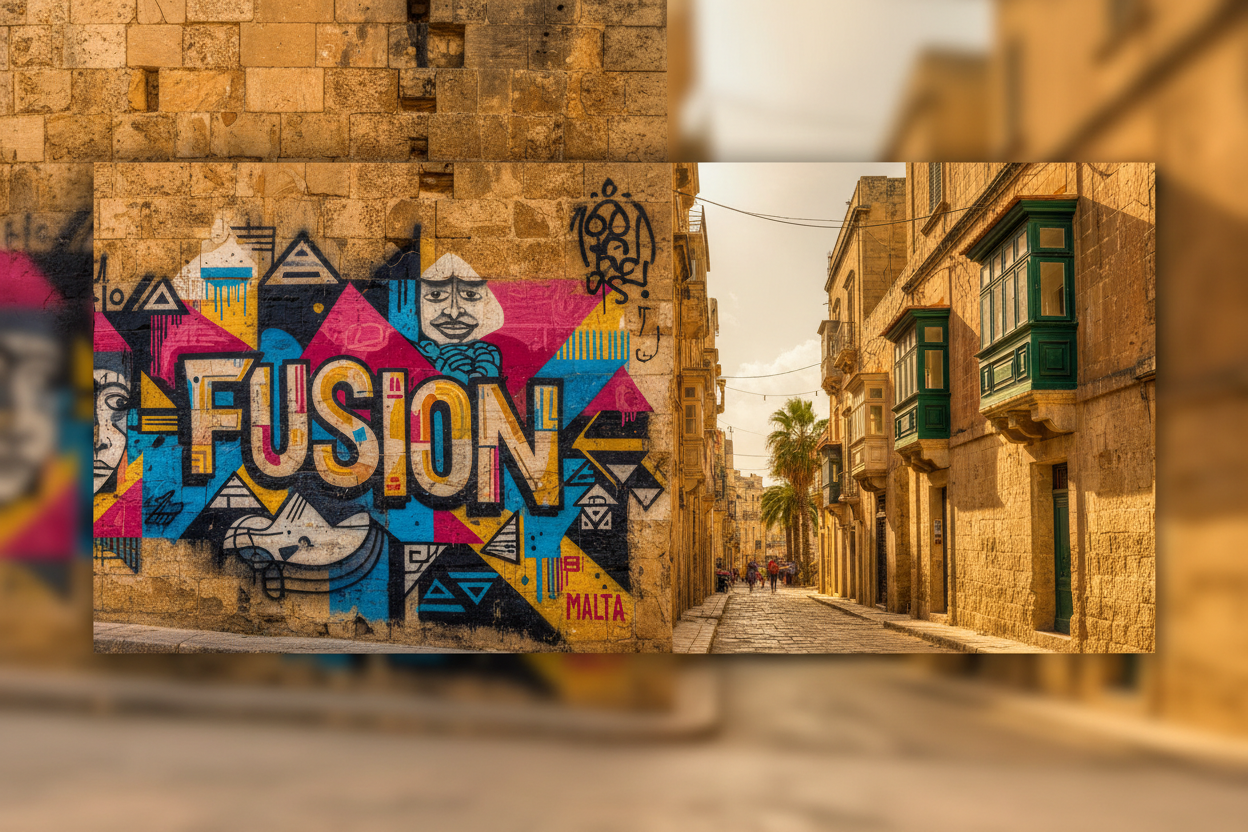
Malta Street Art: Modern Culture in Ancient Settings
Walking through Malta’s narrow limestone streets feels like stepping through a time machine, where centuries-old architecture creates a stunning backdrop for one of Europe’s most vibrant street art scenes. This Mediterranean archipelago, steeped in 7,000 years of history, has embraced contemporary urban art in ways that might surprise even seasoned travelers. The juxtaposition of ancient Maltese stone buildings adorned with colorful murals creates an artistic dialogue between past and present that’s absolutely captivating.
Malta’s street art movement has exploded over the past decade, transforming forgotten corners and weathered facades into open-air galleries. What makes this island’s urban art scene particularly special isn’t just the quality of the work—it’s how seamlessly modern expression integrates with historical surroundings, creating something entirely unique in the Mediterranean art landscape.
The Evolution of Malta Street Art Scene
The story of Malta’s street art revolution began in the early 2010s, when local artists started experimenting with legal wall spaces and abandoned buildings. Unlike many cities where street art emerged from underground rebellion, Malta’s scene developed with surprising community support and government tolerance. This collaborative approach has allowed the movement to flourish without the constant threat of removal that plagues street artists elsewhere.
Key figures like Bettina Hutschek, an Austrian artist who made Malta her canvas, helped legitimize the movement through organized festivals and community projects. Her large-scale murals in Valletta and surrounding areas demonstrated how street art could enhance rather than detract from Malta’s architectural heritage. The annual Malta Street Art Festival, launched in 2016, further cemented the island’s reputation as a destination for urban art enthusiasts.
Local artists like Steve Bonello and international contributors have created a diverse ecosystem where traditional Maltese themes blend with contemporary global influences. This evolution reflects Malta’s position as a cultural crossroads, where European, North African, and Middle Eastern influences have always intersected.
Iconic Street Art Locations Across Malta
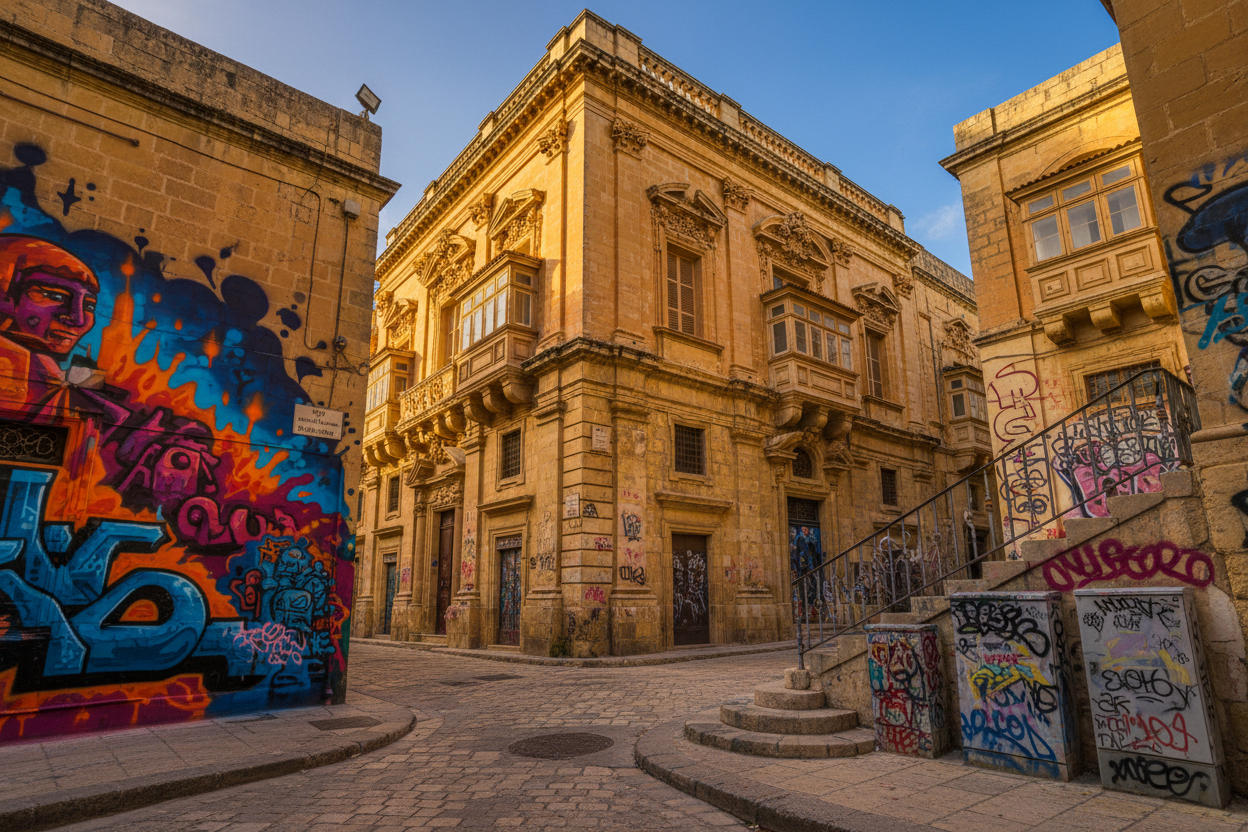
Valletta, Malta’s capital and a UNESCO World Heritage site, serves as the crown jewel of the island’s street art scene. The contrast between baroque architecture and contemporary murals creates an almost surreal urban landscape. Republic Street and surrounding alleys showcase some of the most photographed pieces, where artists have transformed utility boxes, building sides, and even staircases into canvases.
Sliema’s waterfront promenade offers a different perspective, with sea-facing walls becoming galleries that blend Mediterranean views with urban art. The industrial areas near the harbor have become unofficial artist quarters, where larger pieces can develop without space constraints.
Floriana, just outside Valletta’s gates, has emerged as another hotspot. The area’s mix of residential buildings and public spaces provides diverse surfaces for artistic expression. Here, you’ll find everything from small-scale stencil work to massive murals that cover entire building facades.
Gozo, Malta’s sister island, presents a more rural canvas where street art takes on different characteristics. The slower pace of life and stronger community connections have resulted in more collaborative pieces that often incorporate local history and folklore.
Artists Shaping Malta’s Urban Canvas
The diversity of artists working in Malta reflects the island’s international character. Bettina Hutschek remains one of the most recognizable names, known for her photorealistic portraits and social commentary pieces. Her work often addresses themes of identity, migration, and cultural preservation—topics particularly relevant to Malta’s contemporary experience.
Steve Bonello represents the homegrown talent that has emerged from Malta’s street art boom. His pieces often incorporate traditional Maltese symbols and imagery, creating bridges between ancient culture and modern expression. Bonello’s work demonstrates how local artists are using street art to explore their own cultural identity.
International artists regularly contribute to Malta’s walls through festivals and residency programs. These collaborations bring fresh perspectives while ensuring the local scene remains connected to global street art movements. Artists from Italy, Germany, the UK, and beyond have left their mark on Maltese walls, creating a truly international artistic dialogue.
The collaborative nature of Malta’s scene has also produced several artist collectives that work on larger community projects. These groups often focus on social issues, environmental concerns, and cultural preservation, using their art as a vehicle for community engagement and social change.
Cultural Impact and Community Response
The reception of street art in Malta has been remarkably positive compared to many other European destinations. This acceptance stems partly from the careful way the movement has developed, with artists generally respecting historical sites and working within community guidelines. The result has been a form of urban art that enhances rather than conflicts with Malta’s cultural heritage.
Local businesses have embraced street art as a draw for tourists and a way to revitalize aging neighborhoods. Cafes, shops, and restaurants often commission pieces or allow artists to work on their walls, creating mutually beneficial relationships that support both the art scene and local economy.
Educational institutions have also gotten involved, with several schools incorporating street art into their curricula and inviting artists to work with students. This educational component ensures the movement’s sustainability while fostering appreciation for urban art among younger generations.
The government’s relatively hands-off approach has been crucial to the scene’s development. While regulations exist to protect historical sites, authorities have generally supported legal street art initiatives, recognizing their cultural and economic value.
Preservation Challenges in Ancient Cities
Creating street art in a UNESCO World Heritage site presents unique challenges that artists and authorities must navigate carefully. Malta’s ancient limestone buildings require special consideration, as some surfaces are too delicate or historically significant to modify. Artists have had to develop techniques and choose locations that respect these constraints while still allowing for creative expression.
Weather presents another significant challenge. Malta’s Mediterranean climate, with its intense summer sun and occasional harsh winds, can quickly fade or damage outdoor artwork. Artists have adapted by using weather-resistant materials and techniques, though the temporary nature of street art means constant renewal and evolution.
The balance between preservation and innovation requires ongoing dialogue between artists, historians, urban planners, and community members. This collaborative approach has generally worked well, though occasional conflicts arise when artistic vision clashes with conservation concerns.
Documentation has become increasingly important as pieces weather or are painted over. Local photography enthusiasts and art historians are working to create archives that preserve the visual history of Malta’s street art movement, ensuring that even temporary works contribute to the cultural record.
Tourism and Economic Impact
Malta’s street art scene has become a significant tourist draw, with visitors specifically seeking out murals and artistic neighborhoods. This cultural tourism brings economic benefits to local communities while spreading awareness of Malta’s contemporary artistic achievements beyond its historical attractions.
Guided street art tours have emerged as popular activities, with local guides sharing stories about artists, techniques, and cultural significance. These tours often venture into neighborhoods that traditional tourism might overlook, distributing economic benefits more broadly across the islands.
The photogenic nature of street art in historical settings has made Malta a favorite destination for Instagram enthusiasts and travel bloggers. This social media attention has amplified the island’s cultural profile and attracted visitors who might not have considered Malta for its contemporary art scene.
Hotels, restaurants, and shops have learned to leverage nearby street art as selling points, creating clusters of cultural and commercial activity around significant pieces. This symbiotic relationship benefits both the art scene and local businesses.
Future of Street Art in Malta
Looking ahead, Malta’s street art scene shows no signs of slowing down. Plans for expanded festival programming, artist residency programs, and community art projects suggest continued growth and evolution. The challenge will be managing this growth while maintaining the quality and community integration that have made Malta’s scene special.
Sustainability initiatives are becoming more prominent, with artists exploring eco-friendly materials and techniques. Climate change concerns are also influencing subject matter, with environmental themes appearing more frequently in new works.
Digital integration represents another frontier, with some artists experimenting with augmented reality elements that viewers can access through smartphone apps. These technological enhancements could add new dimensions to the street art experience while appealing to tech-savvy tourists.
The success of Malta’s approach to integrating street art with historical preservation could serve as a model for other ancient cities facing similar challenges. International attention to Malta’s balanced approach may lead to cultural exchanges and collaborative projects with other UNESCO sites.
Malta’s street art scene represents something truly special in the contemporary art world—a successful marriage of ancient and modern that enhances both. The island’s artists have created a movement that respects its historical context while pushing creative boundaries, proving that urban art and cultural preservation can coexist beautifully. For visitors seeking authentic cultural experiences beyond traditional tourist attractions, Malta’s streets offer an ever-changing gallery where every corner might reveal a new masterpiece. This dynamic art scene continues to evolve, ensuring that Malta remains not just a destination for history lovers, but also for anyone interested in how contemporary culture can flourish within ancient settings.
 English
Leave a Reply