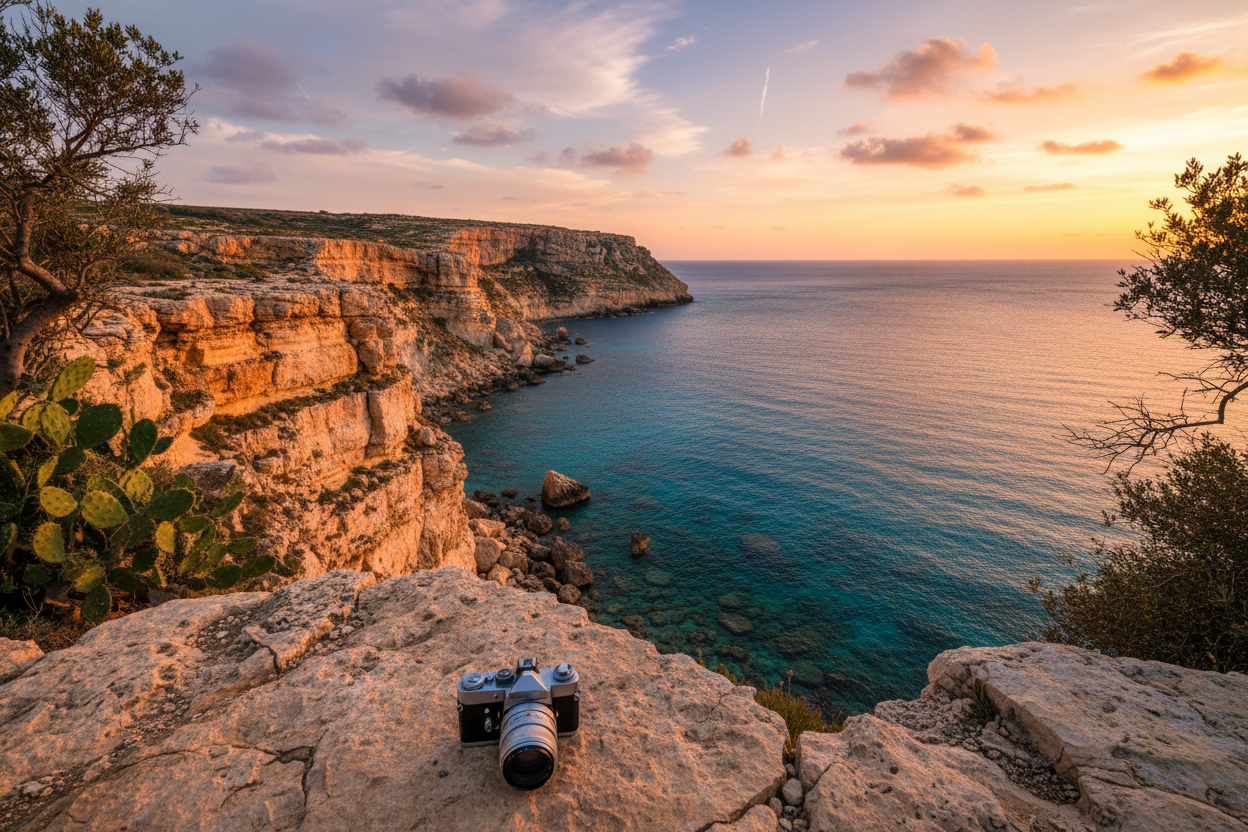
Malta Sunset Spots: Best Locations for Golden Hour Photography
There’s something truly magical about watching the sun dip below the Mediterranean horizon, painting Malta’s ancient limestone cliffs and azure waters in warm golden hues. As a photographer who has spent countless evenings chasing the perfect sunset shot across this beautiful archipelago, I can tell you that Malta offers some of the most spectacular golden hour opportunities in Europe. Whether you’re wielding a professional DSLR or simply capturing memories with your smartphone, these carefully selected locations will help you create stunning sunset photographs that truly capture the essence of Malta’s natural beauty.
The golden hour in Malta typically occurs during the last hour before sunset, when the harsh Mediterranean sun softens into a warm, diffused light that transforms ordinary landscapes into extraordinary photographic opportunities. With its dramatic coastlines, historic architecture, and crystal-clear waters, Malta provides the perfect backdrop for sunset photography enthusiasts of all skill levels.
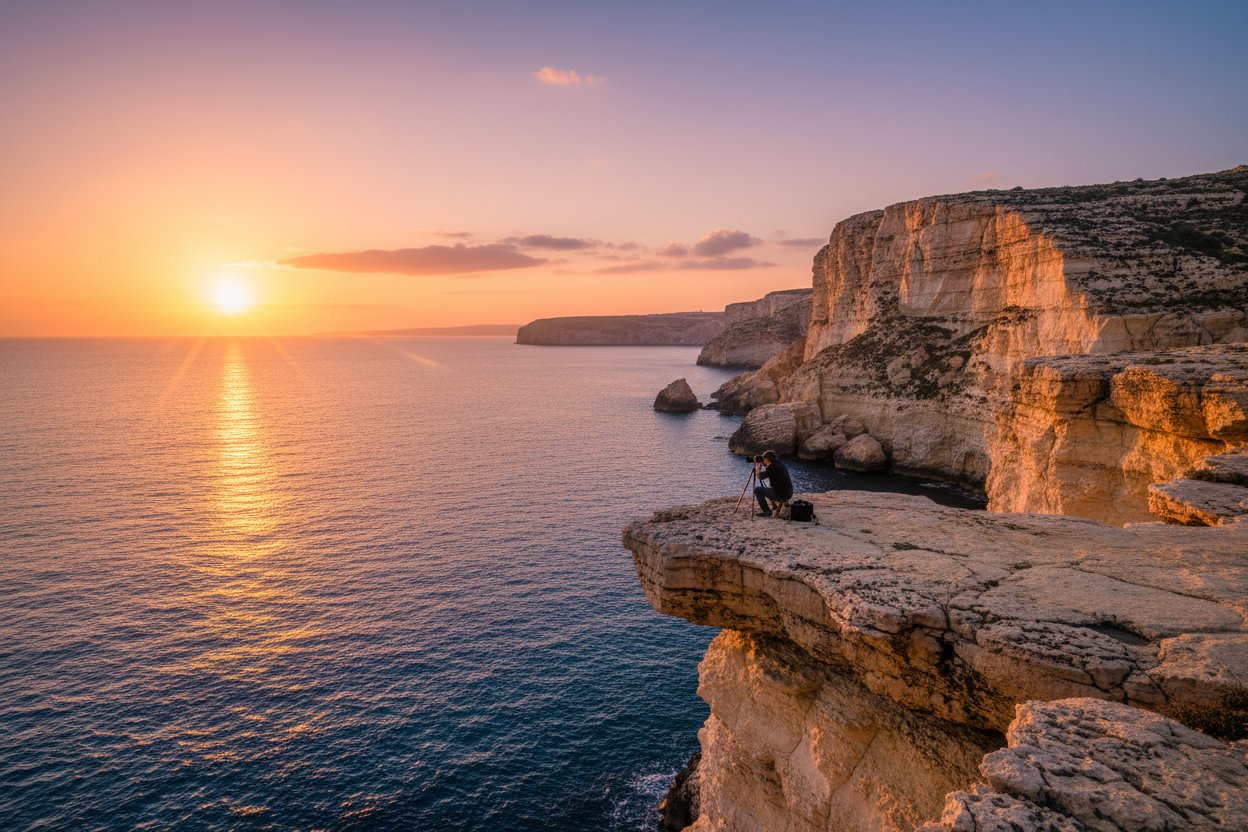
Dingli Cliffs: Malta’s Premier Sunset Photography Destination
Standing majestically at 253 meters above sea level, Dingli Cliffs represent Malta’s highest point and arguably its most famous sunset location. These dramatic limestone cliffs stretch along the western coast, offering unobstructed views of the Mediterranean Sea that extend all the way to the horizon. The sheer scale and raw beauty of this location make it a photographer’s paradise during golden hour.
What makes Dingli Cliffs particularly special for sunset photography is the way the golden light interacts with the layered limestone formations. As the sun descends, it creates a natural spotlight effect, illuminating the cliff faces while casting deep shadows that add dramatic depth to your compositions. The nearby Chapel of St. Mary Magdalene, a small 17th-century chapel perched on the cliff edge, provides an excellent foreground element that adds human interest and scale to your sunset shots.
For the best results at Dingli Cliffs, arrive at least 30 minutes before sunset to scout your composition and set up your equipment. The area can get crowded during peak tourist season, so consider visiting during weekdays or shoulder months for a more peaceful photography experience. Don’t forget to bring a sturdy tripod, as the strong coastal winds can make handheld photography challenging during longer exposures.
Golden Bay: Where Sand Meets Spectacular Sunsets
Golden Bay lives up to its name in every sense, particularly during sunset when its golden sand beach becomes the perfect foreground for dramatic seascape photography. This popular beach on Malta’s northwest coast offers a completely different perspective compared to the cliff-top locations, allowing photographers to capture the sun’s reflection dancing across the waves while framing the shot with the distinctive red-sand beach that gives the bay its characteristic color.
The beauty of photographing sunsets at Golden Bay lies in its versatility. You can position yourself at beach level for intimate, low-angle compositions that emphasize the interplay between sand, sea, and sky, or climb to the elevated areas surrounding the bay for more expansive landscape shots. The beach’s westward orientation ensures that the sun sets directly over the water during most of the year, creating those coveted sun-path reflections that make seascape photography so compelling.
During summer months, Golden Bay can be quite busy with beachgoers, but this actually presents unique opportunities for silhouette photography. Couples walking hand-in-hand, children playing in the surf, or lone figures contemplating the horizon can add emotional depth and storytelling elements to your sunset compositions. The key is to arrive early, stake out your preferred shooting position, and be patient as the golden hour unfolds.
Mellieha Bay: Panoramic Sunset Views and Versatile Compositions
Mellieha Bay, Malta’s largest sandy beach, offers sunset photographers an impressive canvas of golden sand stretching nearly a kilometer along the coastline. What sets this location apart is the elevated vantage points available from the surrounding hills, which provide sweeping panoramic views perfect for wide-angle sunset photography. The bay’s gentle curve creates natural leading lines that draw the viewer’s eye toward the setting sun, while the shallow, clear waters reflect the sky’s changing colors like a natural mirror.
From the higher viewpoints around Mellieha, you can capture the entire bay in a single frame, showcasing the relationship between the beach, the Mediterranean Sea, and the dramatic sky above. These elevated positions are particularly effective when using telephoto lenses to compress the scene and emphasize the sun’s size relative to the landscape. The contrast between the warm golden tones of the beach and the cool blues of the deeper water creates a natural color harmony that’s particularly striking during golden hour.
One of my favorite techniques at Mellieha Bay involves using the beach umbrellas and sunbeds as foreground elements to add depth and context to the scene. These man-made objects, when silhouetted against the colorful sky, tell the story of Malta as both a natural wonder and a beloved holiday destination. Remember to respect private property and beach facilities while positioning yourself for the perfect shot.
Blue Grotto Area: Dramatic Cliffs and Hidden Coves
While the Blue Grotto itself is famous for its morning light, the surrounding coastline offers exceptional sunset photography opportunities that many visitors overlook. The area’s dramatic cliff formations, hidden coves, and crystal-clear waters create intimate settings perfect for more artistic and abstract sunset compositions. Unlike the expansive views available at other locations, the Blue Grotto area invites photographers to focus on details, textures, and the interplay between light and shadow on the limestone surfaces.
The jagged coastline here provides numerous vantage points, each offering a unique perspective on how the setting sun interacts with Malta’s geological features. Small sea caves and arches frame the distant horizon beautifully, while the clear water allows you to capture interesting underwater rock formations that add depth to your foreground compositions. This location is particularly rewarding for photographers who enjoy exploring and discovering hidden gems rather than shooting from well-established viewpoints.
Safety is paramount when photographing around the Blue Grotto area, as the limestone can be slippery and the cliff edges unstable. Always maintain a safe distance from the edge, wear appropriate footwear with good grip, and consider bringing a headlamp for the walk back to your vehicle after sunset. The extra effort required to reach some of these secluded spots often results in more unique and personal sunset photographs.
Marsaxlokk Harbor: Cultural Sunset Photography
For photographers seeking to combine Malta’s stunning sunsets with its rich cultural heritage, Marsaxlokk Harbor offers an unparalleled opportunity. This traditional fishing village, famous for its colorful luzzu boats, transforms into a photographer’s dream during golden hour. The traditional boats, painted in vibrant blues, yellows, and reds, create striking foreground elements that contrast beautifully with the warm sunset tones reflecting off the calm harbor waters.
What makes Marsaxlokk particularly special for sunset photography is the way the golden light enhances the boats’ traditional colors while casting long reflections across the still water. The harbor’s sheltered location means the water is typically calm during sunset, creating perfect mirror-like reflections that double the visual impact of your compositions. The surrounding traditional architecture and the distant silhouette of other coastal features add layers of depth and cultural context to your sunset shots.
The best shooting positions in Marsaxlokk are along the waterfront promenade, where you can easily move between different compositions without disturbing the boats or their owners. Early evening visits often coincide with fishing boats returning from their daily catch, providing opportunities to capture authentic moments of local life against the spectacular sunset backdrop. This combination of natural beauty and cultural authenticity makes Marsaxlokk Harbor a must-visit location for any serious sunset photographer visiting Malta.
Mdina and Rabat: Elevated Urban Sunset Views
Malta’s ancient capital, Mdina, perched high on a hill in the center of the island, offers unique elevated sunset photography opportunities that showcase both the island’s urban landscape and distant coastal views. From various viewpoints around the fortified city walls, photographers can capture sweeping vistas that include traditional Maltese villages, agricultural terraces, and glimpses of the Mediterranean Sea in the distance, all bathed in golden hour light.
The elevated position of Mdina provides excellent opportunities for layered compositions that show the relationship between Malta’s historic urban centers and the surrounding countryside. During golden hour, the warm light enhances the honey-colored limestone of traditional Maltese architecture while creating long shadows that add depth and dimension to the landscape. The nearby town of Rabat offers additional vantage points, including areas around St. Paul’s Catacombs, where you can capture more intimate sunset scenes focusing on architectural details.
These inland locations are particularly valuable during winter months or periods of rough weather when coastal photography might be challenging. The urban environment also provides shelter from strong winds while still offering spectacular sunset views. Consider exploring the narrow streets and bastions of Mdina itself, where you can find interesting architectural frames for distant sunset views, creating unique compositions that blend Malta’s rich history with its natural beauty.
Essential Tips for Malta Sunset Photography Success
Successful sunset photography in Malta requires more than just showing up at the right location. The Mediterranean climate and Malta’s unique geographical features present both opportunities and challenges that photographers need to understand and prepare for. Wind is often a significant factor, particularly at coastal locations, so a sturdy tripod is essential for sharp images during longer exposures. Carbon fiber tripods are particularly useful as they’re lighter to carry while hiking to remote locations and more resistant to salt air corrosion.
Timing is crucial for golden hour photography in Malta. The sun sets relatively quickly once it approaches the horizon, giving you a limited window to capture the best light. Use smartphone apps or online calculators to determine exact sunset times for your visit, and plan to arrive at your chosen location at least 45 minutes early. This extra time allows you to explore different compositions, set up your equipment properly, and be ready when the light reaches its peak quality.
Malta’s clear Mediterranean air often means that the most dramatic colors appear after the sun has actually set, during the blue hour that follows. Don’t pack up your equipment too quickly – some of the most stunning shots occur when the sky takes on deep purple and pink hues while the landscape is illuminated by residual golden light. Bracketing your exposures during these rapidly changing conditions will give you more options during post-processing and help ensure you capture the full dynamic range of the scene.
Conclusion: Capturing Malta’s Golden Hour Magic
Malta’s diverse coastline and rich cultural landscape provide sunset photographers with an incredible variety of opportunities to capture truly spectacular golden hour images. From the dramatic heights of Dingli Cliffs to the intimate cultural scenes of Marsaxlokk Harbor, each location offers its own unique character and photographic possibilities. The key to success lies in understanding each location’s specific advantages, preparing properly for Malta’s coastal conditions, and remaining patient as the magical golden hour light transforms these already beautiful landscapes into something truly extraordinary.
Remember that the best sunset photography often comes from returning to the same locations multiple times, as changing weather conditions, seasonal variations, and different atmospheric conditions can dramatically alter the character of your shots. Malta’s compact size makes it easy to explore multiple sunset locations during a single visit, allowing you to build a diverse portfolio that showcases the full range of this Mediterranean gem’s natural beauty. Whether you’re a professional photographer or an enthusiastic amateur, Malta’s sunset spots will provide you with memories and images that capture the true essence of this remarkable island nation.
 English
Leave a Reply