Malta Museum Guide: Art, History, and Cultural Collections
Nestled in the heart of the Mediterranean, Malta offers visitors far more than stunning coastlines and crystal-clear waters. This archipelago nation boasts an extraordinary collection of museums that showcase thousands of years of rich history, remarkable artistic achievements, and fascinating cultural heritage. Whether you’re a history enthusiast, art lover, or curious traveler, Malta’s museums provide an immersive journey through time that will leave you captivated and enlightened.
From ancient Neolithic temples to contemporary art galleries, Malta’s museum landscape reflects the island’s unique position as a crossroads of civilizations. The influence of Phoenicians, Romans, Arabs, Knights of St. John, French, and British rulers has created a cultural tapestry that’s beautifully preserved within the walls of these remarkable institutions.
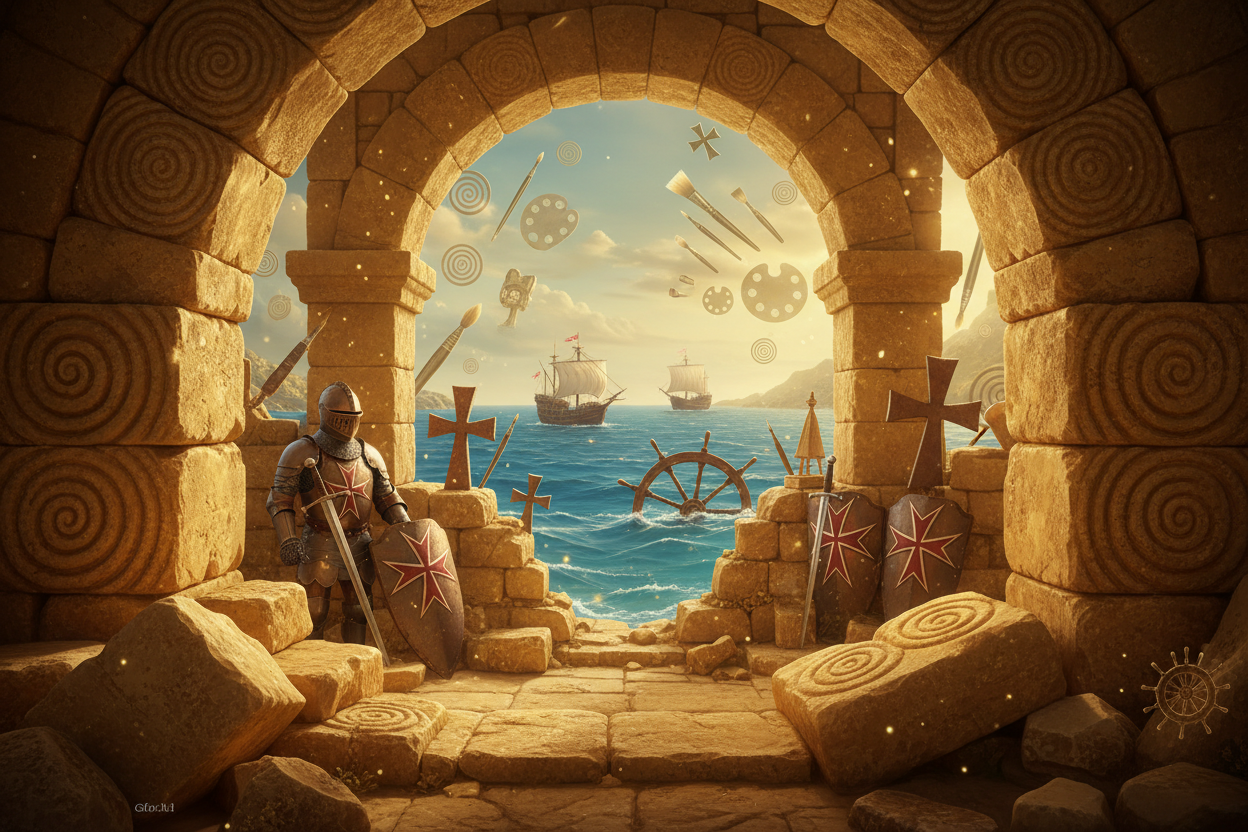
National Museum of Archaeology: Uncovering Malta’s Ancient Past
The National Museum of Archaeology stands as Malta’s premier destination for understanding the island’s prehistoric heritage. Located in the magnificent Auberge de Provence in Valletta, this museum houses one of the world’s most important collections of Neolithic artifacts.
The museum’s crown jewels include the famous “Sleeping Lady” figurine from the Hal Saflieni Hypogeum and the intricate carved stone altars from the Tarxien Temples. These artifacts, dating back over 5,000 years, provide fascinating insights into Malta’s temple-building civilization that predates Stonehenge and the Egyptian pyramids.
Visitors can explore interactive displays that bring ancient Malta to life, including detailed models of the megalithic temples and explanations of the sophisticated astronomical alignments these early inhabitants achieved. The museum’s Bronze Age and Phoenician collections further illustrate Malta’s continuous habitation and its role as a Mediterranean trading hub.
Palace Armoury: Medieval Warfare and Knightly Heritage
Step into the world of medieval knights at the Palace Armoury, one of the world’s finest collections of arms and armor. Housed within the Grandmaster’s Palace, this museum showcases over 5,000 pieces of military equipment used by the Knights of St. John during their 268-year rule of Malta.
The collection includes ornate suits of armor worn by Grand Masters, ceremonial weapons adorned with precious metals, and practical battlefield equipment that defended Malta during the Great Siege of 1565. Each piece tells a story of craftsmanship, warfare, and the knightly ideals that shaped Malta’s Golden Age.
What makes this museum particularly engaging is its presentation of armor not just as static displays, but as functional equipment used by real people in extraordinary circumstances. The Turkish weapons captured during various sieges provide a fascinating counterpoint to the European military technology, illustrating the clash of civilizations that defined Malta’s strategic importance.
National Museum of Fine Arts: Artistic Treasures Through the Ages
Art enthusiasts will find themselves thoroughly enchanted by the National Museum of Fine Arts, located in a beautiful 18th-century rococo palace in Valletta. This museum presents an impressive survey of Maltese and European art spanning several centuries.
The collection features works by renowned Maltese artists such as Mattia Preti, whose baroque masterpieces adorn the walls alongside paintings by Italian, French, and Flemish masters. The museum’s strength lies not only in its individual pieces but in how it contextualizes Maltese art within broader European movements.
Contemporary visitors are often surprised by the sophistication and international connections evident in Malta’s artistic heritage. The museum regularly rotates its exhibitions, ensuring that repeat visitors always discover something new. Special attention is given to the works that decorated the auberges and palaces of the Knights, providing insight into the cultural life of this unique religious-military order.
Maritime Museum: Malta’s Naval Heritage
Given Malta’s island geography and strategic position, it’s no surprise that maritime history plays a crucial role in the national story. The Malta Maritime Museum, located in the former Royal Naval Bakery in Birgu, offers comprehensive coverage of the island’s relationship with the sea.
The museum’s exhibits span from prehistoric seafaring to modern naval operations, with particular emphasis on the Knights’ naval activities, British naval presence, and Malta’s crucial role during World War II. Detailed ship models, navigation instruments, and maritime artifacts help visitors understand how Malta’s fortunes have always been tied to control of Mediterranean sea routes.
One of the museum’s most moving sections covers the Malta Convoys of World War II, when the island’s survival depended on supply ships breaking through enemy blockades. Personal accounts, photographs, and artifacts from this period provide powerful testimony to the courage and resilience that earned Malta the George Cross.
Casa Rocca Piccola: Living History in a Noble Palace
For a more intimate glimpse into Malta’s aristocratic past, Casa Rocca Piccola offers visitors the unique opportunity to explore a 16th-century palace that remains a private family residence. The de Piro family has opened their ancestral home to showcase how Malta’s nobility lived through the centuries.
Unlike traditional museums, Casa Rocca Piccola maintains the atmosphere of a lived-in home, complete with family portraits, antique furniture, and personal belongings spanning generations. The guided tours, often conducted by family members themselves, provide personal anecdotes and stories that bring history to life in ways that conventional museums cannot match.
The palace’s rooms showcase different periods of Maltese interior design, from baroque grandeur to Victorian comfort, illustrating how foreign influences shaped local tastes and customs. The family’s collection of silver, porcelain, and artwork provides insight into the international connections that Malta’s elite maintained throughout history.
Folklore Museum: Traditional Maltese Life and Culture
To understand how ordinary Maltese people lived, worked, and celebrated throughout history, the Folklore Museum in Mdina provides an invaluable resource. Housed in a Norman palace, this museum recreates traditional Maltese domestic life through carefully arranged period rooms and extensive artifact collections.
Visitors can explore a traditional Maltese farmhouse, complete with period furniture, cooking utensils, and agricultural tools. The museum’s displays of traditional costumes, religious artifacts, and festival decorations illustrate the deep cultural traditions that continue to influence modern Maltese society.
The museum excels at showing how geography and history shaped daily life in Malta. Exhibits demonstrate how islanders adapted to limited natural resources, developed distinctive architectural styles, and maintained cultural traditions despite successive foreign rulers. Interactive displays allow visitors to experience traditional crafts and understand the skills that sustained Maltese communities for centuries.
Planning Your Museum Journey
Visiting Malta’s museums requires some strategic planning to maximize your cultural experience. Most museums are concentrated in Valletta and the Three Cities, making it possible to visit several in a single day. However, each institution deserves adequate time for proper appreciation.
The Heritage Malta multisite pass offers excellent value for visitors planning to explore multiple museums, providing entry to most major sites at a significant discount. Many museums offer guided tours that provide additional context and insights not available through self-guided visits.
Consider timing your visits to avoid peak tourist hours, particularly during summer months when museums can become crowded. Early morning or late afternoon visits often provide more comfortable viewing conditions and better opportunities for photography.
Conclusion
Malta’s museums offer far more than simple collections of artifacts; they provide windows into the soul of a nation that has stood at the crossroads of civilizations for millennia. From prehistoric temples to knightly grandeur, from maritime adventures to artistic achievements, these institutions preserve and present the remarkable story of human resilience, creativity, and cultural adaptation.
Whether you spend a day or a week exploring Malta’s cultural treasures, you’ll discover that each museum contributes to a larger narrative about how geography, history, and human ingenuity combine to create unique cultural expressions. The island’s museums don’t just preserve the past; they help visitors understand how historical forces continue to shape contemporary Malta.
For travelers seeking depth beyond Malta’s natural beauty, the island’s museum collections provide intellectual and emotional rewards that will enhance appreciation for this remarkable Mediterranean nation. Each visit reveals new layers of meaning and connection, making Malta’s museums destinations worth returning to time and again.
 English
Leave a Reply