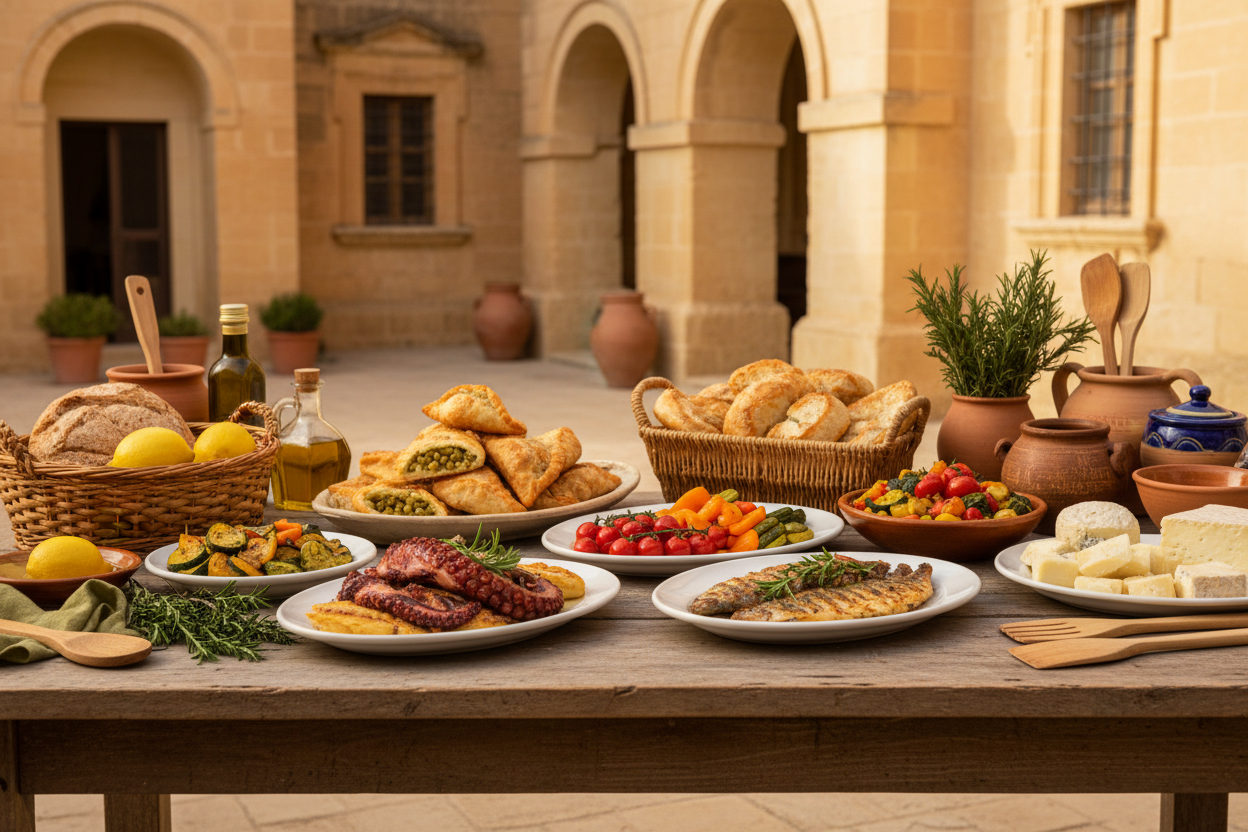
Malta Culinary Tours: Food Markets and Cooking Classes – A Gastronomic Adventure in the Mediterranean
Nestled in the heart of the Mediterranean Sea, Malta offers far more than stunning coastlines and ancient architecture. This tiny archipelago nation has quietly emerged as a culinary powerhouse, where centuries of cultural influences have created a unique and vibrant food scene. For travelers seeking an authentic taste of Maltese culture, culinary tours featuring bustling food markets and hands-on cooking classes provide an unforgettable journey through the island’s rich gastronomic heritage.
Malta’s strategic location has made it a melting pot of flavors, with influences from Italy, North Africa, and the Middle East seamlessly blending with traditional Mediterranean ingredients. Today’s food enthusiasts can explore this fascinating culinary landscape through expertly guided tours that reveal hidden gems and time-honored traditions you simply won’t find in guidebooks.
The Rich Culinary Heritage of Malta
Malta’s culinary story spans thousands of years, shaped by the various civilizations that have called these islands home. The Phoenicians introduced olive oil and wine production, while the Arabs brought citrus fruits, spices, and innovative cooking techniques. Later, the Knights of St. John added their own European influences, and British colonial rule left its mark on local dining customs.
This complex history has resulted in a cuisine that’s distinctly Maltese yet familiar to Mediterranean palates. Traditional dishes like rabbit stew (fenek), fish soup (aljotta), and the beloved pastizzi reflect this multicultural heritage. The islands’ isolation has also preserved many ancient recipes and cooking methods that have been passed down through generations of Maltese families.

What makes Malta particularly special for culinary tourists is how these traditions remain alive and accessible. Unlike many destinations where authentic local cuisine has been commercialized beyond recognition, Malta’s food culture continues to thrive in neighborhood markets, family-run restaurants, and home kitchens throughout the islands.
Exploring Malta’s Vibrant Food Markets
The heart of any culinary adventure in Malta begins at the local markets, where the island’s freshest ingredients and most authentic flavors come together in a symphony of colors, aromas, and sounds. These bustling marketplaces offer visitors an unfiltered glimpse into daily Maltese life while providing access to ingredients that define the local cuisine.
Valletta’s morning market stands as the crown jewel of Malta’s market scene. Here, vendors have been selling fresh produce, seafood, and local specialties for generations. The market’s narrow streets buzz with activity as locals negotiate prices for the day’s catch, seasonal vegetables, and artisanal products. Guided culinary tours often begin here, allowing visitors to interact with vendors, learn about local ingredients, and understand the seasonal rhythms that drive Maltese cooking.
The Marsaxlokk Sunday market presents another essential stop for food enthusiasts. This picturesque fishing village transforms every weekend into a vibrant marketplace where local fishermen sell their catch alongside vendors offering everything from fresh produce to homemade preserves. The sight of traditional luzzu boats bobbing in the harbor while tourists and locals browse stalls creates an authentically Mediterranean atmosphere that’s hard to find elsewhere.
Beyond these famous markets, smaller neighborhood markets throughout Malta offer equally rewarding experiences. These intimate venues provide opportunities to discover regional specialties, meet local producers, and gain insights into how Maltese families shop and cook. Many culinary tours include visits to multiple markets, allowing participants to compare offerings and understand the subtle regional differences that exist even on such small islands.
Hands-On Cooking Classes: Learning Traditional Maltese Recipes
While exploring markets provides essential context for Maltese cuisine, hands-on cooking classes offer the opportunity to truly understand and recreate these flavors at home. Malta’s cooking schools and culinary instructors have developed programs that cater to various skill levels, from complete beginners to experienced home cooks seeking to expand their Mediterranean repertoire.
Traditional Maltese cooking classes typically focus on signature dishes that showcase the island’s unique flavors and techniques. Participants might learn to prepare bragioli (beef olives stuffed with herbs and breadcrumbs), timpana (a baked pasta dish with a pastry crust), or the perfect pastizzi filled with ricotta or mushy peas. These classes don’t just teach recipes; they provide cultural context, explaining the historical significance of each dish and its role in Maltese celebrations and daily life.
Many cooking instructors are local home cooks or professional chefs who bring personal stories and family traditions to their lessons. This personal touch transforms a simple cooking class into a cultural exchange, where participants learn not just how to cook Maltese food, but why certain ingredients are used, how recipes have evolved over time, and what these dishes mean to Maltese families.
The hands-on nature of these classes ensures that participants gain practical skills they can use long after returning home. Instructors typically provide recipe cards, ingredient sourcing tips, and suggestions for adapting traditional recipes to ingredients available in other countries. This practical approach helps ensure that the culinary memories created in Malta can be recreated and shared with family and friends.
Popular Culinary Tour Experiences
Malta’s culinary tour operators have developed diverse experiences that cater to different interests and schedules. Half-day market tours provide perfect introductions for visitors with limited time, combining market visits with tastings of local specialties and brief cooking demonstrations. These condensed experiences offer excellent overviews of Maltese cuisine without requiring full-day commitments.
Full-day culinary adventures typically combine market visits with comprehensive cooking classes and communal meals. These immersive experiences allow participants to shop for ingredients in the morning, spend several hours cooking traditional dishes, and then enjoy the fruits of their labor in a social dining setting. Many participants describe these full-day tours as highlights of their Malta visits, creating lasting memories and new friendships.
Specialized tours focus on particular aspects of Maltese cuisine, such as wine and food pairings, traditional bread making, or seafood preparation. These targeted experiences appeal to visitors with specific culinary interests or those making repeat visits to Malta who want to explore different facets of the local food scene.
Evening food tours offer another popular option, combining visits to local restaurants, wine bars, and traditional eateries with guided tastings and cultural commentary. These tours provide excellent introductions to Malta’s dining scene while offering opportunities to experience the island’s nightlife and social customs.
Seasonal Specialties and Local Ingredients
Malta’s Mediterranean climate produces distinct seasonal variations that significantly impact local cuisine and culinary tour offerings. Spring brings fresh vegetables like broad beans (ful), artichokes, and tender greens that feature prominently in traditional dishes. This season offers excellent opportunities to learn about foraging traditions and wild herbs that add unique flavors to Maltese cooking.
Summer’s abundant tomatoes, peppers, and eggplants form the backbone of many traditional recipes, while the fishing season provides access to various Mediterranean seafood species. Culinary tours during this period often focus on preservation techniques, such as making tomato paste or sun-drying vegetables, that have sustained Maltese families through less abundant seasons.
Autumn introduces different fishing seasons and the olive harvest, providing opportunities to learn about olive oil production and participate in traditional harvest activities. Winter tours might focus on heartier dishes and preserved foods that sustained communities during Malta’s historically challenging winter months.
Local ingredients play starring roles in all culinary tours, from the famous Maltese honey produced by bees that feed on wild thyme and other indigenous plants, to the unique varieties of tomatoes and peppers that thrive in Malta’s rocky soil. Understanding these ingredients and their seasonal availability helps visitors appreciate the natural factors that have shaped Maltese cuisine over centuries.
Tips for Making the Most of Your Culinary Adventure
Successful culinary tours require some preparation and the right mindset for cultural exploration. Booking in advance is essential, especially during peak tourist seasons, as popular cooking classes and specialized tours often fill up quickly. Many operators offer small group sizes to ensure personalized attention, which means availability can be limited.
Coming hungry and with an open mind enhances the entire experience. Maltese cuisine includes some dishes and ingredients that might be unfamiliar to international visitors, but approaching these with curiosity rather than hesitation often leads to pleasant discoveries. Many participants find that ingredients they initially viewed with skepticism become new favorites.
Comfortable walking shoes are essential for market tours, as Malta’s historic market areas often feature uneven stone streets and steps. Bringing a small bag or backpack can be helpful for carrying purchased items or recipe materials provided during tours.
Don’t hesitate to ask questions during tours and cooking classes. Local guides and instructors typically enjoy sharing stories about their culture and cuisine, and these conversations often provide the most memorable aspects of culinary tours. Many visitors form lasting connections with their guides and continue correspondence long after their Malta visits end.
Conclusion
Malta culinary tours offer far more than simple food experiences; they provide windows into a culture where cuisine serves as a living connection to history, tradition, and community. Through exploring vibrant food markets and participating in hands-on cooking classes, visitors gain authentic insights into Maltese life that extend far beyond typical tourist attractions.
The combination of market visits and cooking instruction creates a comprehensive understanding of Maltese cuisine, from ingredient selection through final preparation and presentation. These experiences provide practical skills and cultural knowledge that enhance both immediate travel experiences and long-term appreciation for Mediterranean cooking traditions.
For travelers seeking meaningful cultural connections and authentic local experiences, Malta’s culinary tours deliver exceptional value and lasting memories. The island’s unique position at the crossroads of European, African, and Middle Eastern cultures has created a distinctive cuisine that rewards exploration and offers endless opportunities for culinary discovery. Whether you’re a seasoned food enthusiast or simply curious about local culture, Malta’s culinary tours provide unforgettable adventures that will leave you planning your next visit before the first one ends.
 English
Leave a Reply