
Malta Education System: Schools and International Programs – A Comprehensive Guide
Nestled in the heart of the Mediterranean, Malta has emerged as an unexpected educational powerhouse, attracting families from across Europe and beyond. This small island nation offers a unique blend of British-influenced education, multilingual opportunities, and world-class international programs that make it an increasingly popular choice for expatriate families and local students alike.
Whether you’re considering relocating to Malta with children or simply curious about how this tiny nation punches above its weight in education, understanding the Malta education system is crucial. From state schools that operate in both Maltese and English to prestigious international institutions, Malta’s educational landscape offers something for everyone.
Overview of Malta’s Education System Structure
The Malta education system follows a structure that will feel familiar to anyone acquainted with British educational frameworks, which isn’t surprising given Malta’s colonial history. Education is compulsory from ages 5 to 16, though most children begin their educational journey in kindergarten at age 3.
The system is divided into several key stages. Primary education runs from ages 5 to 11, covering six years of foundational learning. This is followed by secondary education, which spans ages 11 to 16 and culminates in the Secondary Education Certificate (SEC) examinations. Students who wish to continue their studies can pursue post-secondary education through sixth form colleges or vocational institutions.
What makes Malta’s system particularly interesting is its trilingual approach. Students learn Maltese as their native language, English as a second language, and often Italian as a third language. This linguistic diversity gives Maltese students a significant advantage in our increasingly globalized world.
State Schools: Quality Education in Multiple Languages
Malta’s state school system serves the majority of local students and offers education free of charge to all residents. These schools operate under the Ministry of Education and follow the National Minimum Curriculum, which ensures consistent standards across all government institutions.
One of the most remarkable aspects of state schools in Malta is their bilingual nature. While Maltese is the primary language of instruction in the early years, English gradually becomes more prominent as students progress. By secondary level, many subjects are taught entirely in English, particularly mathematics and sciences.
The quality of state education in Malta has improved significantly over the past decade. The government has invested heavily in modernizing facilities, updating curricula, and training teachers. Many state schools now boast modern computer labs, science facilities, and sports complexes that rival those found in private institutions.
However, it’s worth noting that state schools can be quite traditional in their approach. Class sizes tend to be larger than in private schools, and the teaching methodology often emphasizes rote learning and examination preparation. For families seeking more progressive educational approaches, private or international schools might be more suitable.
Private Schools: Diverse Options for Different Needs
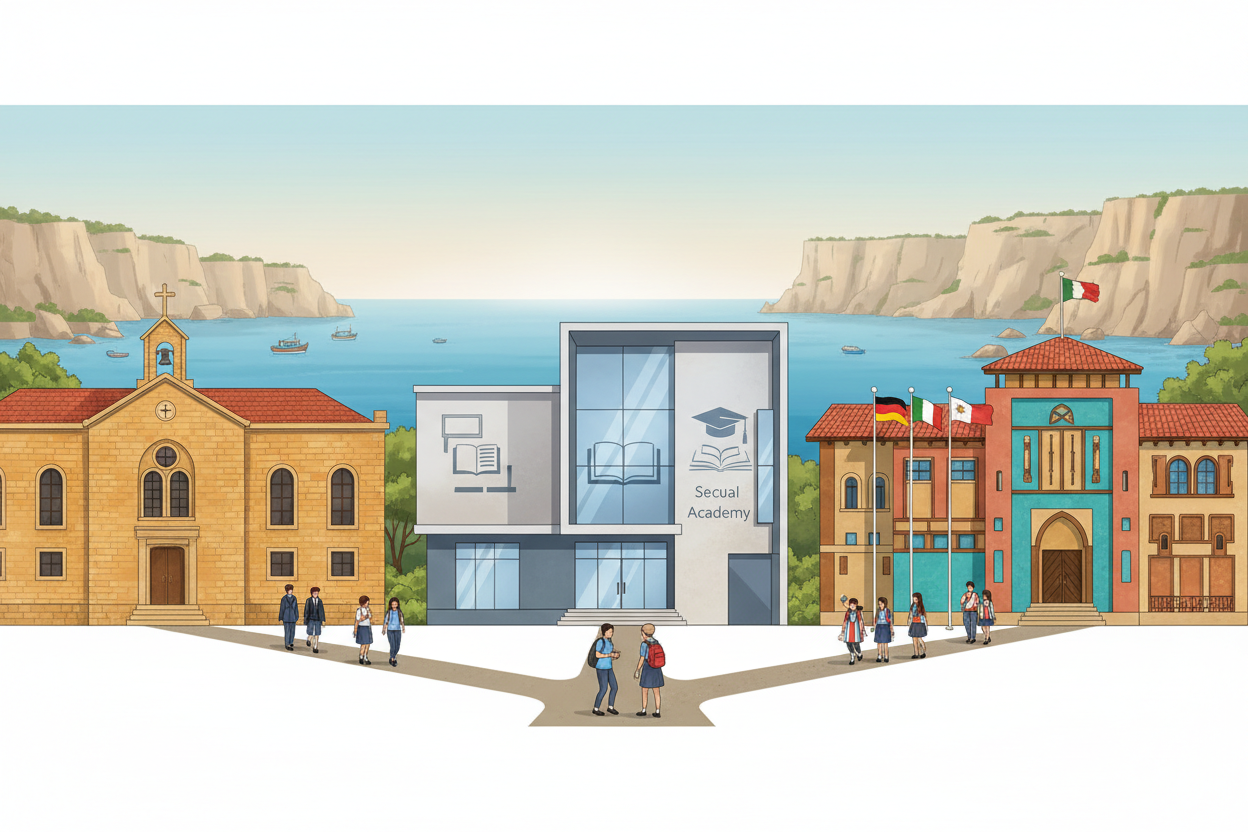
Malta’s private school sector offers considerable variety, catering to different educational philosophies, religious backgrounds, and academic focuses. These institutions typically offer smaller class sizes, more individualized attention, and often more modern facilities than their state counterparts.
Many private schools in Malta follow the British curriculum, preparing students for IGCSE and A-Level examinations. This makes them particularly attractive to expatriate families from the UK or other Commonwealth countries. The familiarity of the curriculum means children can transition more easily if families move between Malta and other countries using similar systems.
Religious education plays a significant role in many private schools, reflecting Malta’s strong Catholic heritage. However, there are also secular private institutions that focus purely on academic excellence without religious instruction. Some schools cater specifically to particular communities, such as the German School of Malta or schools with strong Italian connections.
The cost of private education in Malta is generally lower than in many other European countries, making quality private schooling accessible to a broader range of families. Fees typically range from a few thousand euros per year for local private schools to significantly more for prestigious international institutions.
International Schools: Gateway to Global Education
For families seeking truly international education, Malta hosts several world-class international schools that have gained recognition far beyond the island’s shores. These institutions typically follow internationally recognized curricula and cater primarily to expatriate families and locals seeking global educational standards.
The International School of Malta stands out as one of the most prestigious options, offering the International Baccalaureate (IB) program alongside other international curricula. This school attracts students from over 40 different nationalities, creating a truly multicultural learning environment that prepares students for universities worldwide.
Verdala International School is another excellent option, particularly popular among families from the gaming and financial services industries that have made Malta their base. The school follows the Cambridge International Curriculum and has built a strong reputation for academic excellence and university placement rates.
These international schools typically offer smaller class sizes, state-of-the-art facilities, and teaching staff recruited from around the world. The multicultural environment helps students develop global perspectives and cross-cultural communication skills that are invaluable in today’s interconnected world.
Higher Education Opportunities in Malta
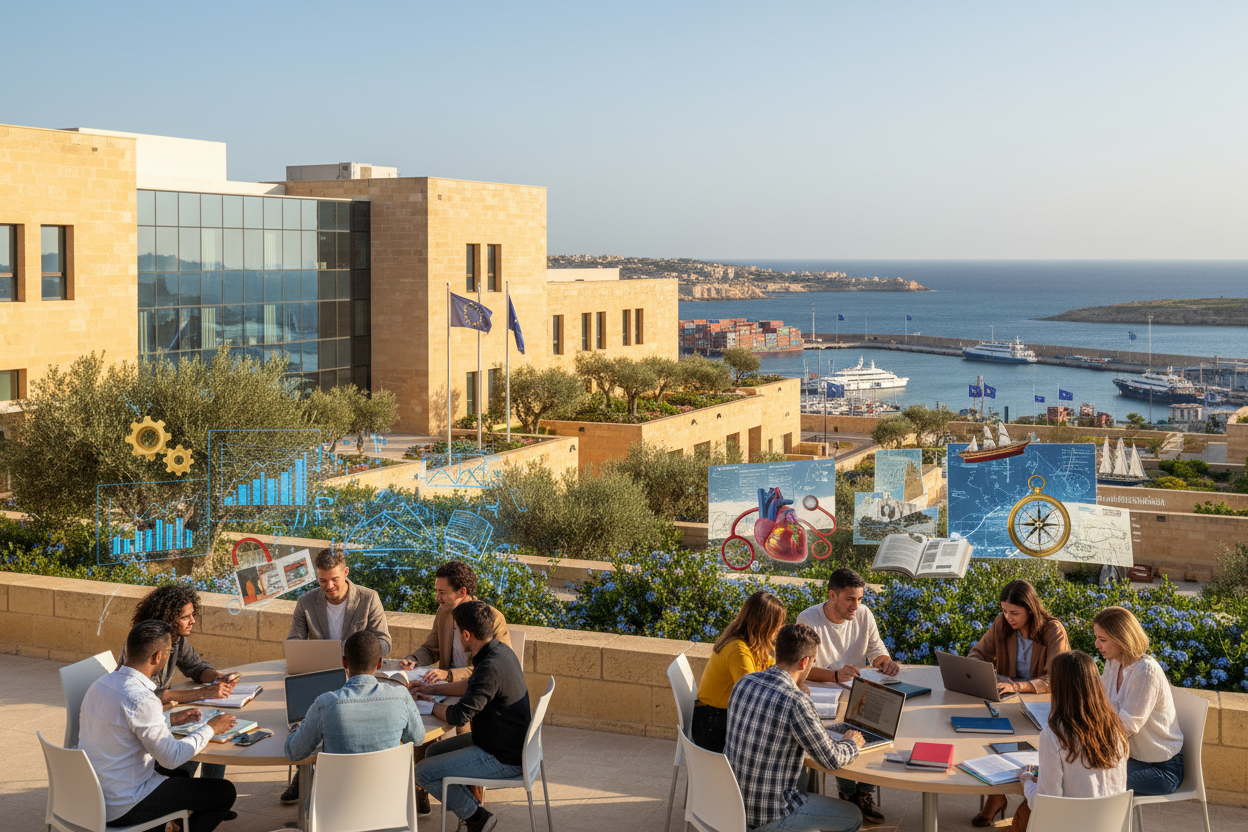
Malta’s higher education sector has experienced remarkable growth in recent years, transforming the island into a legitimate study destination for international students. The University of Malta, the country’s flagship institution, has a history dating back to 1592, making it one of the oldest universities in the Commonwealth.
The university offers a comprehensive range of undergraduate and postgraduate programs, many taught entirely in English. Popular fields include business, engineering, medicine, and maritime studies, taking advantage of Malta’s strategic location and economic strengths. The medical school, in particular, has gained international recognition and attracts students from across Europe and beyond.
Beyond the University of Malta, several private higher education institutions have established campuses on the island. The American University of Malta offers American-style liberal arts education, while various European universities have set up satellite campuses to take advantage of Malta’s favorable business environment and English-speaking population.
The government has also invested heavily in vocational education through the Malta College of Arts, Science and Technology (MCAST), which offers practical, career-focused programs in fields ranging from information technology to hospitality management.
Benefits of Studying in Malta’s International Programs
Choosing Malta for education, particularly through international programs, offers numerous advantages that extend well beyond academic achievement. The island’s unique position as a bridge between Europe, Africa, and the Middle East creates opportunities for cultural exchange and global networking that are difficult to replicate elsewhere.
The multilingual environment is perhaps one of the greatest benefits. Students naturally develop proficiency in multiple languages, with English serving as the primary medium of instruction while exposure to Maltese, Italian, and other European languages is commonplace. This linguistic diversity opens doors to universities and careers across multiple continents.
Malta’s membership in the European Union provides students with access to EU universities and programs, often at preferential rates. Many Maltese students successfully transition to prestigious universities in the UK, Germany, Netherlands, and other EU countries, using their Malta-based education as a springboard.
The island’s safety and quality of life also contribute significantly to the educational experience. Malta consistently ranks among the safest countries in the world, allowing students to focus on their studies without security concerns. The Mediterranean climate and outdoor lifestyle provide a healthy balance to academic pursuits.
Challenges and Considerations
While Malta’s education system offers many advantages, prospective students and families should be aware of certain challenges. The small size of the island means that educational options, while diverse, are ultimately limited compared to larger countries. Students seeking highly specialized programs might need to look elsewhere for certain fields of study.
The cost of living in Malta has risen significantly in recent years, particularly housing costs. While education fees might be reasonable, families need to factor in accommodation, transportation, and general living expenses when budgeting for education in Malta.
Competition for places in the most prestigious schools can be intense, particularly for international schools. Early application and sometimes waiting lists are common, so families planning to move to Malta should begin the school application process well in advance.
Future Prospects and Developments
Malta’s education sector continues to evolve rapidly, with significant investments in technology, infrastructure, and program development. The government has announced plans for further expansion of higher education offerings, including partnerships with additional international universities.
Digital learning initiatives have accelerated, particularly following the COVID-19 pandemic, with many schools now offering hybrid learning options and advanced online resources. This technological integration positions Malta well for future educational trends and remote learning opportunities.
The growing presence of international businesses, particularly in fintech, gaming, and blockchain industries, is creating new demand for specialized educational programs. Several institutions are developing curricula specifically designed to meet these emerging industry needs.
Malta’s education system represents a compelling blend of tradition and innovation, local culture and international perspective. Whether through state schools that celebrate Maltese heritage while preparing students for global opportunities, private institutions offering specialized approaches, or international schools providing world-class education, Malta has established itself as a serious educational destination. For families considering Malta as their educational base, the combination of quality instruction, multilingual environment, EU access, and Mediterranean lifestyle creates an attractive package that’s hard to match elsewhere in Europe.
 English
Leave a Reply