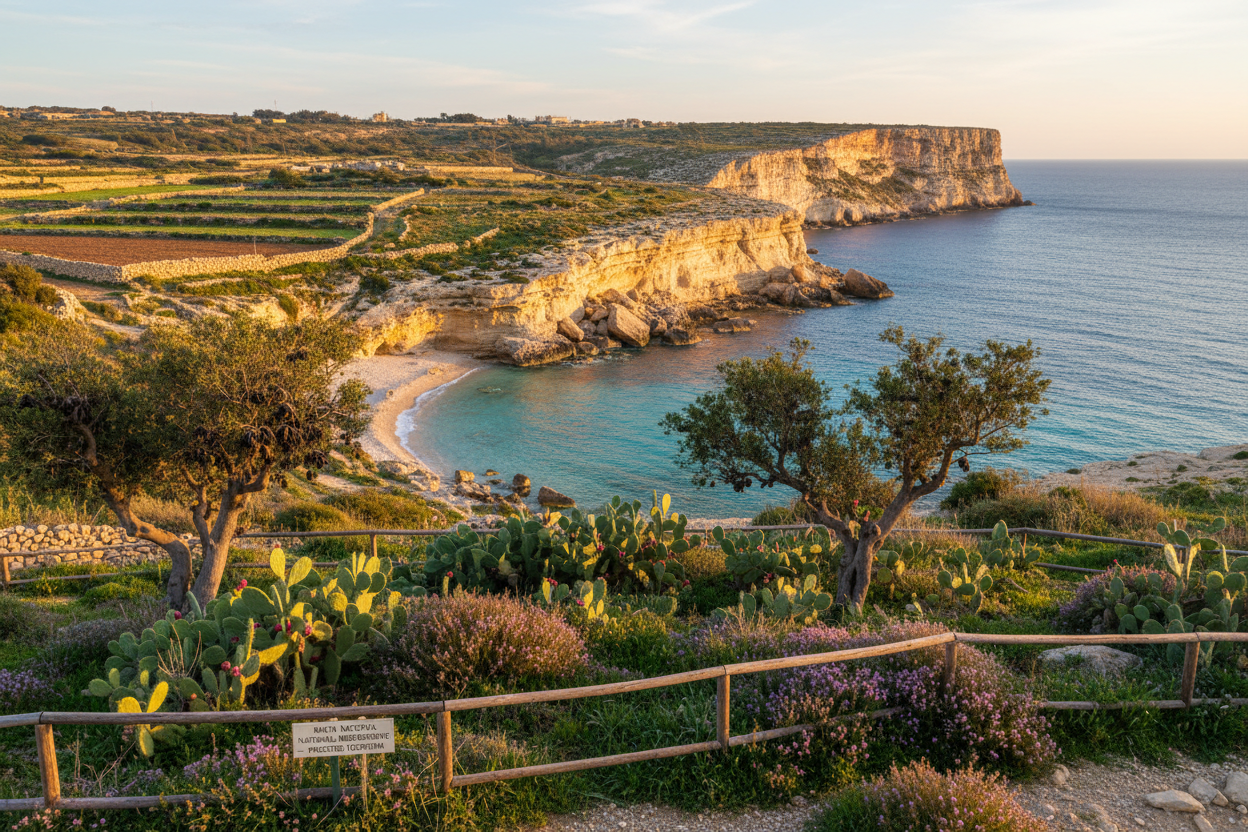
Malta Environmental Conservation: Protecting Paradise Through Nature Reserves and Conservation Efforts
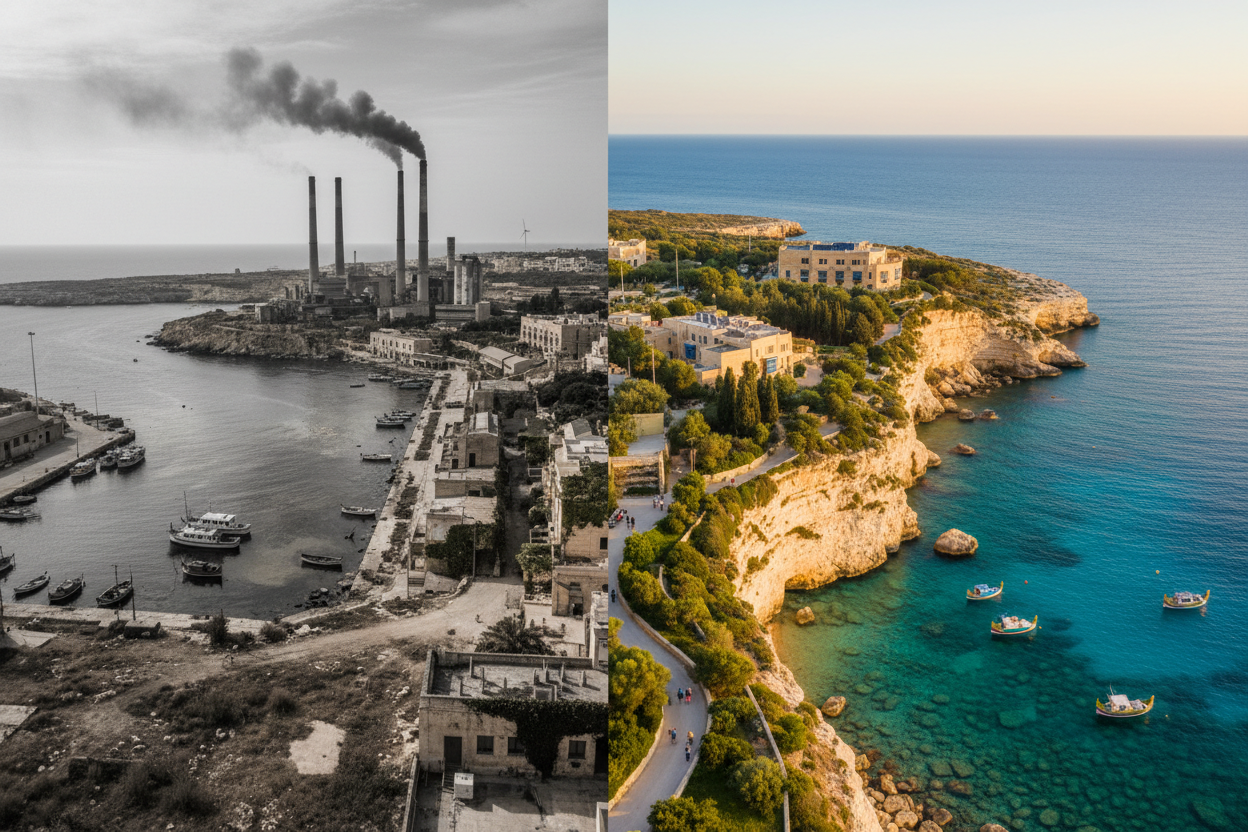
Nestled in the heart of the Mediterranean, Malta may be one of Europe’s smallest nations, but its commitment to environmental conservation packs a mighty punch. This archipelago of limestone islands has transformed from a heavily industrialized landscape to a beacon of sustainable tourism and biodiversity protection. As someone who has witnessed Malta’s environmental journey firsthand, I can tell you that the island’s dedication to preserving its natural heritage is nothing short of remarkable.
Malta’s unique position as a stepping stone between Europe and Africa has created an extraordinary ecosystem that supports both resident and migratory species. Despite covering just 316 square kilometers, this Mediterranean gem hosts an impressive array of flora and fauna, much of which is now carefully protected through an extensive network of nature reserves and conservation initiatives.
The Foundation of Malta’s Environmental Protection Strategy
Malta’s environmental conservation efforts are built on a robust legal framework that has evolved significantly over the past three decades. The Environment and Resources Authority (ERA) serves as the primary guardian of the islands’ natural heritage, implementing policies that balance development needs with ecological preservation.
The country’s approach to environmental protection is comprehensive, addressing everything from marine ecosystems to terrestrial habitats. What makes Malta’s strategy particularly effective is its integration of European Union environmental directives with local conservation needs, creating a tailored approach that respects both international standards and indigenous ecological requirements.
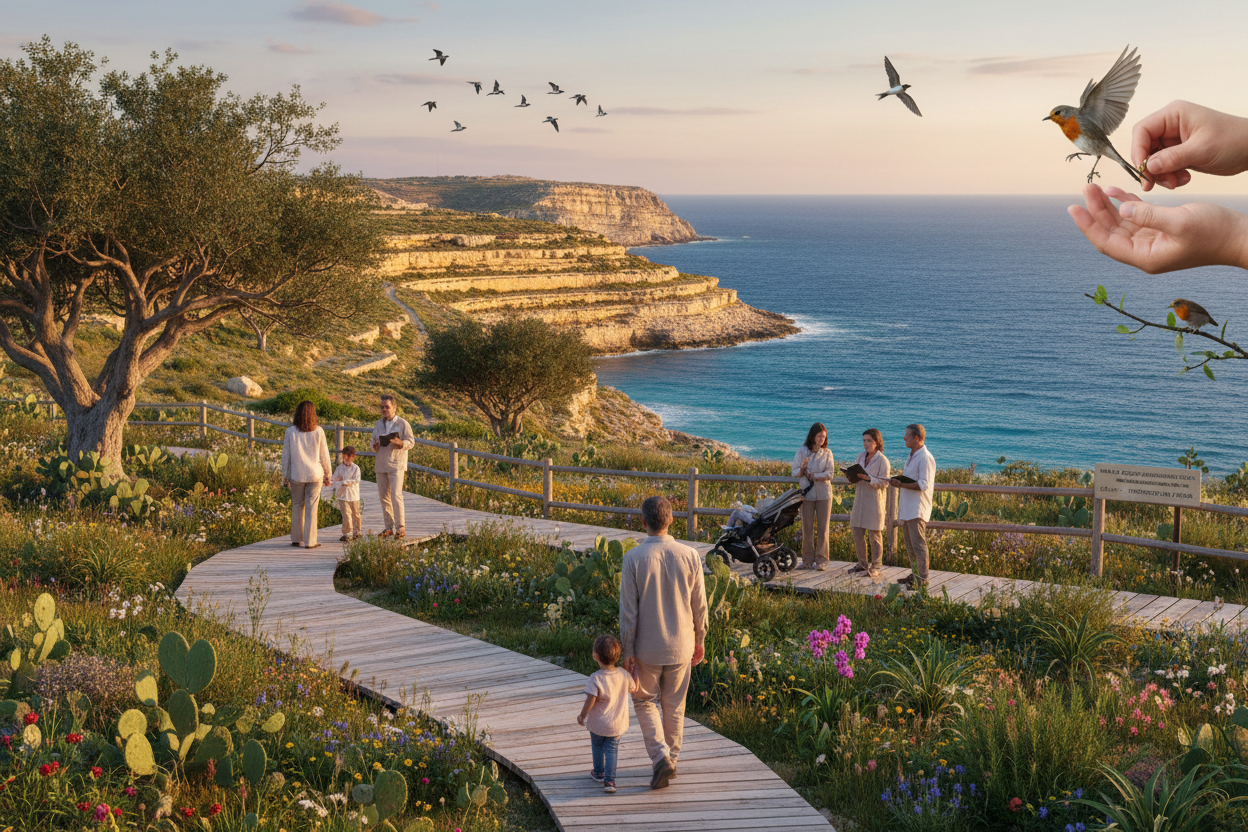
The Maltese government has designated approximately 30% of its territory as protected areas, an impressive feat for such a densely populated nation. This commitment demonstrates that small countries can indeed make significant contributions to global conservation efforts when proper planning and community engagement are prioritized.
Malta’s Premier Nature Reserves: Guardians of Biodiversity
Buskett Gardens and Verdala Palace Grounds
Buskett Gardens stands as Malta’s largest woodland area, covering roughly 50 hectares of carefully managed forest ecosystem. This remarkable reserve showcases what dedicated conservation can achieve, transforming what was once a hunting ground into a thriving habitat for numerous bird species and endemic plants.
The gardens serve multiple conservation purposes, functioning as both a recreational area for locals and a crucial stopover point for migratory birds during their Mediterranean crossing. During autumn migration, birdwatchers can observe dozens of species taking refuge in these protected woodlands, including the colorful European Bee-eater and various warbler species.
What strikes me most about Buskett is how it demonstrates Malta’s commitment to creating green spaces that serve both wildlife and human communities. The careful balance between public access and habitat protection shows that conservation doesn’t require complete isolation from human activity.
Filfla Island: A Fortress of Endemic Species
Perhaps no other location better exemplifies Malta’s dedication to species protection than Filfla Island. This small, uninhabited islet located five kilometers southwest of Malta has been transformed from a military target practice site into one of the Mediterranean’s most important seabird sanctuaries.
Filfla is home to the endemic Maltese Wall Lizard, a species found nowhere else on Earth. The island’s protection has allowed this unique reptile to thrive, serving as a living laboratory for evolutionary biology research. The surrounding marine protected area extends the conservation benefits underwater, protecting important fish nursery grounds and maintaining the marine food web that supports the island’s bird populations.
The restoration of Filfla represents one of conservation’s greatest success stories in the Mediterranean. From a barren, bombed landscape to a thriving ecosystem in just a few decades, this transformation proves that dedicated protection efforts can reverse even severe environmental damage.
Ghadira Nature Reserve: Wetland Wonder
Malta’s Ghadira Nature Reserve protects the islands’ most significant freshwater habitat, a rare and precious ecosystem in this arid Mediterranean climate. This 6-hectare reserve encompasses a series of freshwater pools, reed beds, and surrounding garrigue habitat that supports an incredible diversity of wildlife.
The reserve serves as a critical stopover for thousands of migratory birds each year, with over 200 species recorded within its boundaries. During peak migration periods, the small pools teem with waterfowl, waders, and passerines, creating spectacular birdwatching opportunities that attract nature enthusiasts from across Europe.
What makes Ghadira particularly special is its role in environmental education. The reserve’s visitor center and guided tours help locals and tourists understand the importance of wetland conservation, fostering a new generation of environmental stewards who will continue Malta’s conservation legacy.
Marine Protected Areas: Safeguarding Malta’s Underwater Treasures
Malta’s commitment to environmental conservation extends far beyond its terrestrial boundaries. The country has established several marine protected areas that safeguard crucial underwater ecosystems, including seagrass meadows, rocky reefs, and important fish spawning grounds.
The marine reserves around the Maltese Islands protect some of the Mediterranean’s most pristine underwater landscapes. These areas serve as nurseries for commercially important fish species while maintaining the ecological balance that supports Malta’s tourism-dependent diving industry.
One of the most successful marine conservation initiatives has been the establishment of fish aggregating devices and artificial reefs, which provide habitat for marine life while reducing pressure on natural reef systems. These innovative approaches demonstrate how conservation can work hand-in-hand with sustainable economic development.
Endemic Flora: Protecting Malta’s Botanical Heritage
Malta’s plant life tells a fascinating story of adaptation and survival in a harsh Mediterranean environment. The islands host several endemic species that have evolved unique characteristics to cope with intense summer heat, salt spray, and limited freshwater availability.
The Maltese Rock-centaury, Malta’s national plant, exemplifies the remarkable adaptability of the islands’ flora. This small, purple-flowered herb grows exclusively on Malta’s limestone cliffs, where it has developed specialized root systems to extract moisture from rock crevices.
Conservation efforts for Malta’s endemic plants involve both in-situ protection through habitat preservation and ex-situ conservation through seed banking and cultivation programs. These dual approaches ensure that even if wild populations face threats, genetic material remains available for future restoration efforts.
Community Engagement and Environmental Education
One of Malta’s greatest conservation successes lies in its ability to engage local communities in environmental protection efforts. Environmental education programs in schools, community conservation projects, and volunteer monitoring initiatives have created a culture of environmental awareness that extends far beyond government agencies.
Local environmental organizations like BirdLife Malta and Nature Trust Malta play crucial roles in conservation efforts, conducting research, managing reserves, and advocating for stronger environmental protections. These organizations demonstrate how civil society can effectively complement government conservation initiatives.
The transformation in public attitudes toward environmental protection has been remarkable to witness. Where once development was seen as the only path to prosperity, Maltese communities now recognize that environmental conservation and sustainable tourism can provide long-term economic benefits while preserving the islands’ natural heritage for future generations.
Challenges and Future Directions
Despite significant progress, Malta’s environmental conservation efforts face ongoing challenges. Urban development pressure, climate change impacts, and the need to balance conservation with economic development require constant vigilance and adaptive management strategies.
Rising sea levels and increasing storm intensity threaten coastal habitats, while changing precipitation patterns affect freshwater ecosystems. Malta’s conservation community is responding to these challenges through climate adaptation planning and ecosystem-based management approaches that build resilience into natural systems.
The future of Malta’s environmental conservation lies in continued innovation, international cooperation, and community engagement. Emerging technologies like environmental DNA monitoring and satellite-based habitat assessment are providing new tools for conservation management, while regional cooperation initiatives help protect migratory species across their full range.
Conclusion: A Small Island’s Big Conservation Impact
Malta’s environmental conservation story proves that size doesn’t determine impact when it comes to protecting our planet’s natural heritage. Through dedicated protection of nature reserves, innovative marine conservation initiatives, and strong community engagement, this small Mediterranean nation has created a model for sustainable environmental stewardship.
The transformation of Malta’s landscape from heavily exploited to carefully protected demonstrates what can be achieved when conservation becomes a national priority. As climate change and biodiversity loss threaten ecosystems worldwide, Malta’s experience offers valuable lessons about the power of comprehensive conservation planning, community involvement, and adaptive management.
For visitors and residents alike, Malta’s nature reserves and protected areas provide not just recreational opportunities, but also hope for the future. They remind us that with dedication, scientific knowledge, and community support, we can create spaces where both wildlife and humans can thrive together. Malta’s environmental conservation journey continues, serving as an inspiration for small nations everywhere that are working to protect their natural heritage while building sustainable futures for their communities.
 English
Leave a Reply