Malta Cycling Routes: Bike Tours and Rental Options
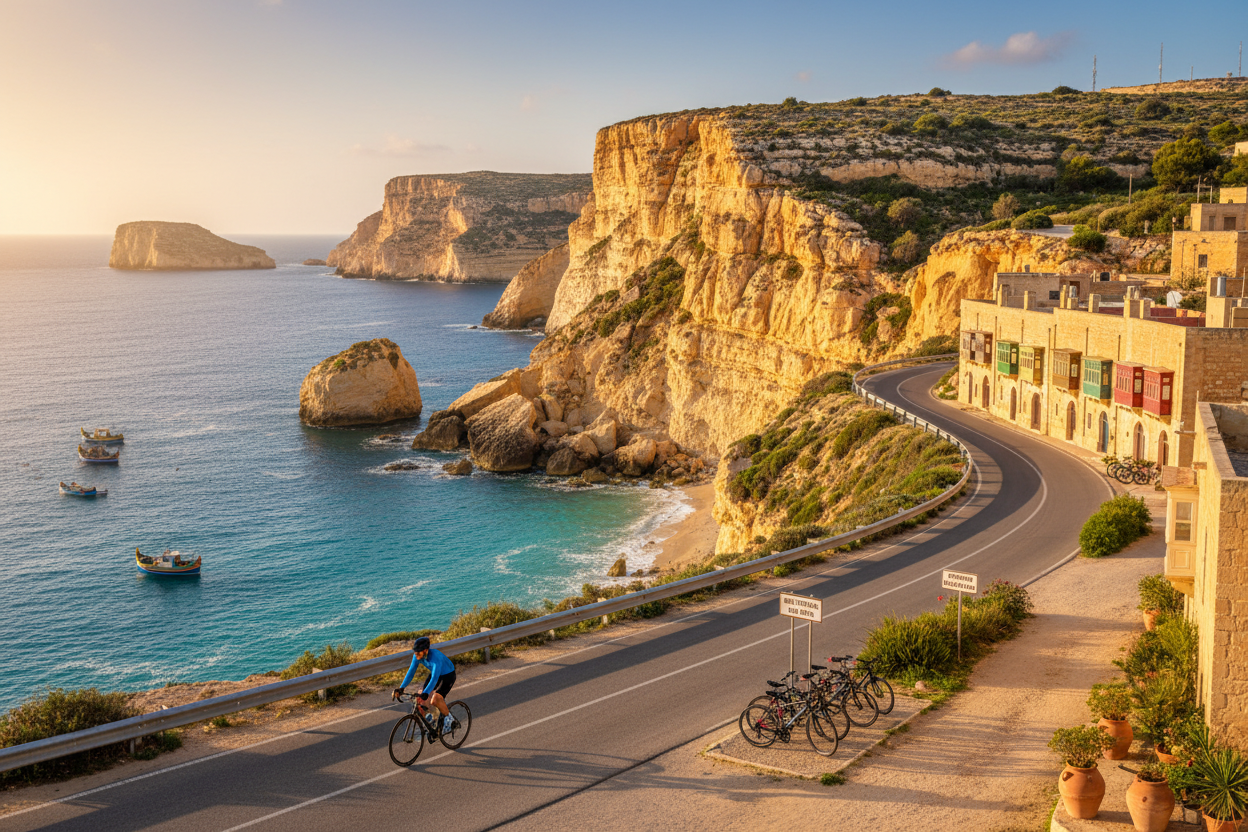
Nestled in the heart of the Mediterranean, Malta offers an unexpectedly delightful cycling experience that combines ancient history, stunning coastal views, and charming countryside. While this compact archipelago might be small in size, it packs an incredible punch when it comes to diverse cycling opportunities. Whether you’re a seasoned cyclist seeking challenging terrain or a casual rider looking for scenic family-friendly routes, Malta’s cycling infrastructure and natural beauty provide the perfect backdrop for unforgettable two-wheeled adventures.
The islands of Malta, Gozo, and Comino present a unique cycling destination where you can pedal through 7,000 years of history, from prehistoric temples to medieval fortifications, all while enjoying the warm Mediterranean climate and breathtaking sea views. With improved cycling infrastructure and a growing network of dedicated bike paths, Malta has transformed into a cyclist’s paradise that deserves a spot on every cycling enthusiast’s bucket list.
Best Malta Cycling Routes for Every Skill Level
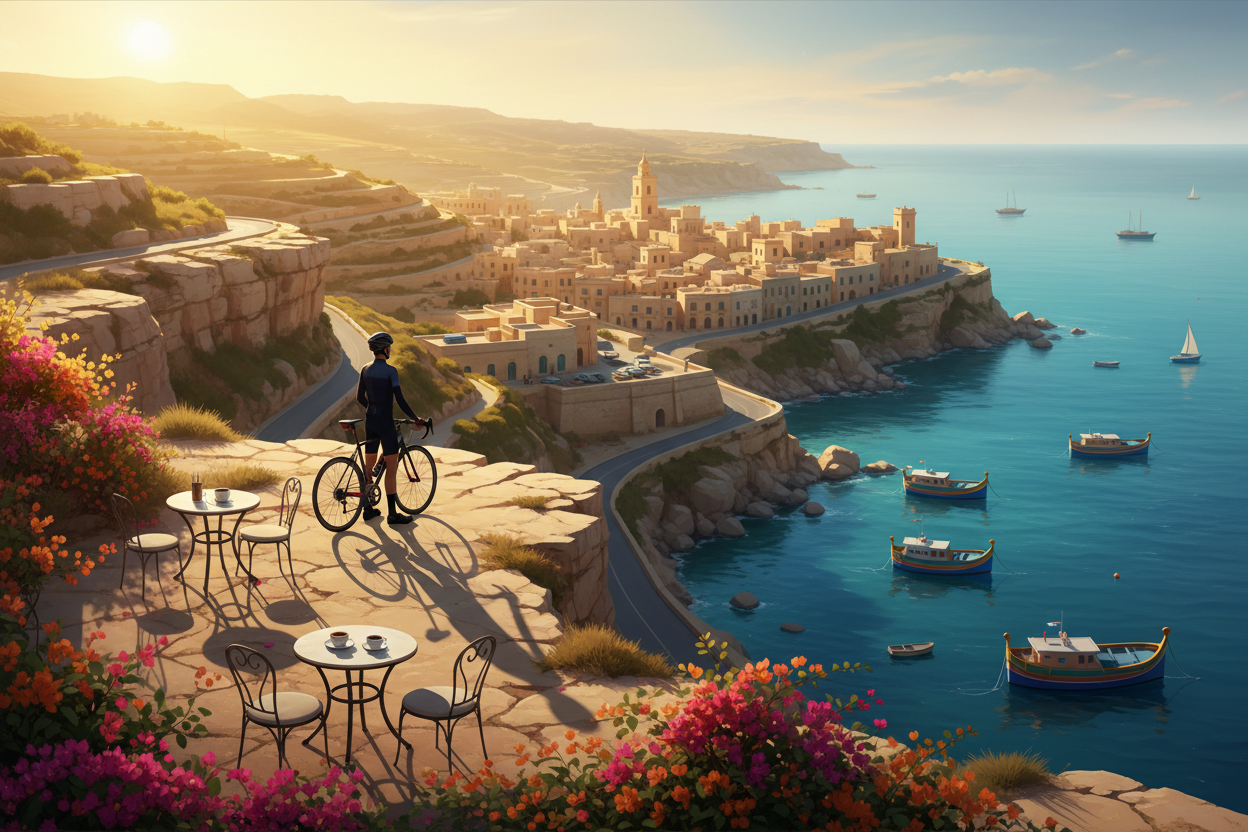
Malta’s diverse landscape offers cycling routes that cater to riders of all abilities. The island’s compact size means you’re never far from your next adventure, whether you prefer coastal paths with sea breezes or inland routes through traditional villages and terraced fields.
For beginners and families, the Marsa to Birzebbuga coastal route provides a gentle introduction to Maltese cycling. This relatively flat 12-kilometer path follows the eastern coastline, offering stunning views of the Grand Harbour and Marsaxlokk Bay. The route passes through several fishing villages where you can stop for traditional pastizzi or fresh seafood, making it as much a cultural experience as a physical one.
Intermediate cyclists will find the Mdina to Dingli Cliffs route particularly rewarding. This 15-kilometer journey takes you from Malta’s ancient capital through rural landscapes to some of the highest points on the island. The route includes gentle climbs and descents, with the spectacular Dingli Cliffs offering panoramic views that stretch to the neighboring island of Filfla. The medieval atmosphere of Mdina provides a magical starting point, while the dramatic clifftop scenery creates perfect photo opportunities.
Advanced riders seeking a challenge should tackle the Three Cities circuit, which combines historical exploration with demanding urban cycling. This route winds through Vittoriosa, Senglea, and Cospicua, featuring steep climbs and narrow streets that reward cyclists with incredible harbor views and architectural marvels. The technical nature of this route, combined with its historical significance, makes it a favorite among experienced cyclists who appreciate both physical challenges and cultural immersion.
Exploring Gozo by Bicycle
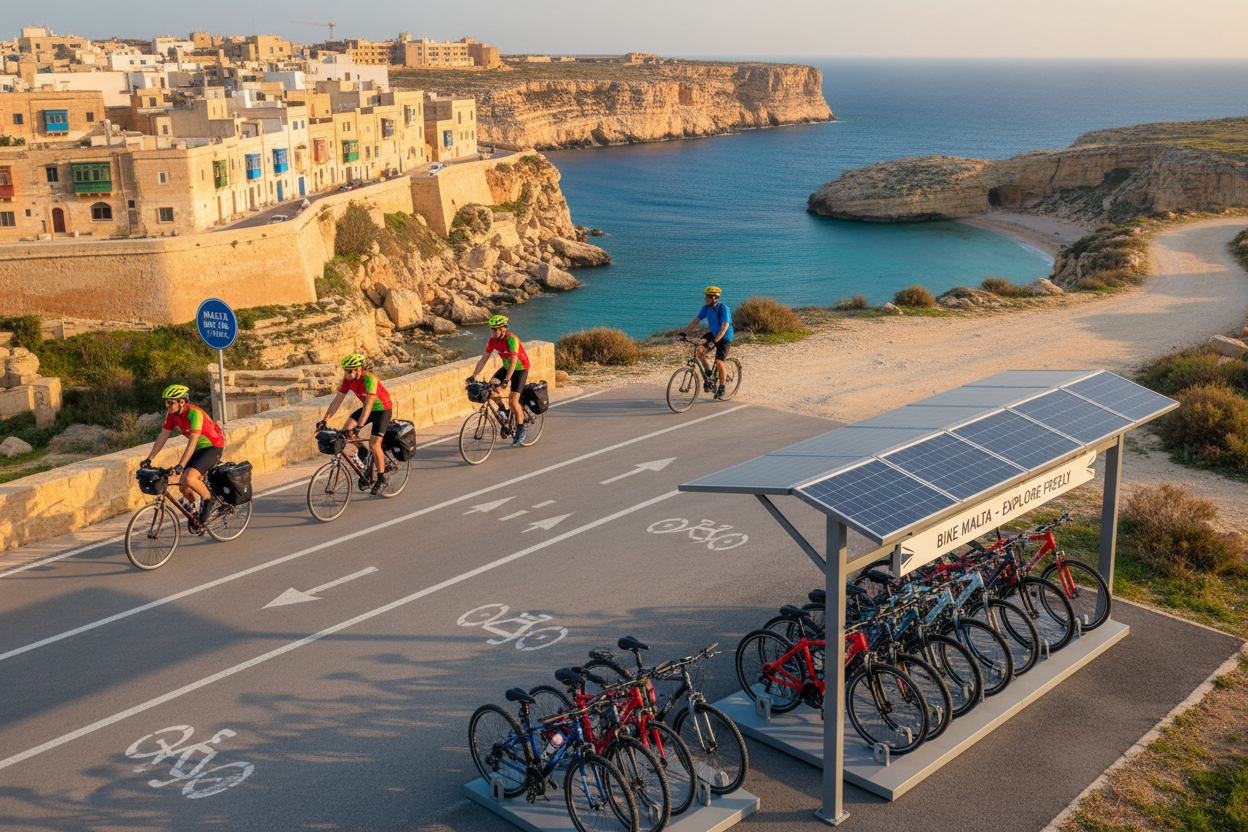
Gozo, Malta’s sister island, offers a completely different cycling experience that many consider superior to the main island. With less traffic, more varied terrain, and an even more relaxed atmosphere, Gozo provides the perfect escape for cyclists seeking tranquility and natural beauty.
The Victoria to Ramla Bay route stands out as Gozo’s most popular cycling path. This scenic journey takes you from the island’s capital through the picturesque Nadur countryside to one of the Mediterranean’s most beautiful beaches. The route features rolling hills, traditional farmland, and stunning coastal views, with Ramla’s golden sand providing the perfect reward for your efforts.
For those seeking dramatic landscapes, the Xlendi to Dwejra route offers some of the most spectacular scenery in the Maltese Islands. This challenging ride takes you along Gozo’s western coast, passing through the village of San Lawrenz before reaching the famous Azure Window site at Dwejra. While the natural arch collapsed in 2017, the area remains breathtakingly beautiful, with unique geological formations and crystal-clear waters creating an otherworldly cycling experience.
The Ta’ Pinu to Gharb circular route provides insight into Gozo’s spiritual and agricultural heritage. Starting at the famous basilica of Ta’ Pinu, this moderate ride takes you through traditional farming communities where you’ll see ancient terraced fields still in use today. The route offers glimpses of traditional Gozitan life that has remained largely unchanged for generations.
Guided Bike Tours vs Independent Cycling
Deciding between guided tours and independent cycling depends on your preferences, experience level, and desire for local insights. Both options have distinct advantages that can enhance your Maltese cycling adventure in different ways.
Guided bike tours offer invaluable local knowledge that transforms a simple ride into an educational journey. Professional guides share fascinating stories about Malta’s complex history, point out hidden gems you might otherwise miss, and provide insights into local culture and traditions. Many tour operators offer specialized themes, such as historical tours that focus on Malta’s role in World War II, or culinary tours that combine cycling with visits to local markets and traditional restaurants.
The safety aspect of guided tours cannot be overstated, particularly for first-time visitors unfamiliar with local traffic patterns and road conditions. Experienced guides know the safest routes, understand local driving habits, and can navigate the sometimes confusing network of narrow streets and roundabouts that characterize Maltese roads. Additionally, guided tours typically include mechanical support, ensuring that minor bike issues don’t derail your adventure.
Independent cycling, on the other hand, offers complete freedom to explore at your own pace and follow your interests. You can stop whenever something catches your eye, take detours to investigate interesting side streets, or simply find a quiet spot to enjoy the Mediterranean sunshine. This flexibility is particularly valuable for photographers or those who prefer a more spontaneous approach to travel.
Many experienced cyclists find that a combination approach works best: starting with a guided tour to get oriented and learn about the best routes, then spending additional days exploring independently. This strategy maximizes both learning and freedom while ensuring you make the most of your time in Malta.
Bike Rental Services and What to Expect
Malta’s bike rental industry has evolved significantly in recent years, with numerous operators offering everything from basic city bikes to high-end road and mountain bikes. Understanding your options and what to expect from different rental services will help ensure you choose the right equipment for your cycling adventure.
Most rental shops in Malta offer standard hybrid bikes that work well for casual touring and moderate terrain. These bikes typically feature comfortable upright riding positions, multiple gears for handling hills, and practical accessories like baskets or panniers for carrying belongings. Rental rates generally range from 10 to 20 euros per day, with significant discounts available for weekly rentals.
For more serious cyclists, several shops specialize in high-quality road bikes and mountain bikes. These premium rentals often include carbon fiber frames, professional-grade components, and proper fitting services to ensure optimal comfort and performance. While more expensive, typically costing 25 to 50 euros per day, these bikes make a significant difference for longer rides or challenging terrain.
Electric bikes have become increasingly popular in Malta, particularly among older riders or those concerned about the island’s hilly terrain. E-bikes allow you to cover greater distances with less effort while still enjoying the exercise and fresh air of cycling. Most rental shops now offer quality e-bikes, though advance booking is recommended due to high demand.
When renting a bike in Malta, expect rental shops to require identification and often a security deposit. Most reputable operators provide helmets, basic tools, and route maps as part of the rental package. It’s worth asking about additional services like delivery to your hotel, GPS devices, or emergency support, as many shops offer these conveniences for an additional fee.
Essential Tips for Cycling in Malta
Successful cycling in Malta requires some preparation and understanding of local conditions. The Mediterranean climate, unique traffic patterns, and island geography all influence your cycling experience in ways that might differ from your home country.
Timing your rides appropriately makes an enormous difference in comfort and safety. Summer temperatures in Malta can exceed 35 degrees Celsius, making midday cycling extremely challenging and potentially dangerous. The best cycling times are early morning or late afternoon, when temperatures are more moderate and the light is perfect for photography. Winter cycling is surprisingly pleasant, with mild temperatures and fewer tourists, though you should be prepared for occasional rain and stronger winds.
Malta’s road network includes many narrow streets and busy roundabouts that require defensive cycling techniques. While Maltese drivers are generally courteous to cyclists, the combination of tourist traffic, local drivers, and sometimes confusing road layouts means staying alert is essential. Always wear bright clothing, use lights when visibility is reduced, and consider high-visibility accessories for busy areas.
Hydration becomes critical in Malta’s warm climate, particularly during longer rides. Carry more water than you think you’ll need, and take advantage of the numerous cafes and shops along most routes to refill bottles and take breaks. Many cyclists underestimate the dehydrating effects of Mediterranean sun and sea breezes.
Navigation in Malta can be tricky due to the prevalence of narrow streets, one-way systems, and sometimes inadequate signage. GPS devices or smartphone apps specifically designed for cycling work well, but it’s also worth carrying a traditional map as backup. Many rental shops provide detailed route maps with points of interest marked, which can be invaluable for planning stops and understanding local geography.
Seasonal Considerations for Malta Cycling
Malta’s Mediterranean climate creates distinct cycling seasons, each offering unique advantages and challenges. Understanding these seasonal variations helps you plan the perfect cycling vacation and set appropriate expectations for weather and conditions.
Spring, from March to May, represents perhaps the ideal time for cycling in Malta. Temperatures range from comfortable to warm without becoming oppressive, wildflowers bloom across the countryside, and tourist crowds remain manageable. This season offers the perfect balance of pleasant weather and uncrowded roads, making it particularly popular among serious cyclists and those seeking a more authentic local experience.
Summer cycling in Malta requires careful planning and realistic expectations. While the long days and guaranteed sunshine appeal to many visitors, temperatures often make cycling uncomfortable or even dangerous during peak hours. However, early morning and evening rides can be magical, with golden light illuminating the limestone architecture and calm seas providing perfect reflections. Summer also offers the advantage of extended daylight hours, allowing for longer adventures.
Autumn brings some of Malta’s most pleasant cycling weather, with warm but not excessive temperatures and generally stable conditions. September and October are particularly popular among cycling enthusiasts, as the sea remains warm for post-ride swimming while air temperatures become more comfortable for extended physical activity.
Winter cycling in Malta surprises many visitors with its mildness and appeal. While you might encounter occasional rain and stronger winds, temperatures rarely drop below comfortable cycling levels. Winter offers the advantage of having popular routes largely to yourself, allowing for peaceful exploration of Malta’s attractions without crowds. The lower sun angle creates dramatic lighting conditions that photographers particularly appreciate.
Conclusion
Malta’s cycling opportunities offer something truly special for riders of all levels and interests. From the historical richness of routes through ancient cities to the natural beauty of coastal paths and rural landscapes, cycling provides an intimate way to experience these remarkable Mediterranean islands. The combination of compact distances, diverse terrain, and rich cultural heritage creates cycling adventures that satisfy both physical and intellectual curiosity.
Whether you choose guided tours with expert local knowledge or prefer the freedom of independent exploration, Malta’s improved cycling infrastructure and welcoming rental services make it easier than ever to discover the islands on two wheels. The key to a successful Malta cycling experience lies in choosing routes appropriate to your skill level, timing your rides to match weather conditions, and remaining open to the unexpected discoveries that make cycling such a rewarding way to travel.
As you plan your Malta cycling adventure, remember that the journey itself often proves more rewarding than reaching any specific destination. The opportunity to pause at a clifftop viewpoint, explore a hidden village, or simply enjoy a coffee while watching Mediterranean life unfold around you represents the true magic of cycling in Malta. These islands reward curious travelers with experiences that linger long after the vacation ends, creating memories that inspire return visits and recommendations to fellow cycling enthusiasts.
 English
Leave a Reply