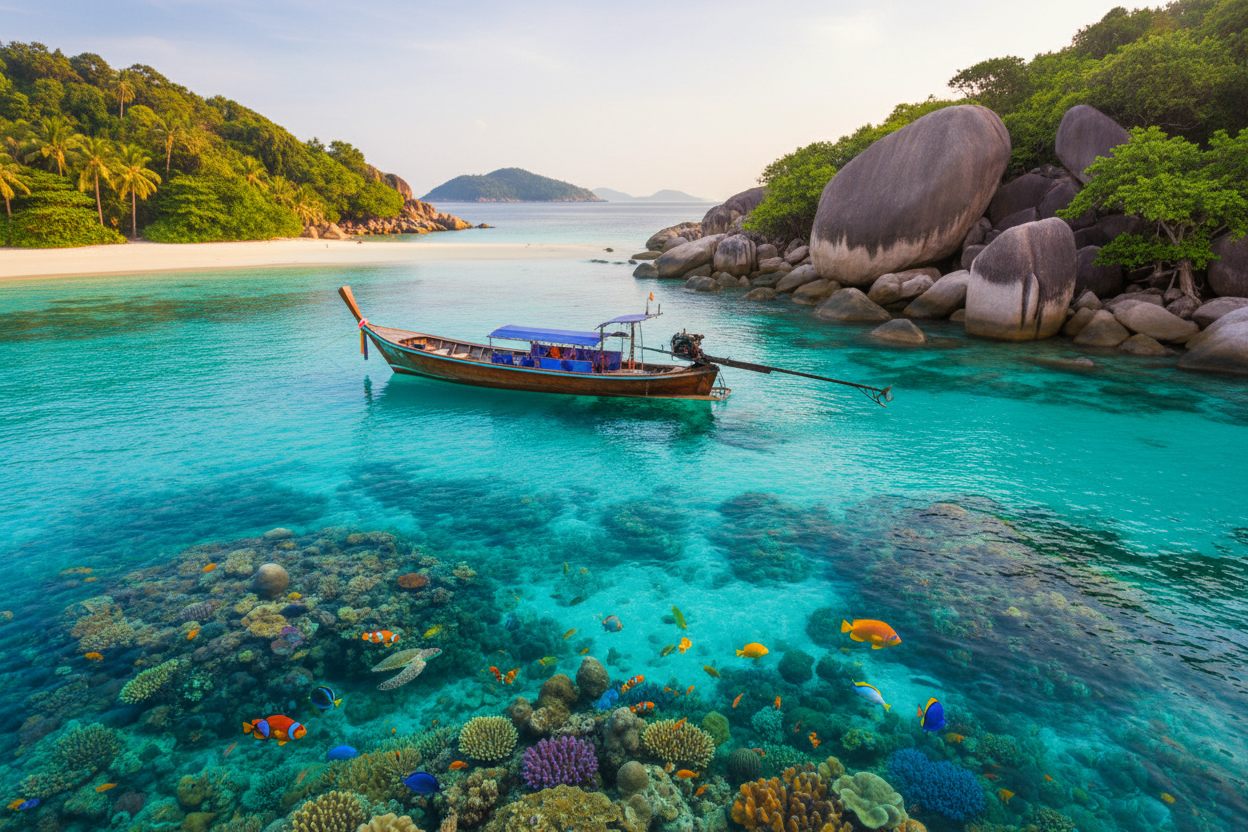
Nestled in the crystal-clear waters of the Andaman Sea, the Similan Islands represent one of Thailand’s most pristine marine ecosystems and a shining example of sustainable tourism done right. This archipelago of nine granite islands has captured the hearts of environmentally conscious travelers worldwide, offering an unparalleled glimpse into nature’s underwater masterpiece while maintaining strict conservation protocols that protect its delicate ecosystem for future generations.
What makes the Similan Islands truly special isn’t just their breathtaking beauty – though the powder-white beaches and turquoise waters certainly don’t hurt – it’s their commitment to preserving the natural world that exists both above and below the waterline. As eco-tourism continues to gain momentum globally, these islands have emerged as a gold standard for how destinations can balance visitor access with environmental protection.
Understanding Eco-Tourism in the Similan Islands
The Similan Islands National Park, established in 1982, encompasses approximately 140 square kilometers of protected marine and terrestrial habitat. The Thai government’s approach to managing this natural treasure demonstrates how thoughtful regulation can create a sustainable tourism model that benefits both the environment and local communities.
Eco-tourism here isn’t just a marketing buzzword – it’s a carefully orchestrated system that limits daily visitor numbers, restricts access during turtle nesting seasons, and requires all tour operators to follow strict environmental guidelines. The park typically closes from May to October each year, allowing the ecosystem to regenerate and marine life to reproduce without human interference.
This seasonal closure might seem inconvenient to some travelers, but it’s precisely this kind of forward-thinking management that has kept the Similan Islands’ coral reefs healthy and vibrant when many other tropical destinations have suffered from overtourism and environmental degradation.
Marine Biodiversity and Conservation Efforts
The underwater world surrounding the Similan Islands reads like a marine biologist’s dream journal. Home to over 500 species of fish and 26 types of coral, these waters support an incredibly diverse ecosystem that includes whale sharks, manta rays, sea turtles, and countless colorful reef fish species.
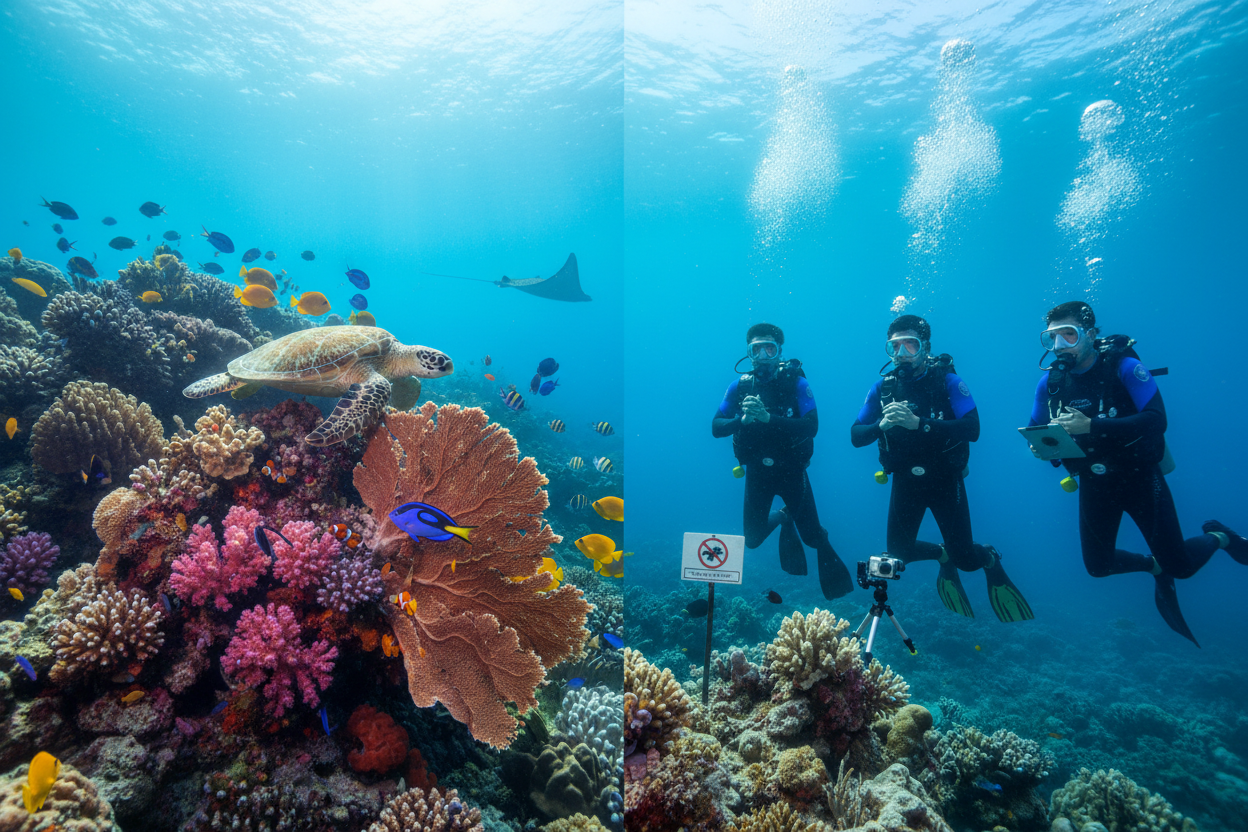
What’s particularly remarkable about the Similan Islands is how conservation efforts have actually enhanced the visitor experience rather than diminishing it. The strict no-fishing zones have allowed fish populations to flourish, creating some of the most spectacular snorkeling and diving opportunities in Southeast Asia. Visitors often report seeing more marine life here in a single day than they’ve encountered during entire weeks at other tropical destinations.
The park authorities work closely with marine biologists and conservation organizations to monitor coral health, track endangered species populations, and implement protective measures when needed. Recent initiatives have included coral restoration projects, plastic waste reduction programs, and educational campaigns that help visitors understand their role in protecting this fragile ecosystem.
Sustainable Tourism Practices
The Similan Islands have implemented numerous sustainable tourism practices that serve as a model for other destinations worldwide. Tour operators must obtain special licenses and agree to follow strict guidelines regarding group sizes, anchoring procedures, and waste management. Many operators have gone beyond the minimum requirements, investing in eco-friendly boats, providing reusable water bottles to guests, and training guides in marine conservation principles.
Accommodation options on the islands are deliberately limited and designed to minimize environmental impact. The few camping facilities available use solar power, composting toilets, and rainwater collection systems. This rustic approach might not appeal to luxury resort seekers, but it creates an authentic connection with nature that many eco-tourists find far more rewarding than five-star amenities.
The park’s approach to visitor education is particularly impressive. Rangers and guides don’t just point out beautiful fish and coral formations – they explain the complex relationships within the marine ecosystem, discuss the challenges facing coral reefs globally, and help visitors understand how their choices as travelers can make a positive difference.
Wildlife Encounters and Natural Wonders
Beyond the incredible marine life, the Similan Islands offer numerous opportunities to observe terrestrial wildlife and geological formations. The islands’ granite boulders, some as large as houses, create dramatic landscapes both above and below water. These rock formations, sculpted by millions of years of wind and waves, provide shelter for various species and create the unique topography that gives each island its distinct character.
Birdwatchers will find plenty to appreciate, with species like the Nicobar pigeon, white-bellied sea eagle, and various kingfisher species calling the islands home. The relatively small size of the islands means that wildlife encounters often feel more intimate and authentic than experiences at larger, more developed destinations.
Night visits reveal an entirely different side of the islands’ ecosystem. Bioluminescent plankton creates natural light shows in the water, while nocturnal creatures emerge from their daytime hiding spots. These after-dark experiences remind visitors that nature operates on its own schedule, independent of human convenience – a humbling and important lesson in our increasingly urbanized world.
Best Practices for Eco-Conscious Visitors
Visiting the Similan Islands as an eco-tourist requires more preparation and mindfulness than a typical beach vacation, but the rewards are immeasurable. Successful eco-tourists here come prepared with reef-safe sunscreen, reusable water bottles, and a genuine curiosity about marine conservation. They choose tour operators based on environmental credentials rather than just price, and they’re willing to follow guidelines that might seem restrictive but are essential for ecosystem protection.
The most impactful visits often involve multiple days, allowing travelers to participate in various activities like snorkeling, diving, hiking, and wildlife observation while developing a deeper appreciation for the islands’ complexity. Single-day trips, while still valuable, barely scratch the surface of what these islands can teach visitors about marine ecosystems and conservation.
Photography enthusiasts should be aware of guidelines regarding flash photography underwater and maintain respectful distances from marine life. The goal is to capture memories and share the islands’ beauty with others while ensuring that the act of documentation doesn’t disturb the very creatures and environments that make the experience special.
Supporting Local Communities Through Eco-Tourism
One of the most compelling aspects of eco-tourism in the Similan Islands is how it supports local communities while protecting the environment. Many tour guides and boat operators come from nearby fishing communities that have transitioned to tourism as fishing restrictions have been implemented to protect marine ecosystems.
This transition represents a success story in sustainable development – former fishermen now earn their livelihoods by sharing their intimate knowledge of local waters and marine life with visitors. Their expertise, gained through generations of living and working on these waters, provides tourists with insights that no guidebook could match while giving local people economic incentives to support conservation efforts.
The economic benefits of eco-tourism extend beyond direct employment. Local communities benefit from increased demand for supplies, transportation services, and accommodation in nearby areas. This creates a positive feedback loop where environmental protection directly supports local prosperity, making conservation a community priority rather than just a government mandate.
Planning Your Eco-Tourism Adventure
Planning a trip to the Similan Islands requires careful consideration of timing, logistics, and personal expectations. The park’s seasonal closure means that visits must be scheduled between November and April, with the best conditions typically occurring from December through March. During peak season, advance booking is essential as daily visitor numbers are strictly limited.
Choosing the right tour operator makes an enormous difference in both the quality of your experience and your environmental impact. Look for operators that are certified by local environmental organizations, maintain small group sizes, and demonstrate genuine commitment to conservation through their practices and educational programs.
Physical preparation is important, especially for snorkeling and diving activities. While the islands cater to various skill levels, being comfortable in the water and having basic swimming abilities will significantly enhance your experience and safety.
Conclusion
The Similan Islands stand as proof that eco-tourism, when implemented thoughtfully and managed carefully, can create win-win situations for travelers, local communities, and the environment. These islands offer something increasingly rare in our modern world – a chance to experience pristine nature while contributing to its protection rather than its destruction.
For travelers seeking more than just beautiful photos and relaxation, the Similan Islands provide an opportunity to engage with one of the world’s most successful marine conservation programs while experiencing some of the planet’s most spectacular underwater environments. The memories created here extend far beyond typical vacation experiences, offering insights into marine ecosystems, conservation challenges, and the positive impact that responsible tourism can have on fragile environments.
As global awareness of environmental issues continues to grow, destinations like the Similan Islands become increasingly valuable – not just as tourist attractions, but as examples of how we can balance human desires to explore and appreciate nature with the critical need to protect it for future generations. Your visit to these remarkable islands isn’t just a vacation; it’s participation in a conservation success story that demonstrates the power of sustainable tourism to create positive change in our world.
 English
Leave a Reply