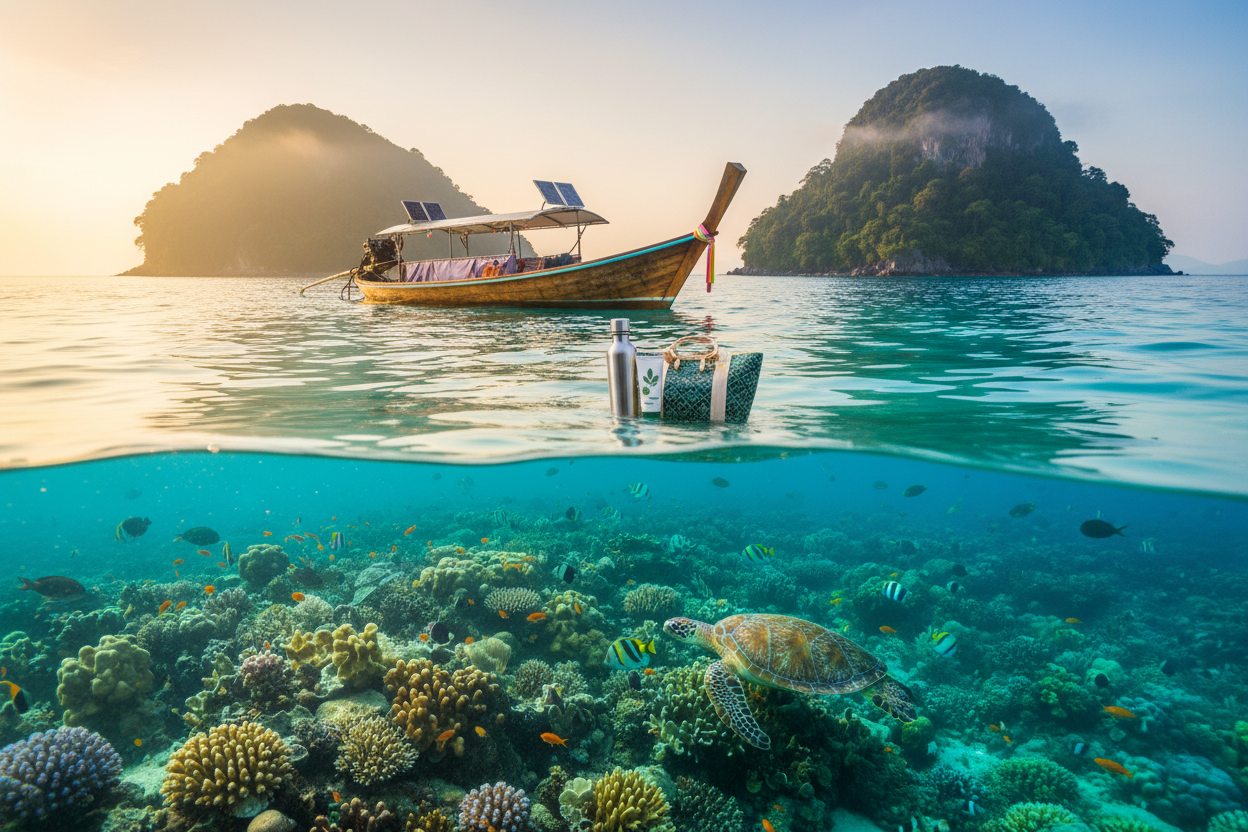
Nestled in the crystal-clear waters of the Andaman Sea, the Similan Islands represent one of Thailand’s most pristine marine ecosystems. This archipelago of nine granite islands has captivated divers, snorkelers, and nature enthusiasts for decades with its vibrant coral reefs, diverse marine life, and untouched tropical beauty. However, with increasing tourism comes the responsibility to protect these fragile environments for future generations.
Sustainable travel in the Similan Islands isn’t just about reducing your environmental impact – it’s about creating meaningful connections with nature while ensuring these spectacular islands remain unspoiled. Whether you’re planning your first visit or returning to explore more of what these islands offer, adopting eco-friendly practices will enhance your experience while preserving this underwater paradise.
Understanding the Similan Islands’ Fragile Ecosystem
The Similan Islands Marine National Park encompasses an area of approximately 140 square kilometers, both above and below water. These islands serve as crucial breeding grounds for sea turtles, home to countless species of tropical fish, and sanctuary for some of the world’s most spectacular coral formations. The granite boulders that give the islands their distinctive appearance create unique underwater topographies that support an incredibly diverse marine ecosystem.
What makes this destination particularly special is its relatively untouched nature compared to other Thai islands. The park authorities have implemented strict regulations to maintain this pristine condition, including seasonal closures and visitor limitations. Understanding these protective measures helps travelers appreciate why sustainable practices are essential for preserving this natural wonder.
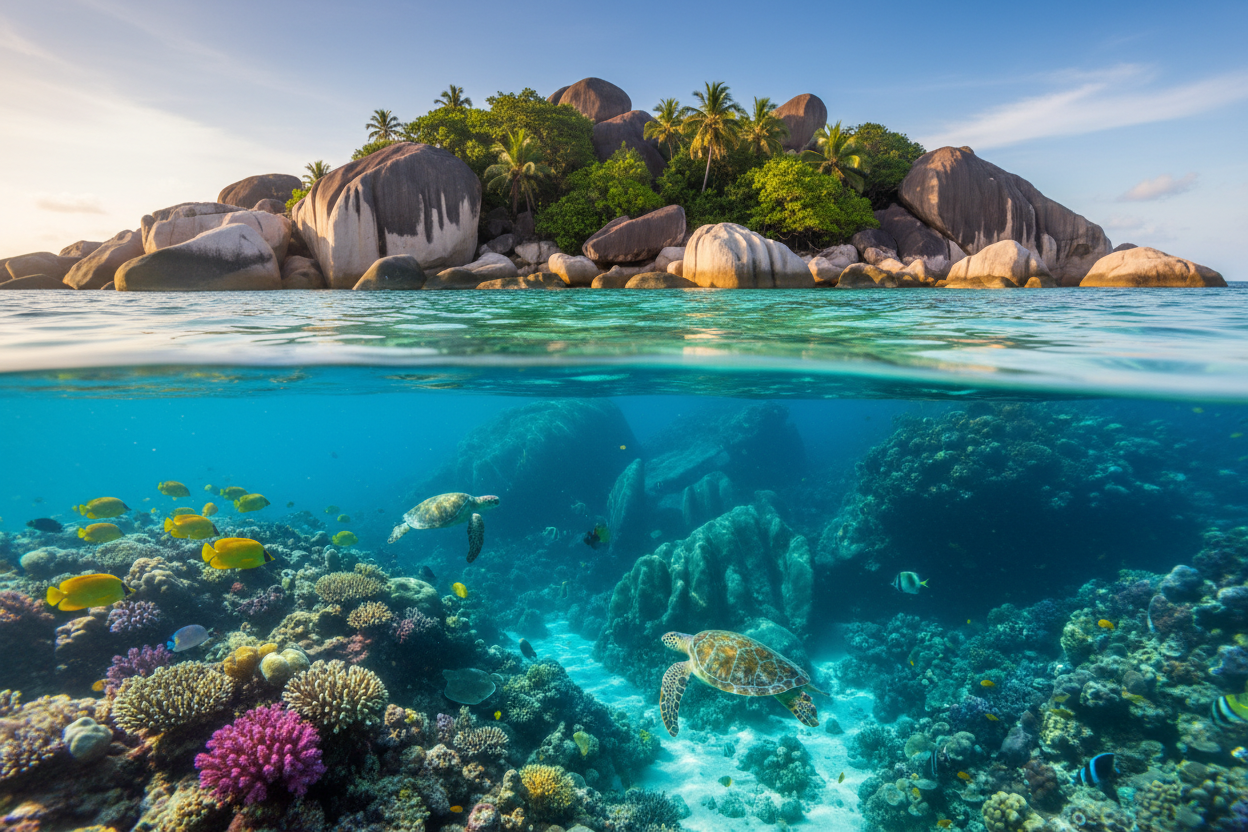
The delicate balance of marine life here includes everything from tiny reef fish to massive whale sharks. Coral reefs, which can take decades to grow just a few inches, provide the foundation for this entire ecosystem. Even small disruptions from irresponsible tourism can have lasting impacts on these communities of marine organisms.
Planning Your Eco-Friendly Similan Islands Adventure
Sustainable travel begins long before you set foot on a boat to the islands. Choosing the right time to visit plays a crucial role in minimizing your environmental impact. The Similan Islands are only accessible from November to April, when weather conditions are optimal and the park is officially open. Planning your visit during shoulder seasons, particularly in November or April, means fewer crowds and less pressure on the ecosystem.
When selecting tour operators, research companies that demonstrate genuine commitment to environmental protection. Look for operators who are certified by recognized eco-tourism organizations, employ local guides, and contribute to conservation efforts. Many responsible tour companies now offer small group sizes, use fuel-efficient boats, and provide comprehensive briefings on sustainable practices.
Consider extending your stay in the region rather than making it a quick day trip. This approach reduces transportation emissions and allows for a more immersive, less rushed experience. Staying in nearby Khao Lak or other coastal towns for several days gives you opportunities to explore the islands at a relaxed pace while supporting local communities.
Sustainable Transportation to the Similan Islands
Getting to the Similan Islands requires careful consideration of transportation options to minimize your carbon footprint. The islands are accessible only by boat from several departure points along the mainland coast, with Thap Lamu Pier being the most common launching point.
Choose tour operators that use modern, fuel-efficient vessels and practice responsible boating. Some companies now use boats powered by cleaner engines or hybrid systems that reduce emissions and noise pollution. Speedboats, while faster, typically consume more fuel and create more disturbance to marine life compared to larger, slower vessels.
If you’re staying in Bangkok or other distant locations, consider taking trains or buses to reach the departure points instead of domestic flights. While this takes longer, it significantly reduces your carbon emissions. The journey itself can become part of the adventure, offering glimpses of rural Thailand that many tourists miss.
Group bookings not only reduce costs but also minimize the number of boats needed for transportation. Coordinate with fellow travelers or join established group tours rather than booking private speedboats for small parties.
Responsible Diving and Snorkeling Practices
The underwater world of the Similan Islands is the main attraction for most visitors, making responsible diving and snorkeling practices absolutely critical. Before entering the water, ensure you’re comfortable with your equipment and swimming abilities. Poor buoyancy control is one of the leading causes of coral damage from tourists.
Maintain proper distance from all marine life and coral formations. The “look but don’t touch” rule applies to everything underwater, including seemingly harmless coral structures. Even gentle contact can damage coral polyps or stress marine animals. Use your fins carefully to avoid kicking up sand or striking coral with your movements.
Choose reef-safe sunscreen products that don’t contain harmful chemicals like oxybenzone or octinoxate, which can cause coral bleaching. Many eco-conscious dive shops now sell or recommend mineral-based sunscreens that provide protection without environmental damage. Alternatively, consider wearing UV-protective clothing like rash guards to minimize sunscreen use.
Participate in underwater photography responsibly by maintaining safe distances and avoiding flash photography near sensitive marine life. Never chase or harass animals for the perfect shot, and be mindful that your presence alone can affect their natural behavior.
Minimizing Waste and Plastic Consumption
The remote location of the Similan Islands means that all waste must be transported back to the mainland for proper disposal. Reducing your waste generation is crucial for maintaining the islands’ pristine condition and reducing the environmental cost of waste management.
Bring reusable water bottles and ask tour operators about water refill stations. Many responsible tour companies now provide filtered water systems on their boats to reduce plastic bottle consumption. Pack snacks in reusable containers rather than single-use packaging, and bring cloth bags for any purchases.
Avoid bringing unnecessary items that might become waste, and pack out everything you bring to the islands. This includes organic waste like fruit peels, which can disrupt local ecosystems and attract unwanted wildlife. Even biodegradable items should be properly disposed of on the mainland.
Choose tour operators who demonstrate commitment to waste reduction through practices like providing reusable cups, plates, and utensils for meals. Some companies have eliminated single-use plastics entirely from their operations, setting an example for sustainable tourism practices.
Supporting Local Communities and Conservation Efforts
Sustainable travel extends beyond environmental protection to include positive economic and social impacts on local communities. The Similan Islands region depends heavily on tourism revenue, making it essential to ensure that your visit benefits local people and conservation efforts.
Choose accommodations, restaurants, and tour operators that employ local staff and source products locally when possible. This approach keeps tourism revenue within the community and reduces the environmental impact of importing goods from distant locations. Many family-run guesthouses in Khao Lak and surrounding areas offer authentic experiences while directly supporting local families.
Consider participating in or donating to marine conservation programs operating in the area. Several organizations conduct coral restoration projects, marine life monitoring, and educational programs that rely on visitor support. Some tour operators partner with these organizations to offer volunteer opportunities or educational experiences.
Respect local customs and traditions, even in tourist areas. Learn a few basic Thai phrases, dress appropriately when visiting local communities, and show appreciation for the culture that makes this region unique. This cultural sensitivity enhances your travel experience while fostering positive relationships between tourists and locals.
Choosing Sustainable Accommodation Options
While you can’t stay overnight on the Similan Islands themselves, your choice of accommodation on the mainland significantly impacts your overall travel sustainability. Look for hotels and guesthouses that have implemented environmental management systems, such as water conservation programs, renewable energy use, and waste reduction initiatives.
Many eco-friendly accommodations in the Khao Lak area now feature solar power systems, rainwater collection, and organic gardens that supply their restaurants. These establishments often provide detailed information about their sustainability practices and encourage guests to participate in conservation efforts.
Consider staying at locally-owned properties rather than international chain hotels. Family-run guesthouses and boutique resorts often have smaller environmental footprints and provide more authentic cultural experiences. These accommodations frequently offer personalized service and local knowledge that can enhance your Similan Islands adventure.
Look for certifications from recognized sustainable tourism organizations when choosing where to stay. Properties certified by programs like Green Key or EarthCheck have met specific environmental and social responsibility standards.
Best Practices for Wildlife Encounters
The Similan Islands offer incredible opportunities to observe marine wildlife in their natural habitat, from colorful reef fish to majestic manta rays and whale sharks. Responsible wildlife viewing ensures these encounters remain positive for both animals and humans.
Maintain respectful distances from all marine life, especially larger species like sea turtles, rays, and sharks. These animals can become stressed by close human contact, which may affect their feeding, mating, or resting behaviors. Follow your guide’s instructions regarding appropriate viewing distances and behavior around different species.
Never attempt to feed marine animals, as this can alter their natural behavior patterns and make them dependent on human interaction. Fish feeding, once common in tourist areas, is now recognized as harmful to marine ecosystems and is prohibited in many protected areas.
If you’re fortunate enough to encounter rare species like whale sharks or manta rays, remain calm and avoid sudden movements. These gentle giants are naturally curious but can be easily frightened by aggressive or erratic behavior from swimmers and divers.
Report any wildlife sightings to your guides or park authorities, as this information contributes to ongoing research and conservation efforts. Citizen science programs rely on visitor observations to monitor marine life populations and health.
Seasonal Considerations for Sustainable Visits
Understanding the seasonal patterns of the Similan Islands helps you plan a visit that minimizes environmental impact while maximizing your experience. The park’s closure from May to October coincides with the monsoon season, protecting both visitors and wildlife during rough weather conditions.
Early in the season, typically November and December, marine life is often more active after months without tourist disturbance. However, weather conditions can be less predictable during this transition period. Late season visits in March and April offer excellent visibility and calm seas but coincide with peak tourist numbers.
Consider visiting during weekdays rather than weekends when possible, as this helps distribute visitor pressure more evenly throughout the week. Many tour operators offer special rates for mid-week departures, making this an economically attractive option as well.
Plan longer stays with fewer, more comprehensive trips to the islands rather than multiple day trips. This approach reduces transportation emissions and allows for more thorough exploration of different sites within the marine park.
Conclusion
Traveling sustainably in Thailand’s Similan Islands requires thoughtful planning, conscious decision-making, and respect for the natural environment. By choosing responsible tour operators, practicing eco-friendly behaviors underwater, minimizing waste, and supporting local communities, you contribute to the preservation of this extraordinary marine ecosystem.
The effort invested in sustainable travel practices pays dividends through more meaningful experiences and the satisfaction of knowing your visit helps protect these islands for future generations. The Similan Islands represent a perfect example of how tourism and conservation can work together when visitors embrace their responsibility as temporary guardians of these natural treasures.
Remember that sustainable travel is an ongoing journey of learning and improvement. Each visit to the Similan Islands offers opportunities to refine your practices and discover new ways to minimize your impact while maximizing your appreciation for one of Southeast Asia’s most spectacular marine destinations. Your commitment to sustainable tourism helps ensure that the crystal-clear waters, vibrant coral reefs, and diverse marine life of the Similan Islands will continue to inspire and amaze visitors for generations to come.
 English
Leave a Reply