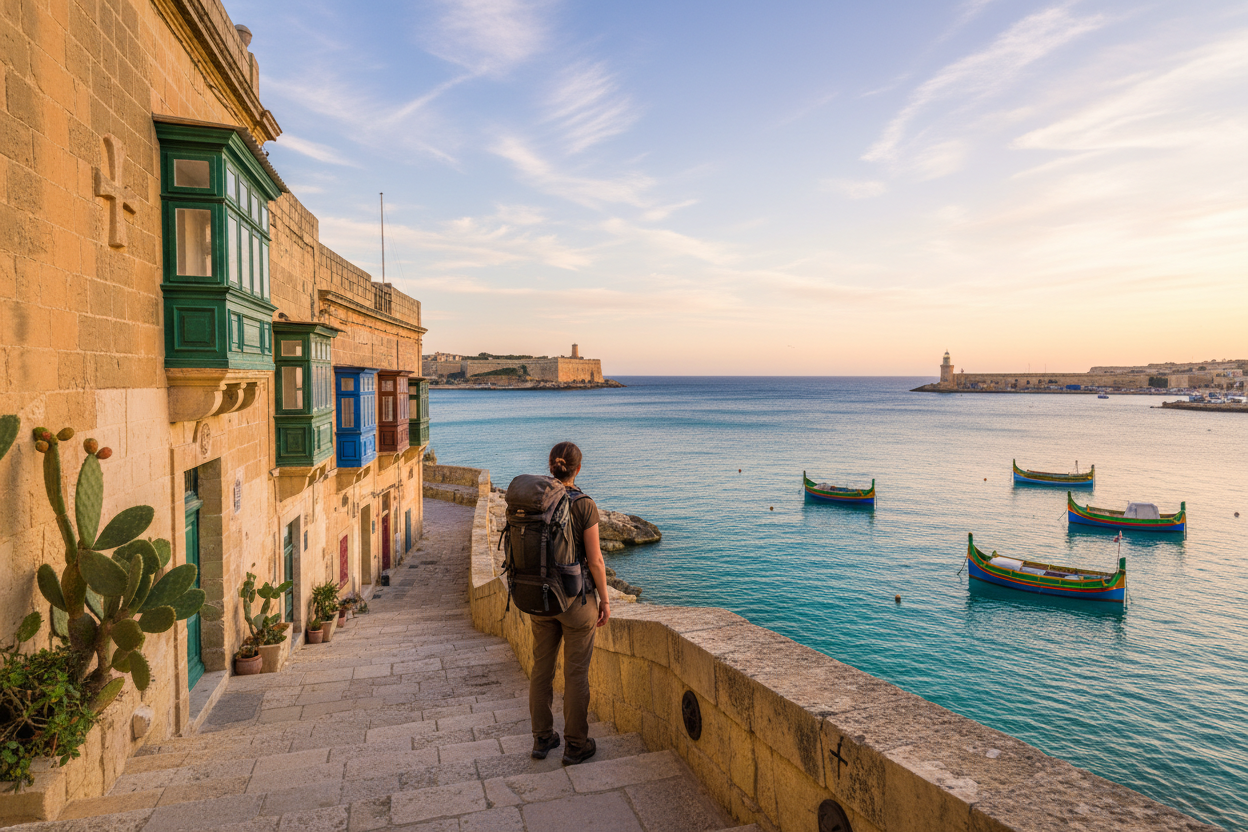
Solo Travel Malta: Safety Tips and Best Experiences for Independent Travelers
Malta, the jewel of the Mediterranean, beckons solo travelers with its rich history, stunning coastlines, and warm hospitality. This archipelago nation offers the perfect blend of adventure and safety that makes it an ideal destination for independent exploration. Whether you’re drawn to ancient temples older than Stonehenge, crystal-clear waters perfect for diving, or charming streets that tell stories of knights and empires, Malta delivers experiences that will leave you planning your next visit before you’ve even left.
As someone who has wandered through Valletta’s narrow streets at sunset and watched the sunrise from the cliffs of Dingli, I can confidently say that Malta treats solo travelers exceptionally well. The locals are genuinely friendly, English is widely spoken, and the compact size means you’re never too far from help or your next adventure. Let’s dive into everything you need to know about exploring Malta on your own.
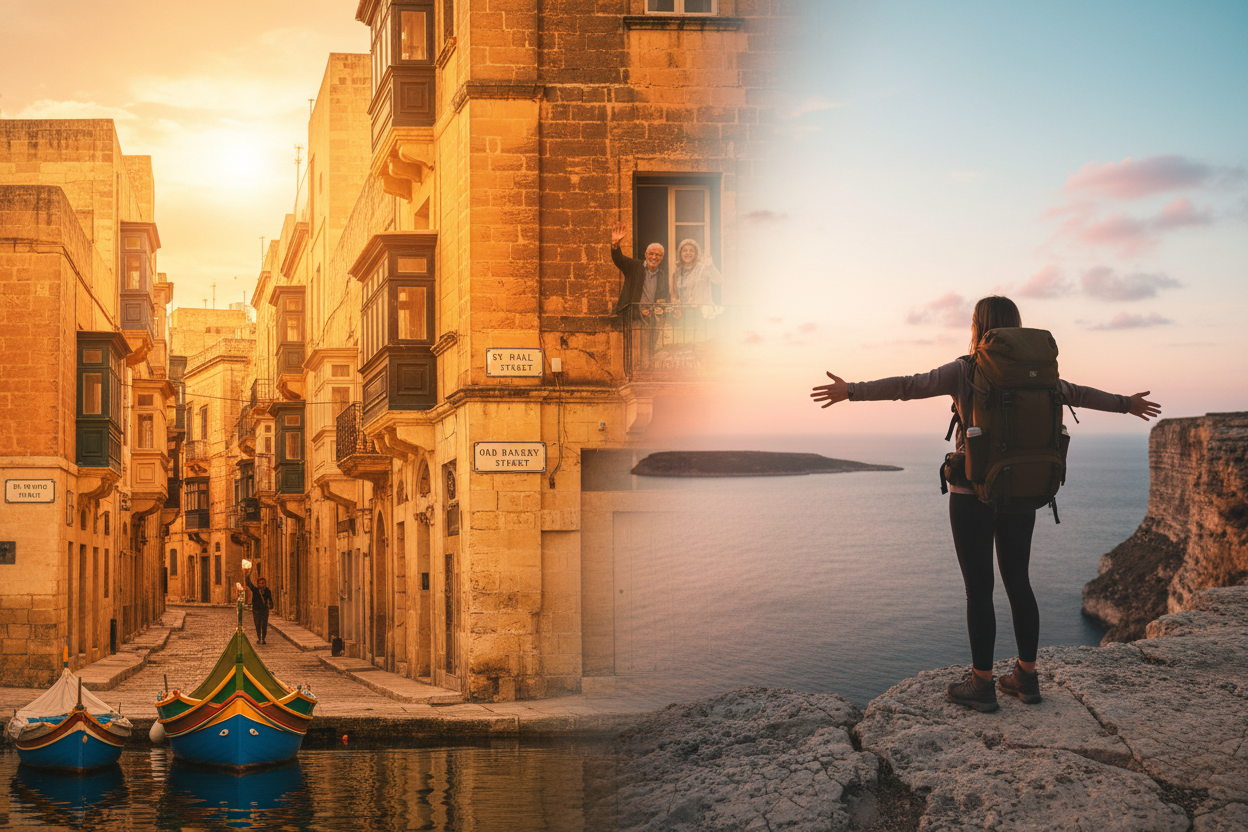
Why Malta is Perfect for Solo Travelers
Malta consistently ranks among the safest countries in Europe, making it an excellent choice for first-time solo travelers or those seeking a stress-free independent adventure. The country’s small size works in your favor – you can traverse the entire main island in about an hour by car, which means you’ll never feel isolated or too far from civilization.
The Maltese people have a reputation for being incredibly welcoming to visitors. Don’t be surprised if locals strike up conversations at bus stops or offer directions without being asked. This Mediterranean warmth, combined with the fact that Malta was a British colony and English remains an official language, creates an environment where solo travelers can easily navigate and connect with others.
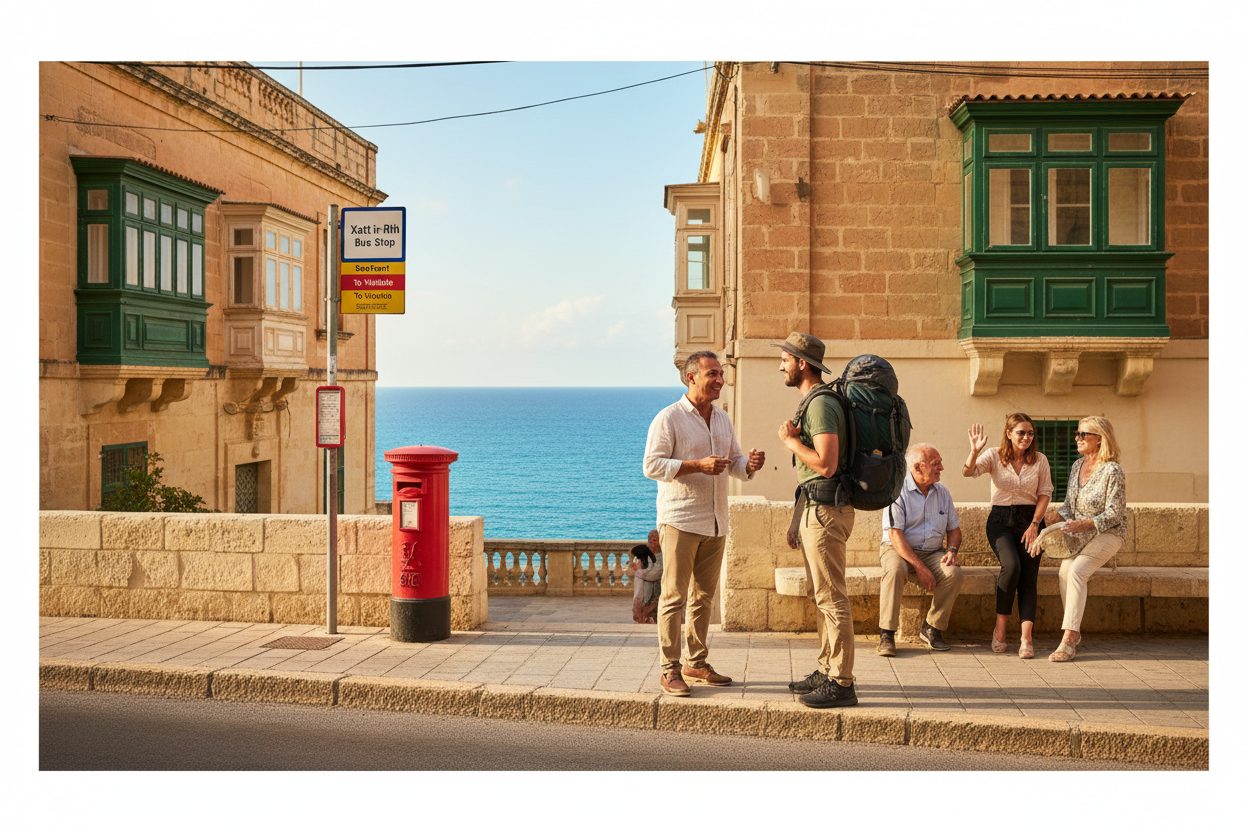
The tourism infrastructure is well-developed, with reliable public transportation, numerous accommodation options, and tour operators who cater specifically to individual travelers. Plus, Malta’s location in the heart of the Mediterranean means you’ll encounter fellow travelers from around the world, creating natural opportunities for socializing if you choose.
Essential Safety Tips for Solo Travel in Malta
While Malta is remarkably safe, smart solo travelers always prepare for the unexpected. The most important safety consideration is the Mediterranean sun – it’s stronger than many visitors expect, especially when reflected off the limestone buildings and clear waters. Always carry sunscreen, wear a hat, and stay hydrated throughout the day.
When exploring Malta’s stunning coastline, exercise caution around cliffs and rocky shores. Some of the most Instagram-worthy spots, like the Blue Grotto or the cliffs near Marsaxlokk, can have uneven terrain and sudden drops. Stick to marked paths and avoid getting too close to edges, especially on windy days when waves can be unpredictable.
Transportation safety is straightforward in Malta. The bus system is reliable and safe, though it can get crowded during peak tourist season. If you’re renting a car, remember that Malta follows British-style driving on the left side of the road. The roads can be narrow and winding, particularly in older towns, so take your time and don’t hesitate to pull over if you need to check directions.
Keep your accommodation address and contact information easily accessible, and consider downloading offline maps to your phone. While WiFi is widely available, having backup navigation can be invaluable when exploring remote areas or historical sites.
Must-Visit Destinations for Independent Explorers
Valletta, Malta’s capital and a UNESCO World Heritage site, should top every solo traveler’s list. This fortified city is compact enough to explore on foot in a day, yet rich enough in history and culture to warrant multiple visits. Start early in the morning when the light is perfect for photography and the streets are less crowded. The Upper Barrakka Gardens offer breathtaking views of the Grand Harbour, while St. John’s Co-Cathedral houses Caravaggio masterpieces that will leave art lovers speechless.
The medieval city of Mdina, known as the “Silent City,” provides a completely different atmosphere. Walking through its narrow, car-free streets feels like stepping back in time. The city walls offer panoramic views of the island, and the experience is particularly magical during sunset when the golden limestone seems to glow from within.
For a taste of authentic Maltese life, spend time in the fishing village of Marsaxlokk. The colorful traditional boats called luzzus create a picture-perfect harbor scene, while the Sunday fish market offers an authentic local experience. The village maintains its working-harbor atmosphere despite its popularity with tourists.
Don’t miss the megalithic temples of Hagar Qim and Mnajdra, which predate the Egyptian pyramids. These ancient sites are easily accessible by public transport and offer insight into Malta’s prehistoric inhabitants. The visitor center provides excellent context that enhances the experience of exploring these remarkable structures.
Transportation Guide for Solo Travelers
Malta’s public bus system is the most economical way to get around as a solo traveler. The buses are modern, air-conditioned, and connect virtually every corner of the islands. Purchase a weekly pass if you’re staying for several days – it’s cost-effective and eliminates the need to carry exact change for each journey.
The main bus terminal in Valletta serves as the hub for most routes, making it easy to plan connections. Buses generally run on time, though summer traffic can cause delays. Always check the latest schedules, as routes and timings can change seasonally.
For more flexibility, consider renting a car, but be prepared for Malta’s unique driving culture. Parking in popular areas like Valletta and Mdina can be challenging and expensive. Many solo travelers find that a combination of public transport for major destinations and occasional taxi rides for remote locations works best.
Taxis are readily available and safe, though more expensive than buses. Many drivers speak excellent English and can provide valuable local insights. For short distances within towns, walking is often the fastest and most enjoyable option, especially in historic areas where cars are restricted.
Accommodation Options for Solo Adventurers
Malta offers excellent accommodation options for every type of solo traveler. Boutique hotels in Valletta provide luxury and convenience, with many occupying beautifully restored historical buildings. These properties often feature rooftop terraces with harbor views and concierge services that can help plan your daily adventures.
For budget-conscious travelers, hostels in areas like Sliema and St. Julian’s offer opportunities to meet fellow travelers while keeping costs down. Many feature common areas, organized activities, and knowledgeable staff who can provide insider tips on hidden gems and local events.
Guesthouses and small family-run hotels provide a middle ground, often including breakfast and personal attention from owners who take pride in sharing their island’s secrets. These properties frequently occupy traditional Maltese houses with characteristic limestone walls and wooden balconies.
Vacation rentals work well for longer stays, particularly in residential areas where you can experience daily Maltese life. Look for properties in Sliema or Msida for easy access to transportation while maintaining a local neighborhood feel.
Cultural Experiences and Local Interactions
Malta’s cultural richness provides countless opportunities for meaningful experiences. Attend a performance at the historic Manoel Theatre in Valletta, one of Europe’s oldest working theaters. The intimate setting and excellent acoustics create memorable evenings, whether you’re enjoying opera, theater, or classical music.
Local festivals, known as festas, occur throughout the summer months in different villages. These celebrations honor patron saints with elaborate decorations, processions, and fireworks. As a solo traveler, you’ll find locals eager to explain traditions and share their community pride.
Take a cooking class to learn traditional Maltese recipes like rabbit stew or pastizzi. These hands-on experiences often take place in family homes or small restaurants, providing authentic cultural exchange and delicious meals you can recreate at home.
Visit local markets beyond the tourist areas. The morning market in Paola or the evening fish market in Marsaxlokk offer glimpses into daily Maltese life while providing opportunities for casual conversations with vendors and shoppers.
Adventure Activities for Independent Travelers
Malta’s clear waters and diverse marine life make it a world-class diving destination accessible to solo travelers. Numerous dive shops cater to individuals, offering everything from beginner courses to advanced wreck dives. The visibility often exceeds 30 meters, and the water temperature remains comfortable for diving most of the year.
Hiking enthusiasts will find excellent trails along the coastal cliffs, particularly the route from Golden Bay to Ghajn Tuffieha Bay. These walks offer spectacular views and can be completed safely alone, though it’s wise to inform your accommodation of your plans and expected return time.
Rock climbing has gained popularity in Malta, with routes suitable for various skill levels. Local climbing schools provide equipment and instruction, making it accessible even for beginners traveling without gear.
Kayaking around Malta’s coastline reveals hidden coves and sea caves inaccessible by land. Many operators offer single kayaks and guided tours that solo travelers can join, combining adventure with the security of group activities.
Food Scene and Dining Solo
Malta’s culinary scene welcomes solo diners with open arms. Traditional restaurants, particularly family-run establishments, often feature communal atmospheres where single travelers naturally blend in. Try local specialties like bragioli (beef olives), kapunata (Maltese ratatouille), or fresh lampuki fish when in season.
The growing cafe culture in areas like Valletta and Sliema provides perfect spots for solo travelers to enjoy meals while people-watching or planning the next day’s adventures. Many cafes offer free WiFi and encourage lingering over coffee and pastries.
Street food offers another excellent option for independent travelers. Pastizzi shops serve these flaky pastries filled with ricotta or peas at incredibly reasonable prices, and they’re perfect for quick meals between sightseeing.
Don’t miss the opportunity to dine at restaurants with harbor views, particularly during sunset. Many establishments in Valletta and the Three Cities offer outdoor seating where solo travelers can enjoy meals while watching the boats come and go.
Conclusion
Solo travel in Malta offers the perfect combination of safety, adventure, and cultural richness that creates unforgettable experiences. The island’s compact size, friendly locals, and excellent infrastructure make it an ideal destination for independent explorers of all experience levels. From exploring ancient temples and medieval cities to diving in crystal-clear waters and savoring local cuisine, Malta provides diverse experiences that cater to every interest.
The key to successful solo travel in Malta lies in embracing the island’s relaxed pace while remaining open to unexpected discoveries. Whether you’re watching sunrise from Valletta’s fortifications, exploring hidden coves along the coastline, or sharing stories with locals in a traditional village festa, Malta rewards travelers who approach it with curiosity and respect.
Remember that the best solo travel experiences often come from stepping outside your comfort zone while maintaining smart safety practices. Malta provides the perfect environment for this balance, offering enough adventure to satisfy thrill-seekers while maintaining the security and infrastructure that allow you to explore with confidence. Pack your sense of adventure, bring your curiosity about history and culture, and prepare for an island that will exceed your expectations at every turn.
 English
Leave a Reply