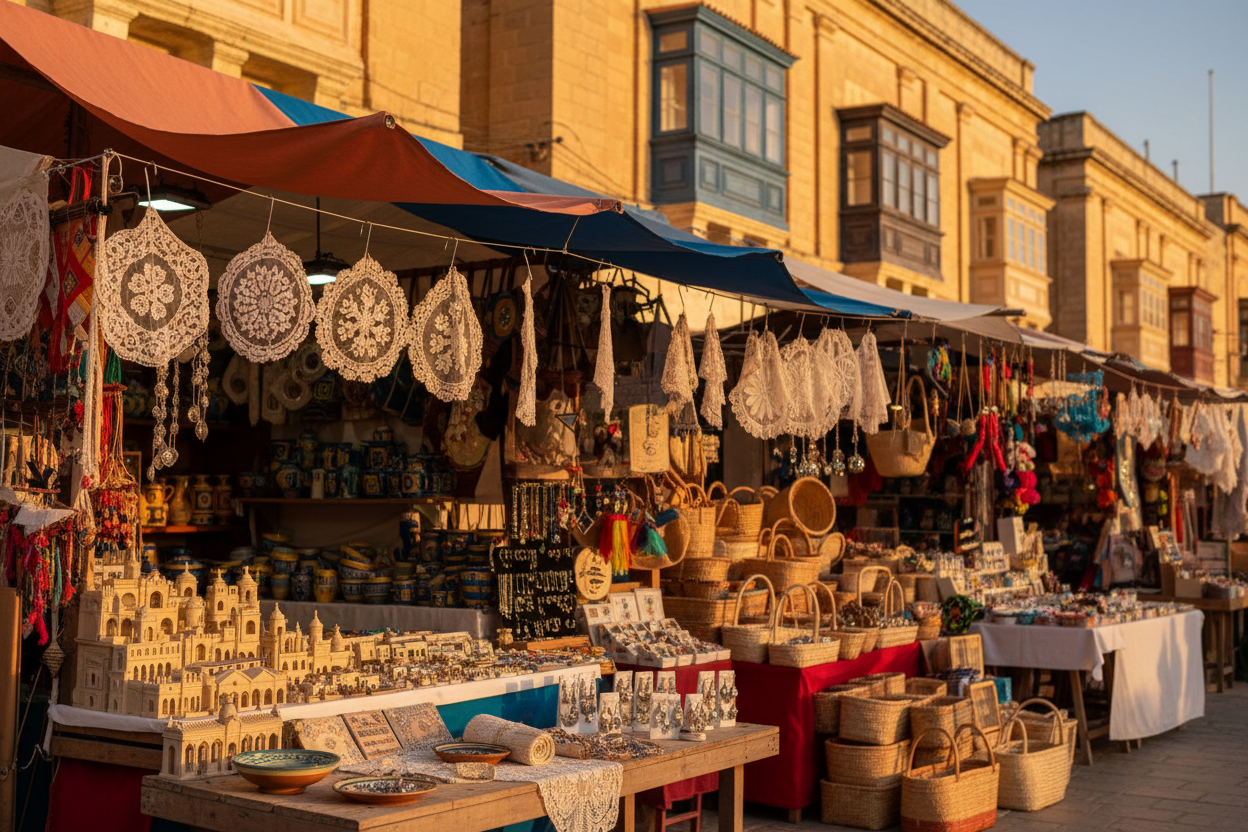
Malta Shopping Guide: Local Markets, Souvenirs, and Crafts
Malta might be one of Europe’s smallest countries, but don’t let its size fool you when it comes to shopping opportunities. This Mediterranean gem offers a delightful blend of traditional markets, unique local crafts, and distinctive souvenirs that capture the island’s rich history and vibrant culture. Whether you’re hunting for authentic Maltese lace, browsing through bustling weekend markets, or searching for the perfect memento to take home, Malta’s shopping scene has something special waiting for you.
From the narrow streets of Valletta to the charming fishing village of Marsaxlokk, shopping in Malta is as much about the experience as it is about the purchases. The island’s strategic location between Europe, Africa, and the Middle East has created a fascinating fusion of influences that’s reflected in everything from handcrafted jewelry to traditional foods. Let me guide you through the best places to shop, what to look for, and how to make the most of your Malta shopping adventure.
Traditional Maltese Markets: Where Locals Shop
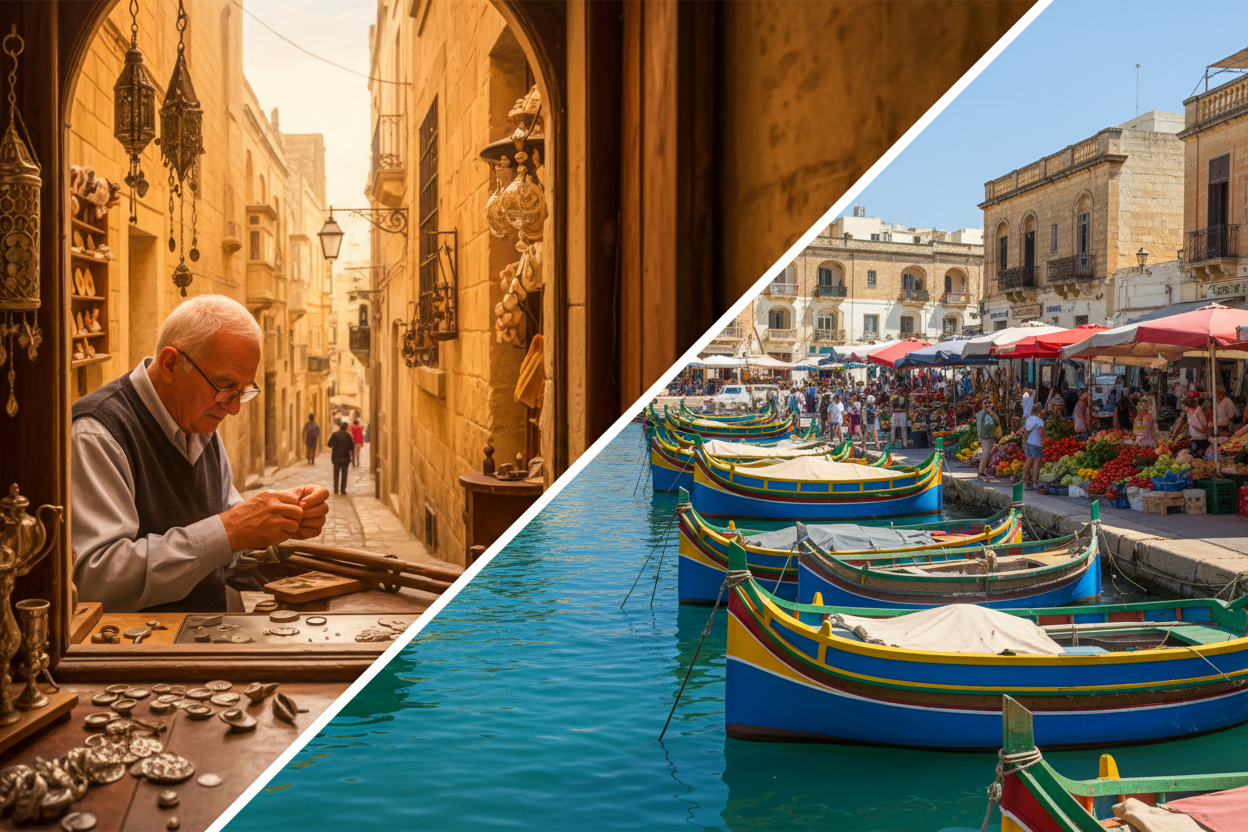
The heart of authentic Malta shopping beats strongest in its traditional markets. These bustling hubs of activity offer an unfiltered glimpse into local life while providing some of the best deals on fresh produce, local specialties, and everyday items.
Valletta’s Merchant Street Market operates Monday through Saturday and transforms the capital’s main thoroughfare into a vibrant shopping experience. Here, you’ll find everything from fresh fruits and vegetables to clothing and household items. The prices are incredibly reasonable, and the atmosphere is authentically Maltese. I always recommend visiting in the morning when the selection is at its peak and the energy is most infectious.
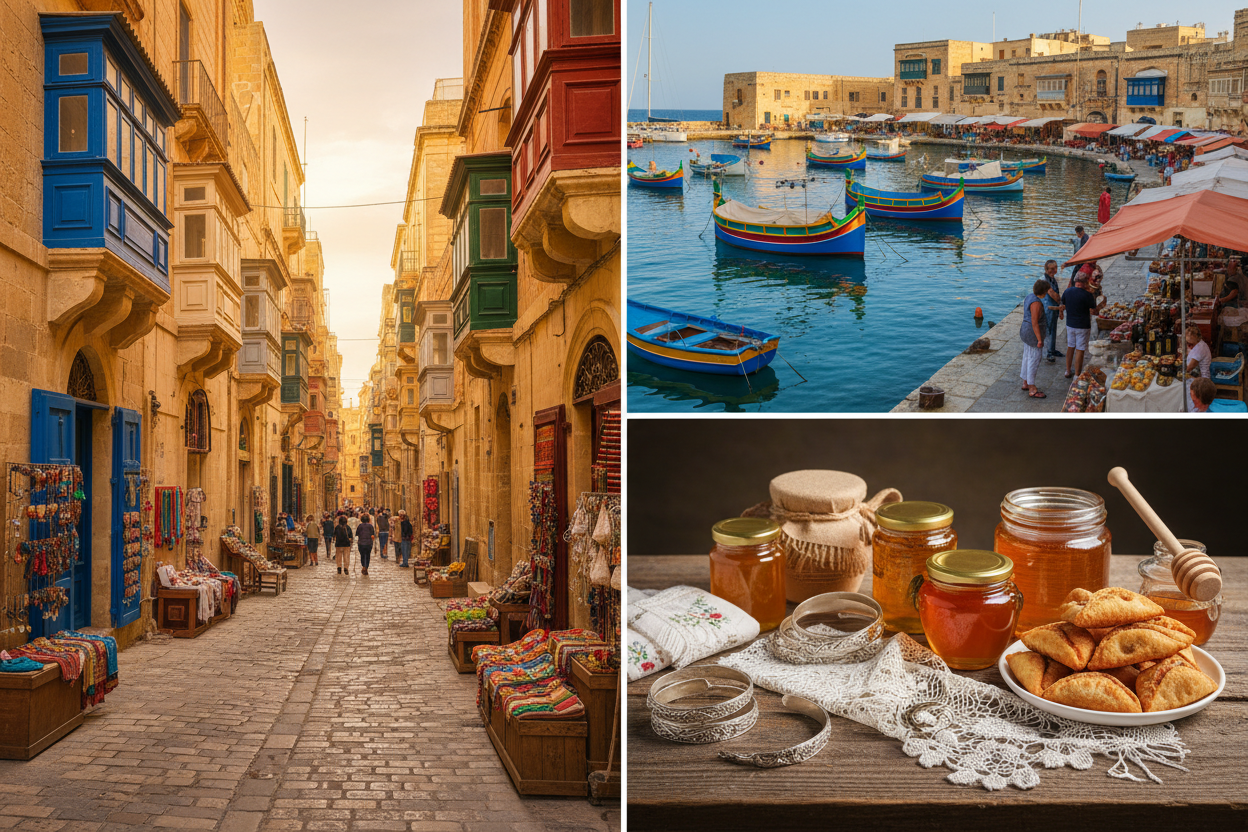
The Marsaxlokk Sunday Fish Market deserves a special mention as one of Malta’s most photogenic shopping experiences. Set against the backdrop of colorful traditional fishing boats called luzzus, this market offers the freshest catch of the day alongside local produce and crafts. Even if you’re staying in accommodation without cooking facilities, the market is worth visiting for its incredible atmosphere and photo opportunities.
For a more comprehensive shopping experience, head to the Birkirkara Market on Wednesdays and Saturdays. This larger market caters primarily to locals and offers competitive prices on clothing, shoes, household goods, and food items. It’s particularly popular among Maltese families doing their weekly shopping, which means you’ll get authentic local prices rather than tourist markups.
Must-Buy Maltese Souvenirs and Local Specialties
Malta’s unique position in the Mediterranean has created a distinctive culture that’s beautifully reflected in its local products. When shopping for souvenirs, focus on items that truly capture the Maltese spirit and can’t be found anywhere else in the world.
Maltese honey holds a special place in local culture and makes for an excellent souvenir that’s both delicious and practical. The island’s diverse flora, including wild thyme and orange blossoms, creates honey with unique flavor profiles. Look for local producers at markets or specialty food shops, and don’t miss the opportunity to try different varieties before purchasing.
Local wines have gained international recognition in recent years, making them perfect gifts for wine enthusiasts back home. Maltese wineries like Marsovin and Delicata produce excellent wines using both international grape varieties and indigenous ones like Gellewza and Ghirghentina. Many shops offer wine tastings, allowing you to discover your preferences before buying.
Maltese sea salt, harvested from ancient salt pans that have been in operation for centuries, represents one of the island’s oldest traditions. The salt comes in various forms, from coarse crystals perfect for cooking to fine powder ideal for table use. Some producers offer flavored varieties infused with local herbs, creating unique culinary souvenirs.
Traditional Maltese sweets like qaghaq tal-ghasel (honey rings) and imqaret (date pastries) provide a taste of local confectionery traditions. While these are best enjoyed fresh, many shops offer packaged versions that travel well and allow you to share Malta’s sweet side with friends and family.
Authentic Maltese Crafts and Artisan Products
Malta’s artisan traditions stretch back centuries, and today’s craftspeople continue to create beautiful items using time-honored techniques. These authentic crafts represent some of the most meaningful souvenirs you can purchase, each piece carrying a story of Maltese heritage.
Maltese lace, known locally as bizzilla, stands as one of the island’s most celebrated crafts. This delicate handmade lace requires incredible skill and patience to create, with some pieces taking months to complete. You’ll find authentic Maltese lace in specialty shops throughout Valletta and Mdina, though prices reflect the considerable time and expertise required for production. Look for pieces with certificates of authenticity to ensure you’re purchasing genuine handmade lace.
Filigree jewelry represents another cornerstone of Maltese craftsmanship. This intricate metalwork technique involves twisting and curling fine silver or gold wires into elaborate patterns, often incorporating the distinctive Maltese cross design. Local artisans create everything from delicate earrings to elaborate brooches, with each piece requiring hours of meticulous handwork.
Maltese glass blowing has experienced a renaissance in recent years, with local artists creating contemporary pieces that honor traditional techniques. The glass often incorporates colors inspired by Malta’s landscape – deep blues of the Mediterranean, warm yellows of limestone buildings, and vibrant reds of local sunsets. These pieces make stunning decorative items and functional art.
Traditional pottery and ceramics showcase another aspect of Maltese craftsmanship. Local potters create both functional items like serving dishes and decorative pieces featuring traditional Maltese motifs. The earthy tones and organic shapes reflect the island’s connection to its Mediterranean roots while serving as practical reminders of your visit.
Best Shopping Areas and Districts in Malta
Different areas of Malta offer distinct shopping experiences, each with its own character and specialties. Understanding these regional differences helps you plan your shopping strategy and ensures you don’t miss any hidden gems.
Valletta remains Malta’s premier shopping destination, combining historical charm with modern retail options. Republic Street serves as the main shopping artery, lined with both international brands and local boutiques. The side streets hide numerous specialty shops selling everything from books and antiques to handmade crafts and local foods. The city’s UNESCO World Heritage status means that even the shopping experience comes with a dose of history and architectural beauty.
Sliema and St. Julian’s cater to those seeking a more contemporary shopping experience. The Sliema waterfront promenade combines shopping with stunning harbor views, while the area’s numerous shopping centers offer air-conditioned comfort during hot summer months. These areas excel in fashion, electronics, and international brands, though prices tend to be higher than in other parts of Malta.
Mdina, the ancient capital, specializes in artisan crafts and traditional products. The narrow medieval streets house workshops where you can watch craftspeople at work, creating everything from glass art to handmade jewelry. Shopping in Mdina feels like stepping back in time, with many shops occupying centuries-old buildings that add atmosphere to the retail experience.
Gozo, Malta’s sister island, offers a more relaxed shopping atmosphere with a focus on local products and crafts. The island’s rural character means you’ll find excellent local foods, handmade items, and traditional crafts at prices that often undercut those on the main island. The weekly markets in Victoria provide excellent opportunities to interact with local producers and artisans.
Shopping Tips and Local Customs
Understanding local shopping customs and practical considerations can significantly enhance your Malta shopping experience while helping you avoid common tourist pitfalls.
Bargaining isn’t as common in Malta as in some Mediterranean destinations, but it’s acceptable in markets and when purchasing multiple items from the same vendor. Approach negotiations respectfully, and remember that many items, particularly handmade crafts, are priced fairly given the time and skill required to create them.
Most shops accept credit cards, but smaller vendors at markets often prefer cash. ATMs are widely available, though it’s wise to carry some euros for market purchases and smaller establishments. Some vendors offer better prices for cash transactions, particularly for larger purchases.
Shopping hours vary throughout Malta, with most retail stores opening around 9 AM and closing between 6 PM and 8 PM. Many shops close for a few hours during the afternoon, typically between 1 PM and 4 PM, following traditional Mediterranean customs. Saturday shopping is popular among locals, while Sunday shopping is limited to tourist areas and markets.
When purchasing authentic crafts or expensive items, always ask for certificates of authenticity or provenance. This documentation not only guarantees the item’s genuineness but can also be helpful for customs purposes when traveling home with valuable purchases.
Seasonal Shopping and Special Events
Malta’s shopping calendar includes several special events and seasonal considerations that can enhance your retail experience or provide unique opportunities to find special items.
The Christmas season transforms Malta’s shopping scene, with special markets appearing throughout the country. Valletta’s Christmas Market, typically held in St. George’s Square, features local crafts, seasonal foods, and holiday decorations. This period also sees many shops offering special promotions and extended hours.
Summer brings numerous local festivals that often include craft fairs and artisan markets. These events provide excellent opportunities to meet local creators, learn about traditional techniques, and purchase unique items directly from the artists. The atmosphere at these festivals is particularly festive, with food, music, and shopping combining for memorable experiences.
The shoulder seasons of spring and autumn often provide the best shopping experiences, with comfortable weather for exploring markets and walking between shops, plus the added benefit of interacting with locals rather than competing with peak tourist crowds.
Malta’s shopping scene reflects the island’s unique character – a blend of ancient traditions and modern convenience, Mediterranean warmth and European sophistication. Whether you’re searching for authentic handcrafted items that tell the story of Maltese culture or simply enjoying the experience of browsing through bustling markets, shopping in Malta offers rewards that extend far beyond the items you purchase. The memories of discovering a perfect piece of filigree jewelry in a medieval Mdina workshop or bargaining for fresh produce in Marsaxlokk’s colorful market will likely prove as valuable as any souvenir you take home. Take your time, embrace the local pace, and allow yourself to be surprised by the treasures you’ll discover in this remarkable Mediterranean destination.
 English
Leave a Reply