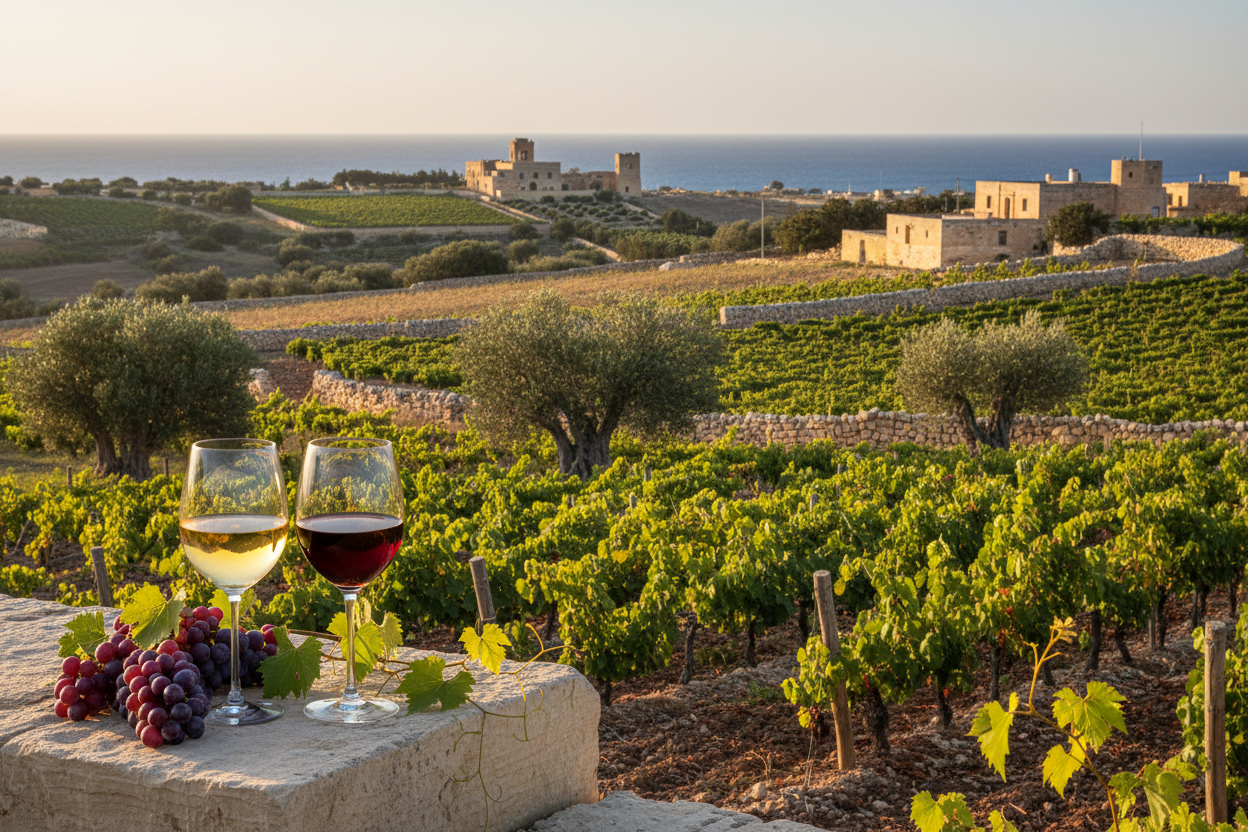
Malta Wine Tours: Local Vineyards and Tasting Experiences
When most people think of Mediterranean wine destinations, Malta might not immediately spring to mind. Yet this tiny archipelago nation, nestled between Sicily and North Africa, has been producing wine for over 2,000 years. Today, Malta’s wine industry is experiencing a remarkable renaissance, with passionate local vintners crafting exceptional wines that reflect the unique terroir of these sun-drenched islands. If you’re planning a visit to Malta, embarking on a wine tour should definitely be on your itinerary.
Malta’s wine scene offers something truly special – intimate, family-run vineyards where you can meet the winemakers themselves, taste wines made from indigenous grape varieties you won’t find anywhere else, and discover how ancient winemaking traditions blend seamlessly with modern techniques. The island’s compact size means you can easily visit multiple wineries in a single day, each offering its own distinct character and story.
The Rich History of Maltese Winemaking
Malta’s winemaking heritage stretches back to Phoenician times, making it one of the oldest wine-producing regions in the Mediterranean. The Knights of St. John, who ruled Malta from 1530 to 1798, were particularly instrumental in developing the island’s viticulture. They introduced new grape varieties and winemaking techniques that laid the foundation for today’s industry.
During the British colonial period, wine production faced challenges, but it never completely disappeared. Local families continued to make wine for personal consumption, preserving ancient knowledge and grape varieties. The modern revival began in the 1970s when serious commercial winemaking resumed, and today Malta produces approximately 700,000 bottles annually from its 35 hectares of vineyards.
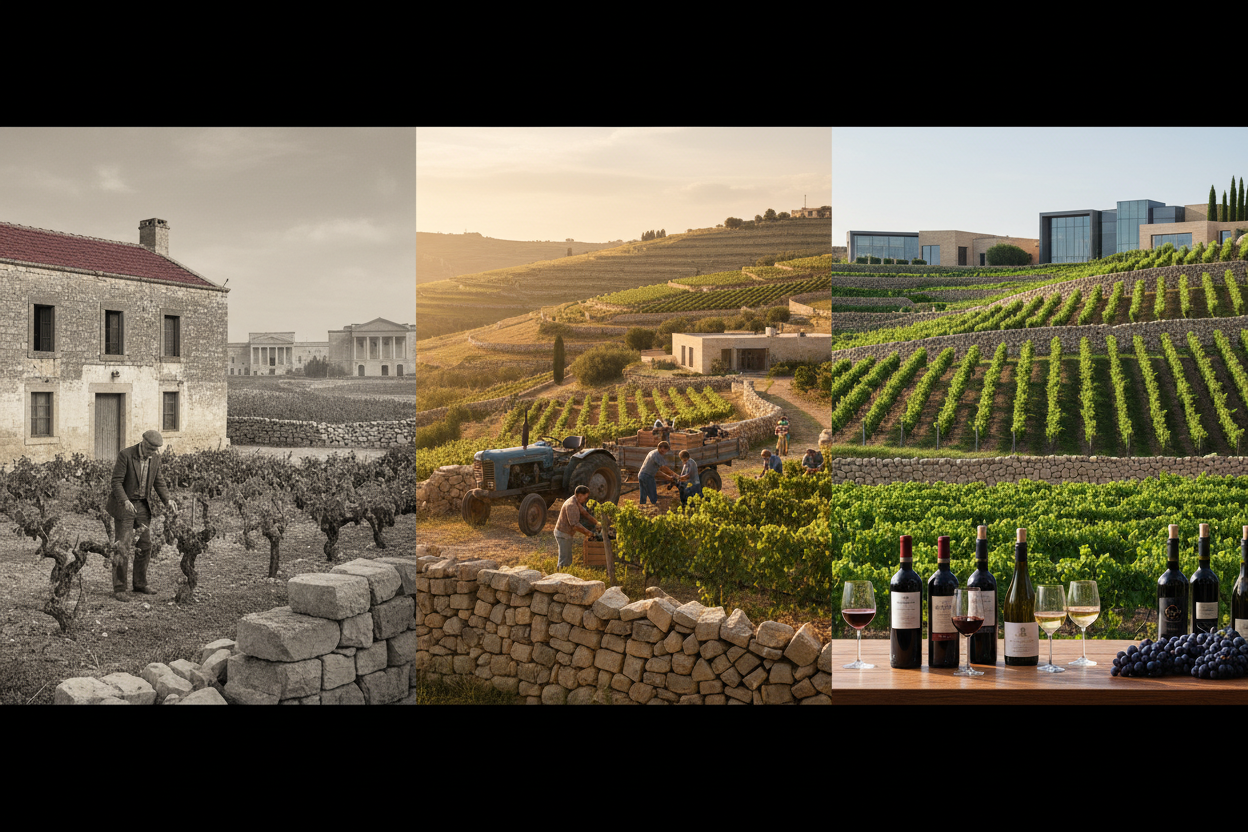
What makes Maltese wine particularly fascinating is the survival of indigenous grape varieties like Gellewza and Ghirghentina, which have adapted perfectly to the island’s unique climate and limestone-rich soil. These grapes produce wines with distinctive characteristics that you simply cannot experience elsewhere in the world.
Top Malta Vineyards to Visit
Meridiana Wine Estate
Located in the heart of Malta near the village of Mgarr, Meridiana Wine Estate stands as one of the island’s most prestigious wineries. Founded in 1987 by Mark Miceli-Farrugia, this family-owned estate has consistently produced award-winning wines that have put Malta on the international wine map.
The vineyard tour at Meridiana takes you through their meticulously maintained vines, where you’ll learn about their sustainable farming practices and the challenges of growing grapes in Malta’s challenging climate. The highlight is their underground cellar, carved into the limestone bedrock, where wines age in French oak barrels. Their tasting sessions feature their flagship Nexus red blend alongside crisp whites made from local and international grape varieties.
What sets Meridiana apart is their commitment to showcasing both indigenous Maltese varieties and international grapes that have adapted well to the local terroir. Their Chardonnay and Merlot have won numerous international awards, proving that Malta can compete with established wine regions worldwide.
Delicata Winery
As Malta’s largest winery, Delicata offers a comprehensive introduction to Maltese wine culture. Established in 1907, this family business has weathered the ups and downs of Malta’s wine industry while maintaining their commitment to quality and innovation.
Delicata’s tours provide insight into large-scale winemaking operations while maintaining a personal touch. Their state-of-the-art facility in Paola showcases modern winemaking technology, but the family’s passion for wine shines through every aspect of the experience. The tasting room features an extensive selection, from their popular everyday wines to limited-edition vintages.
Their Medina range, named after Malta’s ancient capital, represents excellent value for money and serves as a perfect introduction to Maltese wine styles. The winery also produces Malta’s most famous wine, the sweet Moscato, which pairs beautifully with local desserts.
Marsovin Winery
Founded in 1919, Marsovin is Malta’s oldest commercial winery and offers perhaps the most authentic glimpse into traditional Maltese winemaking. Located in Marsa, this family-owned operation has been passed down through four generations, with each adding their own innovations while respecting time-honored traditions.
The Marsovin experience feels more intimate than larger operations. Tours often include meeting family members who still actively participate in wine production. Their cellars house some of Malta’s oldest wine stocks, including vintage bottles that showcase how Maltese wines age and develop complexity over time.
Marsovin specializes in wines made from indigenous grape varieties, making it an essential stop for anyone wanting to understand authentic Maltese wine character. Their Gellewza red wine offers earthy, robust flavors that pair perfectly with traditional Maltese cuisine.
Ta’ Betta Wine Estate
For those seeking a boutique winery experience, Ta’ Betta Wine Estate in Mellieha offers an intimate, personalized approach to wine tourism. This small family operation focuses on quality over quantity, producing limited quantities of handcrafted wines that reflect the unique microclimate of northern Malta.
The estate’s location provides stunning views over Mellieha Bay, making the wine tasting experience as visually appealing as it is delicious. The owners personally conduct tours, sharing stories about their winemaking philosophy and the challenges of operating a small vineyard in Malta’s demanding climate.
Ta’ Betta’s wines showcase how terroir influences flavor, with their reds displaying mineral notes from the limestone soil and their whites offering crisp acidity that reflects the cooling sea breezes that sweep across their vineyards.
Unique Maltese Grape Varieties
One of the most compelling reasons to explore Malta’s wine scene is the opportunity to taste wines made from grape varieties that exist nowhere else in the world. These indigenous varieties have evolved over centuries to thrive in Malta’s unique environment.
Gellewza, Malta’s signature red grape, produces wines with distinctive earthy flavors and moderate tannins. The name comes from the Maltese word for cherry, reflecting the wine’s characteristic fruit notes. Gellewza wines pair exceptionally well with rabbit, Malta’s national dish, and other local specialties.
Ghirghentina, the primary white indigenous variety, creates wines with floral aromatics and crisp acidity. These wines often display mineral characteristics that reflect Malta’s limestone geology. Young Ghirghentina wines offer fresh, zesty flavors, while aged versions develop more complex honey and almond notes.
Many Maltese wineries also work with international grape varieties that have adapted well to the local climate. Chardonnay thrives in Malta’s warm conditions, producing full-bodied whites with tropical fruit flavors. Merlot and Cabernet Sauvignon create robust reds with concentrated flavors intensified by the island’s abundant sunshine.
Wine Tasting Experience Tips
Planning a successful Malta wine tour requires some preparation to maximize your enjoyment and learning experience. Most wineries operate by appointment, so booking in advance is essential, especially during peak tourist season from May through October.
Consider hiring a driver or joining an organized tour if you plan to visit multiple wineries in one day. Malta’s roads can be challenging for visitors, and having a designated driver allows you to fully enjoy the tasting experiences without worrying about transportation.
Timing your visits can significantly impact your experience. Morning tours often provide cooler temperatures and more personalized attention from winery staff. Many estates offer lunch pairings that showcase how Maltese wines complement local cuisine, creating a more comprehensive cultural experience.
Don’t hesitate to ask questions during tastings. Maltese winemakers are passionate about their craft and love sharing stories about their wines, the challenges of island viticulture, and the history behind their estates. This personal interaction often becomes the most memorable part of the wine tour experience.
Seasonal Considerations for Wine Tours
Malta’s wine tour experience varies significantly throughout the year, with each season offering distinct advantages. Spring visits from March to May coincide with the growing season, allowing visitors to see vineyards in their lush, green phase. The weather is pleasant, and wineries are preparing for the upcoming harvest.
Summer brings harvest season, typically occurring in August and September. This is an exciting time to visit as you might witness actual grape picking and the initial stages of wine production. However, temperatures can be intense, so early morning or evening tours are preferable.
Autumn and winter visits offer a different perspective, with completed harvests and wines beginning their fermentation and aging processes. These quieter months provide more intimate experiences with winemakers who have more time to share detailed insights about their craft.
Weather considerations are important year-round. Malta’s Mediterranean climate means summers can be very hot and dry, while winters are mild but can be windy. Comfortable walking shoes are essential as many vineyard tours involve walking on uneven terrain.
Conclusion
Malta wine tours offer a unique opportunity to discover one of the Mediterranean’s best-kept secrets. The combination of ancient winemaking traditions, indigenous grape varieties, passionate local vintners, and stunning island scenery creates an unforgettable experience that goes far beyond simple wine tasting.
Whether you’re a serious wine enthusiast or simply curious about local culture, Malta’s vineyards provide intimate, educational experiences that larger wine regions often cannot match. The chance to meet winemakers personally, taste rare indigenous varieties, and learn about 2,000 years of winemaking history makes Malta wine tours a must-do activity for any visitor to these remarkable islands.
As Malta’s wine industry continues to evolve and gain international recognition, now is the perfect time to explore these hidden gems. Each vineyard visit supports local families and traditions while providing you with memories and flavors that you’ll treasure long after your Malta adventure ends.
 English
Leave a Reply