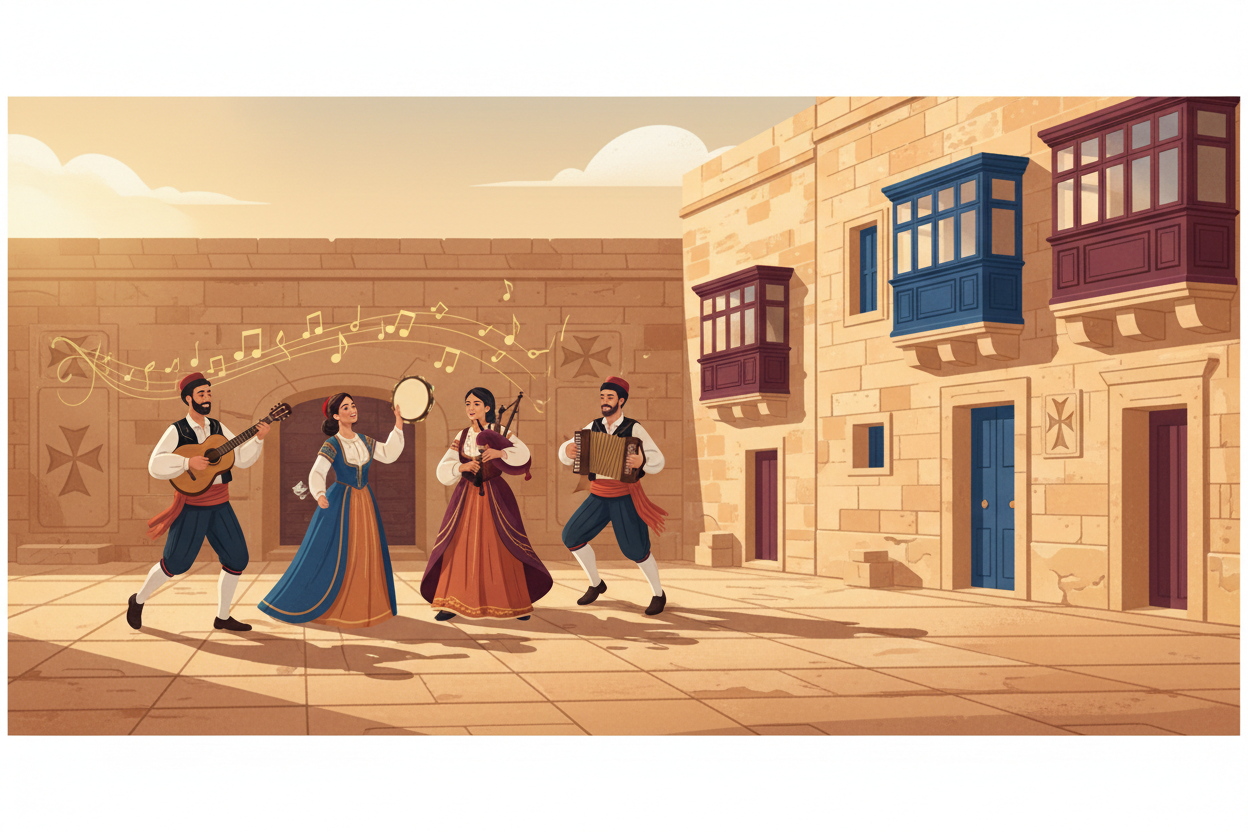
Malta Traditional Music: Folk Songs and Cultural Performances That Echo Through the Ages
Nestled in the heart of the Mediterranean, Malta might be one of Europe’s smallest nations, but its musical heritage towers above many larger countries. The archipelago’s traditional music tells a story that spans thousands of years, weaving together influences from North Africa, Southern Italy, and the broader Mediterranean world. When you walk through the narrow streets of Valletta or attend a village festa, you’re not just experiencing modern Malta – you’re hearing echoes of ancient civilizations that have called these islands home.
Malta’s folk music tradition represents far more than entertainment; it’s a living, breathing connection to the island’s soul. From the haunting melodies of traditional għana to the rhythmic pulse of village celebrations, Maltese music offers visitors and locals alike a window into a culture that has survived conquests, colonization, and modernization while maintaining its distinctive Mediterranean character.
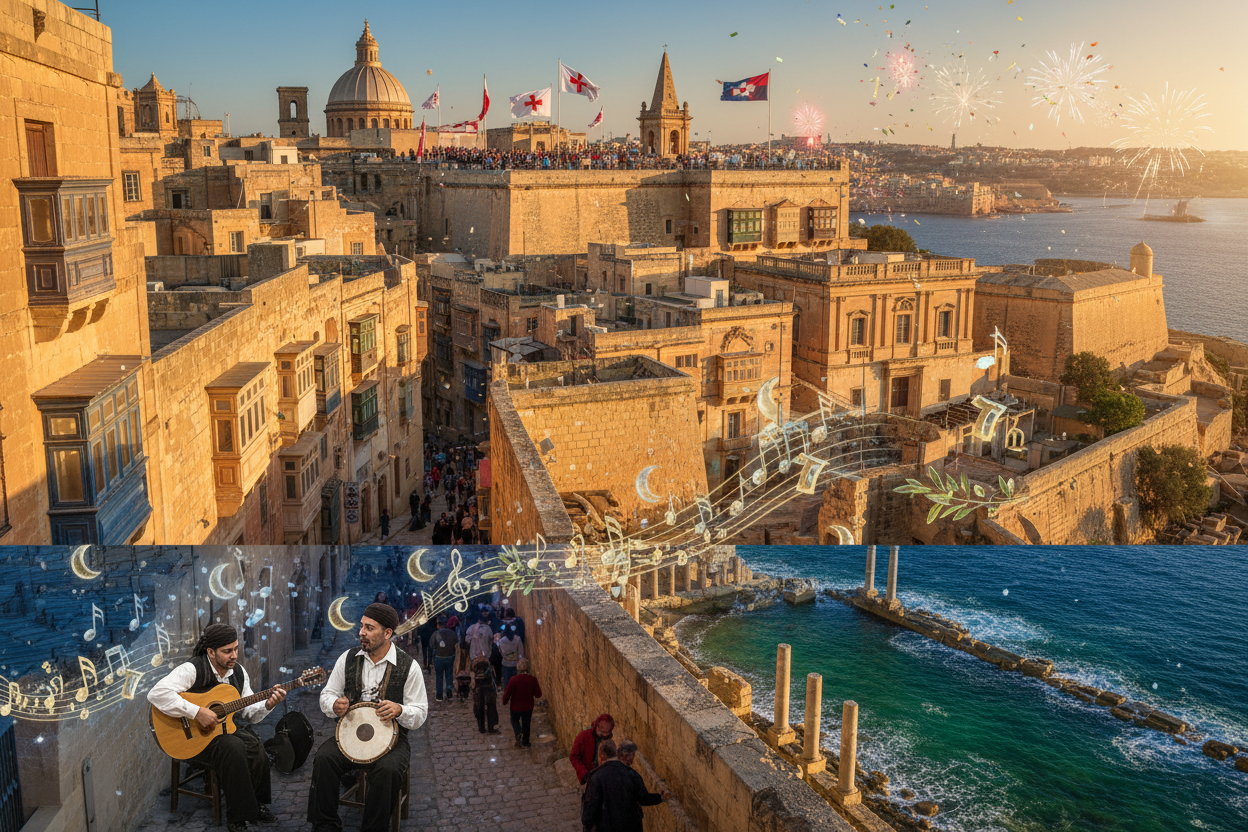
The Roots of Maltese Musical Heritage
Understanding Malta’s traditional music requires delving into the islands’ complex history. Over the centuries, Malta has been ruled by Phoenicians, Romans, Arabs, Normans, Knights of St. John, French forces, and the British Empire. Each civilization left its mark on the musical landscape, creating a unique fusion that you won’t find anywhere else in the world.
The Arabic influence, which lasted from 870 to 1091 AD, proved particularly significant in shaping Malta’s musical identity. Many traditional Maltese songs still carry melodic patterns and vocal techniques reminiscent of North African and Middle Eastern music. This Arabic foundation blended seamlessly with later European influences, particularly from Sicily and Southern Italy, creating the distinctive sound that characterizes Maltese folk music today.
The Maltese language itself plays a crucial role in the islands’ musical tradition. As the only Semitic language written in Latin script, Maltese provides a unique rhythmic and melodic foundation for traditional songs. The language’s natural cadences and emphasis patterns have shaped centuries of folk compositions, creating music that sounds familiar yet exotic to Mediterranean ears.
Għana: The Heart of Maltese Folk Tradition
No discussion of Malta traditional music would be complete without exploring għana, the islands’ most distinctive folk art form. Għana represents more than just singing – it’s a sophisticated form of musical storytelling that combines improvisation, wit, and deep cultural knowledge.
Traditional għana performances feature singers called għannejja who engage in musical duels, creating verses on the spot while maintaining complex rhyme schemes and melodic patterns. These performances often take place during village festas, weddings, and other community celebrations, where skilled għannejja can hold audiences spellbound for hours with their verbal dexterity and musical prowess.
The themes of għana songs range from romantic ballads and historical narratives to social commentary and humorous observations about daily life. Master għannejja possess encyclopedic knowledge of Maltese history, folklore, and current events, weaving these elements into their performances with remarkable skill. Watching a għana performance feels like witnessing centuries of oral tradition come alive before your eyes.
What makes għana particularly fascinating is its improvisational nature. While certain melodic frameworks and rhythmic patterns provide structure, each performance is unique. Għannejja must think quickly, crafting clever rhymes and meaningful content while maintaining the musical flow. This requires not just musical talent but also intelligence, humor, and deep cultural understanding.
Traditional Instruments That Shape Malta’s Sound
Malta’s traditional music relies on a distinctive collection of instruments that reflect the islands’ multicultural heritage. The żaqq, Malta’s version of the bagpipes, stands as perhaps the most iconic traditional instrument. Unlike Scottish or Irish bagpipes, the Maltese żaqq produces a softer, more melodic sound that perfectly complements the Mediterranean climate and cultural sensibilities.
The tambourin, a small frame drum, provides rhythmic foundation for many traditional performances. Skilled players can produce an amazing variety of sounds from this seemingly simple instrument, creating complex rhythmic patterns that drive folk dances and support vocal performances. The tambourin’s versatility makes it indispensable in traditional Maltese ensembles.
Guitar and mandolin, introduced through Italian influence, have become integral parts of Malta’s folk music landscape. These stringed instruments provide harmonic support and melodic counterpoint to vocal performances, particularly in more recent traditional compositions. Many contemporary Maltese folk groups blend these European instruments with traditional percussion to create a sound that honors the past while appealing to modern audiences.
The friction drum, known locally as the żaqq tal-ħamrija, adds a unique textural element to traditional performances. This instrument produces haunting, otherworldly sounds that can evoke everything from animal calls to supernatural voices, making it particularly popular during festa celebrations and folk theater performances.
Village Festas: Where Tradition Comes Alive
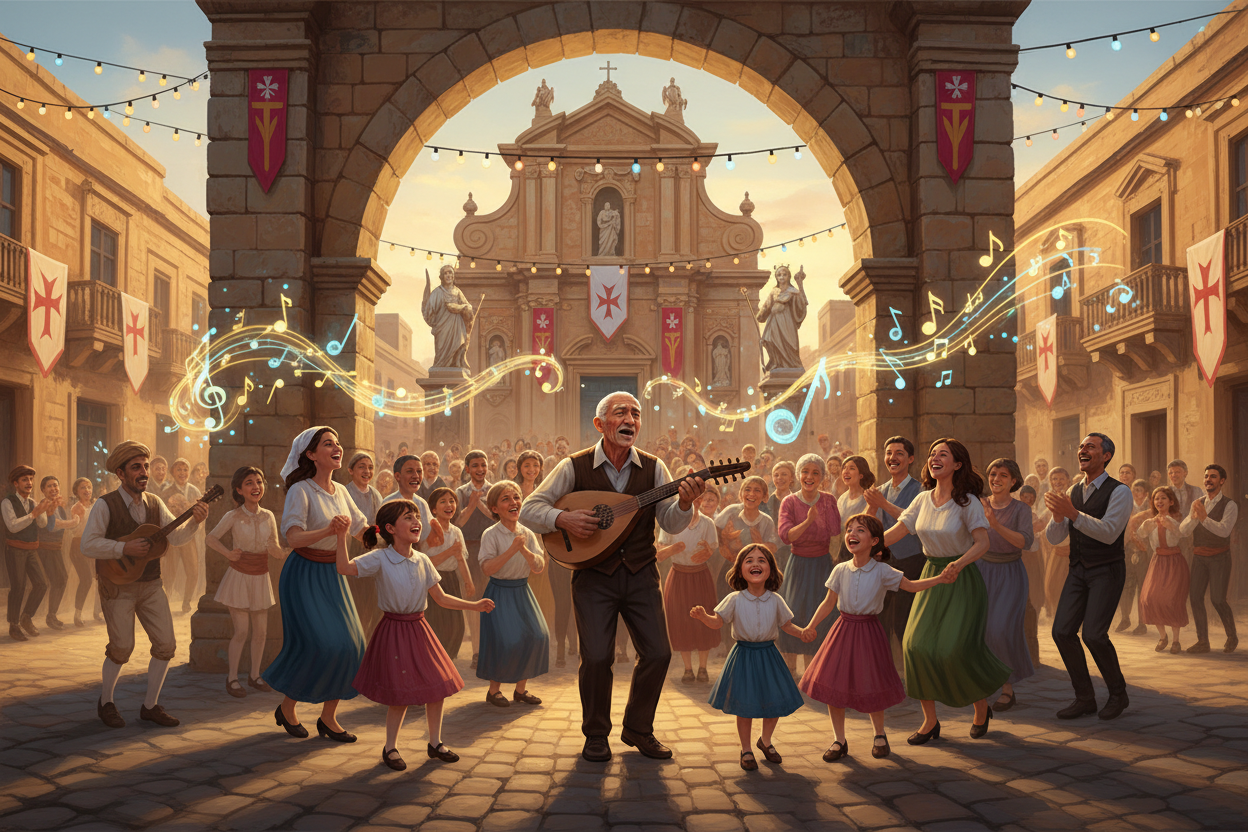
Malta’s village festas represent the pinnacle of traditional cultural performance, bringing together music, dance, religious devotion, and community celebration in spectacular fashion. These festivals, held throughout the summer months, showcase the islands’ musical heritage in its most vibrant and authentic form.
Each village festa features its own unique musical traditions, often including specially composed marches, traditional għana performances, and folk dance exhibitions. The festa band culture, while incorporating European military band traditions, has developed distinctly Maltese characteristics over the past two centuries. These bands perform not just during religious processions but also in competitive concerts that draw passionate local support.
Traditional dance forms an integral part of festa celebrations, with folk dances like the maltija and the parata bringing communities together in joyful expression. These dances, accompanied by traditional music, create an atmosphere where visitors can experience authentic Maltese culture in action rather than as museum pieces.
The musical competitions that occur during festas provide platforms for both established and emerging artists to showcase their talents. Young għannejja often make their debuts during these celebrations, ensuring that traditional skills pass from generation to generation. These events demonstrate how Malta’s musical heritage remains living tradition rather than historical curiosity.
Sacred Music and Religious Traditions
Malta’s deep Catholic faith has profoundly influenced its traditional music, creating a rich repertoire of sacred folk songs and religious musical traditions. These compositions blend Mediterranean musical sensibilities with Catholic liturgical traditions, producing music that feels both spiritually uplifting and culturally distinctive.
Traditional Maltese Christmas carols, known as nadali, showcase the islands’ ability to adapt international religious music to local tastes and languages. These songs often feature distinctly Maltese melodic patterns and incorporate local instruments, creating Christmas music that sounds both familiar and uniquely Mediterranean.
Passion Week celebrations feature some of Malta’s most moving traditional music, with ancient chants and folk hymns creating deeply emotional religious experiences. The Good Friday processions in various towns and villages showcase centuries-old musical traditions that connect modern Malta to its medieval past.
Many traditional Maltese lullabies and children’s songs carry religious themes, demonstrating how sacred and secular musical traditions intertwine in daily life. These songs, passed down through generations of mothers and grandmothers, represent some of the most intimate and personal aspects of Malta’s musical heritage.
Modern Preservation and Cultural Revival
Contemporary Malta faces the challenge of preserving traditional music in an increasingly globalized world. Fortunately, numerous organizations, cultural groups, and individual artists are working tirelessly to ensure that these musical treasures survive and thrive for future generations.
The Malta Arts Council and various cultural organizations sponsor traditional music education programs, workshops, and performance opportunities. These initiatives help young Maltese people connect with their musical heritage while developing skills that might otherwise disappear. Schools increasingly incorporate traditional music into their curricula, ensuring that children grow up understanding and appreciating their cultural inheritance.
Modern recording technology has enabled the preservation of traditional performances that might otherwise be lost forever. Ethnomusicologists and cultural preservationists are working to document elderly musicians and their repertoires, creating archives that will serve researchers and enthusiasts for generations to come.
Contemporary Maltese musicians are finding innovative ways to blend traditional elements with modern genres, creating fusion music that appeals to younger audiences while maintaining connections to cultural roots. This evolution ensures that Malta’s musical heritage remains relevant and vibrant rather than becoming museum curiosities.
Experiencing Malta’s Musical Heritage Today
Visitors to Malta have numerous opportunities to experience traditional music firsthand. The annual Malta International Arts Festival often features traditional music performances alongside contemporary acts, providing excellent introductions to the islands’ musical heritage. Local cultural centers regularly host għana nights and traditional music concerts throughout the year.
Many restaurants and cultural venues in Valletta, Mdina, and other historic towns offer traditional music performances during dinner or special cultural evenings. These intimate settings allow visitors to experience Malta’s musical traditions in atmospheric surroundings that enhance the cultural immersion.
The National Museum of Archaeology and other cultural institutions maintain exhibits dedicated to traditional music, featuring historical instruments, recordings, and interactive displays that help visitors understand the development and significance of Malta’s musical heritage.
For those seeking deeper engagement, several cultural organizations offer workshops and classes in traditional Maltese music. These hands-on experiences allow participants to learn basic għana techniques, try traditional instruments, or participate in folk dance sessions.
Conclusion: The Enduring Legacy of Malta’s Musical Soul
Malta’s traditional music represents far more than historical artifact or tourist attraction – it embodies the living spirit of a resilient island culture that has maintained its identity through millennia of change. From the improvised brilliance of għana performances to the communal joy of village festa celebrations, Maltese folk music continues to serve as a bridge between past and present, connecting modern islanders to their rich cultural heritage.
The survival and continued evolution of Malta’s traditional music demonstrates the power of cultural expression to transcend political boundaries, economic pressures, and social changes. As Malta continues to develop as a modern European nation, its traditional music provides both anchor and inspiration, reminding citizens and visitors alike of the deep cultural roots that make these Mediterranean islands truly unique.
Whether you encounter Malta’s traditional music through a spontaneous għana performance in a village square, a formal concert in Valletta’s historic venues, or a joyous festa celebration under the summer stars, you’re experiencing something precious and irreplaceable. This musical heritage represents the authentic voice of Malta – a voice that has sung through centuries of history and continues to resonate with power, beauty, and unmistakable Mediterranean soul.
 English
Leave a Reply