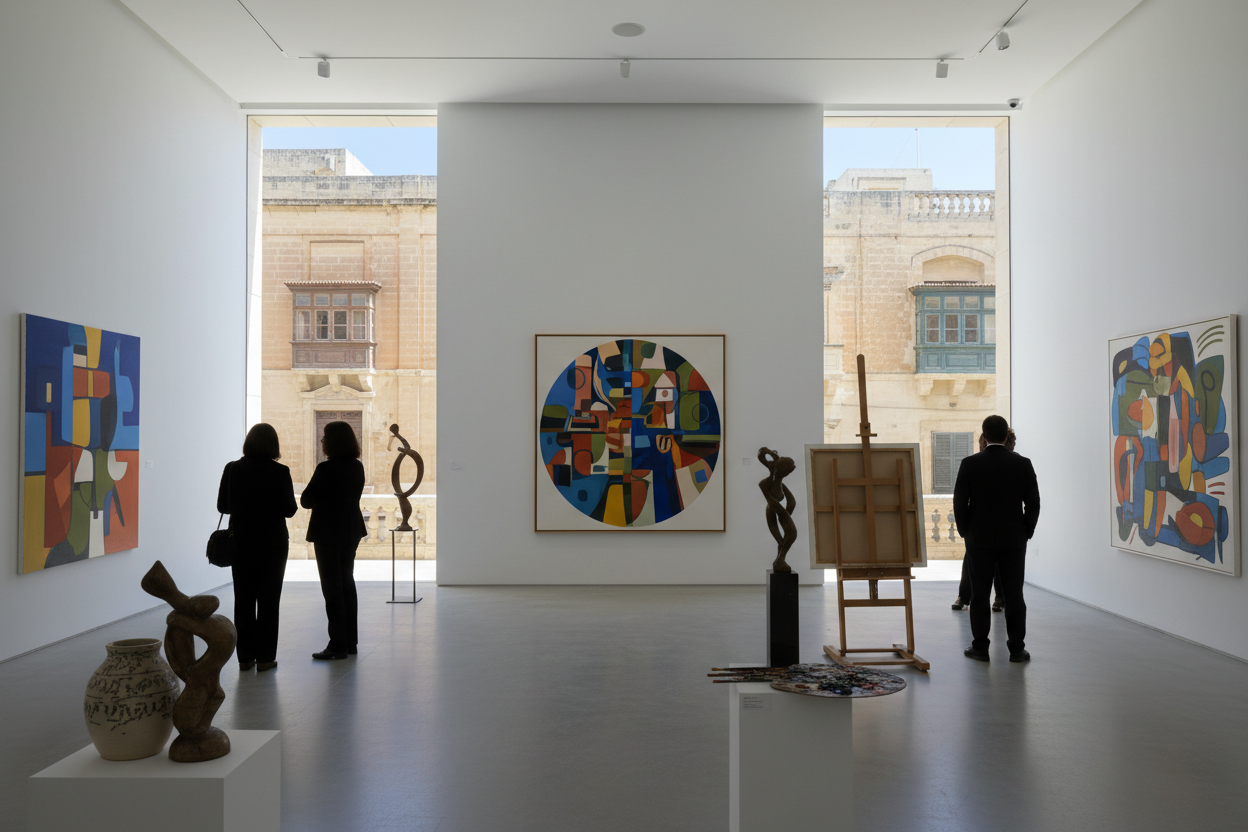
Malta Modern Art Scene: Contemporary Galleries and Artists
Nestled in the heart of the Mediterranean, Malta might be renowned for its ancient temples and baroque architecture, but the island nation has quietly cultivated one of Europe’s most vibrant contemporary art scenes. While tourists flock to see the prehistoric Hagar Qim or the stunning St. John’s Co-Cathedral, a growing number of art enthusiasts are discovering Malta’s thriving modern art galleries and innovative local artists who are reshaping the cultural landscape of this historic archipelago.
The transformation of Malta’s art scene over the past two decades has been nothing short of remarkable. What was once dominated by traditional religious art and historical preservation has evolved into a dynamic ecosystem where contemporary artists experiment with new mediums, challenge social norms, and engage with global artistic movements while maintaining their unique Mediterranean identity.
The Evolution of Malta’s Contemporary Art Movement
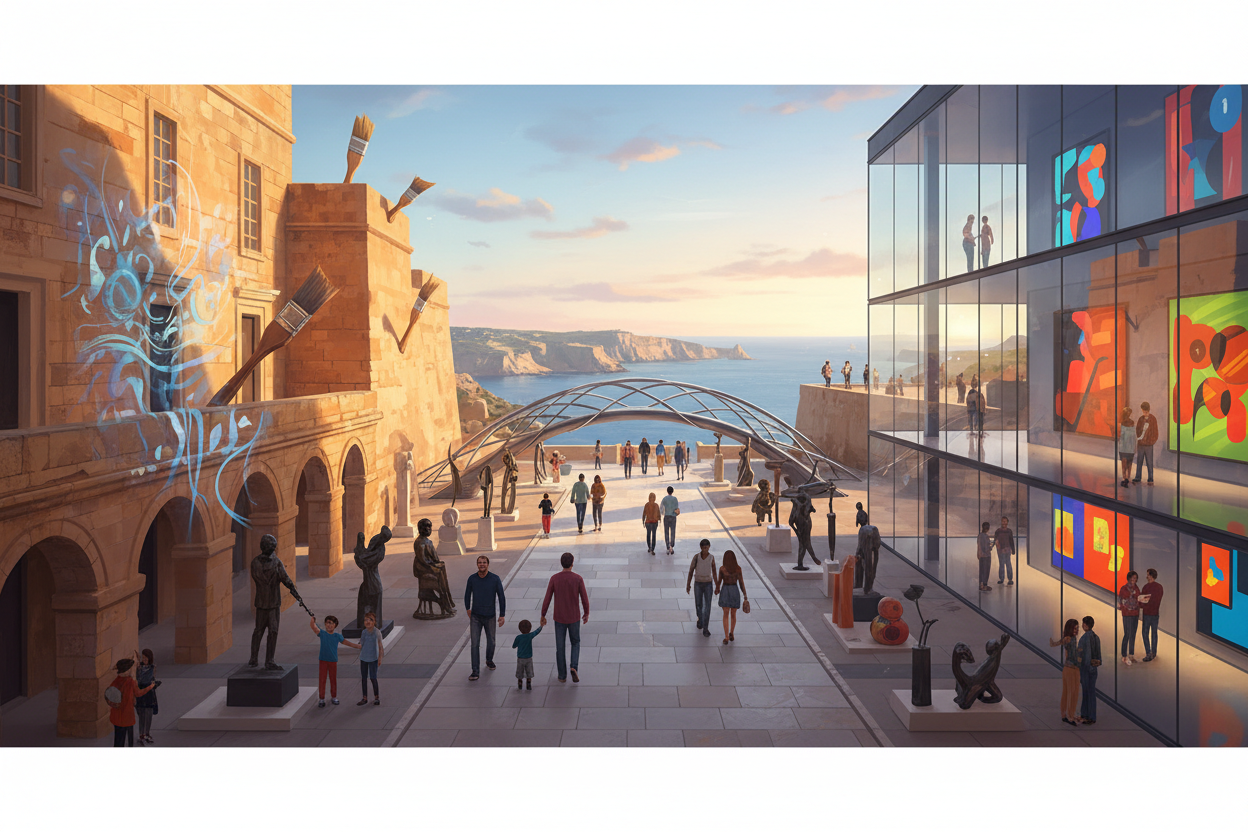
Malta’s modern art renaissance began gaining momentum in the early 2000s, coinciding with the country’s EU accession and increased cultural exchange with mainland Europe. The establishment of the Malta Arts Council and various cultural initiatives provided crucial support for emerging artists, while the restoration of historic buildings created new spaces for contemporary exhibitions.
The island’s strategic position between Europe, Africa, and the Middle East has profoundly influenced its artistic development. Contemporary Maltese artists draw inspiration from this cultural crossroads, creating works that reflect themes of migration, identity, and belonging. This unique perspective has attracted international attention, with Malta increasingly recognized as an important cultural hub in the Mediterranean region.
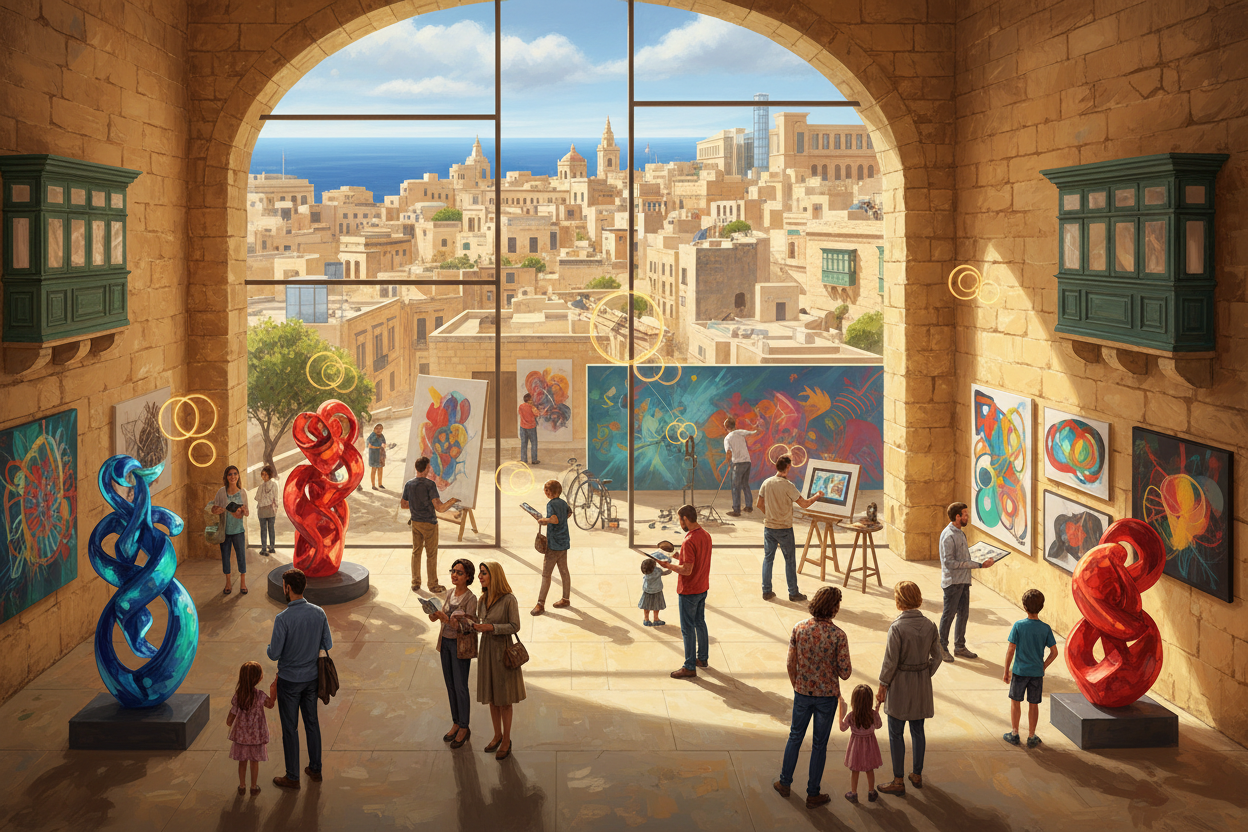
Government investment in arts infrastructure, combined with private initiatives and EU funding, has transformed abandoned spaces into cutting-edge galleries and artist studios. Former industrial buildings, historic palazzos, and even underground spaces have been repurposed to house Malta’s growing contemporary art scene.
Leading Contemporary Art Galleries in Malta
Spazju Kreattiv: Malta’s Premier Cultural Complex
Located in Valletta’s historic St. James Cavalier, Spazju Kreattiv stands as Malta’s flagship contemporary arts venue. This multidisciplinary space houses several galleries, including the prestigious Valletta Contemporary and the experimental Gallery space. The venue regularly showcases both established and emerging Maltese artists alongside international exhibitions.
What sets Spazju Kreattiv apart is its commitment to fostering dialogue between different art forms. The complex regularly hosts interdisciplinary projects that combine visual arts with theater, music, and digital media. Their annual program includes solo exhibitions by prominent Maltese artists, group shows exploring contemporary themes, and collaborative projects with international institutions.
MUZA: The National Community Art Museum
While primarily focused on Malta’s historical art collection, MUZA (Muzew Nazzjonali tal-Arti) has increasingly embraced contemporary art through its rotating exhibitions and acquisition program. The museum’s contemporary wing features works by leading Maltese artists from the 1960s onwards, providing crucial context for understanding the evolution of modern art in Malta.
MUZA’s contemporary collection includes significant works by pioneers like Esprit Barthet and Antoine Camilleri, as well as more recent acquisitions by current leading artists. The museum’s educational programs and artist talks have become essential platforms for promoting contemporary art appreciation among locals and visitors alike.
Valletta Contemporary
Situated in the capital’s cultural quarter, Valletta Contemporary has established itself as a key player in Malta’s art scene since its opening. The gallery focuses primarily on contemporary Maltese and Mediterranean artists, providing a platform for experimental and conceptual works that might not find space in more traditional venues.
The gallery’s curatorial approach emphasizes thematic exhibitions that address contemporary social and political issues. Recent exhibitions have explored themes of environmental degradation, cultural identity, and the impact of tourism on local communities. This socially engaged approach has made Valletta Contemporary a favorite among younger artists and critics.
Alternative and Independent Galleries
Beyond the established institutions, Malta’s contemporary art scene thrives in numerous independent galleries and alternative spaces. Venues like Blitz Gallery in Valletta and various pop-up exhibitions in Sliema and St. Julian’s provide platforms for experimental work and emerging artists.
These independent spaces often take risks that larger institutions cannot, showcasing provocative installations, performance art, and multimedia works. They serve as crucial incubators for new talent and provide opportunities for artists to experiment with unconventional formats and controversial themes.
Notable Contemporary Maltese Artists
Established Masters of Modern Maltese Art
Several Maltese artists have gained international recognition for their contributions to contemporary art. Austin Camilleri, known for his powerful abstract expressionist works, has exhibited extensively across Europe and continues to influence younger generations of Maltese artists. His exploration of Mediterranean light and color has become synonymous with contemporary Maltese painting.
Norbert Francis Attard has made significant contributions to conceptual art and installation work, often addressing themes of cultural identity and historical memory. His controversial and thought-provoking pieces have sparked important conversations about Malta’s colonial past and its contemporary cultural challenges.
Gabriel Caruana’s sculptural works and installations have earned him recognition as one of Malta’s most innovative contemporary artists. His ability to transform everyday materials into profound artistic statements has influenced a generation of Maltese sculptors and installation artists.
Rising Stars of the Contemporary Scene
The younger generation of Maltese artists is increasingly gaining international attention for their fresh perspectives and innovative approaches. Artists like Raphael Vella, who combines academic research with artistic practice, are pushing the boundaries of traditional art forms while engaging with global contemporary art discourse.
Stephanie Borg Psaila’s multimedia installations and video works explore themes of femininity and cultural identity in contemporary Malta. Her work has been featured in international exhibitions and represents the growing sophistication of Malta’s contemporary art production.
Other notable emerging artists include Mario Cutajar, whose photography and digital art examine urban transformation and cultural change, and Charlene Galea, whose paintings and installations address environmental concerns and social justice issues.
Artistic Themes and Cultural Influences
Contemporary Maltese art is characterized by several recurring themes that reflect the island’s unique position and contemporary challenges. Migration and cultural identity feature prominently in many works, as artists grapple with Malta’s role as a gateway to Europe and the complex social dynamics this creates.
Environmental concerns have become increasingly important in recent years, with many artists addressing issues of overdevelopment, pollution, and the impact of mass tourism on Malta’s fragile ecosystem. These works often combine aesthetic beauty with urgent social commentary, creating powerful statements about sustainability and cultural preservation.
The tension between tradition and modernity appears frequently in contemporary Maltese art. Artists explore how ancient cultural practices and beliefs interact with globalization and technological change, creating works that are both deeply rooted in Maltese culture and globally relevant.
The Impact of Cultural Events and Festivals
Malta’s contemporary art scene has been significantly boosted by various cultural events and festivals that attract international attention. The annual Malta Arts Festival showcases contemporary works alongside traditional performances, while specialized events like the Mediterranean Conference of Contemporary Art bring together artists, curators, and critics from across the region.
Valletta’s designation as European Capital of Culture in 2018 provided unprecedented opportunities for contemporary artists to showcase their work to international audiences. The legacy of this year-long celebration continues to benefit Malta’s art scene through increased cultural infrastructure and international partnerships.
Smaller, more specialized events like the annual Contemporary Art Fair and various gallery nights have created regular opportunities for public engagement with contemporary art, helping to build a more informed and enthusiastic local audience.
Future Prospects and Developments
The future of Malta’s contemporary art scene looks increasingly promising, with several major developments on the horizon. Plans for new cultural spaces and the expansion of existing galleries suggest continued growth in the sector. The establishment of artist residency programs is attracting international artists to Malta, fostering creative exchange and raising the profile of the local scene.
Digital art and new media are becoming increasingly important, with several galleries investing in technology to showcase video art, interactive installations, and virtual reality experiences. This technological embrace positions Malta’s art scene at the forefront of contemporary artistic innovation.
Educational initiatives, including new degree programs in contemporary art and increased collaboration between local institutions and international art schools, are ensuring a steady pipeline of talented artists and informed audiences for the future.
Conclusion
Malta’s contemporary art scene represents one of the Mediterranean’s best-kept cultural secrets. From world-class galleries housed in historic buildings to innovative artists addressing urgent contemporary issues, the island has transformed itself into a significant cultural destination that extends far beyond its famous historical attractions.
The combination of strong institutional support, passionate individual artists, and a unique cultural position has created an art scene that is both authentically Maltese and internationally relevant. Whether you’re an art collector, cultural tourist, or simply someone interested in contemporary creative expression, Malta’s modern art galleries and artists offer experiences that are both intellectually stimulating and deeply rewarding.
As Malta continues to evolve as a cultural destination, its contemporary art scene will undoubtedly play an increasingly important role in defining the island’s identity and attracting visitors seeking more than just sun, sea, and historical sites. The future of Malta’s art scene is bright, promising continued innovation, international recognition, and cultural enrichment for both locals and visitors alike.
 English
Leave a Reply