Malta Renewable Energy: Sustainable Tourism and Green Initiatives
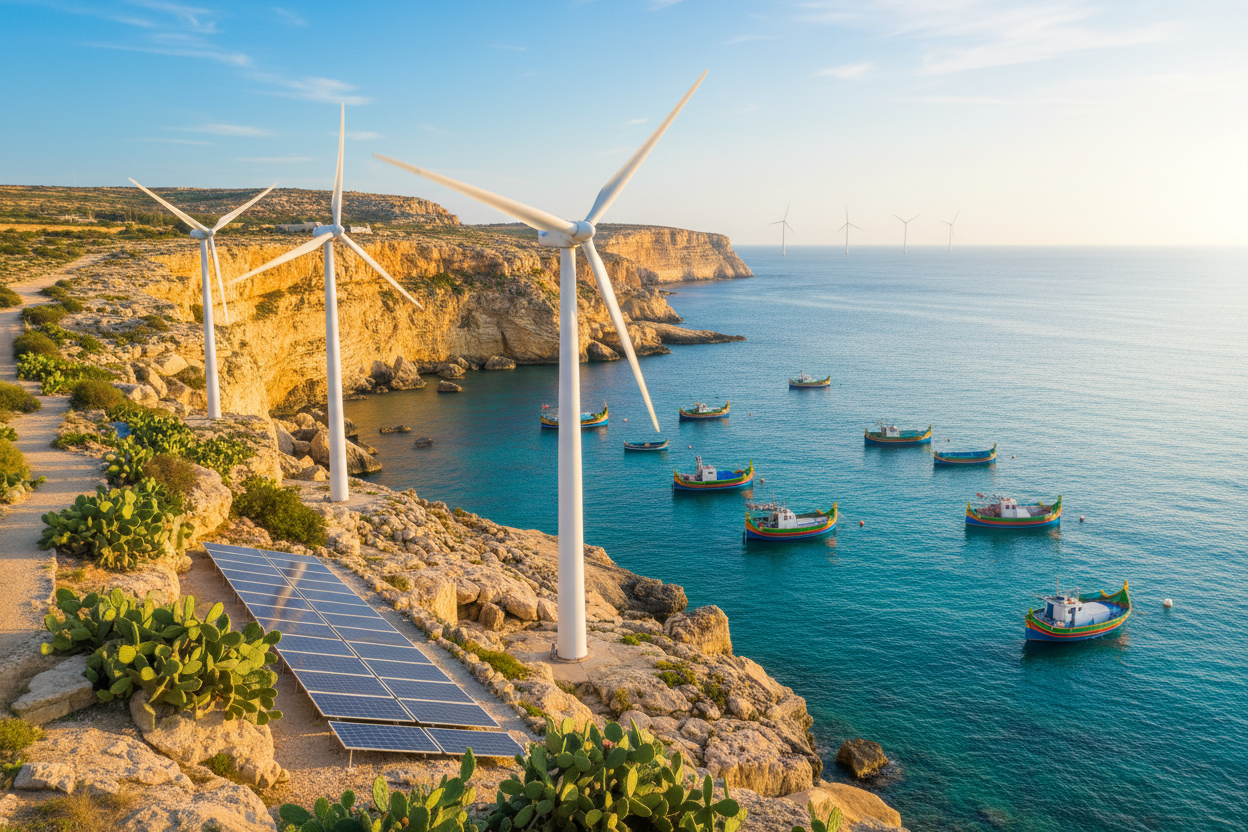
Nestled in the heart of the Mediterranean, Malta is transforming itself from a traditional tourist destination into a beacon of sustainable development. This small island nation, blessed with abundant sunshine and coastal winds, is harnessing renewable energy sources to power both its growing tourism sector and everyday life. As travelers become increasingly conscious of their environmental impact, Malta’s commitment to green initiatives is positioning it as a leader in sustainable tourism within Europe.
The archipelago’s journey toward renewable energy adoption isn’t just about reducing carbon emissions – it’s about creating a tourism model that future generations can enjoy. With over 2.6 million visitors annually, Malta recognizes that sustainable practices are essential for preserving its natural beauty and cultural heritage while maintaining economic prosperity.
Malta’s Solar Energy Revolution
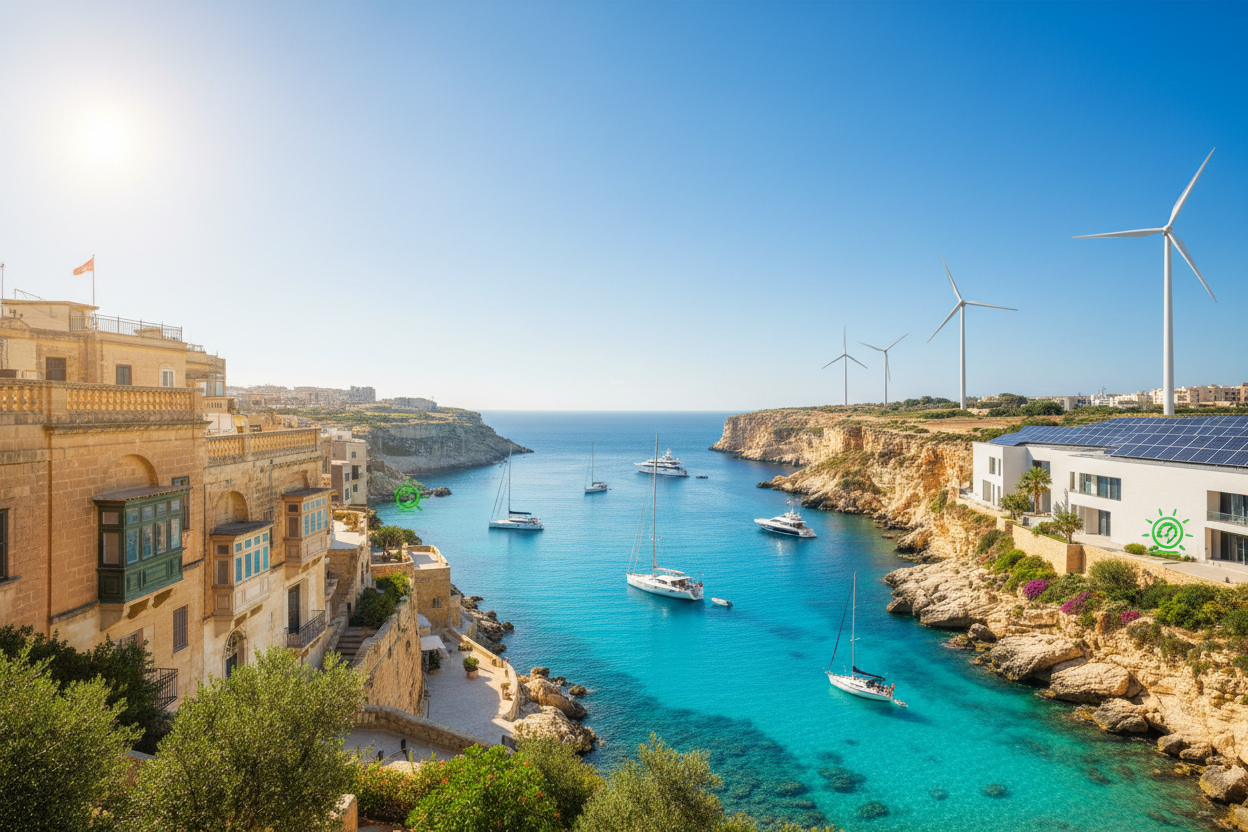
Malta’s geographical advantage becomes immediately apparent when discussing solar energy potential. With over 300 days of sunshine annually and some of the highest solar irradiation levels in Europe, the islands are perfectly positioned to harness solar power. The government’s ambitious renewable energy targets have sparked a solar revolution that’s transforming both the energy landscape and tourism infrastructure.
Hotels and resorts across Malta have embraced photovoltaic installations, with many properties achieving significant energy independence. The Corinthia Palace Hotel & Spa, for instance, has integrated solar panels into its operations, reducing energy costs while appealing to environmentally conscious travelers. These installations not only decrease operational expenses but also serve as visible commitments to sustainability that resonate with modern tourists.
The Malta Solar Water Heating Programme has been particularly successful in the hospitality sector. Many accommodations now feature solar water heating systems, dramatically reducing their reliance on conventional energy sources. This initiative demonstrates how renewable energy adoption can be both economically viable and environmentally responsible.
Wind Energy and Coastal Tourism
Malta’s position in the Mediterranean exposes it to consistent coastal winds, making wind energy another crucial component of its renewable strategy. While large-scale wind farms face spatial constraints on the small islands, innovative approaches to wind energy integration are emerging throughout the tourism sector.
Several marinas and coastal developments have incorporated small-scale wind turbines into their designs. These installations not only generate clean energy but also create unique architectural features that attract curious visitors. The integration of wind energy technology into tourist areas serves a dual purpose: reducing environmental impact while providing educational opportunities for visitors interested in renewable energy solutions.
Coastal hotels have begun experimenting with vertical axis wind turbines, which are less intrusive than traditional horizontal turbines and can operate effectively in the variable wind conditions typical of Mediterranean coastal areas. These installations often become conversation starters, allowing properties to showcase their environmental commitments to guests.
Green Hotels and Eco-Friendly Accommodations
Malta’s hospitality sector has embraced renewable energy as a cornerstone of sustainable tourism. Leading hotels are implementing comprehensive green initiatives that go far beyond simple energy conservation measures. The integration of renewable energy systems has become a competitive advantage, attracting environmentally conscious travelers willing to pay premium rates for sustainable accommodations.
The Phoenicia Malta, a luxury hotel in Valletta, exemplifies this trend with its comprehensive sustainability program. The property has invested in solar energy systems, energy-efficient lighting, and smart building management systems that optimize energy consumption based on occupancy patterns. These initiatives have resulted in substantial energy savings while enhancing the guest experience through improved comfort and environmental responsibility.
Boutique properties across the islands are also leading by example. Many smaller hotels and guesthouses have found that renewable energy installations, particularly solar systems, provide excellent returns on investment while differentiating their properties in a competitive market. The visual appeal of well-integrated solar installations often becomes a selling point, demonstrating tangible environmental commitment to guests.
Government Initiatives and Policy Support
Malta’s government has implemented robust policy frameworks supporting renewable energy adoption in the tourism sector. The National Energy and Climate Plan outlines ambitious targets for renewable energy penetration, with specific provisions for encouraging adoption in hospitality and tourism-related businesses.
Grant schemes and financial incentives have made renewable energy installations more accessible to tourism businesses of all sizes. The Malta Enterprise grant programs specifically target hospitality businesses seeking to implement sustainable energy solutions. These initiatives have accelerated adoption rates and made Malta a regional leader in sustainable tourism practices.
The government’s commitment extends beyond financial support to include regulatory frameworks that streamline permitting processes for renewable energy installations in tourism zones. This approach has reduced bureaucratic barriers and encouraged more businesses to invest in sustainable energy solutions.
Sustainable Transportation and Electric Mobility
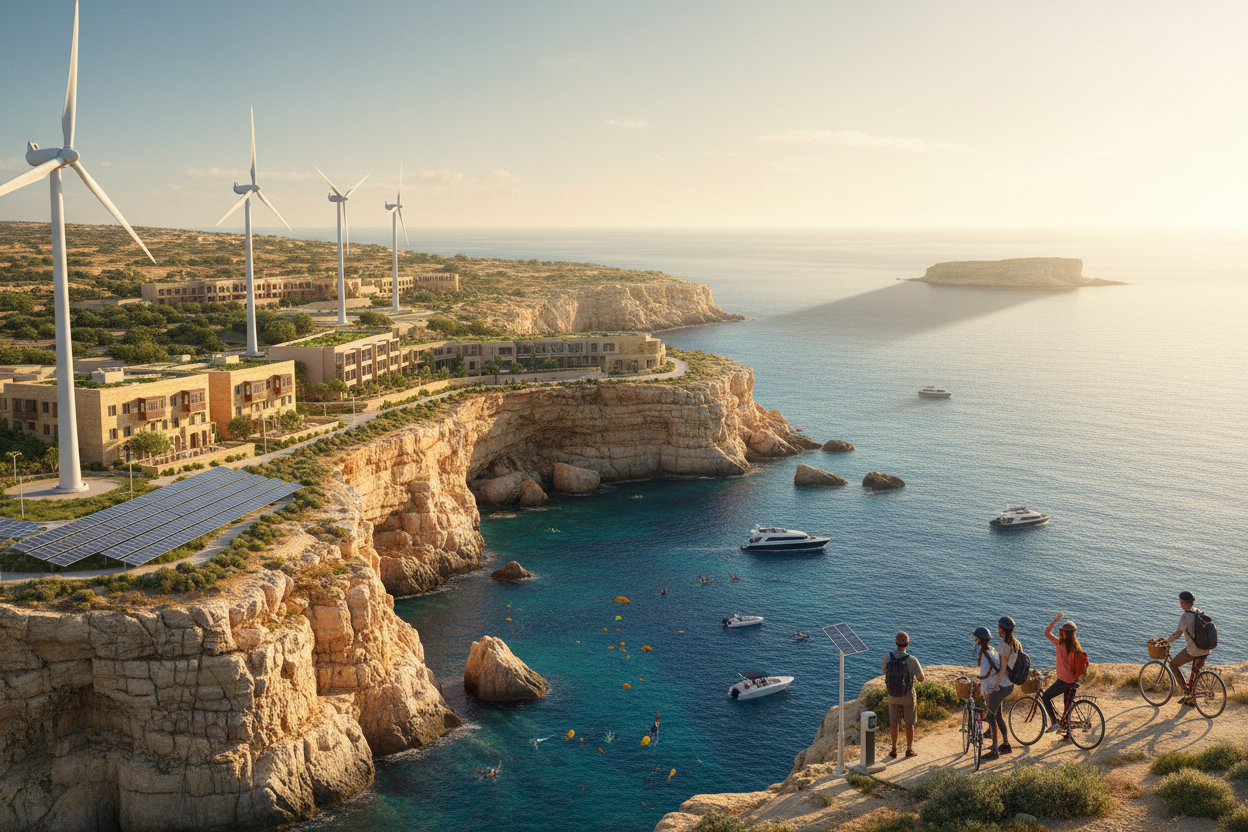
Malta’s renewable energy initiatives extend beyond stationary installations to encompass sustainable transportation solutions that enhance the tourist experience. The introduction of electric buses and the expansion of charging infrastructure powered by renewable energy sources are creating a comprehensive sustainable mobility ecosystem.
Electric vehicle rental services are becoming increasingly popular among tourists, offering visitors the opportunity to explore the islands while minimizing their environmental impact. These services are supported by a growing network of charging stations powered by solar energy, creating a truly sustainable transportation option.
The integration of electric water taxis and harbor cruises powered by renewable energy sources is revolutionizing maritime tourism. These vessels offer quieter, cleaner alternatives to traditional diesel-powered boats, enhancing the visitor experience while protecting Malta’s pristine coastal environment.
Educational Tourism and Renewable Energy
Malta’s commitment to renewable energy has created unique educational tourism opportunities that attract visitors interested in sustainable technology and environmental conservation. Technical tours of renewable energy installations, sustainability workshops, and green technology demonstrations are becoming popular tourist activities.
The University of Malta’s renewable energy research facilities offer guided tours that combine education with tourism, attracting students, professionals, and curious travelers interested in learning about sustainable energy solutions. These programs contribute to Malta’s reputation as a knowledge-based tourism destination while promoting environmental awareness.
Several hotels now offer sustainability tours as part of their guest services, showcasing their renewable energy installations and explaining their environmental initiatives. These behind-the-scenes experiences provide valuable educational content while strengthening guest engagement and loyalty.
Economic Benefits and Tourism Competitiveness
The economic advantages of renewable energy adoption in Malta’s tourism sector extend far beyond simple energy cost savings. Properties with strong sustainability credentials are commanding premium rates and achieving higher occupancy levels, particularly among younger, environmentally conscious travelers.
International tourism certifications and sustainability ratings increasingly influence booking decisions, and Malta’s renewable energy initiatives are helping properties achieve prestigious environmental certifications. These credentials enhance marketing appeal and provide competitive advantages in international markets where sustainability is increasingly valued.
The reduced operational costs achieved through renewable energy adoption allow tourism businesses to reinvest in service improvements and facility upgrades, creating a positive cycle of enhancement that benefits both businesses and visitors. This economic model demonstrates that environmental responsibility and profitability can be mutually reinforcing.
Future Prospects and Emerging Technologies
Malta’s renewable energy future in tourism looks increasingly promising as new technologies emerge and costs continue to decline. Energy storage solutions are becoming more affordable and efficient, allowing tourism properties to maximize the value of their renewable energy investments through better load management and grid independence.
Smart grid technologies are enabling more sophisticated energy management systems that can optimize renewable energy utilization across multiple properties and tourism zones. These developments promise to further enhance the economic and environmental benefits of renewable energy adoption in Malta’s tourism sector.
Emerging technologies such as agrivoltaics – combining solar panels with agricultural activities – are creating opportunities for agritourism experiences that showcase innovative approaches to sustainable land use. These developments could open new tourism niches while advancing Malta’s renewable energy goals.
Malta’s transformation into a renewable energy-powered tourism destination represents more than just an environmental initiative – it’s a comprehensive reimagining of how sustainable tourism can thrive in the 21st century. The island nation’s success in integrating renewable energy throughout its tourism sector demonstrates that environmental responsibility and economic prosperity can go hand in hand.
As global awareness of climate change continues to grow, Malta’s proactive approach to sustainable tourism positions it advantageously for the future. The combination of natural renewable energy resources, supportive government policies, and industry commitment creates a model that other destinations can emulate. For travelers seeking meaningful, responsible tourism experiences, Malta offers an inspiring example of how small nations can lead big changes in environmental stewardship while delivering exceptional visitor experiences.
The journey toward complete sustainability is ongoing, but Malta’s progress in renewable energy adoption within its tourism sector proves that ambitious environmental goals are achievable when supported by comprehensive planning, appropriate investment, and genuine commitment to sustainable development.
 English
Leave a Reply