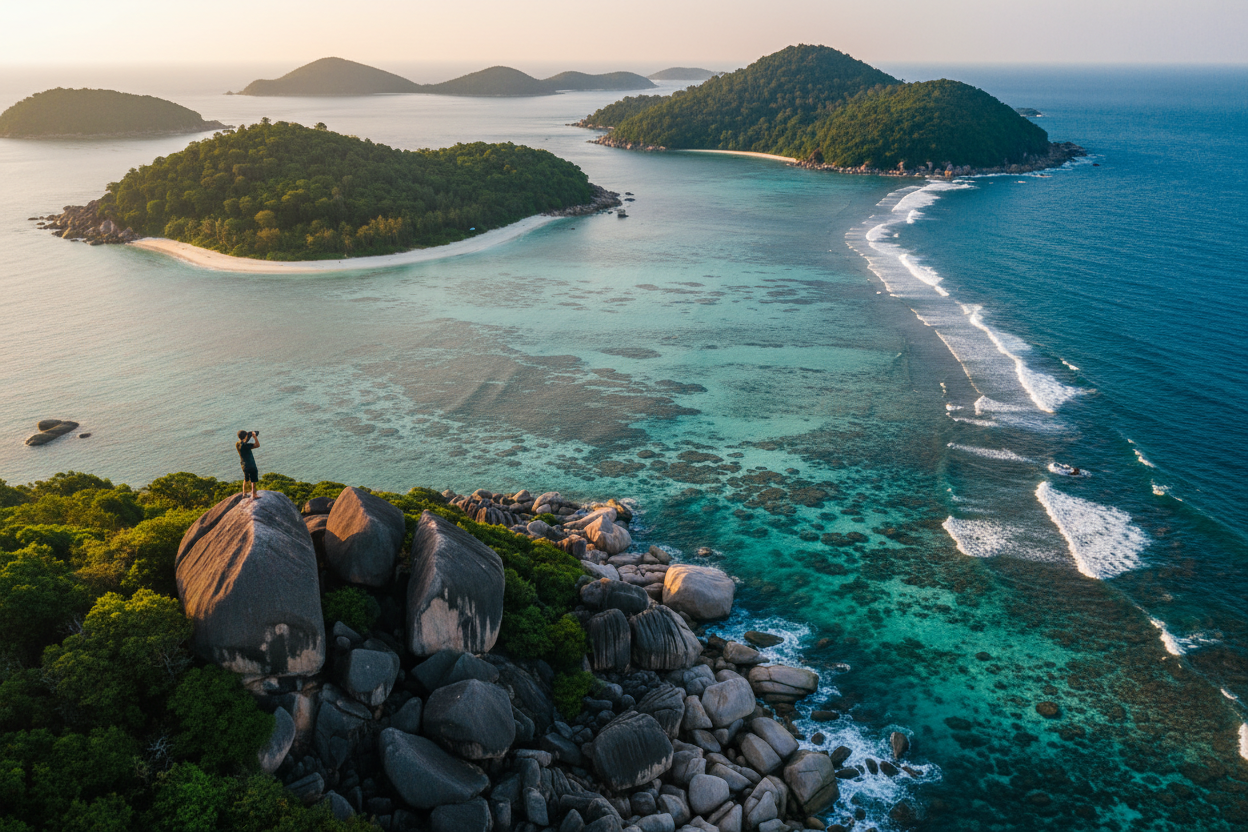
Hidden away in the turquoise waters of the Andaman Sea, the Similan Islands stand as one of Thailand’s most breathtaking natural treasures. This pristine archipelago, consisting of nine granite islands, offers photographers an unparalleled opportunity to capture some of the world’s most stunning underwater and tropical landscapes. Whether you’re wielding a professional DSLR or simply armed with your smartphone, these islands promise photographic experiences that will leave you absolutely mesmerized.
The Similan Islands National Park, established in 1982, has become synonymous with crystal-clear waters, vibrant coral reefs, and diverse marine life that creates a photographer’s dream scenario. From dramatic granite boulders that seem to defy gravity to underwater scenes that rival any aquarium display, every corner of this island chain presents a new opportunity to capture nature’s artistry.
Getting to the Similan Islands: Your Gateway to Paradise
Reaching the Similan Islands requires some planning, but the journey itself becomes part of your photographic adventure. Most visitors depart from Khao Lak or Phuket, with speedboat transfers taking approximately 60 to 90 minutes depending on your starting point. The boat ride offers excellent opportunities for seascape photography, especially during the golden hour when the morning sun casts its warm glow across the Andaman Sea.
The islands are typically accessible from November to April, when the monsoon season subsides and sea conditions become ideal for both diving and photography. During this period, underwater visibility can reach up to 30 meters, creating perfect conditions for capturing the marine ecosystem in all its glory. It’s worth noting that the park closes during the monsoon season to allow the ecosystem to recover and regenerate.
For photographers serious about their craft, consider booking a liveaboard diving trip. These multi-day excursions provide unmatched access to remote dive sites and allow you to photograph the islands during different lighting conditions throughout the day. The soft light of dawn and the dramatic colors of sunset create entirely different moods and photographic opportunities.
Above Water Photography: Capturing Tropical Perfection
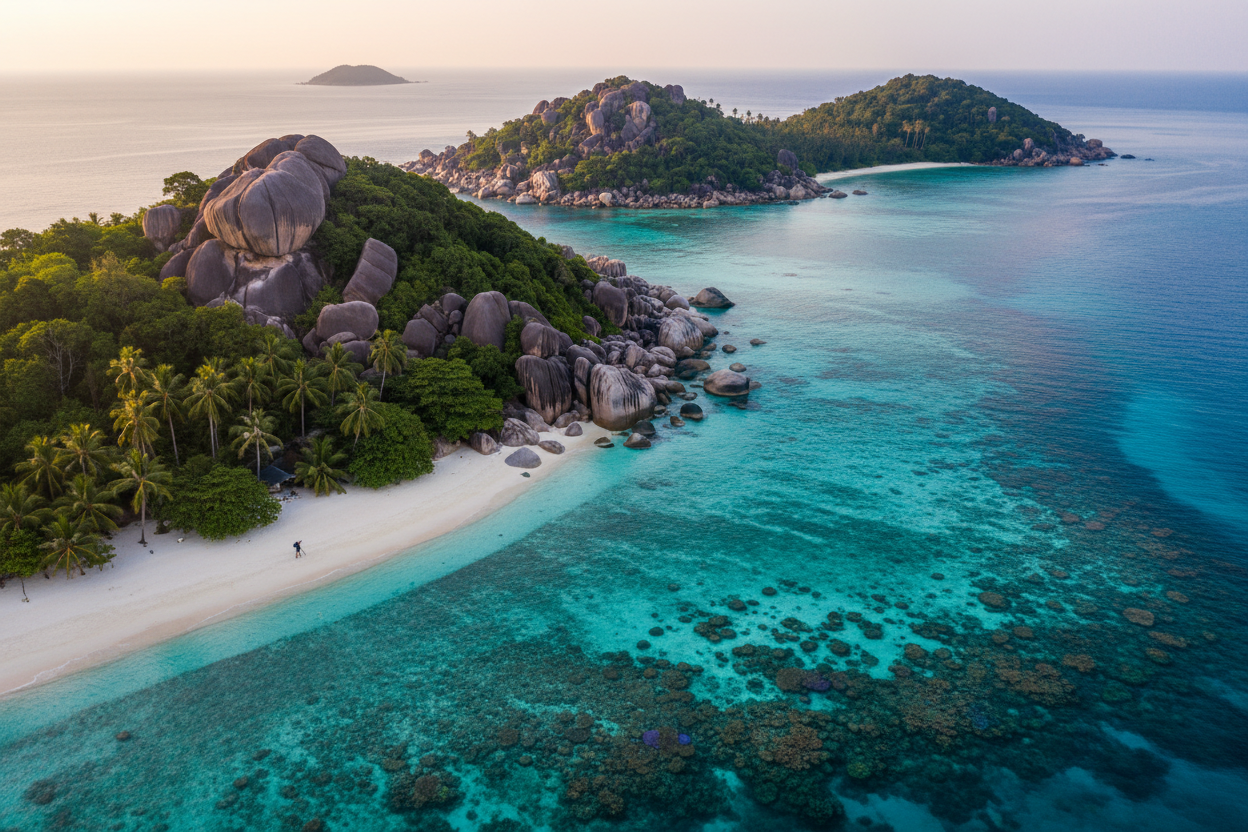
The Similan Islands offer some of Thailand’s most photogenic landscapes above the waterline. Each island presents unique characteristics that appeal to different photographic styles and preferences. Island number four, known as Koh Miang, features pristine white sand beaches that create stunning contrast against the deep blue waters and lush tropical vegetation.
The most iconic photographic location is undoubtedly Island number eight, Koh Similan, home to the famous Sail Rock formation. This massive granite boulder, balanced precariously on the hillside, has become the unofficial symbol of the islands. The hike to reach this vantage point rewards photographers with panoramic views that encompass the entire archipelago. Early morning visits provide the best lighting conditions, with soft, diffused light that enhances the natural colors without creating harsh shadows.
Beach photography enthusiasts will find endless inspiration along the pristine shorelines. The contrast between the white coral sand, crystal-clear turquoise water, and dense jungle creates compositions that seem almost too perfect to be real. Long exposure techniques work particularly well here, smoothing out the gentle waves and creating an ethereal, dreamlike quality in your images.
Wildlife photography opportunities abound throughout the islands. Hermit crabs scurry across the beaches, providing excellent macro photography subjects, while various seabird species nest in the coastal vegetation. The interplay between wildlife and their pristine environment creates compelling storytelling opportunities for nature photographers.
Underwater Photography: Diving into an Aquatic Wonderland
The real magic of the Similan Islands lies beneath the surface, where an underwater photographer’s paradise awaits. The islands are renowned worldwide for their exceptional diving conditions and diverse marine ecosystems. The western sides of the islands feature dramatic underwater topography with swim-throughs, caves, and massive granite boulders creating natural underwater cathedrals.
Richelieu Rock, though technically separate from the main Similan group, is often included in photography tours and represents one of the world’s premier underwater photography destinations. This submerged pinnacle attracts massive schools of fish, creating dynamic, ever-changing compositions that challenge and inspire underwater photographers. Barracuda tornadoes, trevally schools, and the occasional whale shark appearance provide opportunities for truly spectacular wide-angle underwater photography.
The coral reefs surrounding the islands showcase an incredible diversity of marine life perfect for macro photography. Vibrant soft corals in shades of purple, orange, and yellow create colorful backdrops for the numerous reef fish species that call these waters home. Angelfish, butterflyfish, and parrotfish provide excellent subjects for behavioral photography, while smaller creatures like nudibranchs and ornate ghost pipefish offer challenges for dedicated macro photographers.
For underwater photographers, the eastern sides of the islands provide gentler conditions ideal for beginners or those focusing on close-up reef photography. The shallower depths and calmer waters make it easier to work on composition and lighting techniques while still providing access to healthy coral gardens and diverse marine life.
Best Photography Equipment for the Similan Islands
Choosing the right equipment for your Similan Islands photography adventure requires careful consideration of both above and underwater shooting conditions. For terrestrial photography, a versatile zoom lens covering wide-angle to moderate telephoto ranges proves invaluable for landscape and wildlife work. A sturdy tripod becomes essential for long exposure beach photography and stable compositions during the golden hour.
Underwater photography equipment needs vary significantly based on your experience level and budget. Entry-level underwater photographers can achieve excellent results with waterproof action cameras or smartphone housings. These compact solutions offer ease of use and surprising image quality for sharing on social media and creating lasting memories of your underwater encounters.
Serious underwater photographers should consider bringing or renting professional underwater camera systems. Full-frame cameras in underwater housings, paired with appropriate underwater strobes, provide the image quality and control necessary for professional-level underwater photography. Wide-angle lenses excel for capturing the dramatic underwater landscapes and large marine life encounters, while macro lenses reveal the intricate details of smaller reef inhabitants.
Don’t forget essential accessories like lens cleaning supplies, extra batteries, and plenty of memory cards. The incredible photographic opportunities available throughout the islands mean you’ll likely shoot far more images than initially planned. Underwater photographers should also pack backup O-rings and basic maintenance supplies to keep their equipment functioning properly in the marine environment.
Photography Tips and Techniques for Maximum Impact
Successful photography in the Similan Islands requires understanding how to work with tropical lighting conditions and marine environments. The intense tropical sun can create challenging lighting situations, particularly during midday hours. Consider using polarizing filters to reduce glare from water surfaces and enhance color saturation in both sky and water.
Golden hour photography takes on special significance in tropical locations. The brief periods just after sunrise and before sunset provide warm, soft light that enhances the natural beauty of the islands. Plan your shooting schedule around these optimal lighting conditions, and scout locations during harsh midday light for later golden hour sessions.
Underwater photography success depends heavily on understanding natural light penetration and artificial lighting techniques. Shallow reef areas often provide sufficient natural light for photography without strobes, but deeper locations require artificial lighting to restore natural colors. Red light disappears first underwater, so strobes become essential for capturing the true vibrancy of coral reefs and marine life.
Composition techniques that work well in the Similan Islands include using the dramatic granite boulders as foreground elements in landscape shots and incorporating the clear blue water as negative space to create clean, uncluttered compositions. Underwater, look for opportunities to shoot upward toward the surface, using sunbeams and silhouettes to create dramatic, artistic images.
Conservation and Responsible Photography
The pristine beauty of the Similan Islands exists thanks to careful conservation efforts and responsible tourism practices. As photographers, we bear special responsibility for protecting these environments while documenting their beauty. Follow all park regulations, including restrictions on touching or disturbing marine life and coral formations.
Underwater photographers should maintain neutral buoyancy to avoid damaging delicate coral structures. Never rest equipment on coral or use reef formations to steady yourself for shots. The temporary convenience is never worth the permanent damage to these slow-growing ecosystems that took decades or centuries to develop.
Consider how your photography can contribute to conservation efforts. Images that showcase the natural beauty and biodiversity of the Similan Islands help raise awareness about the importance of marine conservation. Share your images responsibly, highlighting the need to protect these environments for future generations to enjoy and photograph.
Support local conservation efforts by choosing tour operators committed to sustainable practices. Many photography tour operators now contribute portions of their profits to marine conservation projects and employ local guides who understand the importance of protecting their natural heritage.
Planning Your Photography Adventure
Timing your visit to the Similan Islands can significantly impact your photographic success. The peak season from December to March offers the most reliable weather conditions and best underwater visibility, but also brings larger crowds that can complicate photography efforts. Consider visiting during shoulder seasons for fewer crowds while still maintaining good conditions.
Multi-day liveaboard trips provide the most comprehensive photographic opportunities, allowing access to remote sites and multiple golden hour sessions. Day trips work well for those with limited time but require careful planning to maximize shooting opportunities within time constraints.
Weather conditions can change rapidly in tropical environments, so maintain flexibility in your shooting plans. Cloudy conditions that might seem disappointing for landscape photography often create ideal conditions for underwater work, with diffused sunlight providing even illumination of reef scenes.
Connect with local dive operators and guides who understand the best locations and timing for specific types of photography. Their knowledge of marine life behavior patterns and seasonal variations can help you position yourself for unique photographic opportunities that casual visitors might miss.
Conclusion: Preserving Paradise Through Photography
The Similan Islands represent one of our planet’s most spectacular natural photography destinations, offering endless opportunities for both novice and professional photographers. From the dramatic granite formations rising above pristine beaches to the vibrant underwater ecosystems teeming with marine life, every moment spent in this tropical paradise provides new inspiration and photographic challenges.
The islands remind us why photography serves as such a powerful tool for conservation and environmental awareness. Through our lenses, we can share the incredible beauty of these remote islands with people around the world, inspiring others to appreciate and protect these precious marine ecosystems. Each photograph becomes a testament to the importance of preserving these natural treasures for future generations.
Whether you’re capturing the perfect sunset silhouette against Sail Rock, documenting the intricate patterns of coral formations, or freezing the graceful movement of a manta ray, the Similan Islands provide a photographic experience that will profoundly impact your perspective on nature photography. The memories and images you create here will serve as lasting reminders of one of the world’s most beautiful and fragile marine environments.
As you plan your photographic journey to the Similan Islands, remember that the best camera is the one you have with you, and the most important element of any photograph is the story it tells. These islands provide the setting; your vision and creativity will determine how effectively you share their beauty with the world.
 English
Leave a Reply