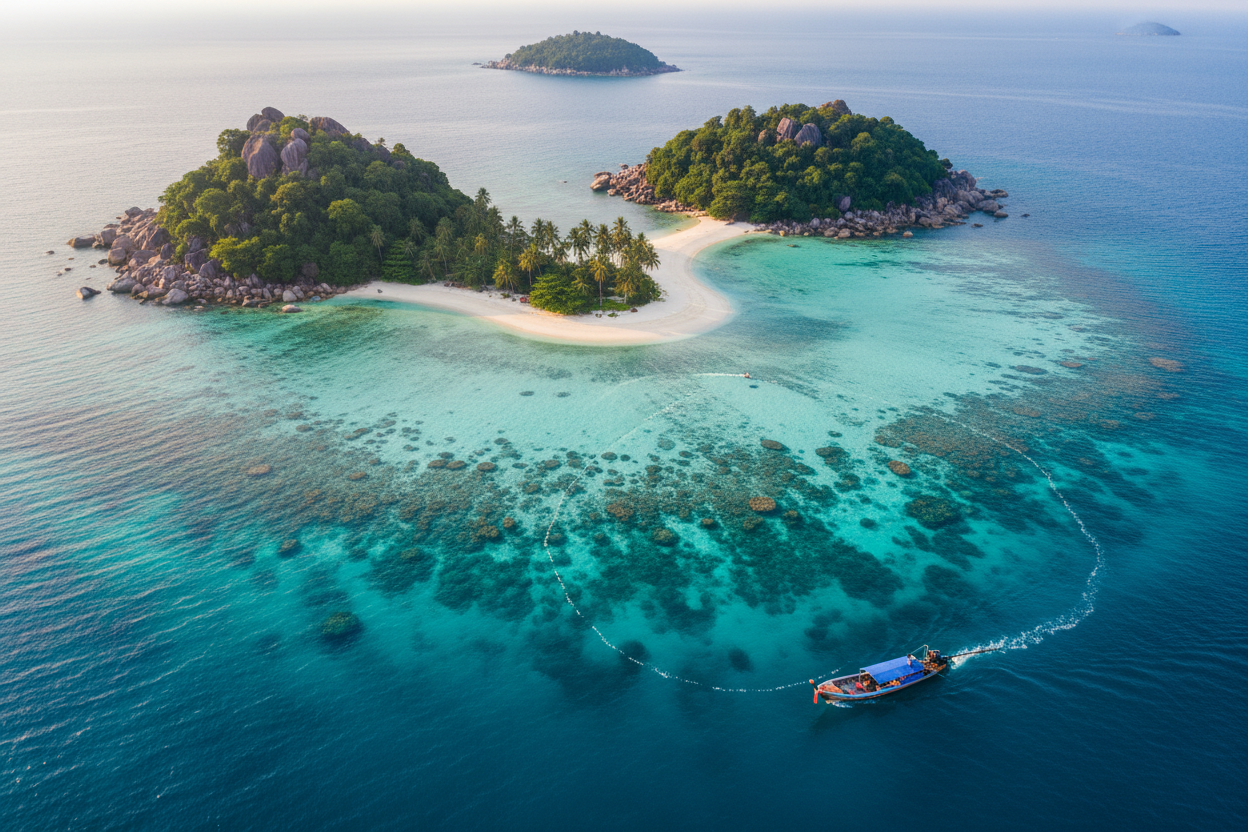
Picture this: crystal-clear turquoise waters stretching endlessly toward the horizon, pristine white sand beaches that feel like powder beneath your feet, and underwater worlds so vibrant they seem almost unreal. Welcome to the Similan Islands, Thailand’s crown jewel of marine national parks and one of the world’s premier diving destinations.
Located in the Andaman Sea, approximately 84 kilometers northwest of Phuket, the Similan Islands comprise nine granite islands that offer some of the most spectacular island hopping experiences in Southeast Asia. Whether you’re a seasoned traveler or planning your first tropical adventure, navigating these islands like a pro requires insider knowledge, careful planning, and respect for this protected marine ecosystem.
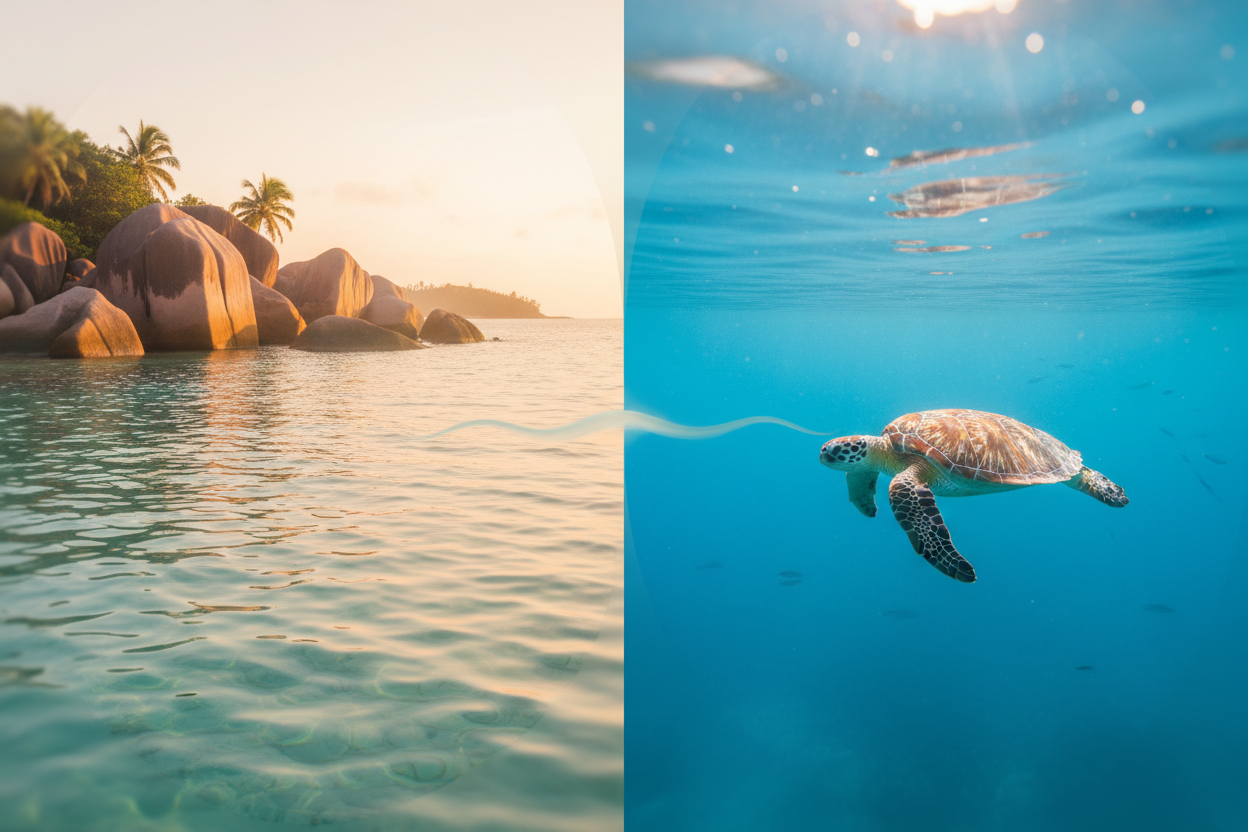
This comprehensive guide will transform you from a curious tourist into a confident island explorer, equipped with everything you need to know about timing your visit, choosing the right transportation, discovering hidden gems, and making the most of your Similan Islands adventure.
Understanding the Similan Islands: Your Gateway to Paradise
The Similan Islands, known locally as “Koh Similan,” derive their name from the Malay word “sembilan,” meaning nine. Each island has its own character and attractions, numbered from south to north. Islands 1, 2, and 3 remain off-limits to tourists to protect nesting sea turtles, while islands 4 through 9 offer unique experiences for visitors.
What makes the Similans truly special isn’t just their postcard-perfect beauty. These islands sit atop an underwater mountain range, creating diverse marine ecosystems that support over 500 species of fish and countless coral varieties. The granite boulders that characterize the landscape both above and below water create dramatic formations that photographers and divers dream about.
The islands operate as a national park, which means strict regulations govern visitor access. This protection has preserved the natural beauty that makes island hopping here so extraordinary. Understanding these rules and the islands’ layout will help you plan an itinerary that maximizes your experience while respecting the environment.
Perfect Timing: When to Visit the Similan Islands
Timing your Similan Islands adventure correctly can make the difference between a good trip and an unforgettable one. The islands are only accessible during the dry season, typically from October to May, when the national park officially opens to visitors.
The peak season runs from December through March, offering the calmest seas and most predictable weather conditions. During these months, you’ll encounter the clearest visibility for diving and snorkeling, with water temperatures hovering around a comfortable 28-30°C. However, this popularity comes with crowds and higher prices.
For those seeking a more intimate experience, consider visiting during the shoulder seasons of October-November or April-May. October and November still carry some risk of occasional rain, but you’ll find fewer tourists and better deals on accommodation and tours. April and May offer excellent conditions with warming temperatures and calmer crowds before the monsoon season begins.
Weather patterns in the Andaman Sea can be unpredictable, so always check current conditions and have flexible plans. The southwest monsoon typically arrives in May or June, bringing rough seas and heavy rainfall that make island hopping impossible and force the park’s closure.
Transportation Options: Getting There and Moving Around
Your journey to the Similan Islands begins with choosing the right transportation method, and several options cater to different budgets, time constraints, and comfort preferences.
Most visitors start from either Phuket or Khao Lak, with Khao Lak being closer and often more convenient. From Khao Lak, speedboat transfers take approximately 90 minutes to reach the islands, while slower longtail boats require 2-3 hours. Phuket departures add another 30-60 minutes to these journey times.
Speedboat day trips represent the most popular option for first-time visitors. These tours typically include multiple island stops, snorkeling equipment, lunch, and round-trip transportation. While convenient, day trips can feel rushed and limit your ability to explore at your own pace.
For a more immersive experience, consider liveaboard diving boats that offer multi-day trips. These vessels provide comfortable accommodation, meals, and the opportunity to dive multiple sites while avoiding the daily crowds of day-trippers. Liveaboards suit serious divers and those wanting to maximize their underwater time.
Private boat charters offer the ultimate flexibility, allowing you to customize your itinerary and spend as much time as desired at each location. While more expensive, private charters work well for families, groups, or anyone seeking a personalized experience away from the standard tourist routes.
Must-Visit Islands: Your Island Hopping Itinerary
Each accessible Similan Island offers distinct attractions and experiences. Understanding what makes each special helps you prioritize your time and create an itinerary that matches your interests.
Island 4, known as Koh Miang, serves as the park headquarters and offers the best facilities for visitors. Here you’ll find the only accommodation options within the park, restaurants, and well-maintained hiking trails. The island features two beautiful beaches and excellent snorkeling spots just offshore. The coral gardens around Koh Miang provide perfect introduction sites for beginning snorkelers.
Island 7, Koh Payu, remains relatively undeveloped but rewards visitors with some of the most pristine beaches in the archipelago. The island’s small size makes it perfect for a peaceful lunch stop or quiet exploration. The surrounding waters offer excellent snorkeling with healthy coral formations and abundant fish life.
Island 8, Koh Similan, represents the archipelago’s crown jewel and most photographed location. The famous Sailing Rock formation creates dramatic landscapes both above and below water. Climbing to the viewpoint requires moderate fitness but rewards you with panoramic views across the entire island chain. The beaches here rank among Thailand’s most beautiful, with incredibly soft sand and clear waters.
Island 9, Koh Bangu, offers the northernmost experience with excellent diving sites nearby. Christmas Point and Breakfast Bend provide world-class underwater experiences with granite swim-throughs and diverse marine life. The island itself features pleasant beaches and good snorkeling opportunities for non-divers.
Snorkeling and Diving: Exploring Underwater Wonders
The Similan Islands’ reputation as a world-class diving destination stems from their incredible underwater diversity and pristine conditions. Whether you’re snorkeling from the surface or diving deep with scuba gear, the marine experiences here will leave lasting memories.
Snorkeling around the Similans requires minimal experience but offers maximum rewards. The shallow coral gardens surrounding most islands teem with tropical fish, including parrotfish, angelfish, butterflyfish, and countless other species. Many snorkeling sites feature easy entry points from beaches, making them accessible to all skill levels.
The granite boulder formations create unique underwater landscapes with swim-throughs, caves, and channels that shelter marine life. These formations also provide natural protection from currents, creating calm areas perfect for leisurely snorkeling sessions.
For certified divers, the Similans offer some of the world’s best dive sites. Richelieu Rock, technically outside the main island group, hosts whale shark encounters and incredible biodiversity. Elephant Head Rock features dramatic swim-throughs and caverns filled with soft corals and reef fish. Deep Six offers wall diving with pelagic species and excellent visibility.
Water visibility typically ranges from 15-40 meters, with the best conditions occurring during the dry season’s peak months. Water temperatures remain comfortable year-round, requiring only light wetsuit protection. The diversity of dive sites means both beginners and advanced divers find suitable challenges and experiences.
Practical Tips for Island Hopping Success
Successful Similan Islands navigation requires preparation, respect for local regulations, and practical knowledge that enhances your experience while protecting the environment.
Packing appropriately makes a significant difference in your comfort and enjoyment. Bring reef-safe sunscreen to protect both your skin and the coral reefs. Pack a waterproof bag for electronics and important documents, as boat transfers can involve splashing and occasional rain. Quick-dry clothing works best for island hopping, allowing you to transition easily between water activities and land exploration.
The national park enforces strict environmental regulations designed to preserve the islands’ natural beauty. Touching or stepping on coral is prohibited and can result in significant fines. Feeding fish disrupts natural behavior patterns and is strictly forbidden. Collecting shells, coral, or any natural materials violates park rules and damages the ecosystem.
Respect for local customs and other visitors enhances everyone’s experience. Keep noise levels moderate, especially during early morning and evening hours when wildlife is most active. Dispose of all trash properly, and consider bringing reusable water bottles to minimize plastic waste.
Photography enthusiasts should bring underwater cameras or waterproof housings to capture the incredible marine life and crystal-clear waters. However, maintain respectful distances from marine animals and never use flash photography underwater, as it can stress fish and other sea creatures.
Stay hydrated throughout your island hopping adventure, as the tropical sun and saltwater exposure can quickly lead to dehydration. Most tours provide water and soft drinks, but bringing extra fluids ensures you stay comfortable during long days on the water.
Accommodation and Dining Options
While the Similan Islands offer limited accommodation options due to their protected status, understanding your choices helps you plan the perfect stay length and experience type.
On-island accommodation exists only on Island 4 (Koh Miang), where the national park operates basic bungalows and camping facilities. These simple accommodations provide an authentic island experience with minimal environmental impact. Staying overnight allows you to experience the islands without day-trip crowds and enjoy spectacular sunrises and sunsets.
The park bungalows offer basic amenities including beds, fans, and shared bathroom facilities. While not luxurious, they provide clean, comfortable shelter and the unique opportunity to fall asleep to the sound of waves. Advanced booking is essential, especially during peak season, as accommodation fills quickly.
Camping represents the most budget-friendly option for overnight stays. The national park provides designated camping areas with basic facilities, or you can rent tents and equipment on-site. Camping offers the ultimate connection with nature but requires preparation for basic conditions and outdoor living.
Most visitors choose to stay in Khao Lak or Phuket and take day trips to the islands. This approach provides access to a full range of accommodation options, from budget hostels to luxury resorts, while still allowing island exploration during optimal daylight hours.
Dining on the islands is limited to the restaurant on Island 4 and packed lunches provided by tour operators. The island restaurant serves simple Thai dishes and fresh seafood, but options remain basic. Most day trips include lunch as part of the package, typically featuring Thai curry, rice, fresh fruit, and beverages.
Conservation and Responsible Tourism
The Similan Islands’ pristine condition results from careful conservation efforts and responsible tourism practices. As a visitor, you play a crucial role in preserving this natural wonder for future generations.
The Thai government established the Similan Islands National Park in 1982, recognizing the area’s exceptional marine biodiversity and the need for protection. Park authorities continuously monitor visitor numbers, regulate activities, and enforce environmental protection measures to maintain the delicate balance between tourism and conservation.
Climate change poses ongoing challenges to coral reef systems worldwide, and the Similans are not immune. Rising sea temperatures, ocean acidification, and extreme weather events threaten the very ecosystems that make these islands special. Responsible tourism practices help minimize additional stress on these vulnerable environments.
Choose tour operators committed to sustainable practices and environmental protection. Look for companies that limit group sizes, provide environmental education, and follow strict guidelines for wildlife interactions. Supporting responsible operators encourages industry-wide adoption of sustainable practices.
Your individual actions make a collective difference. Use only reef-safe sunscreen, avoid single-use plastics, respect wildlife viewing distances, and follow all park regulations. Consider participating in conservation activities like beach cleanups or coral restoration programs if opportunities arise.
Making the Most of Your Similan Islands Adventure
The Similan Islands offer an extraordinary escape into one of the world’s most pristine marine environments. Success in navigating these islands like a pro comes from understanding their unique characteristics, respecting their protected status, and embracing the natural rhythms of island life.
Whether you spend a single day island hopping or multiple days exploring every accessible beach and dive site, the Similans will leave you with memories that last a lifetime. The key lies in balancing adventure with responsibility, ensuring that your visit contributes to the long-term preservation of this natural treasure.
Remember that the best island hopping experiences often come from slowing down, observing carefully, and appreciating the small details that make each island special. From the way morning light illuminates granite boulders to the peaceful moment when a sea turtle glides past during your snorkeling session, the Similan Islands reward those who take time to truly connect with their environment.
Plan your visit during optimal weather conditions, choose transportation and accommodation that match your comfort preferences and budget, and always prioritize environmental protection in your decisions. With proper preparation and the right mindset, your Similan Islands adventure will exceed expectations and provide inspiration for future travels to protected natural areas around the world.
The Similan Islands represent more than just a tourist destination; they embody the possibility of harmonious coexistence between human recreation and natural preservation. By navigating these islands responsibly and sharing your experiences with others, you become an ambassador for sustainable tourism and environmental conservation that extends far beyond your individual journey.
 English
Leave a Reply