Malta Carnival: Traditional Celebrations and Costume Culture
When February arrives in Malta, the Mediterranean islands transform into a vibrant spectacle of colors, music, and unbridled joy. The Malta Carnival, one of Europe’s most authentic and spirited celebrations, brings together centuries-old traditions with modern creativity in a dazzling display that captivates locals and visitors alike. This remarkable festival, deeply rooted in Maltese culture, offers an extraordinary glimpse into the island’s rich heritage while showcasing the artistic talents of its people through elaborate costumes and theatrical performances.
The Malta Carnival isn’t just a party – it’s a cultural phenomenon that reflects the island’s unique position at the crossroads of European and Mediterranean civilizations. From the narrow streets of Valletta to the bustling squares of Floriana, the entire nation comes alive with a energy that’s both infectious and deeply meaningful. Whether you’re planning to attend or simply curious about this fascinating tradition, understanding the Malta Carnival opens a window into the soul of Maltese society.
The Rich History of Malta Carnival
The origins of Malta Carnival stretch back to the 15th century, when the Knights of St. John ruled the islands. Historical records suggest that the celebration began as a pre-Lenten festivity, allowing people to indulge in merriment before the solemn period of Lent. However, the carnival we know today truly took shape during the rule of Grand Master Piero de Ponte in 1535, who officially recognized and encouraged these festivities.
During the British colonial period, the carnival faced various restrictions and modifications, but it never lost its essence. The Maltese people’s determination to preserve their cultural identity meant that carnival traditions continued to evolve while maintaining their authentic character. After Malta gained independence in 1964, the carnival experienced a renaissance, with increased government support and growing international recognition.
What makes Malta Carnival particularly special is its grassroots nature. Unlike some commercialized celebrations elsewhere, this festival remains deeply connected to local communities. Families pass down costume-making techniques through generations, neighborhood groups spend months preparing elaborate floats, and the entire event maintains an intimate, authentic atmosphere that reflects genuine Maltese hospitality.
Traditional Carnival Events and Activities
The Malta Carnival officially spans five days, typically occurring in February or early March, but preparations begin months in advance. The festivities kick off with the official opening ceremony in Valletta, where the carnival king and queen are crowned amid great fanfare. This ceremony sets the tone for days of non-stop entertainment that transforms the capital city into an open-air theater.
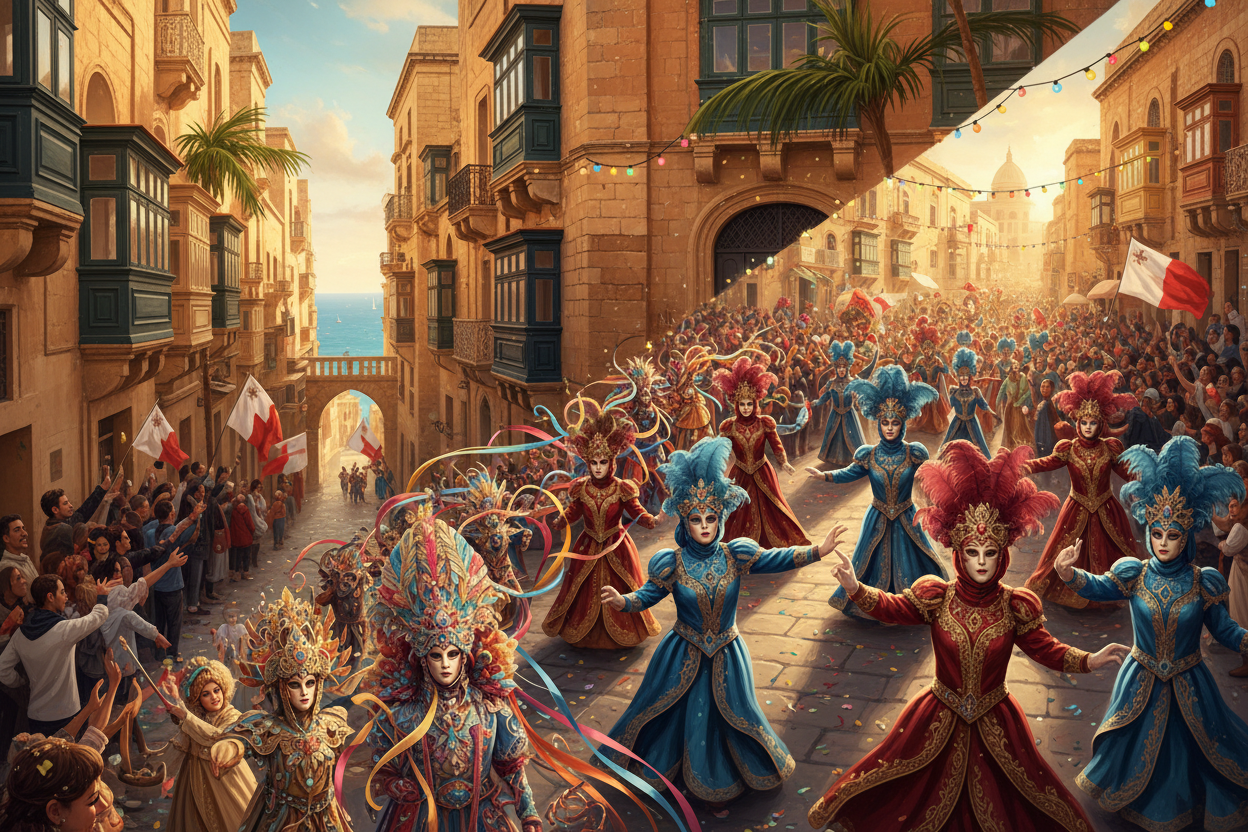
The highlight of the carnival is undoubtedly the grand parade through Valletta’s historic streets. Massive allegorical floats, some reaching impressive heights, navigate the narrow roads while dancers, musicians, and performers create a moving spectacle of art and culture. These parades aren’t merely processions – they’re carefully choreographed performances that tell stories, convey social messages, or simply celebrate the joy of creativity.
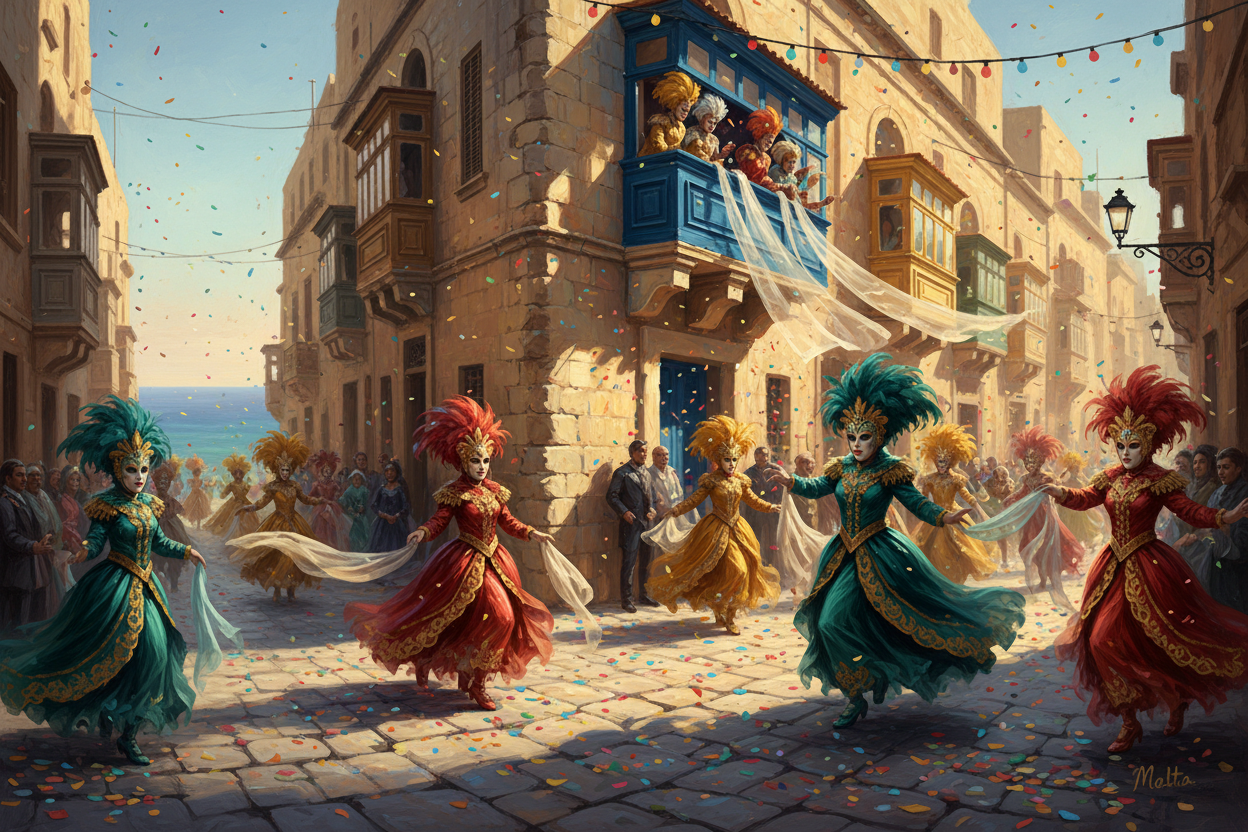
Street performances occur throughout the carnival period, with spontaneous dancing, musical performances, and theatrical acts appearing at every corner. The famous Maltese folk dance, the traditional għana singing, and contemporary performances blend seamlessly, creating a unique cultural fusion that represents modern Malta’s diverse influences while honoring its roots.
Children’s events hold special significance in Malta Carnival. Dedicated children’s parades allow young participants to showcase their creativity in a safe, family-friendly environment. Schools often organize costume competitions, and local communities host workshops where children learn traditional carnival crafts, ensuring that these cultural practices continue to thrive across generations.
The Art of Maltese Carnival Costumes
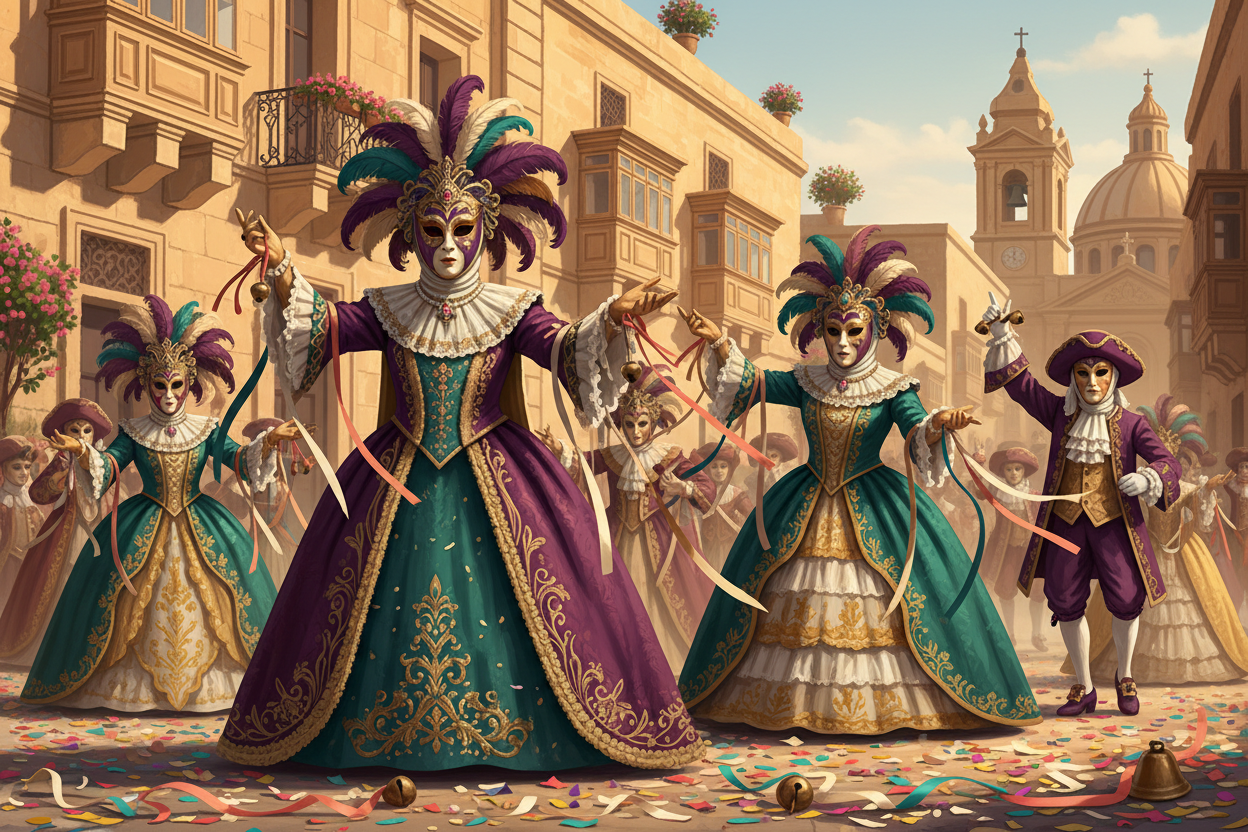
Maltese carnival costumes represent far more than mere fancy dress – they’re works of art that embody creativity, craftsmanship, and cultural expression. The costume culture in Malta has developed its own distinctive style, blending Mediterranean influences with uniquely Maltese elements that reflect the island’s history and character.
Traditional Maltese carnival costumes often feature vibrant colors, intricate details, and symbolic elements that tell stories or represent various aspects of Maltese life. Many costumes incorporate historical themes, depicting knights, nobility, or significant figures from Malta’s past. Others draw inspiration from folklore, featuring mythical creatures, traditional occupations, or scenes from rural Maltese life.
The craftsmanship involved in creating these costumes is remarkable. Skilled artisans spend countless hours hand-sewing elaborate details, creating papier-mâché masks, and constructing complex headpieces. Many families maintain costume-making as a cherished tradition, with techniques and designs passed down through generations. The attention to detail is extraordinary – from hand-painted fabrics to intricate beadwork, every element receives careful consideration.
Modern Maltese carnival costumes increasingly incorporate contemporary themes while maintaining traditional construction techniques. Environmental messages, social commentary, and current events often inspire costume designs, demonstrating how this ancient art form continues to evolve and remain relevant in modern society.
Carnival Groups and Community Involvement
The backbone of Malta Carnival lies in its numerous carnival groups, known locally as “karnavali.” These organizations, often neighborhood-based or formed around shared interests, spend the entire year preparing for carnival. Each group typically focuses on a specific theme, creating coordinated costumes, choreographed performances, and elaborate floats that represent their chosen concept.
Joining a carnival group offers an incredible opportunity to experience Maltese community spirit firsthand. Members collaborate on every aspect of their presentation, from initial concept development through final performance. This collaborative process strengthens community bonds and provides a creative outlet that brings people together across age groups and social backgrounds.
The competitive element adds excitement to the carnival experience. Various categories recognize outstanding achievements in costume design, float construction, choreography, and overall presentation. However, competition remains friendly and supportive, with groups often helping each other and sharing resources when needed.
Many carnival groups also engage in charitable activities throughout the year, using their organizational skills and community connections to support local causes. This aspect of carnival culture demonstrates how these celebrations extend beyond mere entertainment to become forces for positive community engagement.
Modern Malta Carnival: Evolution and Innovation
Today’s Malta Carnival successfully balances tradition with innovation, creating a celebration that honors its historical roots while embracing contemporary creativity. Modern technology has enhanced various aspects of the festival, from improved sound systems for performances to LED lighting that creates stunning visual effects on evening floats.
Social media has transformed how carnival groups organize and promote their activities. Online platforms allow groups to share progress updates, coordinate activities, and build anticipation for their performances. This digital presence has also helped attract international attention to Malta Carnival, drawing visitors from around the world who want to experience this authentic cultural celebration.
Environmental consciousness increasingly influences modern carnival planning. Many groups now prioritize sustainable materials and practices, creating costumes from recycled materials or designing reusable elements. This shift reflects broader environmental awareness while demonstrating how traditional celebrations can adapt to address contemporary concerns.
The integration of international influences has enriched Malta Carnival without diminishing its authentic character. Visiting performers, cultural exchange programs, and international partnerships have introduced new techniques and perspectives while strengthening Malta’s position as a significant carnival destination in the Mediterranean region.
Experiencing Malta Carnival as a Visitor
Visiting Malta during carnival season offers an unparalleled cultural experience that goes far beyond typical tourist activities. The festival provides intimate access to Maltese culture, allowing visitors to witness authentic traditions while participating in genuine community celebrations.
The best viewing locations for carnival parades include Valletta’s main streets, particularly Republic Street and Merchants Street, where the processions move slowly enough for detailed observation and photography. However, some of the most memorable experiences occur in smaller venues where spontaneous performances and interactions with locals create lasting memories.
Accommodation during carnival period requires advance planning, as this popular time attracts both local and international visitors. Many hotels offer special carnival packages that include parade viewing arrangements, costume rental opportunities, or guided cultural experiences that enhance understanding of the festival’s significance.
Participating in carnival activities as a visitor is not only welcomed but encouraged. Many groups accept temporary members, costume rental services operate throughout the islands, and numerous workshops offer visitors chances to learn traditional carnival crafts. This participatory approach reflects the inclusive nature of Maltese culture and creates meaningful connections between visitors and local communities.
Conclusion
Malta Carnival stands as a testament to the enduring power of cultural tradition in an increasingly globalized world. This extraordinary celebration successfully preserves centuries-old customs while embracing innovation and change, creating a festival that remains both authentic and relevant. The elaborate costumes, community involvement, and artistic creativity that define Malta Carnival reflect the broader character of Maltese society – welcoming, creative, and deeply connected to its heritage.
For anyone seeking to understand Malta beyond its beautiful beaches and historic architecture, carnival season offers the perfect opportunity. This celebration reveals the artistic soul of the Maltese people, their commitment to community, and their ability to transform everyday streets into stages for extraordinary cultural expression. Whether you’re drawn by the spectacular costumes, the infectious energy, or the chance to participate in authentic cultural traditions, Malta Carnival promises an unforgettable experience that will deepen your appreciation for this remarkable Mediterranean nation.
The Malta Carnival continues to evolve while maintaining its essential character, ensuring that future generations will inherit a living tradition that connects them to their past while inspiring continued creativity and community engagement. In a world where authentic cultural experiences are increasingly rare, Malta Carnival remains a genuine celebration that welcomes all who wish to share in its joy and wonder.
 English
Leave a Reply